As we age, our bodies undergo numerous changes that can impact our overall health and well-being. However, one of the most effective ways to combat these changes and maintain a high quality of life is through regular exercise. For aging populations, the benefits of staying active extend far beyond just physical fitness. Exercise can have a profound impact on mental health, cognitive function, and social connections, making it an essential component of healthy aging. Whether you’re an athlete looking to maintain your performance as you get older, a parent wanting to set a good example for your children, or a tradesman aiming to stay fit for your physically demanding job, understanding the benefits of exercise for aging populations is crucial.
Physical Benefits of Exercise for Older Adults
When it comes to the physical benefits of exercise for aging populations, the list is extensive and impressive. Regular physical activity can help you maintain muscle mass, bone density, and overall strength, which are crucial for preventing falls and maintaining independence as you age. Additionally, exercise can improve your cardiovascular health, reducing the risk of heart disease and stroke – two of the leading causes of death among older adults.
But that’s not all, exercise can also help manage chronic conditions such as arthritis, diabetes, and high blood pressure. By engaging in regular physical activity, you can improve your balance, flexibility, and coordination, which are essential for maintaining mobility and reducing the risk of injury. Furthermore, exercise can boost your immune system, helping you fight off illnesses and recover more quickly when you do get sick.
Key Physical Benefits:
- Improved muscle strength and bone density
- Enhanced cardiovascular health
- Better management of chronic conditions
- Increased balance, flexibility, and coordination
- Boosted immune system function
Mental Health and Cognitive Benefits of Exercise for Older Adults
The benefits of exercise for aging populations extend far beyond just physical health. Regular physical activity can have a significant positive impact on mental health and cognitive function. As you age, you may face an increased risk of depression, anxiety, and cognitive decline. However, engaging in regular exercise can help combat these issues and promote overall mental well-being.
Exercise has been shown to release endorphins, the body’s natural mood elevators, which can help reduce feelings of stress, anxiety, and depression. Additionally, physical activity can improve sleep quality, which is essential for maintaining good mental health and cognitive function. For those of you who are athletes or fitness enthusiasts, you may already be familiar with the “runner’s high” or the sense of accomplishment that comes from a good workout – these feelings can be especially beneficial for older adults looking to maintain a positive outlook on life.
Key Mental Health and Cognitive Benefits:
- Reduced risk of depression and anxiety
- Improved mood and overall mental well-being
- Enhanced cognitive function and memory
- Better sleep quality
- Increased sense of accomplishment and self-esteem
Social Benefits of Exercise for Aging Populations
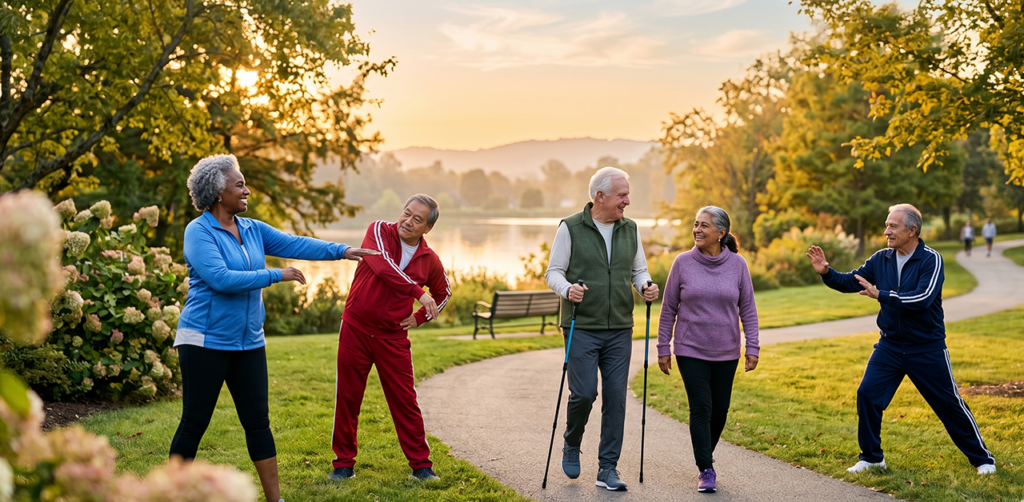
One often overlooked aspect of exercise for aging populations is its potential for social engagement and connection. As we age, it’s common to experience a decrease in social interactions, which can lead to feelings of isolation and loneliness. However, participating in group exercise classes, joining a sports team, or simply walking with a friend can provide valuable opportunities for social interaction and community engagement.
For those of you who are parents or grandparents, engaging in physical activities with your family members can be an excellent way to bond and create lasting memories. Additionally, if you’re a tradesman or work in a physically demanding job, joining a gym or fitness class can help you connect with like-minded individuals who share similar goals and experiences. These social connections can provide a support system, motivation, and a sense of belonging, all of which are crucial for maintaining good mental health and overall well-being as you age.
Key Social Benefits:
- Increased opportunities for social interaction
- Reduced feelings of isolation and loneliness
- Strengthened family bonds through shared activities
- Development of new friendships and support systems
- Enhanced sense of community engagement
Types of Exercise Beneficial for Aging Populations
When it comes to exercise for aging populations, it’s important to understand that there’s no one-size-fits-all approach. The best exercise routine for you will depend on your current fitness level, any existing health conditions, and your personal preferences. However, there are several types of exercise that are particularly beneficial for older adults:
Aerobic Exercise: Activities like walking, swimming, cycling, or dancing can improve cardiovascular health, boost energy levels, and enhance overall endurance. If you’re an athlete or fitness enthusiast, you might enjoy more intense forms of cardio like running or high-intensity interval training (HIIT), but it’s important to listen to your body and adjust the intensity as needed.
Strength Training: Incorporating resistance exercises using weights, resistance bands, or bodyweight can help maintain muscle mass, improve bone density, and enhance overall strength. This is particularly important for tradesmen who need to maintain their physical capabilities for work.
Balance and Flexibility Exercises: Activities like yoga, tai chi, or simple stretching routines can improve balance, reduce the risk of falls, and enhance overall flexibility. These exercises are crucial for maintaining mobility and preventing injuries as you age.
Functional Fitness: Exercises that mimic everyday activities, such as squatting, reaching, or carrying objects, can help maintain independence and make daily tasks easier. This type of exercise is beneficial for everyone, regardless of your profession or fitness level.
Overcoming Barriers to Exercise for Aging Populations
While the benefits of exercise for aging populations are clear, many older adults face barriers that can make it challenging to maintain a regular exercise routine. Common obstacles include fear of injury, lack of motivation, limited access to fitness facilities, or uncertainty about how to exercise safely. However, with the right approach and support, these barriers can be overcome.
If you’re concerned about injury, consider working with a certified fitness professional who specializes in training older adults. They can help you develop a safe and effective exercise program tailored to your specific needs and abilities. For those of you who are athletes or fitness enthusiasts, you may already have a good understanding of proper form and technique, but it’s still important to adjust your routine as you age to prevent overuse injuries.
Lack of motivation can be a challenge for anyone, regardless of age. To stay motivated, try setting realistic goals, tracking your progress, and finding an exercise buddy or support group. If you’re a parent, consider involving your children or grandchildren in your fitness routine – it’s a great way to stay active and set a positive example for the younger generation.
For those with limited access to fitness facilities, remember that exercise doesn’t always require expensive equipment or gym memberships. Many effective exercises can be done at home using bodyweight, household items, or inexpensive equipment like resistance bands. Additionally, outdoor activities like walking, hiking, or gardening can provide excellent low-impact exercise options.
The Role of Nutrition in Exercise for Aging Populations
When discussing the benefits of exercise for aging populations, it’s crucial to consider the role of proper nutrition. As you age, your nutritional needs may change, and it becomes even more important to fuel your body appropriately to support your exercise routine and overall health.
Protein intake is particularly important for older adults, as it helps maintain muscle mass and supports recovery after exercise. Aim to include lean protein sources like chicken, fish, beans, or tofu in your meals. For athletes and fitness enthusiasts, you may need to increase your protein intake slightly to support your more intense exercise routines.
Hydration is another critical factor, especially as the sensation of thirst can diminish with age. Make sure to drink plenty of water before, during, and after exercise to prevent dehydration and support optimal performance. If you’re engaging in longer or more intense workouts, consider adding electrolytes to your water or consuming a sports drink to replenish lost minerals.
Don’t forget about the importance of fruits and vegetables, which provide essential vitamins, minerals, and antioxidants to support overall health and recovery. Aim for a variety of colorful produce to ensure you’re getting a wide range of nutrients.
Key Nutritional Considerations:
- Adequate protein intake for muscle maintenance and recovery
- Proper hydration before, during, and after exercise
- Consumption of a variety of fruits and vegetables
- Consideration of supplements if recommended by a healthcare professional
- Balanced meals to support energy levels and overall health
The Importance of Rest and Recovery for Aging Athletes
As an aging athlete or fitness enthusiast, it’s crucial to understand the importance of rest and recovery in your exercise routine. While regular physical activity is essential for maintaining health and fitness as you age, allowing your body adequate time to recover between workouts becomes increasingly important.
As we get older, our bodies may take longer to recover from intense exercise sessions. This doesn’t mean you need to stop challenging yourself, but it does mean you should pay closer attention to how your body feels and adjust your workout schedule accordingly. Incorporating rest days into your routine, practicing active recovery (such as light walking or gentle stretching), and getting enough sleep are all crucial components of a well-rounded exercise program for aging populations.
Additionally, consider incorporating techniques like foam rolling, massage, or gentle yoga to help alleviate muscle soreness and improve flexibility. These practices can not only aid in recovery but also help prevent injuries and improve overall performance.
Monitoring Progress and Adjusting Your Exercise Routine
As you embark on or continue your fitness journey as part of an aging population, it’s important to regularly monitor your progress and make adjustments to your exercise routine as needed. This process helps ensure that you’re continuing to challenge yourself appropriately while also staying safe and avoiding overexertion.
One effective way to track your progress is by keeping a workout journal. Record the exercises you perform, the weights you use, the number of repetitions, and how you feel during and after each workout. This information can help you identify patterns, track improvements, and recognize when it might be time to increase the intensity or try new exercises.
Regular check-ins with your healthcare provider or a fitness professional can also be beneficial. They can help assess your fitness level, provide guidance on safe progression, and address any concerns or questions you may have about your exercise routine.
Remember that progress doesn’t always mean lifting heavier weights or running faster. As you age, maintaining your current level of fitness or slowing the rate of decline can be significant achievements. Celebrate these victories and use them as motivation to continue your fitness journey.
Embracing Technology for Exercise and Health Tracking
In today’s digital age, there are numerous technological tools available to help aging populations stay active and monitor their health. Fitness trackers, smartwatches, and smartphone apps can provide valuable insights into your activity levels, heart rate, sleep patterns, and more.
These devices can help you set and track fitness goals, monitor your progress over time, and even provide reminders to move throughout the day. Many also offer guided workout programs or virtual coaching, which can be especially helpful if you’re new to exercise or looking to try new types of activities.
For those of you who are tech-savvy athletes or fitness enthusiasts, more advanced features like GPS tracking, advanced heart rate monitoring, and recovery metrics can provide detailed data to help optimize your training and recovery.
However, it’s important to remember that while technology can be a helpful tool, it shouldn’t replace listening to your body and using common sense. Use these devices as a guide, but always prioritize how you feel and consult with healthcare professionals when making significant changes to your exercise routine.
The Long-Term Impact of Exercise on Aging Populations
When considering the benefits of exercise for aging populations, it’s crucial to understand the long-term impact of maintaining a regular physical activity routine. Consistent exercise throughout your life can significantly influence how you age, potentially adding years to your life and life to your years.
Research has shown that older adults who engage in regular physical activity have a lower risk of developing chronic diseases, experience less cognitive decline, and maintain their independence for longer compared to their sedentary counterparts. This means that the effort you put into staying active now can pay dividends in the future, allowing you to enjoy a higher quality of life as you age.
For athletes and fitness enthusiasts, continuing to engage in regular exercise as you age can help you maintain a higher level of performance and enjoy your favorite activities for longer. For parents, staying active sets a positive example for your children and grandchildren, potentially influencing their lifelong health habits. And for tradesmen, maintaining your fitness can help you continue your work with less strain and discomfort as you age.
Remember, it’s never too late to start reaping the benefits of exercise. Even if you haven’t been consistently active in the past, beginning a regular exercise routine at any age can lead to significant improvements in your health and well-being. The key is to start where you are, progress gradually, and make physical activity a consistent part of your lifestyle.