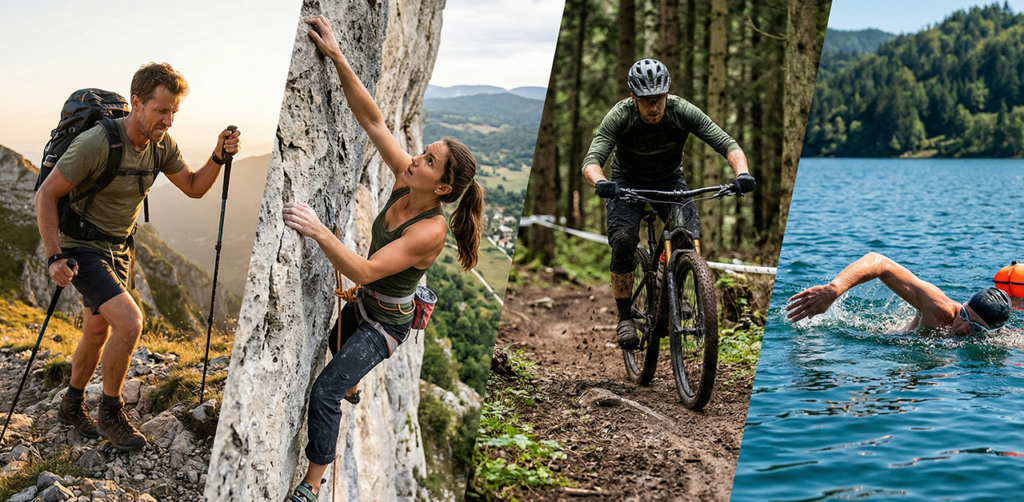
When it comes to building strength and endurance, the great outdoors offers a wealth of opportunities that far surpass the confines of a traditional gym. Nature provides a diverse playground for fitness enthusiasts, challenging both body and mind in ways that indoor workouts simply can’t match. Whether you’re an athlete looking to enhance your performance, a parent seeking family-friendly activities, or a tradesperson aiming to boost your on-the-job stamina, outdoor activities can be the key to unlocking your full potential. Let’s dive into the world of outdoor fitness and discover what outdoor activities are best for building strength and endurance.
The Benefits of Outdoor Fitness
Before we explore specific activities, it’s essential to understand why outdoor exercise is so effective for building strength and endurance. Fresh air, natural terrain, and ever-changing environments create a perfect storm for physical and mental growth. Your body must constantly adapt to uneven surfaces, weather conditions, and varied resistances, which leads to more comprehensive fitness gains. Moreover, the psychological benefits of being in nature can enhance your motivation and reduce stress, allowing you to push harder and recover more effectively. Studies have shown that outdoor exercise can lead to increased feelings of revitalization, decreased tension, and improved self-esteem compared to indoor workouts.
Hiking: The All-in-One Outdoor Workout
When considering what outdoor activities are best for building strength and endurance, hiking often tops the list. This versatile activity offers a full-body workout that can be tailored to various fitness levels. Hiking engages multiple muscle groups simultaneously, particularly in your lower body and core. The natural inclines and declines you encounter on trails provide excellent resistance training for your legs, while uneven terrain challenges your balance and stability. As you progress to more difficult trails or add a weighted backpack, you’ll continue to build strength and cardiovascular endurance.
For those new to hiking, start with shorter, flatter trails and gradually work your way up to more challenging routes. Remember to:
- Invest in proper hiking boots for ankle support
- Stay hydrated and bring nutritious snacks
- Use trekking poles for added stability and upper body engagement
Rock Climbing: Strength and Problem-Solving Combined
Rock climbing is another excellent outdoor activity that excels at building both strength and endurance. This challenging sport engages nearly every muscle in your body, with a particular focus on your upper body, core, and grip strength. The dynamic movements required in climbing also improve flexibility and balance. What sets rock climbing apart is its cognitive aspect – each climb is like a vertical puzzle that requires mental stamina and problem-solving skills, making it an excellent choice for those seeking a holistic fitness challenge.
If you’re new to climbing, consider starting with bouldering (climbing shorter routes without ropes) or taking a class at an indoor climbing gym before venturing outdoors. As you progress, you can explore different types of outdoor climbing, such as:
- Sport climbing on established routes with fixed anchors
- Traditional (trad) climbing, where you place your own protective gear
- Multi-pitch climbing for longer, more adventurous routes
Safety First in Climbing
While rock climbing offers tremendous fitness benefits, it’s crucial to prioritize safety. Always climb with a partner, use proper safety equipment, and learn proper techniques from experienced climbers or certified instructors. The strength and endurance you build through climbing can translate to improved performance in various aspects of life, from athletic pursuits to everyday tasks.
Open Water Swimming: A Low-Impact Endurance Builder
For those seeking a low-impact activity that still packs a punch in terms of endurance building, open water swimming is an excellent choice. Swimming in lakes, rivers, or oceans provides a full-body workout that’s gentle on your joints while challenging your cardiovascular system. The resistance of the water, coupled with currents and waves, creates a dynamic environment that forces your body to adapt constantly, improving both strength and stamina.
Open water swimming engages muscles throughout your body, including:
- Core muscles for stability and efficient movement through the water
- Upper body muscles, particularly shoulders and back, for propulsion
- Lower body muscles for kicking and maintaining body position
To get started with open water swimming, begin in calm, supervised areas and gradually work your way up to more challenging conditions. Always swim with a buddy and be aware of local water conditions and potential hazards.
Trail Running: Taking Your Endurance to New Heights
Trail running takes the cardiovascular benefits of road running and amplifies them with the added challenges of natural terrain. This activity is particularly effective for building endurance, as the varied landscapes force your body to adapt to different stride lengths, elevations, and surfaces. The constant adjustments required when navigating roots, rocks, and uneven ground also engage stabilizing muscles, improving overall strength and balance.
When considering what outdoor activities are best for building strength and endurance, trail running stands out for its accessibility and scalability. You can start with easier, flatter trails and progressively tackle more technical routes as your fitness improves. To maximize the benefits of trail running:
- Invest in trail-specific running shoes for better traction and protection
- Practice proper form, including shorter strides and a focused gaze to navigate obstacles
- Incorporate hill repeats to build leg strength and improve cardiovascular capacity
Cross-Training with Trail Running
Trail running can be an excellent cross-training activity for athletes in various sports. The dynamic nature of the terrain helps improve proprioception and agility, which can translate to better performance in sports like soccer, basketball, and tennis. Additionally, the mental focus required to navigate trails can enhance overall concentration and decision-making skills.
Mountain Biking: Pedal Your Way to Peak Fitness
Mountain biking is a thrilling outdoor activity that combines cardiovascular endurance with strength building, particularly in the lower body. Navigating varied terrain on two wheels challenges your leg muscles, core stability, and upper body strength as you maneuver your bike over obstacles and through turns. The intermittent nature of mountain biking, with its climbs, descents, and technical sections, creates an excellent interval training effect that can significantly boost your overall endurance.
To get started with mountain biking:
- Begin on easier trails and gradually progress to more technical routes
- Practice proper bike handling skills to improve efficiency and safety
- Incorporate both climbs and descents in your rides for a well-rounded workout
Mountain biking not only builds physical strength and endurance but also improves mental toughness. The focus required to navigate challenging trails can help develop problem-solving skills and boost confidence, which can carry over into other areas of life.
Kayaking and Canoeing: Upper Body Powerhouses
When exploring what outdoor activities are best for building strength and endurance, don’t overlook the potential of water-based activities like kayaking and canoeing. These sports offer excellent upper body and core workouts while providing a refreshing change of pace from land-based exercises. The repetitive paddling motion engages your shoulders, arms, back, and abdominal muscles, building strength and improving endurance over time.
Kayaking and canoeing can be adapted to various fitness levels and goals:
- Leisurely paddling on calm lakes for beginners or those seeking a low-impact workout
- Whitewater kayaking for adrenaline junkies looking to push their limits
- Long-distance touring to build exceptional endurance and mental fortitude
These activities also offer the added benefit of exploring waterways and connecting with nature, which can provide a mental boost and reduce stress levels.
Outdoor Bootcamps: Structured Strength and Endurance Training
For those who prefer a more structured approach to outdoor fitness, outdoor bootcamps can be an excellent option. These group fitness classes typically combine bodyweight exercises, cardio drills, and sometimes equipment-based workouts in an outdoor setting. The variety of exercises and the motivational aspect of group training can lead to significant improvements in both strength and endurance.
Outdoor bootcamps often incorporate exercises such as:
- Bodyweight squats, push-ups, and lunges for strength building
- Sprints, burpees, and jumping jacks for cardiovascular endurance
- Partner exercises that add a social element to the workout
The unpredictable nature of outdoor environments adds an extra challenge to these workouts, as you may need to adapt to different surfaces or weather conditions. This variability can enhance the overall effectiveness of the training and keep your workouts interesting and engaging.
Combining Activities for Optimal Results
While each of these outdoor activities offers unique benefits for building strength and endurance, combining multiple activities can lead to even better results. Cross-training with different outdoor pursuits helps prevent boredom, reduces the risk of overuse injuries, and ensures a well-rounded fitness regimen. For example, you might alternate between trail running and rock climbing to balance lower body endurance with upper body strength, or combine hiking with kayaking for a full-body workout that engages different muscle groups.
When planning your outdoor fitness routine, consider:
- Your personal interests and what activities you enjoy most
- Your current fitness level and any physical limitations
- The availability of suitable locations for your chosen activities
- Seasonal variations that might affect your ability to participate in certain sports
By thoughtfully combining different outdoor activities, you can create a comprehensive fitness plan that builds strength and endurance while keeping you motivated and engaged.
Overcoming Challenges in Outdoor Fitness
While outdoor activities offer numerous benefits for building strength and endurance, they also come with unique challenges. Weather conditions, terrain difficulties, and accessibility issues can sometimes hinder your ability to engage in outdoor fitness consistently. However, with proper planning and adaptability, these challenges can be overcome.
To maintain consistency in your outdoor fitness routine:
- Invest in appropriate gear for various weather conditions
- Have backup plans for indoor alternatives on days when outdoor activities aren’t feasible
- Join local groups or clubs to stay motivated and discover new outdoor opportunities
- Use technology like fitness apps or GPS devices to track your progress and explore new areas
Remember that the unpredictability of outdoor environments is part of what makes these activities so effective for building strength and endurance. Embracing these challenges can lead to greater physical and mental resilience.
In conclusion, when considering what outdoor activities are best for building strength and endurance, the options are diverse and exciting. From hiking and rock climbing to open water swimming and mountain biking, there’s an outdoor activity to suit every preference and fitness level. By incorporating these activities into your routine and embracing the challenges they present, you can significantly enhance your physical fitness while enjoying the beauty and benefits of the great outdoors.