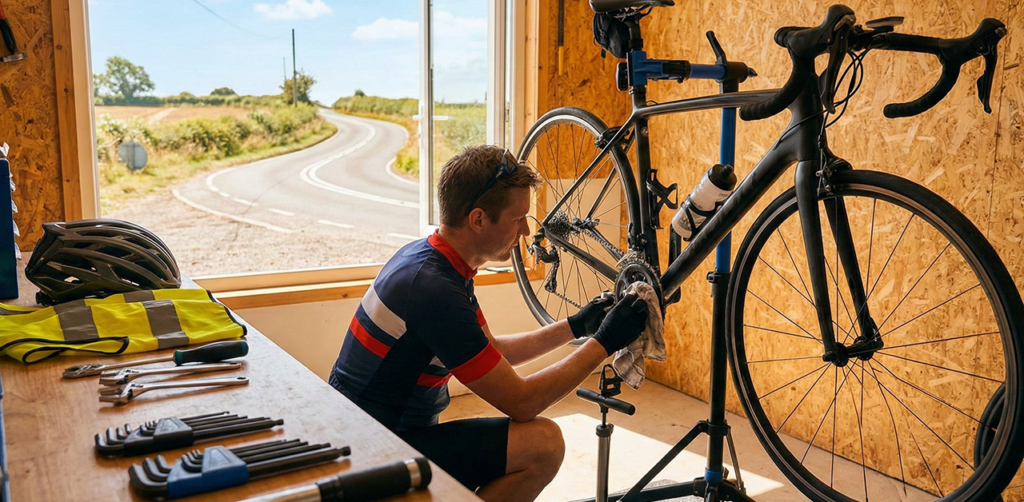
The Importance of Regular Bike Maintenance for Cyclist Safety
As a cyclist, you know that hitting the road on two wheels is not just a mode of transportation; it’s a lifestyle. Whether you’re a weekend warrior or a daily commuter, your bike is your trusty companion on countless adventures. But have you ever stopped to consider how proper bike maintenance contributes to your safety as a cyclist? It’s not just about keeping your ride looking shiny and new; it’s about ensuring that every component of your bicycle is working in harmony to keep you safe on the road or trail.
Regular maintenance is the unsung hero of cycling safety, often overlooked but absolutely crucial. Think about it: your bike is a complex machine with many moving parts, each playing a vital role in your journey. When these parts are well-maintained, they work together seamlessly, providing you with a smooth, predictable, and safe ride. However, when neglected, even the smallest issue can snowball into a dangerous situation, potentially leading to accidents or injuries.
Understanding the Basics of Bike Maintenance
Before diving into the specifics of how proper bike maintenance contributes to cyclist safety, it’s essential to understand what bike maintenance entails. At its core, bike maintenance is about regular inspection, cleaning, and adjustment of your bicycle’s components. This includes everything from the frame and wheels to the drivetrain, brakes, and accessories.
Proper maintenance isn’t just about fixing problems when they arise; it’s about preventing issues before they become safety hazards. By implementing a regular maintenance routine, you’re essentially giving your bike a health check-up, identifying potential problems early on, and addressing them before they can compromise your safety on the road.
Remember, you don’t need to be a professional mechanic to perform basic maintenance tasks. Many aspects of bike care are simple enough for any cyclist to learn and perform at home. However, for more complex issues or if you’re unsure, it’s always best to consult with a professional bike mechanic.
How Proper Bike Maintenance Enhances Braking Performance
One of the most critical safety features of any bicycle is its braking system. Your ability to slow down or stop quickly can mean the difference between a close call and a serious accident. So, how does proper bike maintenance contribute to cyclist safety when it comes to brakes?
Regular maintenance of your bike’s braking system ensures that it remains responsive and effective. This includes checking and replacing brake pads when they’re worn, adjusting brake cables for proper tension, and ensuring that brake calipers are properly aligned. A well-maintained braking system responds quickly and predictably, giving you the confidence to navigate various riding conditions safely.
Moreover, proper maintenance helps prevent sudden brake failures. Imagine descending a steep hill only to find that your brakes aren’t working as they should. By regularly inspecting and maintaining your brakes, you significantly reduce the risk of such dangerous scenarios.
Key Brake Maintenance Tasks:
- Inspect brake pads for wear and replace when necessary
- Check and adjust brake cable tension
- Clean and lubricate brake pivot points
- Ensure brake calipers are properly aligned with the rim
The Role of Tire Maintenance in Cyclist Safety
Your bike’s tires are your only point of contact with the road, making them crucial for your safety. Proper tire maintenance is an often overlooked aspect of bike care, but it plays a significant role in how proper bike maintenance contributes to cyclist safety.
Regular tire inspections help you identify issues such as cuts, embedded debris, or excessive wear before they lead to a blowout or loss of traction. Maintaining proper tire pressure is equally important. Underinflated tires can lead to pinch flats and reduced control, while overinflated tires can result in a harsh ride and decreased traction, especially on wet surfaces.
Furthermore, ensuring your tires are appropriate for the riding conditions you typically encounter can greatly enhance your safety. For instance, using tires with adequate tread for wet conditions or wider tires for off-road riding can significantly improve your bike’s handling and your overall safety.
Essential Tire Maintenance Tasks:
- Check tire pressure regularly and inflate to recommended levels
- Inspect tires for cuts, wear, or embedded objects
- Rotate tires to ensure even wear
- Replace tires when tread is worn or sidewalls show signs of damage
Maintaining Your Bike’s Drivetrain for Smooth and Safe Rides
The drivetrain of your bicycle, which includes the chain, cassette, derailleurs, and crankset, is the heart of your bike’s propulsion system. A well-maintained drivetrain not only makes your ride more enjoyable but also contributes significantly to your safety as a cyclist.
How does proper bike maintenance contribute to cyclist safety when it comes to the drivetrain? For starters, a clean and well-lubricated chain ensures smooth and efficient power transfer from your legs to the wheels. This means you’re less likely to experience sudden jerks or slips that could throw you off balance, especially when climbing or accelerating.
Regular maintenance of your derailleurs ensures accurate shifting, allowing you to quickly and smoothly change gears when needed. This is particularly important when you need to react quickly to changes in terrain or traffic conditions. Imagine trying to climb a sudden steep incline only to find that your gears won’t shift properly – this could lead to a loss of momentum and potentially dangerous situations, especially in traffic.
Key Drivetrain Maintenance Tasks:
- Clean and lubricate the chain regularly
- Check for chain wear and replace when necessary
- Adjust derailleur alignment and tension
- Inspect cassette and chainrings for wear
The Impact of Frame and Fork Maintenance on Cyclist Safety
While often overlooked in favor of more obvious moving parts, the frame and fork of your bicycle are fundamental to your safety. These components form the backbone of your bike, providing stability and absorbing shock from the road. So, how does proper bike maintenance contribute to cyclist safety when it comes to the frame and fork?
Regular inspections of your frame and fork can help you identify potential issues before they become serious problems. Look for any signs of damage such as cracks, dents, or unusual noises. Even small cracks can compromise the structural integrity of your bike, potentially leading to catastrophic failure during a ride.
For bikes with suspension forks, proper maintenance is crucial for both comfort and safety. A well-maintained suspension system helps absorb shocks from rough terrain, keeping your front wheel in contact with the ground and maintaining your control over the bike. Regularly cleaning and lubricating your suspension fork, checking for proper air pressure (in air forks), and ensuring the fork seals are in good condition all contribute to a safer ride.
Essential Frame and Fork Maintenance Tasks:
- Regularly inspect the frame and fork for any signs of damage
- Clean and check all frame joints and welds
- For suspension forks, clean and lubricate regularly
- Check and maintain proper suspension settings
The Significance of Wheel and Spoke Maintenance
Your bike’s wheels are more than just circular frames for your tires; they’re complex structures that play a crucial role in your safety and performance as a cyclist. Proper maintenance of your wheels and spokes is an often underappreciated aspect of how proper bike maintenance contributes to cyclist safety.
Well-maintained wheels ensure that your bike rolls smoothly and predictably. This includes keeping your wheels true (straight and round) and ensuring that all spokes are properly tensioned. A wheel that’s out of true can cause your bike to wobble, especially at higher speeds, potentially leading to loss of control. Similarly, loose or broken spokes can cause a wheel to suddenly go out of true, which can be particularly dangerous if it happens during a ride.
Regular inspection of your wheel hubs is also crucial. Properly adjusted and lubricated hubs ensure smooth rotation of your wheels, while worn or loose bearings can cause wobbling or even seizing of the wheel. Imagine your front wheel suddenly locking up while you’re descending at high speed – it’s a scenario no cyclist wants to face.
Key Wheel and Spoke Maintenance Tasks:
- Check wheel trueness regularly and adjust as needed
- Inspect spokes for proper tension and replace any that are broken or damaged
- Clean and lubricate wheel hubs
- Check quick-release skewers or thru-axles for proper tightness
The Role of Proper Bike Fit in Maintenance and Safety
While not typically considered part of routine maintenance, ensuring your bike is properly fitted to your body is a crucial aspect of how proper bike maintenance contributes to cyclist safety. A well-fitted bike allows you to ride comfortably and efficiently, reducing fatigue and improving your control over the bicycle.
Proper bike fit involves adjusting various components such as saddle height and position, handlebar height and reach, and even cleat position if you’re using clipless pedals. These adjustments can significantly impact your riding posture, which in turn affects your ability to control the bike and react to situations on the road.
For instance, a saddle that’s too high can cause you to rock side to side when pedaling, reducing your stability. Handlebars that are too low or far forward can put excessive strain on your back and shoulders, potentially leading to discomfort or numbness that could distract you from the road. By regularly checking and adjusting your bike fit, you ensure that you’re always in the best position to safely control your bicycle.
Key Bike Fit Maintenance Tasks:
- Regularly check and adjust saddle height and position
- Ensure proper handlebar height and reach
- Check and adjust cleat position (for clipless pedals)
- Periodically reassess your overall bike fit as your flexibility and riding style may change over time
The Importance of Regular Safety Checks
While comprehensive maintenance sessions are crucial, incorporating quick safety checks into your pre-ride routine is equally important in understanding how proper bike maintenance contributes to cyclist safety. These quick checks can help you catch any issues that may have developed since your last ride, ensuring you’re not caught off guard by sudden mechanical problems.
A pre-ride safety check doesn’t need to be time-consuming. It can be as simple as a quick once-over of your bike, checking that tires are properly inflated, brakes are responsive, and nothing seems loose or out of place. This habit can help you identify potential issues before they become dangerous problems during your ride.
Remember, safety checks aren’t just for before your ride. It’s also a good idea to do a quick check after any unusual incidents during your ride, such as hitting a pothole or hearing an strange noise from your bike. These mid-ride checks can help you catch and address issues before they escalate into more serious problems.
Essential Pre-Ride Safety Check Tasks:
- Check tire pressure and condition
- Test brakes for proper function
- Ensure quick-release skewers or thru-axles are secure
- Check that the chain is clean and properly lubricated
The Role of Proper Cleaning in Bike Maintenance and Safety
When discussing how proper bike maintenance contributes to cyclist safety, it’s impossible to overlook the importance of keeping your bike clean. Regular cleaning is more than just about keeping your bike looking good; it’s an essential part of maintaining your bicycle’s performance and longevity, which directly impacts your safety on the road.
A clean bike allows you to more easily spot potential issues such as cracks in the frame, worn brake pads, or damaged cables. Dirt and grime can hide these problems, allowing them to worsen unnoticed until they become serious safety hazards. Moreover, a buildup of dirt and grit in moving parts can accelerate wear and tear, potentially leading to component failure at the worst possible moment.
Cleaning your bike also provides an opportunity for a detailed inspection of all components. As you clean each part of your bike, you can check for any signs of wear, damage, or misalignment. This hands-on approach to maintenance can help you catch and address potential issues early, before they can compromise your safety on the road.
Key Cleaning and Inspection Tasks:
- Regularly wash your bike, paying special attention to the drivetrain
- Clean and lubricate the chain after wet rides
- Inspect the frame for any signs of damage while cleaning
- Check all bolts and quick-releases for tightness after cleaning
The Impact of Proper Storage on Bike Maintenance and Safety
When considering how proper bike maintenance contributes to cyclist safety, it’s easy to focus solely on active maintenance tasks. However, how you store your bike when you’re not riding it can have a significant impact on its condition and, consequently, your safety on the road.
Proper storage helps protect your bike from environmental factors that can cause damage or accelerate wear. For instance, storing your bike in a dry place helps prevent rust and corrosion, which can weaken components over time. UV exposure from direct sunlight can degrade rubber and plastic parts, potentially leading to unexpected failures.
Moreover, how you store your bike can affect its readiness for your next ride. Hanging your bike by the wheel, for example, can put unnecessary stress on the wheel bearings. Similarly, leaning your bike against a wall can lead to accidental damage if it falls. By storing your bike properly, you ensure that it’s in the best possible condition every time you’re ready to ride.
Best Practices for Bike Storage:
- Store your bike in a dry, covered area
- Use a bike stand or wall mount to keep your bike upright
- If possible, store your bike indoors to protect it from extreme temperatures and humidity
- Consider using a bike cover if outdoor storage is unavoidable
Give us a call today at 1-877-777-6086 or fill out our contact form to become a retail
distributor of our top-of-the-line safety lights.