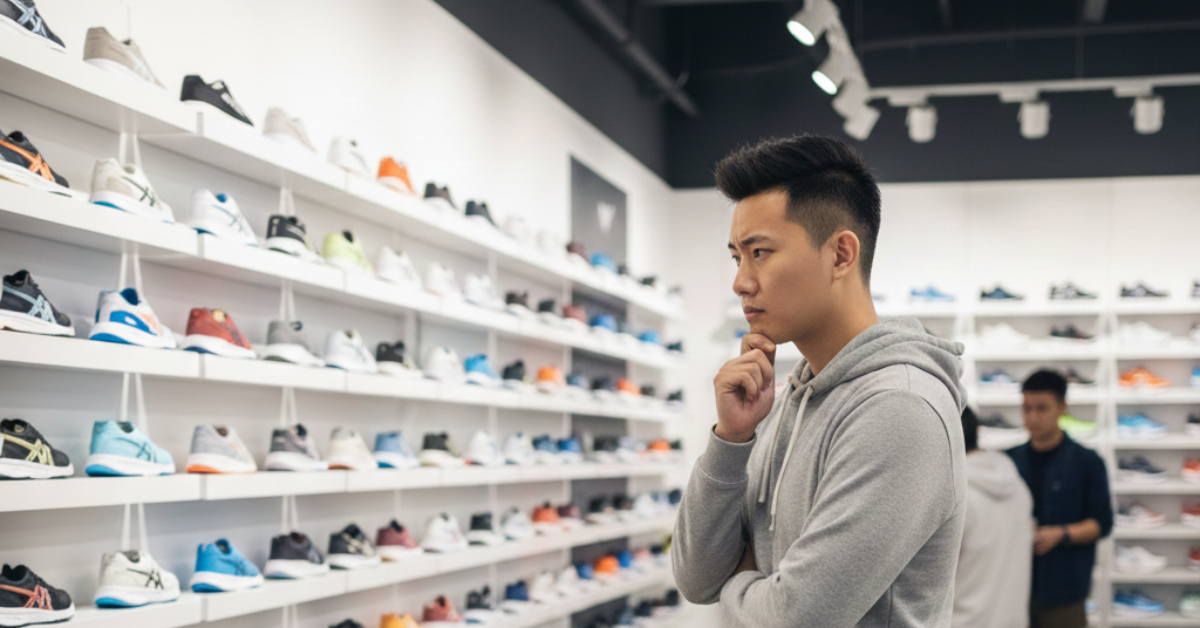
When it comes to athletic performance, the right pair of shoes can make all the difference. Whether you’re sprinting across a tennis court or pounding the pavement on a long-distance run, the cushioning and stability provided by your footwear play a crucial role in your overall performance and comfort. As an athlete, you might wonder: How do cushioning and stability in tennis shoes affect running performance? This question is particularly relevant for those who enjoy both tennis and running, as the demands placed on your feet and legs can vary significantly between these two activities.
Tennis shoes are designed to provide lateral support and quick movements, while running shoes prioritize forward motion and impact absorption. However, many athletes find themselves using tennis shoes for running, either out of convenience or personal preference. Understanding the impact of cushioning and stability in tennis shoes on your running performance can help you make informed decisions about your footwear choices and potentially improve your athletic outcomes.
Understanding Cushioning in Tennis Shoes
Cushioning is a critical component of any athletic shoe, and tennis shoes are no exception. The primary purpose of cushioning is to absorb shock and reduce the impact on your joints as your feet strike the ground. In tennis shoes, cushioning is typically concentrated in the heel and forefoot areas to provide comfort during quick movements and sudden stops.
When it comes to running performance, the cushioning in tennis shoes can have both positive and negative effects. On the one hand, adequate cushioning can help reduce fatigue and prevent injuries by minimizing the stress on your joints. This is particularly beneficial for runners who are prone to knee or ankle pain. On the other hand, excessive cushioning can sometimes lead to a loss of energy return and responsiveness, potentially slowing you down during your runs.
Types of Cushioning in Tennis Shoes
Tennis shoes employ various cushioning technologies to provide comfort and support. Some common types include:
- EVA (Ethylene-vinyl acetate) foam
- Air pockets or gel inserts
- Responsive foam compounds
- Carbon fiber plates
Each of these cushioning systems has its own unique properties that can affect your running performance differently. For example, EVA foam is lightweight and provides good shock absorption, making it suitable for both tennis and running. However, it may compress over time, reducing its effectiveness. Air pockets or gel inserts can offer excellent impact protection but may add weight to the shoe, potentially slowing you down during longer runs.
The Role of Stability in Tennis Shoes
Stability is another crucial factor in tennis shoe design, aimed at providing support and preventing excessive foot motion during lateral movements. Tennis players require shoes that can withstand quick direction changes and sudden stops, which is why tennis shoes often feature reinforced sidewalls and a wider base compared to running shoes.
When it comes to running performance, the stability features in tennis shoes can have mixed effects. On one hand, the added support can help prevent overpronation (excessive inward rolling of the foot) during your runs, which is beneficial for runners with flat feet or low arches. This extra stability can potentially reduce the risk of injuries such as plantar fasciitis or shin splints.
However, the increased rigidity and weight associated with stability features in tennis shoes may not be ideal for all runners. If you have a neutral foot type or prefer a more natural running gait, the added stability could potentially hinder your performance by restricting foot movement and adding unnecessary weight to your stride.
Stability Features in Tennis Shoes
Tennis shoes incorporate various stability elements to provide support during quick lateral movements. Some common stability features include:
- Reinforced sidewalls
- Wider base for increased ground contact
- Medial posts or dual-density midsoles
- Heel counters for improved rear-foot control
These stability features can affect your running performance in different ways. For instance, reinforced sidewalls and a wider base can provide added support during longer runs, potentially reducing fatigue and improving your overall endurance. However, they may also add weight to the shoe, which could slow you down during shorter, faster runs or sprints.
Impact on Running Biomechanics
The cushioning and stability features in tennis shoes can significantly influence your running biomechanics. Your running gait, foot strike pattern, and overall efficiency can all be affected by the shoes you wear. When using tennis shoes for running, you may notice some changes in your natural running form due to the differences in shoe design compared to dedicated running shoes.
One of the most noticeable impacts is on your foot strike pattern. Tennis shoes often have a higher heel-to-toe drop (the difference in height between the heel and forefoot) compared to many modern running shoes. This can encourage a heel-strike running pattern, which may not be optimal for all runners. Some studies suggest that a midfoot or forefoot strike can be more efficient and potentially reduce the risk of certain injuries.
Additionally, the lateral stability features in tennis shoes may restrict the natural pronation of your foot during the running gait cycle. While this can be beneficial for overpronators, it may cause discomfort or inefficiency for runners with neutral foot types who rely on some degree of pronation for shock absorption and energy transfer.
Adapting Your Running Form
If you choose to run in tennis shoes, you may need to make some adjustments to your running form to optimize your performance and reduce the risk of injury. Consider the following tips:
- Focus on landing with a midfoot strike to reduce the impact on your heels
- Increase your cadence (steps per minute) to promote a more efficient running form
- Pay attention to your body’s feedback and make adjustments as needed
- Gradually transition to running in tennis shoes to allow your body to adapt
Energy Return and Responsiveness
One area where tennis shoes may differ significantly from dedicated running shoes is in their energy return and responsiveness. Many modern running shoes are designed with materials and technologies that aim to provide a “springy” feel, helping to propel you forward with each step. Tennis shoes, on the other hand, are typically designed for stability and quick lateral movements rather than forward propulsion.
The cushioning materials used in tennis shoes may not offer the same level of energy return as those found in high-performance running shoes. This can result in a less responsive feel during your runs, potentially leading to increased fatigue over longer distances. However, some tennis shoes incorporate responsive foam compounds or carbon fiber plates that can help mitigate this issue to some extent.
It’s important to note that the impact on energy return and responsiveness can vary greatly depending on the specific model of tennis shoe you’re using. Some tennis shoes are designed with a more versatile approach, incorporating features that can benefit both tennis players and runners. If you plan to use your tennis shoes for running regularly, look for models that emphasize responsiveness and energy return in addition to stability and cushioning.
Factors Affecting Energy Return
Several factors can influence the energy return and responsiveness of tennis shoes when used for running:
- Midsole material and composition
- Overall shoe flexibility
- Presence of responsive technologies (e.g., carbon fiber plates)
- Shoe weight and distribution
Impact Protection and Injury Prevention
One of the primary benefits of using tennis shoes for running is the potential for improved impact protection. Tennis shoes are designed to withstand the repetitive impacts of quick stops and lateral movements, which can translate to good shock absorption during running. This enhanced impact protection can be particularly beneficial for runners who are prone to joint pain or those recovering from injuries.
The cushioning systems in tennis shoes, often more substantial than those in minimalist running shoes, can help distribute the forces of impact more evenly across your foot. This can potentially reduce the stress on specific areas of your feet and lower legs, lowering the risk of overuse injuries such as stress fractures or plantar fasciitis.
However, it’s important to note that while increased cushioning can provide better impact protection, it may also reduce your foot’s ability to sense the ground. This decreased proprioception can potentially lead to a less efficient running form or increased risk of ankle rolls, especially on uneven surfaces. Finding the right balance between impact protection and ground feel is crucial for optimizing your running performance and minimizing injury risk.
Considerations for Different Running Surfaces
The impact protection provided by tennis shoes can vary depending on the running surface. Consider the following when choosing to run in tennis shoes:
- Hard surfaces (e.g., concrete, asphalt): Tennis shoes may provide good impact protection due to their cushioning
- Soft surfaces (e.g., trails, grass): The added stability of tennis shoes can be beneficial, but watch out for reduced ground feel
- Track surfaces: Tennis shoes may not provide the ideal level of traction for track running
- Treadmills: The consistent surface of a treadmill may work well with the cushioning of tennis shoes
Weight and Its Effect on Running Economy
One of the most significant factors to consider when using tennis shoes for running is their weight. Generally, tennis shoes tend to be heavier than dedicated running shoes due to their additional stability features and durable construction. This extra weight can have a noticeable impact on your running economy, particularly over longer distances or during high-intensity workouts.
Running economy refers to the amount of energy you expend to maintain a certain pace. The more efficient your running economy, the less energy you’ll use to cover a given distance. Research has shown that shoe weight can directly affect running economy, with lighter shoes typically resulting in better efficiency. For every 100 grams (approximately 3.5 ounces) of added shoe weight, oxygen consumption increases by about 1%, which can translate to a noticeable decrease in performance over time.
While the impact of shoe weight may be less noticeable during shorter runs or tennis matches, it can become increasingly significant as you increase your running distance or intensity. This is one reason why many long-distance runners opt for lightweight, specialized running shoes rather than using their tennis shoes for extended running sessions.
Balancing Weight and Performance
If you choose to run in tennis shoes, consider the following strategies to minimize the impact of added weight on your performance:
- Look for lighter tennis shoe models that still provide adequate support
- Focus on strengthening your leg muscles to better handle the extra weight
- Gradually increase your running distance in tennis shoes to allow your body to adapt
- Consider alternating between tennis shoes and lightweight running shoes for different workouts
Durability and Cost Considerations
When considering using tennis shoes for running, it’s important to factor in durability and cost. Tennis shoes are typically designed to withstand the lateral movements and quick stops associated with tennis, which can translate to good overall durability when used for running. The reinforced upper materials and sturdy outsoles found in many tennis shoes can often hold up well to the repetitive impacts of running, potentially lasting longer than some lightweight running shoes.
However, it’s worth noting that using tennis shoes for activities they weren’t primarily designed for can affect their lifespan. The cushioning and support systems in tennis shoes may break down differently when subjected to the consistent forward motion of running, as opposed to the multi-directional movements of tennis. This could lead to a shorter overall lifespan for the shoes, particularly if you’re using them for both tennis and running regularly.
From a cost perspective, using your tennis shoes for running might seem like a money-saving strategy at first. After all, you’re getting more use out of a single pair of shoes. However, if the shoes wear out faster due to the added mileage, you might end up replacing them more frequently, potentially negating any initial cost savings.
Maximizing Shoe Lifespan
To get the most out of your tennis shoes when using them for running, consider these tips:
- Rotate between multiple pairs of shoes to allow each pair to recover between uses
- Clean your shoes regularly to remove dirt and debris that can break down materials
- Store your shoes properly in a cool, dry place to prevent premature degradation
- Replace your shoes when you notice significant wear or loss of cushioning
Choosing the Right Tennis Shoe for Running
If you’ve decided to use tennis shoes for running, it’s crucial to select a pair that can handle both activities effectively. Not all tennis shoes are created equal when it comes to running performance, so it’s important to look for specific features that can enhance your running experience while still providing the necessary support for tennis.
First, consider the level of cushioning in the shoe. Look for models that offer ample heel and forefoot cushioning to absorb the repetitive impacts of running. Some tennis shoe brands have started incorporating running-specific cushioning technologies into their designs, which can be a good option for those who want a more versatile shoe.
Next, evaluate the shoe’s stability features. While some stability is beneficial for running, especially for those with overpronation issues, excessive lateral support can hinder your natural running gait. Look for tennis shoes that offer a balance between stability and flexibility, allowing for smooth forward motion during runs.
The shoe’s weight is another crucial factor. Opt for lighter tennis shoe models when possible, as these will have less impact on your running economy. Many brands now offer lightweight tennis shoes that can double as suitable running options.
Key Features to Look for in a Tennis Shoe for Running
When shopping for a tennis shoe that you plan to use for running, keep an eye out for these features:
- Responsive cushioning that provides good energy return
- A flexible forefoot to allow for natural foot movement during running
- A breathable upper to keep your feet cool during longer runs
- A durable outsole that can withstand the wear of both tennis and running
- A comfortable fit that doesn’t cause hot spots or blisters during extended use
Transitioning Between Tennis and Running Shoes
If you regularly engage in both tennis and running, you might find yourself frequently switching between specialized shoes for each activity. While using tennis shoes for running can be a convenient option, it’s worth considering the benefits of transitioning between sport-specific footwear.
Dedicated running shoes are designed to optimize forward motion, providing features like a more flexible sole, a lower heel-to-toe drop, and specialized cushioning systems that enhance energy return. These characteristics can contribute to improved running efficiency and potentially reduce the risk of running-related injuries.
On the other hand, tennis shoes excel in providing the lateral stability and durability needed for the quick, multi-directional movements common in tennis. The reinforced upper and wider base of tennis shoes offer better support during side-to-side movements, which can be crucial for preventing ankle injuries on the court.
Transitioning between these two types of shoes allows you to enjoy the specific benefits of each, potentially enhancing your performance in both activities. However, it’s important to make this transition gradually to allow your body to adapt to the differences in shoe design and characteristics.
Tips for Effective Shoe Transition
If you decide to maintain separate shoes for tennis and running, consider these tips for a smooth transition:
- Gradually increase the time spent in your running shoes to allow your feet and legs to adapt
- Pay attention to any changes in your running form or discomfort when switching between shoes
- Consider using your tennis shoes for shorter runs or warm-ups before transitioning to running shoes for longer distances
- Ensure both your tennis and running shoes are properly fitted to your feet to minimize the risk of injury
By carefully considering the impact of cushioning and stability in tennis shoes on your running performance, you can make informed decisions about your footwear choices. Whether you opt to use tennis shoes for running or decide to maintain separate shoes for each activity, understanding the pros and cons will help you optimize your performance and reduce the risk of injury in both sports.
Give us a call today at 1-877-777-6086 or fill out our contact form to become a retail distributor of our top-of-the-line safety lights.