Your Go-To Healthy Lunch Ideas for Kids
Packing nutritious lunches for your children doesn’t have to feel like an Olympic event, even though some days it certainly seems that way. As a parent juggling work, workouts, meal prep, and the endless demands of family life, you need strategies that actually work in the real world—not just in perfectly styled Instagram photos. The good news is that with a little planning and creativity, you can master the art of preparing healthy lunch ideas for kids that they’ll actually eat, giving them the fuel they need to power through their school day while building lifelong healthy eating habits.
Whether you’re navigating picky eaters, food allergies, school policies, or just the sheer monotony of making the same sandwich for the hundredth time, this comprehensive guide will revolutionize your lunchbox game. You’ll discover practical, nutrient-dense options that work for busy families, along with strategies to make lunch prep faster and more efficient so you can spend less time in the kitchen and more time doing what you love.
Understanding What Makes a Lunch Truly Healthy
Before diving into specific healthy lunch ideas for kids, it’s important to understand what actually constitutes a balanced, nutritious meal for growing bodies. A truly healthy lunch should include a combination of complex carbohydrates for sustained energy, lean proteins for muscle development and satiety, healthy fats for brain function, and plenty of colorful fruits and vegetables for essential vitamins, minerals, and fiber. This combination ensures your child won’t experience the dreaded mid-afternoon crash that leaves them irritable and unable to focus.
Think of building a healthy lunch the same way you’d approach fueling for a long run—you want sustained energy release, not a quick spike and crash. Whole grain breads, wraps, and crackers provide that steady energy source that keeps kids focused during afternoon classes. Protein sources like lean turkey, chicken, beans, eggs, or nut butters (when allowed) help build and repair tissues while keeping hunger at bay until after-school snack time rolls around.
The quality of ingredients matters tremendously, especially when you’re feeding developing bodies and minds. Whenever possible, choose whole, minimally processed foods over packaged convenience items laden with added sugars, sodium, and artificial ingredients. Reading nutrition labels becomes second nature once you start paying attention to what you’re putting in those lunchboxes, and you’ll quickly learn to spot the difference between genuinely nutritious options and cleverly marketed junk food in disguise.
Sandwich and Wrap Creations Beyond the Basics
Sandwiches remain one of the most popular healthy lunch ideas for kids, but there’s no reason to stay stuck in a peanut butter and jelly rut. Branch out with turkey and avocado on whole wheat bread, adding crisp lettuce and tomato for extra nutrients and satisfying crunch. You can also try hummus and veggie wraps using colorful bell peppers, shredded carrots, cucumbers, and spinach rolled up in a whole grain tortilla—the wrap format often makes vegetables more appealing to kids who might reject them on their plate.
Egg salad made with Greek yogurt instead of heavy mayo offers protein and probiotics, and you can sneak in finely diced celery and bell peppers for added nutrition. For kids who love pizza, create a healthier version with whole grain English muffin pizzas using tomato sauce, mozzarella cheese, and hidden vegetable toppings like finely chopped mushrooms or spinach. These can be made ahead and sent cold, as most kids don’t mind eating pizza at any temperature.
Don’t overlook the power of presentation when it comes to sandwiches and wraps. Using cookie cutters to create fun shapes, cutting sandwiches into quarters or strips instead of halves, or using toothpicks to create sandwich kabobs can transform an ordinary lunch into something exciting. This is especially helpful during those phases when your child seems to reject everything you pack—sometimes it’s not about the food itself but how it’s presented.
Alternative Bread Options for Variety and Nutrition
Whole grain bread is fantastic, but expanding your bread repertoire introduces new flavors and nutrients while keeping lunches interesting. Whole wheat pita pockets create built-in compartments perfect for containing messy fillings without spillage, making them ideal for active kids who eat quickly. Whole grain bagel thins offer a satisfying chew and work beautifully for cream cheese and cucumber sandwiches or mini bagel pizzas.
Lettuce wraps provide a grain-free option that’s surprisingly sturdy when using romaine or butter lettuce leaves, and they’re perfect for kids following specific dietary protocols or those who simply want more vegetables. Whole grain tortillas, especially the smaller street taco size, are perfect for little hands and can be used for everything from roll-ups to quesadillas. Naan bread, particularly whole wheat versions, adds an element of fun and pairs wonderfully with Mediterranean-inspired fillings like grilled chicken, tzatziki, and diced tomatoes.
Bento Box Lunches That Make Nutrition Fun
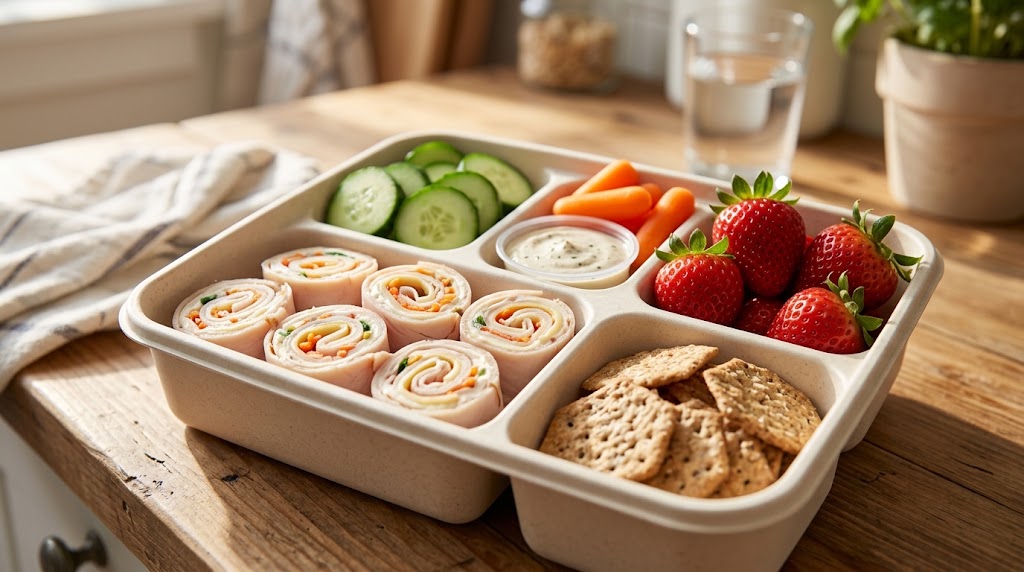
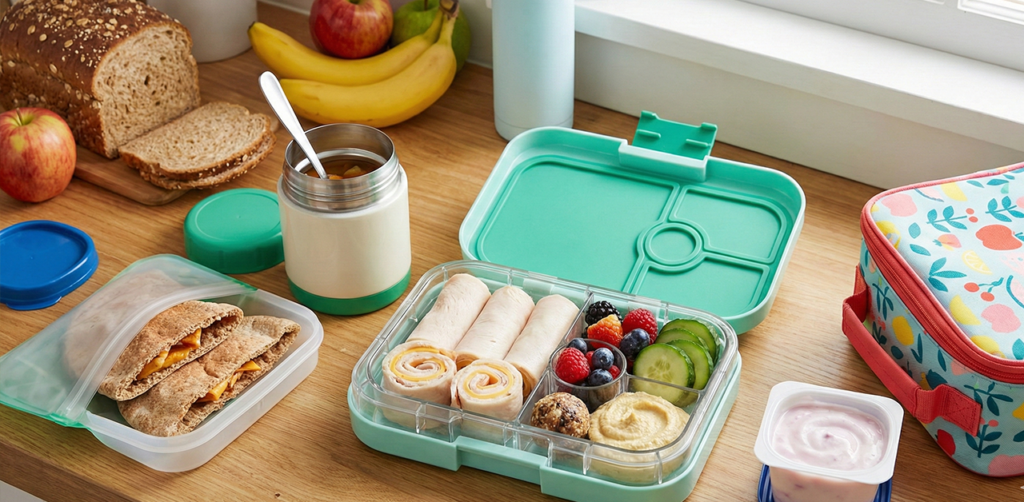
Bento-style lunches have exploded in popularity, and for good reason—these compartmentalized meals offer incredible versatility and visual appeal that makes healthy lunch ideas for kids genuinely exciting. The beauty of bento boxes lies in their ability to present multiple small portions of different foods, which is perfect for kids who prefer variety or have shorter attention spans at lunchtime. You can include a protein, whole grain, multiple fruits and vegetables, and even a small treat, all without anything touching or getting soggy.
A typical bento lunch might include turkey and cheese cubes, whole grain crackers, cherry tomatoes, sliced cucumbers, strawberries, and a few dark chocolate chips for a sweet finish. The key is creating balance across all the compartments while keeping portions appropriate for your child’s age and activity level. Many parents find that kids eat more vegetables when they’re presented alongside dips like hummus, ranch made with Greek yogurt, or guacamole, so dedicating one small compartment to a healthy dip can pay dividends.
Planning bento lunches becomes faster once you establish a mental framework: one protein, one whole grain, two to three fruits or vegetables, and one optional fun element. This takes the guesswork out of lunch prep and ensures nutritional balance without overthinking every meal. You can prep many bento components on Sunday evening—washing and cutting vegetables, portioning crackers into small containers, and preparing hard-boiled eggs—making weekday assembly quick and painless.
Protein-Packed Bento Ideas
Protein is the foundation of satisfying, energizing meals, so focusing on diverse protein sources keeps your healthy lunch ideas for kids both nutritious and interesting. Hard-boiled eggs are incredibly versatile—send them whole for older kids, or slice them into rounds or quarters for younger children who might need help eating them. You can also make egg muffins packed with vegetables and cheese that can be eaten cold and fit perfectly into bento compartments.
String cheese or cheese cubes provide calcium along with protein, and pairing them with whole grain crackers creates a satisfying combination that most kids love. For something different, try edamame (shelled or still in pods, depending on your child’s age and dexterity), which offers plant-based protein along with fiber. Leftover grilled chicken cut into strips or cubes works beautifully in bento boxes, especially when paired with a small container of dipping sauce.
Greek yogurt is another protein powerhouse that fits perfectly into bento lunch planning, though you’ll need an insulated lunch box with an ice pack to keep it at a safe temperature. Choose plain Greek yogurt and let your child add their own toppings like granola, berries, or a drizzle of honey, which gives them some autonomy while ensuring they’re getting quality nutrition. Mini meatballs made with lean ground turkey or beef can be made in large batches and frozen, then added to lunches as needed—they’re protein-rich, flavorful, and fun to eat.
Thermos Lunches for Warm, Comforting Options
When temperatures drop or your child simply craves something warm and comforting, thermos lunches expand your repertoire of healthy lunch ideas for kids dramatically. A quality insulated thermos keeps foods hot for hours, allowing you to send soups, stews, pasta dishes, and more. The key is preheating the thermos by filling it with boiling water for five minutes before dumping it out and adding the piping hot food—this ensures the meal stays warm until lunchtime.
Homemade chicken noodle soup packed with vegetables and whole grain pasta provides comfort food that’s genuinely nutritious, unlike most canned varieties loaded with sodium. Similarly, chili made with lean ground turkey or beef, beans, and tomatoes offers protein, fiber, and complex carbohydrates in one convenient container. For a vegetarian option, try lentil soup enriched with carrots, celery, and spinach—lentils are nutritional powerhouses packed with protein, iron, and fiber that growing kids need.
Don’t limit yourself to traditional soups when thinking about thermos meals. Mac and cheese made with whole grain pasta and real cheese (perhaps with pureed butternut squash or cauliflower blended into the sauce) satisfies comfort food cravings while sneaking in vegetables. Pasta with marinara sauce and hidden vegetable purees works wonderfully, as does fried rice made with brown rice, scrambled eggs, peas, carrots, and diced chicken or tofu.
Making Thermos Lunches Safe and Practical
Food safety is paramount when sending thermos lunches, as improperly handled foods can become breeding grounds for bacteria. Always heat foods to steaming hot before placing them in a preheated thermos, and ensure your child understands they should eat their thermos lunch within four hours for maximum safety. If your child’s lunchtime is more than four hours after leaving home, consider whether a thermos lunch is the right choice that day.
Teaching your child how to safely open and eat from a thermos is important—some younger children struggle with thermos lids and might need practice at home before you send one to school. Pack a proper spoon or fork, and consider including a napkin or small towel since thermos meals can sometimes be messier than cold lunches. Some parents prefer wider-mouth thermoses that are easier for younger children to eat from and simpler to clean thoroughly.
Creative Salads That Kids Actually Enjoy
While many adults adore salads, convincing kids to embrace lettuce-based meals can feel like an uphill battle, but with the right approach, salads can become beloved healthy lunch ideas for kids. The secret lies in making salads interactive, colorful, and composed of ingredients your child actually likes rather than forcing adult-style Caesar salads on elementary schoolers. Think of salads as customizable bowls where your child has some control over combinations and proportions.
Taco salads work wonderfully because they incorporate familiar, kid-friendly flavors in a nutritious format. Send seasoned ground turkey or beef, shredded lettuce, diced tomatoes, shredded cheese, black beans, corn, and crushed whole grain tortilla chips in separate containers, allowing your child to combine everything themselves. This interactive element makes lunch more engaging while ensuring nothing gets soggy before lunchtime arrives.
Pasta salads made with whole grain pasta, colorful vegetables, cubed cheese, and a light vinaigrette dressing are filling, nutritious, and generally well-received by kids who might reject leafy green salads. Similarly, grain bowls featuring quinoa or brown rice topped with roasted chickpeas, diced vegetables, and a tahini or yogurt-based dressing provide complete nutrition in an appealing format. The key is introducing these options gradually and not forcing them—if your child rejects a salad lunch, simply try again in a few weeks with a different variation.
Breakfast-for-Lunch Options That Fuel Busy Kids
Who says breakfast foods can only be eaten in the morning? Some of the best healthy lunch ideas for kids come from the breakfast category, offering familiar flavors in an unexpected lunchtime context. Whole grain waffles or pancakes can be made on weekends, frozen, and then sent to school with a small container of nut butter or Greek yogurt for dipping, along with fresh berries on the side. This combination provides complex carbohydrates, protein, and fruit in a fun, easy-to-eat format.
Breakfast burritos wrapped in foil travel beautifully and can be eaten at room temperature or slightly warm if your child has access to a microwave. Fill whole wheat tortillas with scrambled eggs, black beans, cheese, and diced bell peppers for a protein-packed lunch that will keep energy levels stable throughout the afternoon. You can make these assembly-line style on Sunday evening, individually wrap them, and freeze them—just grab one in the morning and it will thaw by lunchtime.
Overnight oats or chia pudding might seem like breakfast foods, but they make excellent lunch options when paired with the right additions. Layer them with sliced bananas, berries, a sprinkle of granola, and a dollop of nut butter for a complete meal that offers sustained energy. Egg muffins packed with vegetables and cheese are endlessly versatile, can be made in advance, and provide quality protein that supports your child’s active lifestyle and growing body.
Smoothies and Smoothie Bowls for Lunch
Smoothies offer an excellent way to pack tremendous nutrition into a portable, kid-friendly format, though they work best when you can include protein and healthy fats to make them genuinely filling rather than just fruity sugar bombs. A well-balanced smoothie might include frozen berries, a banana, Greek yogurt or protein powder, spinach (which disappears in berry smoothies), nut butter or avocado for healthy fats, and milk or a dairy alternative for liquid.
Send smoothies in a thermos-style container with a wide straw, and include an ice pack to keep everything cold and food-safe. For even more substance, consider smoothie bowls sent in a regular container—these are thicker smoothies eaten with a spoon and topped with granola, fresh fruit, coconut flakes, chia seeds, or other nutritious toppings. The texture difference and interactive eating experience often appeals to kids who find drinking smoothies too fast or unsatisfying.
Snack-Style Lunches for Grazing Personalities
Some kids simply aren’t big lunch eaters or prefer to graze on smaller portions throughout their lunch period rather than tackling a complete meal. For these children, snack-style lunches might be among the most effective healthy lunch ideas for kids, ensuring they actually eat what you pack instead of bringing home a full lunchbox. These lunches consist of several small, nutritious items that together form a balanced meal, even if no single item constitutes a “main dish.”
A typical snack lunch might include whole grain crackers with cheese slices, apple slices with nut butter, baby carrots with hummus, a hard-boiled egg, and a few homemade cookies made with oats and mashed banana. The variety keeps things interesting, and kids who get overwhelmed by large portions or mixed-together foods often thrive with this approach. The key is ensuring that across all the small items, you’re hitting all the nutritional bases—protein, complex carbohydrates, healthy fats, and fruits or vegetables.
Timing matters with snack-style lunches because you want to ensure your child isn’t filling up on just the crackers and cookies while leaving the vegetables untouched. Some parents find success by packing “eat this first” items in one section and treats in another, with clear instructions about eating order. Others trust their children to self-regulate, knowing that consistent exposure to vegetables and nutritious options gradually shapes preferences over time.
Getting Kids Involved in Lunch Planning and Preparation
One of the most effective strategies for ensuring your healthy lunch ideas for kids actually get eaten is involving your children in the planning and preparation process. When kids have ownership over their lunches, they’re significantly more likely to eat what’s packed and less likely to complain about the contents. Start by sitting down together on weekends to plan the week’s lunches, giving your child choices between nutritious options you’ve pre-approved.
You might offer choices like “Would you prefer turkey sandwiches or pasta salad on Monday?” or “Should we pack strawberries or grapes this week?” This bounded choice approach means you maintain control over nutritional quality while your child feels empowered and heard. As children get older, they can take on more responsibility—younger kids can wash produce and arrange items in lunchboxes, while older children and teens can eventually pack their own lunches with your guidance.
Teaching lunch-packing skills builds independence and life competencies that serve kids well into adulthood, so view this as an investment in their future health and self-sufficiency. Show them how to balance meals, read nutrition labels, estimate appropriate portions, and practice food safety. These lessons connect directly to the broader values you’re trying to instill around health, fitness, and taking care of their bodies—concepts you probably emphasize in other areas of their lives already.
Creating a Weekly Lunch Station
Streamline the lunch-packing process by creating a dedicated lunch station in your kitchen with easy-to-grab healthy options. Designate one refrigerator shelf for lunch items like pre-washed vegetables, portioned fruits, cheese sticks, and other ready-to-pack foods. Similarly, keep a cabinet or pantry section stocked with whole grain crackers, nut butters, dried fruits, and other non-perishable lunch staples.
This organization system makes morning lunch prep exponentially faster while also enabling older children to participate more fully in packing their own lunches. When healthy options are visible and accessible, they’re more likely to be chosen over less nutritious alternatives. Consider using clear containers so everyone can quickly see what’s available, and involve your kids in restocking and organizing this station so they develop awareness of what goes into maintaining a well-stocked, healthy kitchen.
Addressing Common Lunch Challenges
Even with the best healthy lunch ideas for kids at your disposal, you’ll inevitably encounter challenges that require creative problem-solving. Picky eating tops the list of parental concerns, and while there’s no magic solution, consistent exposure without pressure yields results over time. Continue offering vegetables and other nutritious foods even when they’re rejected, and celebrate small victories like your child trying a single bite or not complaining about the healthy options included.
Food trades and lunch-swapping at school can undermine your efforts if your child is consistently trading their healthy lunch for less nutritious options from classmates. Talk with your child about why you pack the foods you do, connecting it to their performance in sports, school, and activities they care about. Help them understand that the fuel they put in their bodies directly impacts their energy, focus, and athletic performance—concepts that resonate especially well with kids involved in sports or physical activities.
Limited lunch eating times present another challenge, as many schools provide shockingly brief lunch periods that don’t allow children adequate time to eat properly. If you know your child has only fifteen or twenty minutes for lunch, pack foods that are quick and easy to eat—save the difficult-to-open containers and foods requiring utensils for days when more time is available. Additionally, ensure your child has a substantial after-school snack waiting since they likely didn’t finish lunch.
Working Within School Restrictions
Navigating school food policies requires flexibility, especially if your child attends a nut-free school or has classmates with severe allergies. While nut butters are incredibly nutritious and convenient, plenty of alternatives exist—sunflower seed butter provides similar nutrition and spreadability without allergy concerns. Similarly, soy nut butter or hummus can fill the protein-rich spread niche in nut-free environments.
Some schools have implemented additional restrictions around candy, chips, and sugary drinks, which generally makes packing healthy lunch ideas for kids easier since you don’t face peer pressure scenarios where your child’s nutritious lunch seems boring compared to classmates’ junk food-filled boxes. Familiarize yourself with your specific school’s policies and work within them rather than against them—the restrictions usually exist for good reasons and can actually support your family’s health goals.
Budget-Friendly Strategies for Healthy Lunches
Creating nutritious lunches doesn’t require breaking the bank, though it does require strategic shopping and meal planning. Buying in bulk when possible saves tremendous money over time—large containers of Greek yogurt, whole grain crackers, and frozen fruits and vegetables cost significantly less per serving than individual portions. You can portion bulk items into reusable containers yourself, which also reduces packaging waste and environmental impact.
Shopping seasonally for produce means you’re buying fruits and vegetables at peak availability when prices are lowest and nutrition is highest. Frozen vegetables and fruits are equally nutritious as fresh and often more budget-friendly, especially for items like berries that can be prohibitively expensive fresh. Don’t overlook canned beans, which are inexpensive protein powerhouses perfect for adding to salads, wraps, or sending with crackers and vegetables as part of a bento lunch.
Reducing food waste stretches your grocery budget while modeling important values for your children. Use leftover dinner proteins and vegetables in next-day lunches, and get creative with odds and ends that might otherwise get tossed. That half serving of rice and few pieces of roasted chicken become fried rice; leftover roasted vegetables transform into a grain bowl or wrap filling. This approach not only saves money but also reduces the mental load of constantly creating brand new lunch ideas from scratch.
Prep Strategies That Save Time and Sanity
The difference between lunch-packing feeling overwhelming versus manageable often comes down to preparation strategies that frontload effort when you have time available. Weekend meal prep sessions where you wash and chop vegetables, cook proteins, prepare hard-boiled eggs.