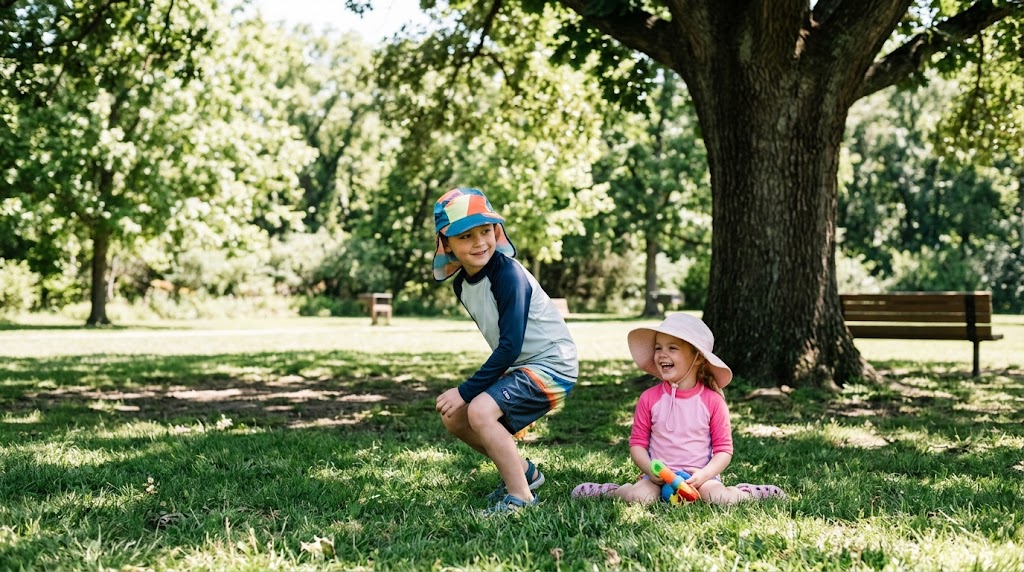
Getting your children active outdoors is one of the best gifts you can give them as a parent. Fresh air, natural vitamin D from sunshine, and the freedom to run, jump, and explore create memories that last a lifetime while building healthy habits for their future. However, with the excitement of outdoor activities comes the responsibility of keeping your little ones safe from potential hazards. Whether your kids are riding bikes around the neighborhood, playing soccer at the local park, or joining you for a family hike, understanding and implementing outdoor exercise safety tips for kids can make the difference between a fun adventure and a trip to the emergency room.
As busy parents trying to juggle work, household responsibilities, and your own fitness goals, it’s easy to overlook certain safety considerations when encouraging your children to be active outside. You might be focused on getting that morning run in before work or squeezing in a quick workout while your kids play nearby. But taking a few extra minutes to prepare and educate your children about outdoor safety can prevent injuries, build their confidence, and give you peace of mind as they develop their athletic abilities and love for physical activity.
Understanding Age-Appropriate Outdoor Activities
Before diving into specific safety measures, you need to recognize that not all outdoor exercises are suitable for every age group. Your toddler shouldn’t be attempting the same hiking trails as your teenager, and your elementary-aged child might not have the coordination yet for certain sports. Understanding developmental stages helps you set realistic expectations and choose activities that challenge your children without putting them at unnecessary risk.
Preschool-aged children (3-5 years old) are still developing basic motor skills and have limited attention spans. They’re perfect for simple activities like playing tag, dancing to music in the backyard, or riding tricycles on flat, enclosed surfaces. At this age, constant supervision is non-negotiable, as their impulse control is still developing and they can’t fully assess danger.
Elementary-aged kids (6-12 years old) have better coordination, stronger muscles, and improved decision-making abilities. They can handle more complex activities like organized sports, bicycle riding on designated paths, swimming with supervision, and moderate hiking trails. This is an excellent time to introduce them to various outdoor exercises to help them discover their interests and talents.
Teenagers (13+ years old) have the physical capabilities and mental maturity for most outdoor activities, though they still benefit from guidance and safety reminders. They can participate in competitive sports, longer-distance running or cycling, rock climbing with proper equipment, and more challenging adventure activities. The key challenge at this age is often their tendency toward overconfidence and risk-taking behavior, which requires open communication about safety boundaries.
Essential Gear and Equipment Safety
One of the most critical aspects of outdoor exercise safety tips for kids involves proper equipment selection and maintenance. You wouldn’t run a marathon in flip-flops, and your children shouldn’t engage in outdoor activities without the right gear either. Investing in quality, age-appropriate equipment protects your kids from preventable injuries and helps them perform better in their chosen activities.
Helmets are absolutely non-negotiable for any activity involving wheels or potential head impact. This includes biking, skateboarding, rollerblading, scootering, and certain sports like baseball or lacrosse. Make sure the helmet fits properly—it should sit level on the head, not tilted back, and the straps should form a “V” shape under the ears. The helmet should be snug enough that it doesn’t move when your child shakes their head. Replace helmets after any significant impact, even if there’s no visible damage, as the protective foam can compress and lose effectiveness.
Footwear deserves special attention because the wrong shoes can lead to everything from blisters to serious ankle injuries. Athletic shoes should provide adequate support for the specific activity—running shoes for jogging, cleats for field sports, and sturdy hiking boots for trail walking. Check that shoes fit properly with about a thumb’s width of space between the longest toe and the shoe’s end. Kids’ feet grow quickly, so reassess shoe fit every few months and watch for signs of discomfort or blisters that might indicate it’s time for a new pair.
Protective padding for elbows, knees, and wrists should be standard equipment for activities like skateboarding, rollerblading, or biking on challenging terrain. Many kids resist wearing padding because they think it looks uncool, but you can help change this mindset by explaining how professional athletes wear protective gear and by letting them choose designs or colors they like. Making safety gear feel like part of their athletic identity rather than a punishment increases compliance significantly.
Maintaining and Inspecting Equipment Regularly
Even the best equipment won’t protect your children if it’s damaged or worn out. Establish a routine of checking bikes, scooters, and sports equipment before each use. Look for loose bolts, worn brake pads, cracked helmets, or frayed straps. Teach older children to perform these checks themselves as part of developing responsibility for their own safety.
Storage matters more than many parents realize. Equipment left outside deteriorates faster from weather exposure, and items stored in cluttered piles can develop hidden damage. Create a designated storage area in your garage or shed where everything has its place. This not only extends equipment life but also makes it easier to spot when something needs repair or replacement.
Weather Considerations and Environmental Hazards
Mother Nature doesn’t always cooperate with your family’s outdoor exercise plans, and understanding how to work with—or around—various weather conditions is crucial for safety. Temperature extremes, precipitation, and seasonal challenges all require different approaches to keep your kids safe while remaining active outdoors.
Hot weather precautions become essential during summer months when heat-related illnesses can develop quickly in children. Kids don’t regulate body temperature as efficiently as adults, making them more susceptible to heat exhaustion and heat stroke. Schedule outdoor activities for early morning or evening hours when temperatures are cooler, and avoid the midday sun between 10 AM and 4 PM when UV rays are strongest. Dress your children in light-colored, loose-fitting, moisture-wicking fabrics that allow sweat to evaporate. Apply broad-spectrum sunscreen with at least SPF 30 about 15-20 minutes before going outside, and reapply every two hours or after swimming or heavy sweating.
Hydration in hot weather deserves its own emphasis because dehydration can sneak up quickly during active play. Your kids should drink water before, during, and after outdoor exercise—not just when they feel thirsty, as thirst indicates dehydration has already begun. A good rule of thumb is having children drink about 5 ounces (or half a cup) every 20 minutes during activity. For exercise lasting longer than an hour, consider beverages with electrolytes to replace minerals lost through sweat. Watch for warning signs of heat illness including excessive fatigue, dizziness, nausea, confusion, or lack of sweating despite heat.
Cold weather requires a different set of outdoor exercise safety tips for kids but shouldn’t stop outdoor activity entirely. Layering clothing helps regulate body temperature—start with a moisture-wicking base layer, add an insulating middle layer, and finish with a wind and water-resistant outer layer. Don’t forget hats, gloves, and warm socks, as kids lose significant body heat through their extremities. Watch for signs of hypothermia or frostbite, including shivering, slurred speech, numbness, or skin that appears pale or waxy.
Checking Weather Forecasts and Air Quality
Before heading out for outdoor exercise, take a moment to check not just the temperature but also weather alerts, air quality indices, and pollen counts if your children have allergies. Many smartphone apps provide comprehensive information that helps you make informed decisions about outdoor activities.
Lightning poses a serious threat that many families underestimate. If you can hear thunder, you’re close enough to be struck by lightning. The 30-30 rule provides good guidance: if the time between seeing lightning and hearing thunder is 30 seconds or less, seek shelter immediately and wait at least 30 minutes after the last thunder before resuming outdoor activities. Avoid seeking shelter under trees or in open structures like picnic pavilions—enclosed buildings or hard-topped vehicles provide the safest protection.
Hydration and Nutrition for Active Kids
Fueling your children’s bodies properly before, during, and after outdoor exercise significantly impacts both their performance and safety. Active kids have higher calorie and fluid needs than sedentary ones, and meeting these requirements helps prevent fatigue-related accidents and supports healthy growth and development.
Water is the foundation of proper hydration, but many kids don’t drink enough throughout the day even before adding exercise into the equation. Start building good hydration habits at home by making water easily accessible and modeling good drinking habits yourself. Before outdoor activities, encourage your children to drink a glass or two of water—about 8-16 ounces depending on their size. This preloading helps them start exercise well-hydrated rather than trying to catch up later.
During prolonged outdoor activities lasting more than an hour, your kids need more than just water. They’re losing electrolytes through sweat, particularly sodium and potassium, which need replenishment for proper muscle and nerve function. While sports drinks work for this purpose, watch the sugar content, as many contain more than necessary. You can also provide natural alternatives like watermelon, bananas, or homemade smoothies that offer both hydration and electrolytes without excessive added sugars.
Pre-exercise nutrition gives your kids the energy they need for safe, enjoyable activity. A light snack combining carbohydrates and a small amount of protein about 30-60 minutes before exercise works well—think half a peanut butter sandwich, yogurt with fruit, or whole-grain crackers with cheese. Avoid heavy, high-fat meals immediately before exercise as these can cause digestive discomfort and sluggishness.
Post-Exercise Recovery Nutrition
What your children eat after outdoor exercise matters just as much as pre-activity fueling. Their muscles need to replenish glycogen stores and repair tissue damage from exertion. Within 30-60 minutes after finishing exercise, offer a snack or meal containing both carbohydrates and protein. Chocolate milk has become popular among young athletes because it provides an ideal ratio of carbs to protein, plus it tastes good enough that kids actually want to drink it.
Don’t forget that appetite suppression is common immediately after vigorous exercise, especially in hot weather. Your kids might insist they’re not hungry even though their bodies need fuel. Offer appealing, easy-to-eat options like smoothies, fruit, or small portions that don’t seem overwhelming. As their bodies cool down and they rehydrate, appetite typically returns, making a more substantial meal easier to consume.
Supervision and Communication Strategies
Even with perfect equipment and environmental conditions, outdoor exercise safety tips for kids fall short without appropriate supervision and open communication. The level of supervision your children need varies with their age, maturity, and the activity’s inherent risks, but completely hands-off parenting during outdoor exercise isn’t appropriate at any age.
Direct supervision means you’re physically present and actively watching your children during their outdoor activities. This level is essential for young children, kids trying new activities, and any situation with significant risks like swimming, climbing, or activities near roads. Being present doesn’t mean hovering or micromanaging every movement—kids need some freedom to explore and take age-appropriate risks—but you should be close enough to intervene quickly if needed.
As children mature and demonstrate responsible behavior, you can transition to indirect supervision where you’re nearby but not constantly watching. You might be preparing dinner while glancing out the window at kids playing in the fenced backyard, or sitting at a park bench reading while your older children play on the playground within sight. This approach gives kids more independence while maintaining a safety net.
Establishing clear boundaries and rules creates a framework for safe outdoor exercise. Your children should understand where they’re allowed to go, what activities are permitted, and what to do in various situations. These conversations work best when framed as collaborative rather than dictatorial—involve kids in setting reasonable boundaries and explaining the reasons behind rules. When children understand the “why,” they’re more likely to follow guidelines even when you’re not watching.
Teaching Emergency Procedures and Contact Information
Every child engaged in outdoor activities should know basic emergency procedures appropriate to their age. Even young children can learn to identify trusted adults who can help if needed, while older kids should know how to call 911, provide their location, and describe an emergency. Practice these skills through role-playing scenarios to build confidence and muscle memory that kicks in during actual emergencies.
Make sure your children carry identification and emergency contact information, especially when participating in activities beyond your immediate supervision. For young kids who might lose cards or papers, consider safety tattoos with your phone number or ID bracelets. Older children and teens should have cell phones with emergency contacts programmed in, but also teach them that helping an injured person takes priority over worrying about getting in trouble for breaking a rule.
Traffic and Road Safety for Outdoor Activities
Many outdoor exercises take place near or on roads, making traffic awareness a critical component of keeping kids safe. Whether your children are riding bikes, running, or walking to the park, understanding how to navigate around vehicles prevents one of the most serious categories of childhood injuries.
Visibility is paramount when kids are exercising near roads. Drivers often don’t expect to see small, fast-moving children, making it essential that your kids stand out. Bright, fluorescent colors work best during daylight hours, while reflective materials are crucial for dawn, dusk, or nighttime activities. Add reflective strips to bikes, scooters, backpacks, and clothing. Blinking lights on bikes aren’t just for nighttime—they significantly increase visibility during the day too.
Teaching road rules should start early and be reinforced regularly. Children need to understand that they should always ride or run in the same direction as traffic (on the right side of the road in the United States), use designated bike lanes when available, and follow all traffic signals and signs just like vehicles do. Intersections deserve special attention—teach kids to stop completely, look left-right-left before proceeding, and make eye contact with drivers before crossing to ensure they’ve been seen.
Sidewalk safety deserves attention too, especially in areas where kids might share space with pedestrians. Cyclists and scooter riders should slow down when approaching walkers, call out or ring a bell before passing, and give plenty of space. Running kids need to watch for driveways and side streets where vehicles might pull out unexpectedly.
Creating Safe Routes for Regular Activities
If your children regularly bike or run certain routes, take time to travel these paths with them and identify potential hazards. Look for areas with heavy traffic, limited visibility, poorly maintained pavement, or missing sidewalks. Plan the safest possible routes even if they’re slightly longer, prioritizing paths with bike lanes, lower speed limits, and good sight lines.
Map out alternative routes for different weather conditions or times of day. The route that feels safe on a sunny Saturday afternoon might be poorly lit and isolated on a weekday evening. Having multiple options gives your children the flexibility to choose the safest path for current conditions.
Preventing Overuse Injuries and Recognizing Warning Signs
In our enthusiasm to help kids stay active and healthy, it’s possible to push too hard too fast, leading to overuse injuries that can sideline young athletes and create negative associations with exercise. Understanding how to build activity levels appropriately and recognize warning signs helps you find the sweet spot between challenging your children and protecting their developing bodies.
Children’s bones, muscles, and connective tissues are still growing, making them more vulnerable to certain types of injuries than adults. Growth plates—areas of developing tissue at the ends of long bones—are particularly susceptible to injury from repetitive stress. This doesn’t mean kids should avoid exercise; rather, it means you need to build activity gradually and ensure adequate rest and recovery.
The 10% rule provides a helpful guideline for increasing exercise intensity or duration: don’t increase total activity by more than 10% from one week to the next. If your daughter runs 10 miles this week, she shouldn’t exceed 11 miles next week. This gradual progression gives her body time to adapt to new demands without breaking down. The rule applies to all aspects of training—distance, speed, frequency, and intensity.
Rest days are just as important as active days for growing kids. Their bodies need time to repair and strengthen between exercise sessions. Younger children often naturally regulate their activity, playing intensely then resting as needed, but older kids—especially those in competitive sports—may need help understanding that rest isn’t laziness but a crucial component of getting stronger and better at their activities.
Common Overuse Injuries in Active Children
Familiarizing yourself with common overuse injuries helps you spot problems early when they’re easier to address. Shin splints cause pain along the front or inside of the lower leg and typically result from increasing activity too quickly or exercising on hard surfaces. Stress fractures are small cracks in bones that develop from repetitive impact and cause localized pain that worsens with activity. Tendinitis involves inflammation of tendons from repeated strain, commonly affecting the heel (Achilles tendinitis) or knee (patellar tendinitis).
Growing pains are a normal part of childhood but can be exacerbated by intense exercise. These typically cause aching in the legs, often at night, but shouldn’t interfere with daily activities or last into the next day. If pain persists, limits movement, or is associated with swelling or redness, it needs medical evaluation as it’s likely something more serious than typical growing pains.
When your child complains of pain during or after exercise, take it seriously. The old “walk it off” mentality can turn minor issues into major problems. Implementing the RICE protocol—Rest, Ice, Compression, Elevation—addresses many minor injuries, but persistent pain lasting more than a few days or pain severe enough to alter movement patterns warrants professional evaluation.
Social Safety and Stranger Danger Outdoors
While we want our children to enjoy the social aspects of outdoor exercise and feel comfortable in their communities, we also need to prepare them to stay safe around strangers and recognize potentially dangerous situations. Balancing these priorities without creating excessive fear requires thoughtful conversation and age-appropriate strategies.
Teaching children about stranger danger should focus on situations rather than instilling fear of all unfamiliar people. The concept of “tricky people” rather than “stranger danger” works better because most children who experience harm know the perpetrator. Explain that tricky people break safety rules or ask children to break them, try to get kids to go somewhere without parents’ permission, or ask children to keep secrets from their parents.
Establishing a code word with your family creates a verification system for emergencies. If someone claims they need to pick up your child on your behalf, your child knows to ask for the code word. Only share this word with people you truly trust, and change it periodically. Teach children that anyone legitimately sent by you will know the code word, and anyone who doesn’t know it shouldn’t be trusted regardless of their explanation.
Outdoor exercise often happens in public spaces, which generally increases safety through the presence of other people, but crowded areas can also provide cover for those with bad intentions. Teach children to stay in well-populated areas, avoid isolated trails or parks, and trust their instincts if a situation feels wrong. It’s always okay to run away from an uncomfortable situation or say no to an adult, even if it means being “rude”—safety trumps politeness.
Technology and Safety Awareness
For older children and teens exercising outdoors, technology offers both tools and risks. Smartphones enable kids to call for help and allow you to track their location, providing legitimate safety benefits. GPS tracking apps designed for families let you monitor your child’s location during outdoor activities without being intrusive. Establish expectations about phone use during exercise—they should keep phones charged, turned on, and accessible, but safely stored to prevent distraction-related accidents.
Social media poses particular risks when kids post about their outdoor activities in real-time. Photos and posts revealing current locations, regular exercise routes, or times when they’re away from home provide detailed information to potential predators or burglars. Teach children to share experiences after the fact rather than broadcasting their whereabouts in real-time, and review privacy settings to ensure posts are visible only to known, trusted individuals.
Teaching Kids to Assess Their Own Safety
One of the most valuable outdoor exercise safety tips for kids you can implement is teaching children to evaluate situations and make good safety decisions independently. This metacognitive approach develops critical thinking skills that serve them well beyond outdoor exercise, creating a foundation for lifelong safety awareness.
Start by modeling your own safety assessment process out loud. When you’re deciding whether conditions are safe for outdoor exercise, verbalize your thinking: “The weather app shows thunderstorms this afternoon, so let’s plan to bike this morning instead,” or “This trail looks muddy and slippery from yesterday’s rain, so let’s choose the paved path today.” Hearing your decision-making process teaches children the factors to consider and how to weigh different risks.
Ask questions that prompt children to think about safety rather than immediately providing answers. Instead of saying “Put your helmet on,” try “What safety equipment do you need before you ride your bike?” This approach takes more time initially but builds neural pathways that help children internalize safety protocols rather than just following external rules.
Create scenarios for discussion during family time, turning safety education into an engaging game rather than a lecture. “What would you do if…” questions help children practice decision-making in a low-stakes environment: “What would you do if you were riding your bike and the chain broke a mile from home?” or “What would you do if you finished your water bottle during a run and still felt really thirsty?” Discuss their answers without judgment, guiding them toward better solutions when needed.
Give us a call today at 1-877-777-6086 or fill out our contact form to become a retail
distributor of our top-of-the-line safety lights.