As a busy parent juggling work, fitness routines, and family responsibilities, you understand the constant challenge of keeping your children properly fueled throughout the day. Between school, sports practices, playdates, and homework sessions, kids need consistent energy to maintain their focus, growth, and activity levels. The secret to managing this nutritional juggling act lies in having a repertoire of nutritious snacks for children that you can prepare quickly without sacrificing quality or health benefits.
Children’s metabolisms work differently than adults—they burn through energy faster and need more frequent refueling to support their rapid growth and development. While it’s tempting to reach for packaged convenience foods when hunger strikes between meals, these options often leave kids experiencing energy crashes and don’t provide the essential nutrients their developing bodies desperately need. Creating a sustainable approach to healthy snacking doesn’t require culinary expertise or hours in the kitchen; it simply demands understanding what makes a snack truly nutritious and having practical strategies for implementation.
Understanding What Makes Snacks Truly Nutritious
Before diving into specific snack ideas, you need to understand the fundamental components that transform ordinary foods into nutritious snacks for children. The best snacks combine macronutrients—proteins, healthy fats, and complex carbohydrates—to provide sustained energy rather than quick spikes followed by crashes. Protein supports muscle development and keeps children feeling satisfied longer, while healthy fats aid brain development and help absorb fat-soluble vitamins. Complex carbohydrates provide the steady glucose supply that growing brains and bodies require for optimal function.
Beyond macronutrients, truly nutritious snacks for children should contain micronutrients like vitamins, minerals, and antioxidants that support immune function, bone health, and overall development. You’ll want to prioritize whole foods over processed alternatives whenever possible, as these contain fiber, which aids digestion and promotes feelings of fullness. The ideal snack provides approximately 150-200 calories for younger children and 200-300 calories for older kids and teenagers, though these numbers can vary based on activity levels and individual needs.
Timing Your Children’s Snacks Strategically
Understanding when to offer nutritious snacks for children is just as important as knowing what to serve. Most children benefit from eating every three to four hours to maintain stable blood sugar levels and consistent energy. If your child eats breakfast at 7 AM, they’ll likely need a mid-morning snack around 10 AM, especially if lunch isn’t until noon or later. After-school snacks become crucial for kids involved in sports or extracurricular activities, providing the fuel needed for physical and mental performance.
You should aim to offer snacks at least one to two hours before main meals to avoid suppressing appetite for more substantial nutrition. However, if your child has sports practice or games, they may need a small snack 30-60 minutes beforehand for quick energy. Pay attention to your individual child’s hunger cues and activity patterns—some kids may thrive on three snacks daily, while others need only one or two depending on meal sizes and metabolic rates.
Protein-Powered Snack Options
Protein-rich nutritious snacks for children help build and repair tissues, support immune function, and keep hunger at bay between meals. Greek yogurt stands as one of the most versatile protein options, containing roughly twice the protein of regular yogurt. You can serve it plain with a drizzle of honey and fresh berries, or mix in a spoonful of natural peanut butter and a sprinkle of granola for added texture and nutrition. For children with dairy sensitivities, plant-based yogurt alternatives made from soy or coconut offer comparable benefits when you choose fortified varieties.
Hard-boiled eggs represent another protein powerhouse that you can prepare in advance and store in the refrigerator for up to one week. Your children might enjoy them plain with a sprinkle of salt, sliced and placed on whole-grain crackers, or mashed with a small amount of avocado for a nutrient-dense egg salad. Eggs provide all nine essential amino acids along with vitamins D and B12, making them genuinely complete nutritious snacks for children who need optimal growth support.
Quick protein snack ideas you can prepare in minutes:
- String cheese paired with apple slices or whole-grain crackers
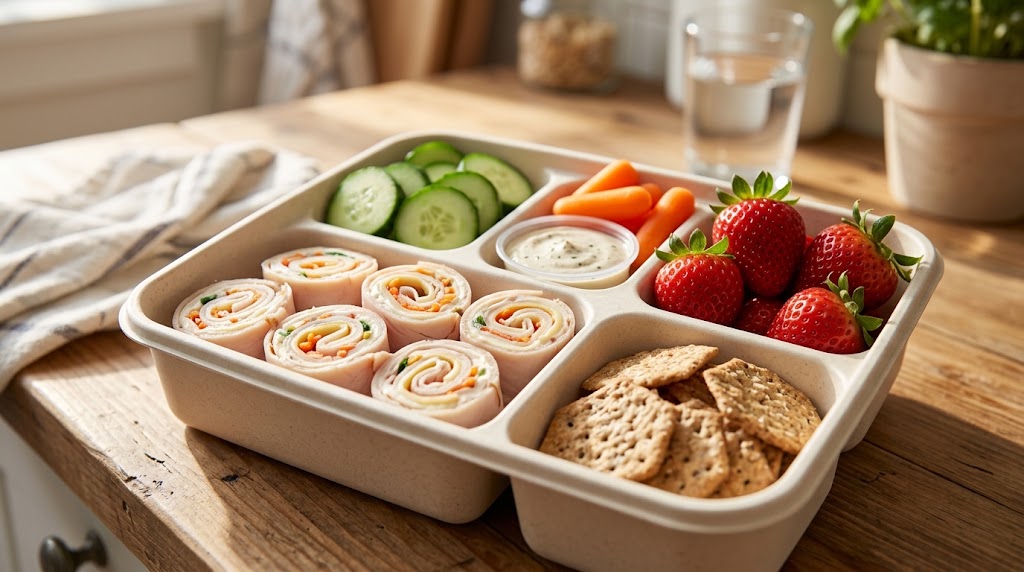
- Turkey or chicken roll-ups with cream cheese and cucumber strips
- Cottage cheese topped with pineapple chunks or cherry tomatoes
- Edamame lightly salted and served warm or cold
- Tuna or chicken salad on cucumber rounds
- Mini meatballs made from lean ground turkey or beef
- Protein smoothies blended with Greek yogurt, fruit, and spinach
Nut and Seed Butter Combinations
Nut and seed butters deliver protein alongside healthy fats that support brain development and provide lasting energy for active children. Almond butter, peanut butter, cashew butter, and sunflower seed butter (a great alternative for nut-free environments) all qualify as excellent nutritious snacks for children when paired thoughtfully with other foods. Spread any of these on whole-grain toast, rice cakes, or celery sticks for a satisfying combination that balances multiple macronutrients.
You can also create homemade energy balls by combining nut butter with oats, ground flaxseed, mini chocolate chips, and a touch of honey—roll into bite-sized portions that kids can grab on busy mornings or after school. These no-bake treats store well in the refrigerator for up to two weeks, providing you with ready-made nutritious snacks for children whenever hunger strikes. For added nutrition, consider incorporating dried fruit, unsweetened coconut, or chia seeds into your energy ball recipes to boost fiber and micronutrient content.
Fruit-Based Snacking Solutions
Fresh fruit provides natural sweetness along with essential vitamins, minerals, fiber, and antioxidants that support your children’s immune systems and overall health. While fruit alone makes a decent snack, pairing it with protein or healthy fat transforms it into more balanced nutritious snacks for children that provide sustained energy. Apple slices with almond butter, banana rounds with peanut butter, or strawberries dipped in Greek yogurt all exemplify this balanced approach to fruit snacking.
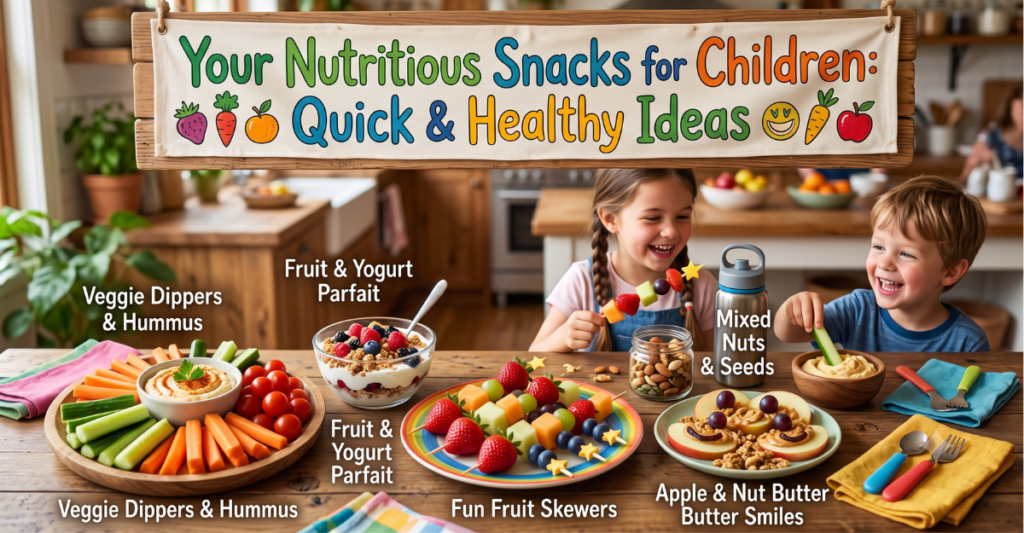
Berries deserve special mention among fruit options because they contain particularly high levels of antioxidants while being lower in sugar than many other fruits. Blueberries, raspberries, blackberries, and strawberries can be served fresh, frozen (which kids often enjoy as a cold treat), or blended into smoothies. You might create a simple fruit parfait by layering berries with Greek yogurt and a sprinkle of granola, giving your children nutritious snacks for children that feel special enough for dessert yet deliver genuine nutritional benefits.
Creative Ways to Serve Fruit
Presentation matters when encouraging children to choose healthy options, so get creative with how you serve fruit-based nutritious snacks for children. Use cookie cutters to transform melon, pineapple, or even thick apple slices into fun shapes that appeal to younger kids. Create rainbow fruit kabobs by threading different colored fruits onto skewers, making eating healthy feel like an adventure rather than a chore. Some children who resist eating fruit in its whole form will enthusiastically consume frozen fruit pops made by pureeing fruit with a small amount of juice or yogurt and freezing in popsicle molds.
Dried fruit offers convenience for packed lunches and on-the-go situations, though you should choose varieties without added sugar and be mindful of portion sizes since the concentrated sugars can be hard on teeth and digestion. Pairing dried fruit with nuts or seeds creates a homemade trail mix that provides balanced nutrition in a portable package. You can customize these mixes based on your children’s preferences and any dietary restrictions, making them truly personalized nutritious snacks for children in your household.
Vegetable-Centric Snack Ideas
Getting children to enthusiastically consume vegetables often ranks among parents’ greatest challenges, but incorporating them as nutritious snacks for children throughout the day helps normalize their presence in your family’s diet. Raw vegetables with dip frequently appeal to kids who enjoy the crunch and interactive nature of dunking foods. Carrot sticks, bell pepper strips, cucumber rounds, cherry tomatoes, and sugar snap peas all work wonderfully with hummus, ranch dressing (choose Greek yogurt-based versions for added protein), guacamole, or tzatziki sauce.
Roasted vegetables offer a different flavor profile that some children prefer over raw options—the roasting process brings out natural sweetness while creating appealing crispy edges. Roasted chickpeas seasoned with various spices provide both vegetables and protein in one crunchy snack that rivals chips in texture. You can prepare large batches of roasted vegetable chips from sweet potatoes, beets, or zucchini to have ready-made nutritious snacks for children that satisfy cravings for salty, crispy foods without the empty calories of traditional chips.
Veggie snack preparation tips for busy schedules:
- Wash and cut vegetables immediately after grocery shopping so they’re grab-and-go ready
- Store cut vegetables in clear containers at eye level in the refrigerator
- Make large batches of vegetable-based dips on weekends for the week ahead
- Keep frozen vegetable options like edamame or peas for zero-prep situations
- Involve children in vegetable selection and preparation to increase acceptance
- Roast vegetables in bulk and reheat as needed throughout the week
Vegetable-Based Baked Goods
Sneaking vegetables into baked goods creates nutritious snacks for children that even picky eaters will accept enthusiastically. Zucchini bread, carrot muffins, sweet potato brownies, and pumpkin oat bars all incorporate vegetables while tasting like treats rather than health food. You can reduce sugar in most recipes by one-third to one-half without significantly impacting taste, especially when using naturally sweet vegetables like carrots or sweet potatoes. Adding whole wheat flour or oat flour increases fiber content while contributing to more complex flavors and textures.
These vegetable-enhanced baked goods freeze exceptionally well, allowing you to dedicate one afternoon to baking and then have nutritious snacks for children available for weeks. Simply wrap individual portions in plastic wrap or parchment paper, store in freezer bags, and pull out as needed—they’ll thaw in lunch boxes by snack time or can be quickly warmed in the microwave. This approach transforms baking from a time-consuming daily task into an efficient batch-cooking strategy that serves your family’s needs over extended periods.
Whole Grain Options That Kids Actually Enjoy
Whole grains provide complex carbohydrates, fiber, B vitamins, and minerals that support your children’s energy needs and digestive health. Unlike refined grains that spike blood sugar quickly, whole grains release glucose gradually, helping maintain stable moods and concentration throughout the day. When selecting nutritious snacks for children, look for products listing whole grains as the first ingredient and containing at least three grams of fiber per serving.
Whole-grain crackers paired with cheese create a classic combination that balances carbohydrates with protein and fat for sustained energy. Air-popped popcorn seasoned with a small amount of butter and salt or creative toppings like parmesan cheese or cinnamon provides whole grains in a fun format that kids love. Whole-grain English muffin pizzas topped with tomato sauce, mozzarella cheese, and vegetable toppings transform snack time into an interactive activity while delivering genuinely nutritious snacks for children who might otherwise request less healthy alternatives.
Homemade Whole Grain Snack Recipes
Creating your own whole grain nutritious snacks for children allows you to control ingredients and avoid the excessive sodium, sugar, and additives common in processed snacks. Homemade granola bars made with rolled oats, honey or maple syrup, nut butter, and mix-ins like dried fruit, dark chocolate chips, or seeds can be customized to your family’s preferences. Press the mixture into a pan, bake until golden, and cut into bars for grab-and-go convenience that rivals store-bought options in portability while surpassing them in nutrition.
Overnight oats prepared in individual jars create ready-made nutritious snacks for children that require zero morning effort. Simply combine rolled oats with milk or a milk alternative, a spoonful of Greek yogurt, chia seeds, and your children’s favorite mix-ins like berries, sliced banana, or a swirl of nut butter. Refrigerate overnight, and by morning you have creamy, delicious portions that can be eaten cold or warmed briefly in the microwave. This approach works equally well for after-school snacks, particularly for children involved in sports who need substantial nutrition before practice.
Dairy and Dairy-Alternative Snacks
Dairy products provide calcium, vitamin D, and protein essential for building strong bones and supporting growth during childhood. String cheese, yogurt tubes, cottage cheese, and milk itself all qualify as convenient nutritious snacks for children that require minimal preparation. For children with lactose intolerance or dairy allergies, fortified plant-based alternatives made from soy, almond, oat, or coconut can provide similar nutritional benefits when you choose varieties with added calcium and vitamin D.
Smoothies represent one of the most versatile dairy-based nutritious snacks for children because you can blend virtually any combination of ingredients to create flavors your kids will love. Start with a dairy or dairy-alternative base, add frozen fruit for thickness and natural sweetness, include a handful of spinach or other greens (which disappear in terms of taste), and consider additions like ground flaxseed, chia seeds, or a scoop of protein powder for enhanced nutrition. Your children can help choose ingredients and operate the blender, making smoothie preparation an engaging activity rather than just another feeding task on your already full schedule.
Calcium-rich snack combinations:
- Yogurt parfaits layered with granola and fresh berries
- Cheese cubes arranged with whole-grain crackers and grapes
- Cottage cheese mixed with diced peaches or pineapple
- Fortified plant-based milk served with whole-grain cereal
- Frozen yogurt bark made with Greek yogurt and fruit toppings
- Ricotta cheese mixed with honey and spread on whole-grain toast
Smart Strategies for Picky Eaters
If your children resist healthy options, you’re not alone—many parents struggle to provide nutritious snacks for children who seem programmed to reject anything remotely healthy. Research shows that children often need exposure to new foods ten to fifteen times before accepting them, so persistence matters more than perfection. Serve small portions of new snacks alongside familiar favorites to reduce pressure while creating opportunities for exploration without waste.
Involving children in snack selection and preparation significantly increases their willingness to try nutritious snacks for children they might otherwise reject. Take them grocery shopping and let them choose a new fruit or vegetable to try each week. Allow them to assemble their own snack plates with various options you’ve prepared, giving them autonomy within healthy boundaries. When children feel they have control over their food choices rather than having nutrition forced upon them, they’re more likely to develop positive relationships with healthy eating that extend beyond childhood.
Making Healthy Snacks Visually Appealing
Presentation transforms ordinary nutritious snacks for children into exciting treats that kids request repeatedly. Use colorful plates or bento-style containers with separate compartments to make snacks look special. Create faces or designs using various food items—cheese and crackers become building blocks, fruit pieces form rainbows, and vegetable sticks turn into log cabin structures. This approach requires minimal extra time but significantly impacts how children perceive and respond to healthy options.
Theme-based snacking adds another dimension of fun that encourages children to try nutritious snacks for children they might otherwise skip. Create “rainbow snacks” featuring foods in every color, “alphabet snacks” where each item starts with a different letter, or “texture snacks” including something crunchy, smooth, chewy, and crispy. These games engage children’s natural curiosity and creativity while introducing them to diverse foods in low-pressure contexts.
Preparing Snacks Efficiently for Busy Schedules
As someone balancing fitness goals, work responsibilities, and family needs, you need systems that make providing nutritious snacks for children manageable rather than overwhelming. Batch preparation becomes your greatest ally—dedicating one or two hours weekly to washing and cutting produce, portioning snacks into grab-and-go containers, and preparing items that store well transforms daily snack time from a decision-making marathon into a simple execution task.
Create a snack station in your refrigerator and pantry where nutritious snacks for children live at their eye level, making independent snacking possible for older kids while making your job easier. Stock clear containers with pre-portioned options like trail mix, cut vegetables with dip, cheese cubes, fruit portions, and whole-grain crackers. When children can see and easily access healthy options, they’re more likely to choose them independently, freeing you from constant snack preparation while building their decision-making skills around food.
Weekly snack prep checklist:
- Wash and portion all fruits for the week into individual containers
- Cut raw vegetables and prepare corresponding dips
- Hard-boil a dozen eggs for quick protein options
- Prepare one batch of homemade muffins, energy balls, or granola bars
- Portion nuts, seeds, and dried fruit into snack-sized bags
- Prep smoothie freezer packs with pre-measured ingredients
- Cook and portion items like mini meatballs or roasted chickpeas
Budget-Friendly Nutritious Snacking
Providing quality nutritious snacks for children doesn’t require an unlimited grocery budget or specialty store access. Focus on whole foods purchased in their simplest forms rather than pre-packaged convenience items, which typically cost more per serving while delivering less nutrition. Buying produce in season significantly reduces costs while ensuring peak flavor and nutrient content—strawberries in summer and apples in fall cost a fraction of their off-season prices while tasting dramatically better.
Generic or store-brand versions of staples like yogurt, cheese, oats, and nut butters typically match or exceed name-brand quality at lower prices, allowing you to provide nutritious snacks for children while managing your household budget. Buying in bulk for non-perishable items like nuts, seeds, dried fruit, and whole grains reduces per-serving costs substantially, though you’ll need to store these properly to maintain freshness. Consider splitting bulk purchases with other families if storage space or upfront costs present challenges.
Growing Your Own Snack Ingredients
Even small gardening efforts can provide fresh ingredients for nutritious snacks for children while teaching valuable lessons about food origins and patience. Cherry tomatoes, strawberries, snap peas, herbs, and lettuce all grow successfully in containers if you lack yard space, creating opportunities for kids to participate in growing food they’ll later eat. Children who help plant, water, and harvest produce show dramatically increased willingness to try vegetables and fruits they’ve grown themselves, making gardening an investment in both current and future healthy eating habits.
Window herb gardens provide fresh flavors year-round for enhancing nutritious snacks for children—basil elevates tomato and mozzarella snacks, mint adds excitement to fruit salads, and cilantro brightens vegetable-based options. These small plants require minimal care while delivering disproportionate impact on the variety and appeal of snacks you can create. The sensory experience of touching and smelling fresh herbs engages children’s interest in food beyond just taste, creating multi-dimensional relationships with healthy eating.
Portable Snacks for Active Families
When your family constantly moves between school, sports practices, and activities, you need nutritious snacks for children that travel well without refrigeration and can be eaten on the go. Individually wrapped string cheese, single-serve nut butter packets, and dried fruit all withstand several hours without cooling while providing quality nutrition. Whole fruits like apples, bananas, oranges, and grapes travel naturally in their own protective packaging, requiring no containers or utensils for consumption.
Homemade trail mix customized to your children’s preferences offers portable nutritious snacks for children that combine multiple food groups in one container. Mix nuts, seeds, whole-grain cereal, dried fruit, and a small amount of dark chocolate chips or yogurt-covered raisins for balanced nutrition that feels like a treat. Portion into reusable bags or small containers that fit easily in backpacks, gym bags, or car cup holders for convenient access whenever hunger strikes between scheduled meals.