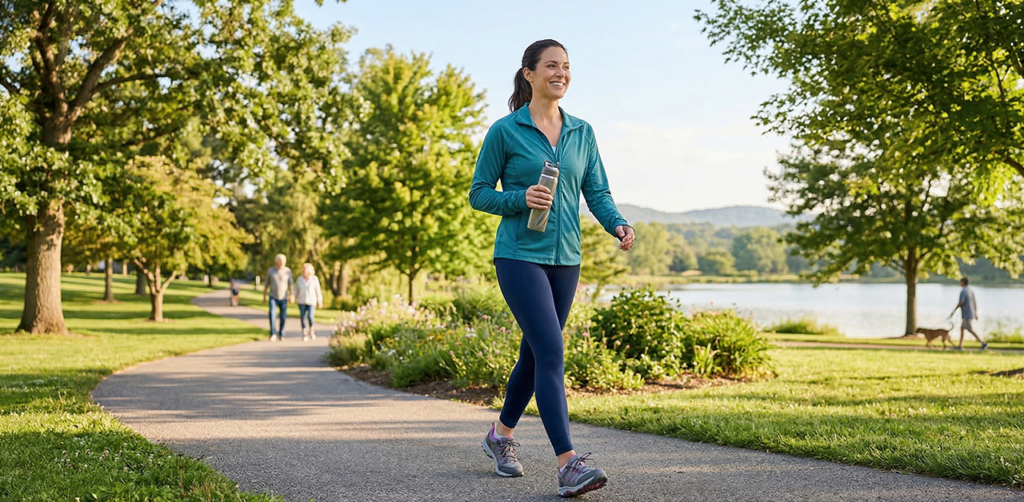
In the world of fitness, where high-intensity workouts and extreme challenges often take center stage, it’s easy to overlook the simple yet powerful benefits of walking. Walking as a low-impact exercise is not only accessible to people of all ages and fitness levels but also offers a multitude of health benefits that can significantly improve your overall well-being. Whether you’re an athlete looking for active recovery, a parent seeking a family-friendly activity, or a tradesman aiming to stay fit despite a demanding job, walking can be your go-to exercise for boosting health and maintaining fitness.
Understanding Low-Impact Exercise
Before we dive deeper into the benefits of walking, let’s clarify what we mean by low-impact exercise. Low-impact exercises are activities that put minimal stress on your joints and muscles while still providing cardiovascular benefits. These exercises are particularly beneficial for:
- People with joint issues or arthritis
- Those recovering from injuries
- Beginners starting their fitness journey
- Older adults looking to stay active
- Anyone seeking a gentler form of exercise
Walking as a low-impact exercise fits perfectly into this category, offering a safe and effective way to improve your health without putting undue stress on your body.
The Health Benefits of Walking
When it comes to boosting your health, walking packs a powerful punch. This simple activity can lead to numerous improvements in both your physical and mental well-being. Let’s explore some of the key benefits you can expect from incorporating regular walks into your routine.
Cardiovascular Health
Walking is an excellent way to strengthen your heart and improve your cardiovascular health. By engaging in regular walking sessions, you can:
- Lower your risk of heart disease and stroke
- Reduce high blood pressure
- Improve cholesterol levels
- Enhance circulation throughout your body
Even moderate-intensity walking can have a significant impact on your heart health. Aim for at least 30 minutes of brisk walking most days of the week to reap these cardiovascular benefits.
Weight Management
If you’re looking to maintain a healthy weight or shed a few pounds, walking as a low-impact exercise can be a valuable tool in your fitness arsenal. While it may not burn as many calories as high-intensity workouts, consistent walking can help you:
- Burn excess calories
- Boost your metabolism
- Build lean muscle mass
- Reduce body fat percentage
The key to using walking for weight management is consistency and gradually increasing your intensity and duration. As you become more comfortable with your walking routine, try incorporating hills, stairs, or intervals to challenge yourself further.
Mental Health and Stress Reduction
One of the often-overlooked benefits of walking is its positive impact on mental health. Taking a walk, especially in nature, can:
- Reduce stress and anxiety
- Improve mood and combat depression
- Boost creativity and problem-solving skills
- Enhance overall cognitive function
The rhythmic nature of walking, combined with the change of scenery and fresh air, can help clear your mind and provide a much-needed break from daily stressors. Many people find that walking helps them process thoughts and emotions more effectively, leading to improved mental clarity and emotional well-being.
Getting Started with Walking as a Low-Impact Exercise
Now that you understand the benefits of walking, you might be eager to lace up your shoes and hit the pavement. However, like any exercise program, it’s essential to start gradually and build up your walking routine over time. Here are some tips to help you get started:
Set Realistic Goals
Begin by setting achievable goals for your walking routine. If you’re new to exercise or coming back after a long break, start with short, manageable walks and gradually increase your distance and duration. For example, you might start with:
- 10-15 minute walks, 3 times a week
- Gradually increase to 20-30 minute walks, 4-5 times a week
- Eventually aim for 30-60 minute walks most days of the week
Remember, consistency is key. It’s better to start small and stick to your routine than to overdo it and risk burnout or injury.
Choose the Right Gear
While walking doesn’t require much equipment, having the right gear can make your experience more comfortable and enjoyable. Invest in:
- Comfortable, supportive walking shoes
- Moisture-wicking socks to prevent blisters
- Weather-appropriate clothing
- A water bottle to stay hydrated
Pro tip: Visit a specialty running or walking store to get fitted for shoes that match your foot type and walking style. This can help prevent discomfort and potential injuries down the road.
Find Your Ideal Walking Environment
One of the great things about walking as a low-impact exercise is that you can do it almost anywhere. Experiment with different environments to find what works best for you:
- Neighborhood sidewalks or quiet streets
- Local parks or nature trails
- Indoor tracks or treadmills for inclement weather
- Shopping malls for a climate-controlled option
Varying your walking routes can help keep your routine interesting and prevent boredom. Plus, exploring new areas can add an element of adventure to your walks.
Progressing Your Walking Routine
As you become more comfortable with your walking routine, you may want to challenge yourself and increase the benefits you’re getting from this low-impact exercise. Here are some ways to progress your walking workouts:
Increase Intensity
To boost the calorie-burning and cardiovascular benefits of your walks, try increasing the intensity:
- Pick up your pace for short intervals during your walk
- Incorporate hills or inclines into your route
- Use hand weights or wrist weights for added resistance
- Try Nordic walking with poles to engage your upper body
Remember to listen to your body and increase intensity gradually to avoid overexertion or injury.
Add Variety to Your Walks
Keep your walking routine fresh and engaging by incorporating different types of walks:
- Nature walks: Explore local trails or parks
- Urban exploration: Discover new neighborhoods or city landmarks
- Fitness walks: Focus on maintaining a brisk pace for cardiovascular benefits
- Social walks: Invite friends or join a walking group for companionship
Mixing up your walks can help prevent boredom and keep you motivated to stick with your routine.
Combine Walking with Other Exercises
As you build your fitness level, you might want to incorporate other exercises into your walking routine:
- Add bodyweight exercises like squats or lunges at regular intervals
- Stop at park benches for push-ups or step-ups
- Incorporate stretching or yoga poses at the end of your walk
- Try walk-run intervals as you build endurance
These additions can help create a more well-rounded workout while still maintaining the low-impact nature of walking.
Walking for Specific Populations
One of the great things about walking as a low-impact exercise is its versatility and accessibility for people of all ages and fitness levels. Let’s look at how walking can benefit specific groups:
Athletes and Active Individuals
For athletes and those who engage in regular high-intensity workouts, walking can serve as an excellent form of active recovery. It allows you to:
- Maintain cardiovascular fitness without overstraining your body
- Promote blood flow and reduce muscle soreness
- Stay active on rest days without compromising recovery
- Prevent burnout by providing a low-stress alternative to intense training
Consider incorporating leisurely walks on your rest days or as a cool-down after intense workouts to aid in recovery and maintain overall fitness.
Parents and Families
Walking is a fantastic activity for parents and families looking to stay active together. It offers:
- A chance to bond and communicate without distractions
- An opportunity to teach children about nature and the environment
- A way to model healthy habits for kids
- An accessible form of exercise that can include strollers or young walkers
Try planning family walks after dinner or on weekends, and make them fun by turning them into nature scavenger hunts or exploring new areas together.
Tradesmen and Those with Physical Jobs
For individuals whose jobs involve physical labor, walking can provide a balanced form of exercise that complements their daily activities:
- Offers a low-impact alternative to the high-impact nature of many trades
- Helps maintain cardiovascular fitness without adding strain to already-taxed muscles
- Provides an opportunity for mental relaxation after a demanding workday
- Can be easily incorporated into lunch breaks or commutes
Consider using walking as a way to wind down after work or as a gentle warm-up before starting your physically demanding job.
Overcoming Common Obstacles to Walking
While walking is one of the most accessible forms of exercise, there can still be obstacles that prevent people from making it a regular habit. Let’s address some common challenges and how to overcome them:
Time Constraints
One of the most frequent excuses for not exercising is a lack of time. However, walking can be easily integrated into your daily routine:
- Take short walks during lunch breaks
- Walk part or all of your commute
- Schedule walking meetings instead of sitting in an office
- Break up your daily goal into shorter sessions throughout the day
Remember, even small amounts of walking can add up and contribute to your overall health and fitness.
Weather Challenges
Inclement weather can put a damper on outdoor walking plans, but there are ways to stay active:
- Invest in appropriate gear for different weather conditions
- Use indoor alternatives like treadmills or indoor tracks
- Try mall walking for a climate-controlled environment
- Use at-home walking videos or apps for guided indoor walks
Don’t let the weather be an excuse to skip your walking routine. With a little creativity, you can always find a way to get your steps in.
Motivation Issues
Staying motivated can be challenging, especially when starting a new exercise routine. Try these strategies to keep yourself engaged:
- Set specific, achievable goals and track your progress
- Use a fitness tracker or app to monitor your steps and distance
- Join a walking group or find a walking buddy for accountability
- Reward yourself for reaching milestones in your walking journey
Remember that motivation often follows action. Sometimes, the hardest part is just getting started. Once you’re out the door, you’ll likely find that you enjoy your walk and feel better for having done it.
Maximizing the Benefits of Your Walking Routine
To get the most out of walking as a low-impact exercise, consider incorporating these tips into your routine:
Focus on Proper Form
While walking is a natural movement, paying attention to your form can help you avoid injury and maximize the benefits:
- Keep your head up and gaze forward
- Relax your neck, shoulders, and arms
- Engage your core muscles
- Take natural strides, landing on your heel and rolling through to your toes
Periodically check in with your body during your walks to ensure you’re maintaining good posture and form.
Stay Hydrated and Fuel Properly
Even though walking is a low-impact exercise, it’s still important to stay hydrated and fuel your body appropriately:
- Drink water before, during, and after your walks
- For longer walks, consider bringing a healthy snack
- Eat a balanced meal containing carbohydrates and protein after extended walking sessions
- Listen to your body’s hunger and thirst cues
Proper hydration and nutrition will help you maintain energy levels and recover effectively from your walks.
Incorporate Mindfulness
Walking can be an excellent opportunity to practice mindfulness and improve your mental well-being:
- Focus on your breath and the sensation of your feet hitting the ground
- Observe your surroundings without judgment
- Use walking as a time for reflection or problem-solving
- Try guided walking meditations to enhance the mindfulness aspect of your walks
By incorporating mindfulness into your walking routine, you can boost both your physical and mental health simultaneously.
Walking as a low-impact exercise offers a wealth of benefits for people of all ages and fitness levels. From improving cardiovascular health and aiding in weight management to reducing stress and enhancing mental well-being, the simple act of putting one foot in front of the other can have a profound impact on your overall health. By starting slowly, setting realistic goals, and gradually progressing your routine, you can harness the power of walking to boost your health and fitness. Remember, every step counts, and the journey to better health begins with a single stride. So lace up your shoes, step out the door, and embrace the many benefits that walking has to offer.