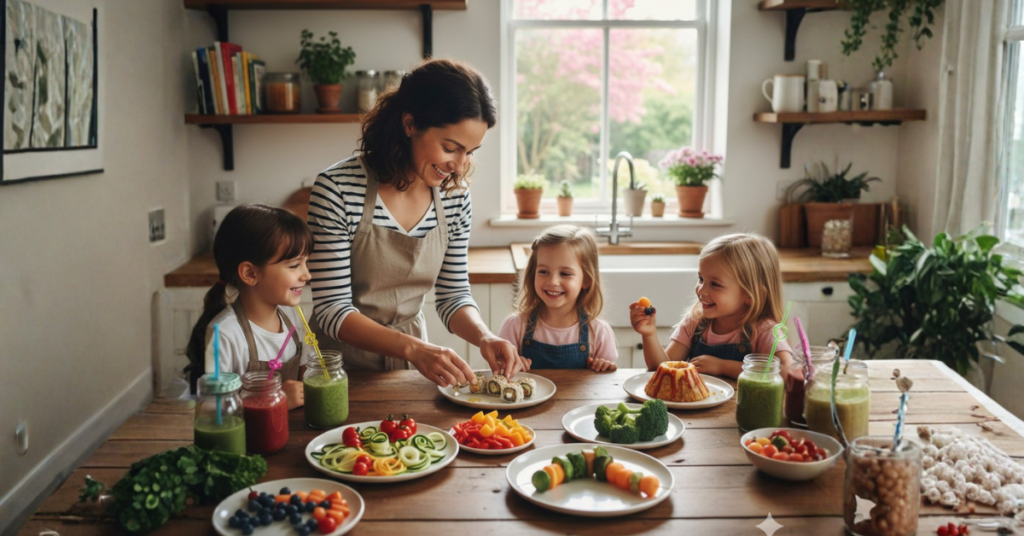
Getting your kids to eat healthy doesn’t have to feel like an uphill battle every single mealtime. As a busy mom juggling fitness routines, family obligations, and the endless challenge of meal planning, you already know that nutrition plays a crucial role in your children’s development, energy levels, and long-term health habits. The secret isn’t necessarily about forcing vegetables down their throats or turning dinner into a negotiation session—it’s about presentation, creativity, and making nutritious foods genuinely appealing to young palates.
When you’re committed to maintaining your own fitness goals while raising healthy kids, finding creative ways to serve healthy foods becomes an essential skill in your parenting toolkit. The strategies you’ll discover here aren’t just about hiding vegetables or tricking children into eating well; they’re about fostering a positive relationship with nutritious foods that will serve them throughout their lives. Whether you’re coming home from an early morning run or squeezing in a workout between school pickups, these approaches will help you maximize the nutritional value of every meal without adding hours to your already packed schedule.
Transform Ordinary Vegetables into Extraordinary Shapes
The visual appeal of food matters tremendously to children, and this is where creative ways to serve healthy foods really shine. Using cookie cutters to transform cucumber slices, watermelon chunks, whole wheat sandwiches, and even sweet potato rounds into stars, hearts, dinosaurs, or their favorite cartoon characters instantly elevates the fun factor. You can purchase inexpensive sets of various shaped cutters that will last for years, and the few extra minutes you spend preparing these shapes pays dividends when your child eagerly finishes their plate.
Spiralizing vegetables creates pasta-like noodles that kids find fascinating and fun to eat. Zucchini noodles, carrot spirals, and sweet potato ribbons can replace or supplement traditional pasta, reducing refined carbohydrates while increasing vegetable intake. The texture is different enough to be interesting but familiar enough that most children don’t resist it. For athletic families, these vegetable noodles provide essential nutrients and fiber without the blood sugar spikes that come from processed pasta, giving your kids sustained energy for their activities and your own workouts.
Creating vegetable “chips” by thinly slicing and baking kale, sweet potatoes, beets, or zucchini offers a crunchy alternative to processed snacks. Season them lightly with sea salt, a touch of olive oil, or even cinnamon for sweet potato chips, and you’ve got a nutritious snack that satisfies the craving for something crispy. These homemade chips contain a fraction of the sodium found in packaged versions and provide vitamins, minerals, and antioxidants that support recovery from your training sessions and fuel your children’s growing bodies.
Build Interactive Food Stations at Home
One of the most effective creative ways to serve healthy foods involves giving kids control over their meals through interactive food stations. Setting up a taco bar with whole grain tortillas, lean ground turkey or black beans, lettuce, tomatoes, avocado, cheese, and Greek yogurt instead of sour cream lets children assemble their own tacos. This autonomy makes them more invested in eating what they’ve created, and you can feel confident knowing every ingredient on that table contributes to their nutrition.
Breakfast parfait bars work beautifully for busy mornings, especially after your early workout when you need quick nutrition for the whole family. Lay out Greek yogurt, various berries, granola, sliced almonds, chia seeds, honey, and maybe some dark chocolate chips as a treat. Your kids can layer their parfaits in clear cups, making the colorful strata visually appealing while packing in protein, probiotics, antioxidants, and healthy fats. The protein from Greek yogurt supports muscle recovery for active families, while the antioxidants in berries combat inflammation.
Build-your-own salad stations remove the typical resistance kids have toward salads because they’re selecting only what appeals to them. Provide a variety of greens, colorful vegetables, proteins like grilled chicken or hard-boiled eggs, healthy toppings like sunflower seeds or chickpeas, and several dressing options. Initially, they might create less-than-ideal combinations, but over time, you’ll notice them becoming more adventurous and incorporating a wider variety of vegetables. This approach teaches decision-making skills while ensuring they’re getting nutrient-dense foods that support both your training needs and their developmental requirements.
Incorporate Healthy Foods into Familiar Favorites
Smoothies represent one of the most versatile creative ways to serve healthy foods because you can blend almost anything into a sweet, drinkable treat. Spinach disappears completely in a berry smoothie, providing iron, folate, and vitamins without affecting the taste. Add protein powder, Greek yogurt, or nut butter to increase the protein content, which helps with satiety and muscle recovery after your workouts. Frozen cauliflower adds creaminess and nutrients without the distinctive flavor that might deter young taste buds, and a banana or some dates provide natural sweetness without refined sugar.
Making “nice cream” from frozen bananas gives kids a dessert that feels indulgent while being naturally sweet and full of potassium. Blend frozen banana chunks in a food processor until creamy, then add mix-ins like cocoa powder, peanut butter, fresh berries, or vanilla extract. This treat satisfies sweet cravings without the added sugars, artificial colors, and empty calories found in traditional ice cream. For athletic families watching their nutrition, nice cream provides quick-digesting carbohydrates that can support workout recovery while keeping your children happy.
Upgrading traditional recipes with healthier substitutions teaches your kids that nutritious eating doesn’t mean deprivation. Use whole wheat flour in pancakes and muffins, replace some of the oil in baked goods with applesauce or mashed banana, and incorporate shredded zucchini or carrots into brownie batter. These modifications increase fiber content, add vitamins and minerals, and reduce refined ingredients without dramatically changing the taste or texture. When you’re fueling for a long run or helping your kids prepare for their soccer games, these upgraded versions provide sustained energy rather than quick crashes.
Make Meals Tell a Story
Themed meals create excitement around healthy eating by turning dinner into an adventure. “Rainbows on Your Plate” challenges kids to eat foods of every color—red peppers, orange carrots, yellow squash, green broccoli, blueberries, and purple cabbage. Each color represents different phytonutrients and antioxidants that support immune function, reduce inflammation, and promote overall health. For parents maintaining intense training schedules, these same colorful foods support recovery and performance while modeling healthy habits for your children.
Creating character plates where foods arranged on the plate form faces, animals, or scenes makes healthy eating playful and engaging. Broccoli becomes trees in a forest scene, with a hard-boiled egg as the sun, carrot sticks as a fence, and grilled chicken as a house. This creative presentation transforms a simple plate of protein and vegetables into something memorable and fun. While it takes a few extra minutes, the investment pays off when your reluctant eater cleans their plate without complaint.
Seasonal and holiday-themed presentations keep meals interesting throughout the year. Heart-shaped foods for Valentine’s Day, green foods for St. Patrick’s Day, orange foods for Halloween, and red and green options for Christmas make nutrition feel celebratory rather than obligatory. These themed meals provide natural opportunities to discuss where food comes from, how seasons affect availability, and why variety matters in a healthy diet. These lessons create food-literate children who grow into adults with positive relationships with nutrition.
Engage Kids in Meal Preparation
Involving children in cooking represents one of the most powerful creative ways to serve healthy foods because kids are significantly more likely to eat what they’ve helped prepare. Even young children can wash vegetables, tear lettuce for salads, stir ingredients, or arrange items on a plate. Older kids can measure ingredients, chop soft items with child-safe knives, and follow simple recipes independently. This hands-on involvement creates investment in the meal and teaches valuable life skills that will serve them well into adulthood.
Growing a small herb or vegetable garden together, even if it’s just a few pots on a windowsill, connects children to their food sources in meaningful ways. When kids harvest cherry tomatoes, snap peas, or fresh basil that they’ve nurtured from seeds, they develop pride and curiosity about eating those foods. This connection to food production helps children understand that healthy foods aren’t punishments but living things that provide nourishment. For fitness-focused families, tending a garden also provides light physical activity and outdoor time that complements your training routines.
Planning weekly menus together gives children ownership over family nutrition while teaching them about balanced meals. Sit down on Sunday with your kids and discuss the week ahead, letting each family member choose one dinner. Establish guidelines that each meal must include a protein, a vegetable, and a whole grain, then let them get creative within those parameters. This collaborative approach reduces mealtime battles, ensures everyone has something to look forward to, and gradually educates children about nutrition principles that support active, healthy lifestyles.
Leverage the Power of Dips and Sauces
Many kids who resist plain vegetables will eagerly eat them when paired with a flavorful dip. Hummus made from chickpeas provides protein, fiber, and healthy fats while serving as a creamy vehicle for carrot sticks, bell pepper strips, cucumber rounds, and celery. Greek yogurt-based dips mixed with herbs and spices offer protein and probiotics while making raw vegetables more appealing. Even a simple peanut butter or almond butter dip turns apple slices, celery sticks, or banana chunks into an exciting snack rather than a boring requirement.
Creating a “dippin’ platter” with several healthy dips and a variety of vegetables, whole grain crackers, and fruit makes snack time interactive and nutritious. The variety ensures there’s something for everyone, and the act of dipping makes eating more engaging for young children. For busy moms who’ve just finished a HIIT workout and need quick nutrition, these same platters provide balanced macronutrients without requiring cooking or extensive preparation.
Homemade sauces can transform foods kids typically reject into favorites they request regularly. A simple tomato sauce loaded with hidden vegetables like carrots, zucchini, and bell peppers becomes undetectable when blended smooth and served over whole wheat pasta or zucchini noodles. A tahini-lemon dressing turns a kale salad into something craveable. Teaching your kids that sauces can be made from whole food ingredients rather than coming exclusively from bottles expands their palates while reducing their intake of added sugars, sodium, and preservatives found in commercial versions.
Reimagine Breakfast as a Nutritional Foundation
Overnight oats provide one of the most convenient creative ways to serve healthy foods, especially for families rushing out the door to school and work after morning workouts. Mix rolled oats with milk or a milk alternative, yogurt, chia seeds, and your choice of flavoring the night before, then refrigerate. In the morning, you have a ready-to-eat breakfast packed with fiber, protein, and complex carbohydrates. Let kids customize their jars with toppings like berries, sliced almonds, coconut flakes, or a drizzle of maple syrup, giving them control while ensuring they start the day with solid nutrition.
Egg muffins baked in muffin tins with vegetables and cheese create portable, protein-rich breakfast options that kids can eat with their hands. Whisk eggs with milk, pour into greased muffin tins, add diced bell peppers, spinach, tomatoes, and shredded cheese, then bake until set. These muffins can be made in large batches on Sunday and reheated throughout the week, saving precious morning minutes. The protein supports muscle maintenance for active parents and provides sustained energy for children throughout their school day.
Whole grain waffles or pancakes made on weekends and frozen for quick weekday breakfasts offer comfort food nutrition when prepared with the right ingredients. Use whole wheat flour, add mashed banana or pumpkin puree to the batter, and consider mixing in ground flaxseed or wheat germ for additional nutrients. Your kids get the breakfast they love while you ensure they’re receiving fiber, B vitamins, and healthy fats. Top with fresh fruit and a small amount of pure maple syrup rather than sugary syrups, and you’ve created a breakfast that supports your family’s active lifestyle.
Turn Healthy Snacks into Special Treats
Energy balls made from dates, nuts, oats, and cocoa powder provide the satisfaction of eating something sweet while delivering protein, healthy fats, and natural sugars that fuel activity. Kids love rolling the mixture into balls and coating them in shredded coconut or crushed nuts, making the preparation process as enjoyable as eating them. These no-bake treats are perfect for post-workout recovery snacks for you and after-school fuel for your children.
Frozen fruit kabobs transform ordinary fruit into something special that feels more like a popsicle than a healthy snack. Thread strawberries, grapes, pineapple chunks, and melon balls onto skewers and freeze them for a refreshing treat that delivers vitamins, minerals, and antioxidants. The frozen texture is especially appealing on hot days after outdoor activities or summer sports practices. The natural sugars provide quick energy without the artificial ingredients and excessive sugar found in commercial frozen treats.
Homemade trail mix lets kids become snack architects, choosing from nuts, seeds, dried fruit, whole grain cereals, and a small amount of dark chocolate chips or coconut flakes. This customization ensures they’ll actually eat it while teaching them about balanced snacking that includes protein, healthy fats, and carbohydrates. Portion the mix into small containers or bags for grab-and-go convenience when rushing between activities. For athletic families, trail mix provides convenient fuel for long tournaments, road trips, or busy days when sit-down meals aren’t feasible.
Create Positive Food Environments
Family meals eaten together at the table without screens create opportunities for modeling healthy eating behaviors and fostering positive food relationships. When kids see you enjoying vegetables, trying new foods, and eating balanced meals, they’re more likely to do the same. Conversation during meals helps children develop healthy eating paces, recognize fullness cues, and associate mealtimes with connection rather than conflict. Despite busy schedules filled with training and activities, prioritizing several family meals weekly pays enormous dividends in your children’s long-term health.
Avoiding food rewards and punishments prevents the creation of complicated emotional relationships with eating. When you say “eat your vegetables and then you can have dessert,” you’re inadvertently teaching that vegetables are obstacles to overcome and desserts are prizes to be earned. Instead, serve small desserts as part of the meal without conditions, emphasizing that all foods fit into healthy eating. This approach, supported by pediatric nutrition experts, helps children develop intuitive eating skills and prevents the restriction-binge cycles that plague many adults.
Maintaining a well-stocked kitchen with visible healthy options makes nutritious choices the default rather than special efforts. Keep cut vegetables at eye level in the refrigerator, store fresh fruit in an attractive bowl on the counter, and place healthy snacks in accessible locations. When less nutritious foods require more effort to obtain or prepare, kids naturally gravitate toward the convenient healthy options. This environmental design supports your nutrition goals while making healthy eating the path of least resistance for your entire family.
Adapt Recipes to Include Nutrient-Dense Ingredients
Cauliflower has become the chameleon of vegetables, adapting to countless recipes while boosting nutrition significantly. Riced cauliflower can replace or supplement regular rice, reducing carbohydrates while increasing vegetables. Cauliflower pizza crust creates a lower-carb base for a kid-favorite food. Mashed cauliflower mixed with potatoes lightens traditional mashed potatoes while adding vitamins C and K. For fitness enthusiasts managing macronutrients, these cauliflower swaps allow flexibility while maintaining vegetable intake.
Adding seeds to everyday foods boosts nutrition without noticeably changing taste or texture. Chia seeds stirred into yogurt, oatmeal, or smoothies provide omega-3 fatty acids, fiber, and protein. Ground flaxseed mixed into pancake batter, muffins, or meatballs contributes similar nutrients plus lignans with antioxidant properties. Hemp hearts sprinkled on salads or mixed into nut butter add complete protein and healthy fats. These small additions create cumulative nutritional benefits that support your training and your children’s development.
Bean-based pasta made from chickpeas, lentils, or black beans provides significantly more protein and fiber than traditional pasta while being virtually indistinguishable in most recipes. This simple swap transforms pasta from a simple carbohydrate into a more balanced meal component. Kids who love pasta get to continue enjoying it while you feel confident they’re receiving sustained energy and important nutrients. For athletic families with high protein needs, these pastas help meet requirements without relying exclusively on meat.
Educate Through Food Exploration
Introducing the concept of “rainbow eating” teaches children that different colored foods provide different nutrients their bodies need. Red foods contain lycopene, orange foods provide beta-carotene, yellow foods offer vitamin C, green foods deliver chlorophyll and various vitamins, blue and purple foods contain anthocyanins, and white foods provide various phytonutrients. This simple framework makes nutrition concrete and gamifies healthy eating in a way that resonates with children while teaching legitimate nutritional science.
Trying one new food weekly expands palates gradually without overwhelming resistant eaters. Make it a family adventure where everyone tries the new food together and discusses it without judgment. Not every food will become a favorite, but regular exposure increases acceptance over time. This approach builds adventurous eaters who are more likely to maintain varied, nutritious diets throughout their lives. For families who travel for sports tournaments or athletic events, having adventurous eaters makes finding adequate nutrition in unfamiliar places much easier.
Teaching kids about how food fuels their bodies connects nutrition to outcomes they care about—energy for playing, strength for sports, focus for schoolwork, and recovery from activities. Explain that protein builds muscles, carbohydrates provide energy, fats support brain function, and vitamins and minerals keep all body systems working properly. When children understand that food is fuel rather than just entertainment or obligation, they become partners in making healthy choices rather than adversaries you’re battling at every meal.
Use Strategic Serving Techniques
Serving vegetables first when kids are hungriest increases consumption significantly. Put out cut vegetables and hummus while you’re finishing dinner preparation, and you’ll find even picky eaters munching on them simply because they’re available and they’re hungry. This strategy works because decision fatigue hasn’t set in, and the competition from other foods isn’t present yet. By the time the full meal is served, they’ve already consumed a serving or two of vegetables without resistance.
Smaller portions served on smaller plates prevent overwhelm while making it easy for kids to ask for seconds if they’re still hungry. Large portions can be visually intimidating for children, leading to resistance before they’ve even tried the food. When they successfully finish what’s on their plate, they experience accomplishment rather than failure, building positive associations with mealtimes. This approach also helps prevent overeating by allowing natural hunger cues to function properly.
The “one bite rule” encourages trying foods without creating pressure to eat significant amounts of something disliked. Requiring just one genuine bite teaches children that trying new things is expected while respecting their preferences. Often, kids need multiple exposures to new foods before accepting them—research suggests anywhere from 10 to 15 tries. Patient, low-pressure exposure gradually expands what children consider acceptable foods without turning meals into battlegrounds.
Maximize Nutrition in Kid-Favorite Foods
Pizza becomes a nutrient delivery system when you upgrade the ingredients thoughtfully. Whole wheat or cauliflower crust provides more fiber and nutrients than white flour versions. Using a vegetable-packed tomato sauce adds hidden servings of vegetables. Loading up on vegetable toppings like bell peppers, mushrooms, spinach, and tomatoes increases the nutritional profile significantly. Using part-skim mozzarella or adding some ricotta provides protein and calcium without excessive saturated fat. Your kids still get the pizza they love while you’ve transformed it into a reasonably balanced meal.
Chicken nuggets can be made healthier by using quality chicken breast meat, coating it in whole wheat breadcrumbs or crushed whole grain cereal mixed with herbs, and baking instead of frying. The result looks and tastes similar enough to satisfy kids while providing lean protein without the additives, excess sodium, and questionable ingredients found in fast food or frozen versions. Serve them with a variety of dipping sauces and some vegetable sticks, and you’ve created a meal that makes everyone happy.
Macaroni and cheese made with pureed butternut squash or cauliflower blended into the cheese sauce adds vegetables and nutrients while creating an appealing orange color that kids don’t question. Using whole wheat pasta increases fiber, and mixing in some cottage cheese or Greek yogurt boosts protein without noticeably changing the taste. This classic comfort food becomes considerably more nutritious with a few strategic modifications that don’t sacrifice the appeal that makes kids request it regularly.
The journey toward raising healthy eaters isn’t about perfection or completely eliminating treats and convenience foods from your family’s diet. It’s about consistent application of creative ways to serve healthy foods that make nutrition appealing, accessible, and enjoyable for your children. As you implement these strategies, you’ll likely notice that foods previously rejected become accepted, mealtimes become less stressful, and your kids develop curiosity about nutrition rather than resistance to it. These outcomes support not only their current
Give us a call today at 1-877-777-6086 or fill out our contact form to become a retail
distributor of our top-of-the-line safety lights.