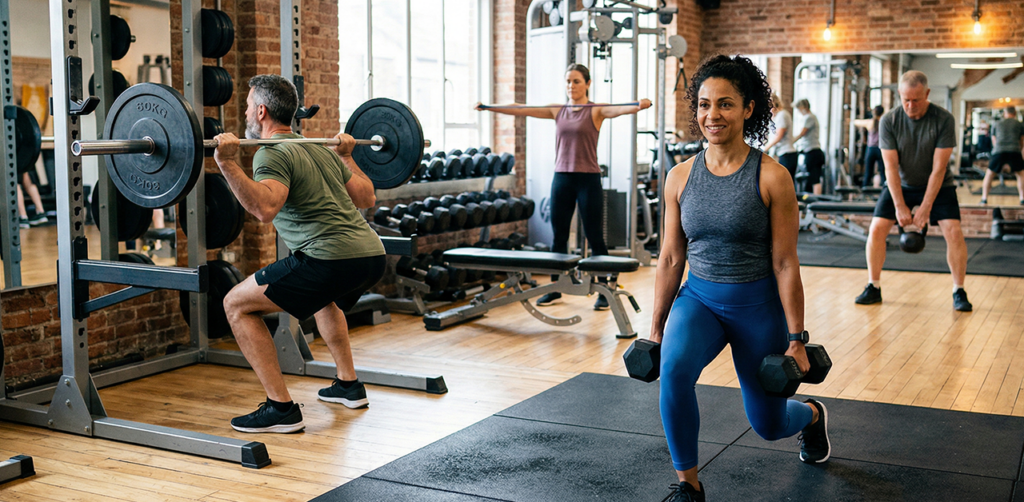
Strength training has become an essential component of any well-rounded fitness routine, and for good reason. As you embark on your fitness journey, you might find yourself wondering, “What are the benefits of strength training for fitness?” The answer is multifaceted and can significantly impact your overall health and well-being. By incorporating resistance exercises into your workout regimen, you’re not only building muscle but also enhancing various aspects of your physical and mental health. Whether you’re an athlete looking to improve performance, a parent aiming to keep up with energetic kids, or a tradesman seeking to maintain strength for your daily tasks, strength training offers a plethora of advantages that can help you achieve your fitness goals.
Boosting Muscle Mass and Strength
One of the most obvious benefits of strength training is its ability to increase muscle mass and strength. When you engage in resistance exercises, you create microscopic tears in your muscle fibers. As your body repairs these tears, your muscles grow stronger and larger. This process, known as hypertrophy, not only enhances your physical appearance but also improves your functional strength for everyday activities. For tradesmen, this can mean easier lifting of heavy equipment or materials, while athletes may experience improved performance in their respective sports. Parents might find it easier to carry children or groceries, making daily tasks less demanding.
Key benefits of increased muscle mass and strength include:
- Enhanced ability to perform daily tasks with ease
- Improved athletic performance
- Reduced risk of injury during physical activities
- Increased metabolism, aiding in weight management
Accelerating Fat Loss and Metabolism
If your fitness goals include shedding excess body fat, strength training can be a powerful ally. While many people associate fat loss primarily with cardiovascular exercises, incorporating strength training into your routine can significantly boost your metabolism and accelerate fat burning. As you build lean muscle mass through strength training, your body’s resting metabolic rate increases. This means you’ll burn more calories even when you’re not actively exercising. The afterburn effect, scientifically known as excess post-exercise oxygen consumption (EPOC), is particularly pronounced with strength training, leading to continued calorie burn long after your workout has ended.
Moreover, strength training helps preserve muscle mass during periods of calorie restriction, ensuring that weight loss comes primarily from fat rather than valuable muscle tissue. This is especially important for individuals in the 35-65 age range, as maintaining muscle mass becomes increasingly challenging with age. By incorporating strength training into your fitness routine, you’re not only sculpting your body but also creating a more efficient fat-burning machine.
Improving Bone Density and Joint Health
As we age, maintaining strong bones and healthy joints becomes increasingly important. Strength training plays a crucial role in this aspect of fitness, particularly for individuals in the 35-65 age range. When you engage in resistance exercises, you’re not just working your muscles; you’re also putting stress on your bones. This stress stimulates bone-forming cells, leading to increased bone density over time. For women approaching or experiencing menopause, this benefit is particularly significant, as it can help combat the natural decline in bone density associated with hormonal changes.
Strength training offers several benefits for bone and joint health:
- Increased bone density, reducing the risk of osteoporosis
- Improved joint stability and flexibility
- Reduced risk of falls and fractures in older adults
- Enhanced balance and coordination
For tradesmen who spend long hours on their feet or engage in physically demanding tasks, improved bone density and joint health can translate to reduced pain and a lower risk of work-related injuries. Athletes can benefit from increased resistance to stress fractures and improved overall skeletal strength, while parents may find that stronger bones and joints help them keep up with their children’s activities more comfortably.
Enhancing Cardiovascular Health
While strength training is often associated primarily with muscle building, its benefits extend to your cardiovascular system as well. Regular resistance exercises can lead to improvements in heart health, blood pressure regulation, and cholesterol levels. As you engage in strength training, your heart works harder to pump blood to your muscles, effectively providing a cardiovascular workout. Over time, this can lead to a stronger, more efficient heart muscle.
Studies have shown that strength training can help reduce resting blood pressure, particularly in individuals with pre-existing hypertension. This is especially relevant for the 35-65 age group, as the risk of developing high blood pressure increases with age. Additionally, strength training has been linked to improvements in cholesterol profiles, with increases in beneficial HDL cholesterol and decreases in harmful LDL cholesterol.
For athletes, these cardiovascular benefits can translate to improved endurance and performance in their chosen sports. Tradesmen may find that they have more stamina for long workdays, while parents might notice increased energy for keeping up with family activities.
Boosting Mental Health and Cognitive Function
The benefits of strength training extend beyond the physical realm, significantly impacting your mental health and cognitive function. Regular resistance exercises have been shown to reduce symptoms of anxiety and depression, improve mood, and enhance overall well-being. The sense of accomplishment that comes with progressing in your strength training journey can boost self-esteem and confidence, which can have positive ripple effects throughout your personal and professional life.
Mental health benefits of strength training include:
- Reduced symptoms of anxiety and depression
- Improved stress management
- Enhanced self-esteem and body image
- Better sleep quality
Moreover, strength training has been linked to improved cognitive function, particularly in older adults. Research suggests that regular resistance exercises can help maintain and even improve memory, attention, and decision-making skills. For individuals in the 35-65 age range, this cognitive boost can be particularly valuable, helping to maintain mental sharpness and potentially reducing the risk of age-related cognitive decline.
Enhancing Balance and Coordination
As you progress in your strength training journey, you’ll likely notice improvements in your balance and coordination. These benefits are particularly important for individuals in the 35-65 age range, as they can help prevent falls and injuries in daily life. Strength training exercises, especially those that involve functional movements or balance challenges, help improve proprioception – your body’s ability to sense its position in space.
For athletes, enhanced balance and coordination can lead to improved performance and reduced risk of injury in their chosen sports. Tradesmen may find that these improvements make it easier to navigate challenging work environments or handle tools with greater precision. Parents might notice that they’re better equipped to keep up with their children’s activities, from playing catch in the backyard to navigating playground equipment.
Key benefits of improved balance and coordination include:
- Reduced risk of falls and related injuries
- Enhanced athletic performance
- Improved ability to perform complex movements in daily life
- Greater confidence in physical activities
Managing Chronic Conditions
Strength training can play a significant role in managing various chronic conditions, making it an valuable tool for individuals dealing with health challenges. For those with type 2 diabetes, regular resistance exercises can help improve insulin sensitivity and blood glucose control. This can lead to better management of the condition and potentially reduced reliance on medication.
Individuals with arthritis may find that strength training helps reduce joint pain and improve mobility. By strengthening the muscles surrounding affected joints, you can provide better support and reduce stress on the joints themselves. This can lead to improved quality of life and increased ability to perform daily activities.
For those dealing with back pain, a common issue for many in the 35-65 age range, strength training can be particularly beneficial. By strengthening core muscles and improving overall body strength, you can reduce the strain on your back and alleviate chronic pain. This can be especially valuable for tradesmen who engage in physically demanding work or parents who frequently lift and carry children.
Improving Flexibility and Range of Motion
While strength training is often associated with building muscle and increasing power, it also plays a crucial role in improving flexibility and range of motion. Contrary to the myth that weightlifting makes you stiff and inflexible, properly executed strength training exercises can actually enhance your overall mobility. This is particularly important for individuals in the 35-65 age range, as flexibility tends to decrease with age.
When you perform strength training exercises through a full range of motion, you’re not only working your muscles but also improving your joint flexibility. Exercises like squats, lunges, and overhead presses require your joints to move through extensive ranges, promoting flexibility and mobility. Additionally, the increased muscle strength gained through resistance training can support your joints, allowing for greater freedom of movement.
Benefits of improved flexibility and range of motion include:
- Reduced risk of injuries during physical activities
- Improved posture and reduced back pain
- Enhanced athletic performance
- Easier execution of daily tasks and movements
For athletes, increased flexibility can translate to better performance and reduced risk of injury in their chosen sports. Tradesmen may find that improved range of motion makes it easier to perform job-related tasks, especially those requiring reaching or bending. Parents might notice that they can more comfortably engage in activities with their children, from tying shoelaces to playing on the floor.
Enhancing Body Composition and Aesthetics
While the health benefits of strength training are numerous, it’s worth acknowledging the positive impact it can have on your body composition and overall appearance. As you engage in regular resistance exercises, you’ll likely notice changes in your physique that go beyond just building muscle. Strength training helps reduce body fat percentage while increasing lean muscle mass, leading to a more toned and sculpted appearance.
This transformation in body composition can be particularly motivating for individuals in the 35-65 age range, who may be combating age-related changes in metabolism and muscle mass. By incorporating strength training into your fitness routine, you’re not only improving your health but also working towards a physique that may boost your confidence and self-esteem.
Aesthetic benefits of strength training include:
- Increased muscle definition and tone
- Improved body proportions
- Reduced appearance of cellulite
- Enhanced posture and overall physical presence
It’s important to note that these aesthetic changes are a byproduct of the numerous health benefits strength training provides. As you focus on improving your strength and overall fitness, you’ll likely find that the physical changes in your appearance serve as additional motivation to continue your fitness journey.
Preventing Age-Related Muscle Loss
One of the most compelling reasons to incorporate strength training into your fitness routine, especially for those in the 35-65 age range, is its ability to combat age-related muscle loss, also known as sarcopenia. Starting around age 30, adults begin to lose muscle mass at a rate of about 3-5% per decade. This loss accelerates after age 60, potentially leading to decreased strength, reduced mobility, and increased risk of falls and fractures.
Strength training is the most effective way to counteract this natural muscle loss. By regularly engaging in resistance exercises, you can maintain and even increase your muscle mass as you age. This not only helps preserve your strength and functional abilities but also supports your metabolism, bone health, and overall quality of life.
For tradesmen, maintaining muscle mass can mean the difference between being able to continue their work comfortably or struggling with the physical demands of their profession. Athletes can use strength training to extend their competitive careers and maintain performance levels. Parents may find that preserving muscle mass helps them keep up with the physical demands of raising children and managing a household.
Key benefits of preventing age-related muscle loss include:
- Maintained strength and functional abilities
- Reduced risk of falls and related injuries
- Supported metabolism and weight management
- Improved overall quality of life as you age
By making strength training a regular part of your fitness routine, you’re investing in your long-term health and independence. It’s never too late to start reaping the benefits of resistance exercises, and the positive impacts can be felt at any age.