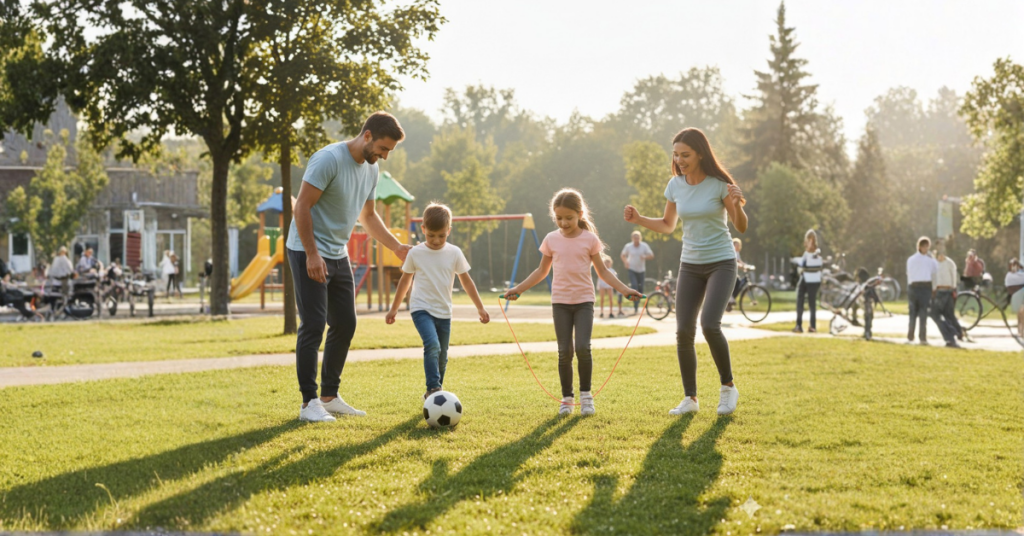
Getting your children moving isn’t just about keeping them busy—it’s about setting them up for a lifetime of health, confidence, and joy. Engaging children in sports offers countless benefits that extend far beyond the playing field, from building stronger bodies to developing crucial social skills. As a parent, you have the unique opportunity to shape your child’s relationship with physical activity during these formative years, creating habits that will serve them well into adulthood.
The reality is that our kids are facing unprecedented levels of sedentary behavior. Between tablets, smartphones, gaming consoles, and endless streaming options, children today spend more time sitting than any previous generation. This shift away from active play has contributed to rising childhood obesity rates and declining physical fitness levels across the board. But here’s the good news: you can reverse this trend in your own household by making sports and physical activity an integral part of your family’s lifestyle.
Understanding the Comprehensive Benefits of Youth Sports
When you think about engaging children in sports, the physical benefits probably come to mind first—and they’re certainly significant. Regular athletic participation strengthens your child’s cardiovascular system, builds muscle and bone density, improves coordination and balance, and helps maintain a healthy body weight. These physical advantages create a foundation that can protect against numerous health conditions later in life, including heart disease, diabetes, and osteoporosis.
But the benefits extend dramatically beyond the physical realm. Sports participation teaches children invaluable life lessons about perseverance, dealing with disappointment, working toward goals, and celebrating achievements. When your daughter strikes out in softball or your son misses a goal in soccer, they’re learning how to handle setbacks—a skill that will prove essential throughout their lives. These experiences shape character in ways that few other childhood activities can match.
The social and emotional development that comes from team sports is equally transformative. Your kids learn to communicate effectively, collaborate with others, follow instructions from coaches, and build friendships based on shared experiences and goals. They develop empathy by seeing teammates struggle and succeed, and they learn that their individual actions affect the entire group. This understanding of collective responsibility is something many adults still struggle with, yet sports can teach it naturally to young children.
Starting Early: Age-Appropriate Sports Activities
You might wonder when the right time is to introduce your children to organized sports. The truth is that you can begin engaging children in sports as early as toddlerhood, though the definition of “sports” looks quite different for a three-year-old than it does for a ten-year-old. For very young children, focus on fundamental movement skills—running, jumping, throwing, catching, and kicking—through playful activities rather than structured competition.
Between ages three and five, consider programs that emphasize fun and exploration over rules and winning. Tumbling classes, swimming lessons, dance, and basic ball games work wonderfully at this stage. These activities help develop gross motor skills while building your child’s confidence in their physical abilities. The key is keeping things light and positive, never pushing so hard that the activity becomes stressful or anxiety-inducing.
As your children reach ages six through nine, they’re developmentally ready for more structured sports with actual rules and basic competition. Their attention spans have lengthened, they can follow multi-step instructions, and they’re beginning to understand strategy and teamwork. This is an ideal time to explore various sports to see what captures their interest. Don’t be surprised if they want to try several different activities—this experimentation is healthy and helps them discover their true passions.
Choosing the Right Sport for Your Child’s Personality
Every child is unique, with different temperaments, interests, and natural abilities. Your high-energy, extroverted child might thrive in the fast-paced environment of basketball or soccer, while your more introspective child might prefer individual sports like swimming, tennis, or track. Pay attention to what naturally draws your child’s interest rather than projecting your own athletic dreams onto them.
Consider whether your child seems more comfortable in team environments or individual pursuits. Some children love being part of a group and draw energy from their teammates, while others feel overwhelmed by team dynamics and perform better when they can focus on their own performance. Neither preference is better or worse—they’re simply different, and honoring your child’s natural inclinations will make their sports experience more positive and sustainable.
Physical build and natural abilities also play a role, though they shouldn’t be limiting factors. A taller child might have advantages in basketball or volleyball, while a smaller, quicker child might excel at gymnastics or wrestling. However, plenty of “undersized” athletes have succeeded through determination and skill development, so never discourage your child from trying a sport simply because they don’t fit a typical physical profile.
Creating a Positive Sports Environment at Home
Your attitude toward sports significantly influences how your children perceive athletic participation. When you make sports a positive, pressure-free part of family life, your kids are far more likely to develop a lasting love of physical activity. This starts with how you talk about sports—focusing on effort, improvement, and enjoyment rather than winning, comparing, or criticizing.
Engaging children in sports becomes much easier when you model an active lifestyle yourself. When your kids see you prioritizing exercise, trying new activities, and maintaining a positive attitude about fitness, they internalize these values. You don’t need to be an elite athlete; simply being active and enthusiastic about movement sends a powerful message. Go for family bike rides, shoot baskets together in the driveway, or challenge each other to friendly fitness competitions.
Make sports equipment accessible and visible in your home. When balls, jump ropes, frisbees, and other active toys are readily available, children naturally gravitate toward them during unstructured time. Create a dedicated space—even just a corner of the garage or a basket by the back door—where sports gear lives, making it easy for kids to grab something and head outside to play.
Balancing Support Without Pressure
Finding the right balance between encouraging your children and pushing them too hard represents one of the biggest challenges in youth sports. You want to support their athletic development without creating anxiety or making sports feel like an obligation. This delicate balance requires constant attention and adjustment based on your child’s responses and needs.
Show genuine interest in their activities by attending games and practices when possible, asking thoughtful questions about what they’re learning, and celebrating their efforts regardless of outcomes. However, avoid making sports the primary topic of conversation or the lens through which your child receives your approval. Your love and pride should be unconditional, completely separate from their athletic performance or participation.
Watch for signs that your child is feeling overwhelmed or pressured. These might include increased anxiety before games, reluctance to attend practices, physical complaints without clear medical causes, or statements about wanting to quit. When you notice these red flags, have honest conversations about their feelings and be willing to adjust expectations, reduce commitments, or even step back from a sport if necessary. The goal is lifelong fitness and health, not short-term achievement at the cost of your child’s wellbeing.
Practical Strategies for Busy Parents
Let’s be real—you’re busy. Between work, household management, and the countless other demands on your time, adding sports to the family schedule can feel overwhelming. However, engaging children in sports doesn’t require you to completely overhaul your life or spend every evening at various athletic facilities. With strategic planning and realistic expectations, you can make sports work for your family.
Start by being selective about commitments. You don’t need to sign your kids up for every available sport or activity. Choose one or two sports per season, ensuring you leave time for homework, family dinners, free play, and adequate sleep. Quality matters more than quantity when it comes to athletic participation. It’s better for your child to fully engage in one well-chosen activity than to rush through three different sports without really connecting with any of them.
Look for programs and leagues that align with your family’s schedule and values. Many communities offer recreational leagues with reasonable practice and game schedules, providing good instruction and competition without the intense time commitment of travel or elite teams. These recreational programs often deliver all the developmental benefits of sports while leaving room for other important aspects of childhood.
Managing Multiple Children and Multiple Sports
If you have more than one child, coordinating different sports schedules can feel like a logistical nightmare. Consider enrolling siblings in the same sport or program when possible, especially when they’re young. This simplifies your schedule and creates shared family experiences. As they get older and develop distinct interests, you may need to make difficult choices about which events you can attend and how to divide your time fairly.
Don’t hesitate to build a support network with other sports parents. Carpooling, sharing equipment, and trading off game attendance can significantly reduce the burden on any single family. Many of my closest mom friendships have formed in the bleachers and on the sidelines, united by our shared experience of supporting young athletes. These relationships become invaluable for both practical support and emotional connection.
Technology can be your friend in managing complex schedules. Use shared family calendars, sports team apps, and reminder systems to keep track of practices, games, and equipment needs. Prep sports bags the night before, keep a well-stocked supply of healthy snacks in your car, and establish routines that minimize morning and evening chaos. These small organizational strategies make a huge difference in reducing stress around sports participation.
Addressing Common Obstacles and Concerns
Many parents face genuine barriers to engaging children in sports, and acknowledging these challenges is important. Financial constraints represent a real issue for many families, as equipment costs, registration fees, travel expenses, and other associated costs can add up quickly. However, numerous resources exist to help families access sports opportunities regardless of income level.
Research community programs, parks and recreation departments, and nonprofit organizations that offer free or reduced-cost sports opportunities. Many areas have scholarship programs for children whose families can’t afford full registration fees. Some leagues have equipment lending programs or accept gently used equipment donations, allowing you to outfit your child without significant expense. Don’t let financial concerns prevent you from exploring options—affordable opportunities often exist if you know where to look.
Time constraints also challenge many families, particularly those with parents working multiple jobs or non-traditional hours. In these situations, prioritize activities that are close to home, require minimal equipment, or can be done with flexible scheduling. Walking, running, biking, and playground activities cost nothing and require no specific schedule. Home-based fitness activities using free online videos or apps can also provide excellent physical development when traditional organized sports aren’t feasible.
When Your Child Resists Sports Participation
Not every child naturally gravitates toward sports, and forcing an unwilling child into athletic activities rarely produces positive outcomes. If your child shows resistance, dig deeper to understand the root cause. Are they afraid of not being good enough? Have they had negative past experiences? Do they simply prefer other types of activities? Understanding the “why” behind their reluctance helps you address the real issue.
Sometimes resistance stems from anxiety about trying something new or fear of embarrassment in front of peers. In these cases, starting with individual instruction before joining a team can build confidence and basic skills. Private or semi-private lessons in swimming, tennis, or martial arts allow your child to develop competence in a lower-pressure environment before facing team dynamics and competition.
Remember that “sports” encompasses a huge range of activities. A child who hates team sports might love individual pursuits like rock climbing, skateboarding, hiking, or cycling. A child who dislikes competitive environments might thrive in yoga, dance, or recreational swimming. Keep broadening your definition of sports and physical activity until you find something that clicks with your child’s unique personality and preferences.
Nutrition and Recovery for Young Athletes
Engaging children in sports means paying attention to proper nutrition and recovery to support their activity levels and growing bodies. Young athletes have higher caloric and nutritional needs than sedentary children, requiring adequate fuel for both their sports participation and their ongoing development. This doesn’t mean you need to become a sports nutritionist, but understanding some basic principles helps ensure your child performs well and stays healthy.
Focus on providing balanced meals that include quality proteins, complex carbohydrates, healthy fats, and plenty of fruits and vegetables. Active kids need sufficient carbohydrates to fuel their muscles during activity—this isn’t the time for low-carb diets. Whole grains, fruits, and vegetables provide sustained energy along with essential vitamins and minerals. Protein supports muscle recovery and growth, particularly important for children engaged in regular athletic activity.
Hydration is critically important yet often overlooked for young athletes. Children are more susceptible to dehydration than adults and may not recognize or communicate thirst effectively. Encourage your kids to drink water consistently throughout the day, not just during sports activities. Send them to practices and games with full water bottles and teach them to drink regularly even when they don’t feel thirsty. In hot weather or during intense activity, they may need sports drinks that replace electrolytes, though water suffices for most youth sports situations.
Understanding Rest and Recovery Needs
Your child’s body needs adequate rest to recover from physical activity, build strength, and avoid injury. Sleep becomes even more critical for young athletes than for sedentary children. School-age children need 9-12 hours of sleep per night, and teenagers need 8-10 hours. During sleep, the body repairs muscles, consolidates learning (including physical skills), and produces growth hormones. Prioritizing sleep sometimes means making tough choices about limiting sports schedules that cut into rest time.
Rest days are equally important as practice days in a young athlete’s schedule. Overtraining represents a real risk for children who participate in multiple sports simultaneously or who specialize in a single sport year-round with no breaks. Their growing bodies need recovery time to adapt to training stresses and to prevent overuse injuries. Build in at least one or two complete rest days per week where your child engages in light activity or complete rest rather than structured sports.
Watch for signs of overtraining in your young athlete, including decreased performance, persistent fatigue, mood changes, increased injuries, or frequent illness. These symptoms indicate that your child’s body isn’t recovering adequately from their activity level. If you notice these signs, scale back commitments and prioritize rest and recovery. Remember that more isn’t always better—appropriate training loads balanced with adequate recovery produce the best long-term results.
Teaching Sportsmanship and Healthy Competition
One of the most valuable aspects of engaging children in sports is the opportunity to teach essential character traits and values. Sportsmanship—treating opponents, teammates, coaches, and officials with respect regardless of circumstances—represents a cornerstone of positive athletic participation. Your children will learn these lessons primarily through observation, watching how you and other adults model gracious behavior in competitive situations.
Competition itself isn’t negative when properly framed and understood. Learning to compete teaches children to push themselves, strive for improvement, and experience the satisfaction of achieving difficult goals. The key is helping them understand that competing means trying their best and measuring themselves against their own potential, not deriving their self-worth from beating others or measuring themselves against teammates.
Teach your children to win with humility and lose with grace. Celebrate victories without gloating or putting down opponents. Process losses as learning opportunities rather than catastrophes or reflections of inadequacy. Help them understand that setbacks, mistakes, and defeats are inevitable parts of sports—and life—and that resilience comes from how we respond to these challenges, not from avoiding them entirely.
Dealing With Difficult Coaches and Toxic Sports Cultures
Unfortunately, not every youth sports environment promotes healthy values and positive development. Some coaches prioritize winning above all else, employ shame-based motivation tactics, or show favoritism toward certain players. Some sports cultures normalize parent behavior that’s aggressive, disrespectful, or inappropriately intense given the ages of the children involved.
Stay involved enough to assess the environment your child is experiencing. Attend practices occasionally, not just games. Talk with your child regularly about their experiences, how coaches speak to players, and how they feel during and after participation. Trust your instincts—if something feels off, investigate further. Your child’s emotional wellbeing and healthy relationship with sports matter far more than staying with any particular team or coach.
Don’t hesitate to remove your child from toxic situations. While learning to handle difficult coaches can be valuable, there’s a significant difference between a demanding coach who maintains respect and a coach who belittles, shames, or emotionally harms young athletes. No trophy, ranking, or opportunity is worth sacrificing your child’s mental health or love of sports. Plenty of positive programs exist where children can develop athletically while being treated with dignity and respect.
Making Sports Inclusive and Accessible
Every child deserves opportunities to participate in sports and physical activity, regardless of ability level, body type, socioeconomic status, or any other factor. As you focus on engaging children in sports, think beyond just your own kids—consider how you might support broader access and inclusion in your community. This might mean volunteering with adaptive sports programs, supporting scholarship funds, or advocating for inclusive policies in local leagues and schools.
For children with disabilities or special needs, adapted sports programs provide opportunities to experience the same benefits of athletic participation as their peers. Many communities offer Special Olympics programs, wheelchair sports, adaptive swimming, and other specialized activities. Technology and equipment innovations have made sports increasingly accessible to children with various physical, cognitive, and sensory differences.
Body size diversity in youth sports remains an important consideration. Children in larger bodies often face stigma, discrimination, or discouragement from sports participation, yet they benefit from athletic activity just as much as any other child—perhaps even more given the mental health advantages of being part of a team and the physical benefits of regular movement. Choose programs and coaches who demonstrate body-positive attitudes and value every participant regardless of size or shape.
Seasonal Considerations and Year-Round Activity
Maintaining consistent physical activity throughout the year requires planning and creativity, especially in climates with significant seasonal variations. The key to engaging children in sports year-round is varying activities by season while maintaining consistent habits around regular movement and exercise. This variety also prevents overuse injuries associated with single-sport specialization and helps children develop diverse physical skills.
Winter months can challenge families in cold climates, but numerous winter sports offer excellent fitness and fun. Skiing, snowboarding, ice skating, hockey, and sledding provide vigorous exercise while taking advantage of seasonal conditions. Indoor alternatives include basketball, swimming, martial arts, gymnastics, and indoor soccer or tennis facilities. Don’t let cold weather become an excuse for sedentary behavior—appropriate clothing and planning make outdoor winter activity both safe and enjoyable.
Spring and fall offer ideal conditions for many sports and outdoor activities. These transitional seasons provide comfortable temperatures for running, cycling, hiking, soccer, baseball, and countless other pursuits. Take advantage of these pleasant conditions to build your family’s fitness base and establish strong activity habits that can carry through less ideal weather conditions.
Summer presents both opportunities and challenges. While warm weather and school breaks provide abundant time for sports and outdoor play, excessive heat requires caution and appropriate precautions. Schedule outdoor activities during cooler morning or evening hours, ensure adequate hydration, and recognize signs of heat-related illness. Summer also offers opportunities for sports camps, swimming, and less structured active play that allows children to simply move their bodies joyfully without the pressure of competition or skill development.
Leveraging Technology Appropriately
While excessive screen time represents one of the main obstacles to engaging children in sports, technology can also support athletic development when used thoughtfully. Fitness trackers designed for kids can make activity into a game, motivating children to reach step goals or activity minutes. Apps that teach sports skills through video demonstrations can supplement coached instruction and allow kids to practice at home.
Online communities built around youth sports can provide support, resources, and connection for both parents and young athletes. However, approach these spaces cautiously, as they can also foster unhealthy comparison, excessive pressure, and misinformation. Use technology as a tool to enhance rather than replace actual physical activity and real-world coaching relationships.
Video analysis has become increasingly accessible and can help young athletes improve technique in many sports. Recording your child’s soccer kick, tennis serve, or batting swing and reviewing it together can provide valuable feedback and learning opportunities. Many coaches now incorporate video review into their instruction, helping young athletes see and understand what their bodies are doing during different movements.
Give us a call today at 1-877-777-6086 or fill out our contact form to become a retail
distributor of our top-of-the-line safety lights.