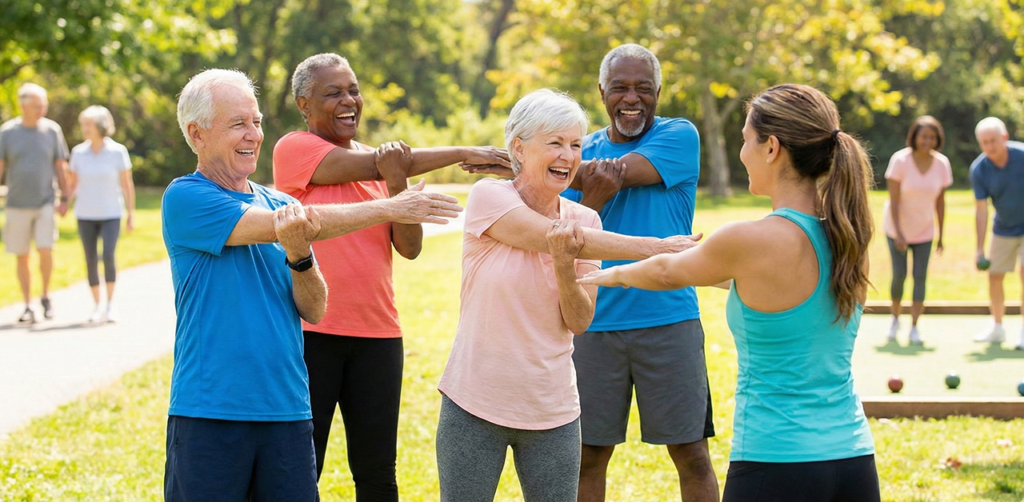
The Power of Exercise for Senior Mental Health
As we age, maintaining our mental health becomes increasingly important. For seniors, exercise plays a crucial role in enhancing cognitive function, emotional well-being, and overall mental health. The question “What role does exercise play in enhancing mental health for seniors?” is more relevant than ever, as our aging population seeks ways to stay sharp and emotionally balanced. Regular physical activity can have profound effects on the brain, helping to stave off age-related mental decline and boost mood. Whether you’re a senior yourself or caring for an older loved one, understanding the mental health benefits of exercise can be a game-changer in promoting a fulfilling and vibrant life in the golden years.
Cognitive Function and Memory Enhancement
One of the most significant ways exercise enhances mental health for seniors is by improving cognitive function and memory. As you engage in physical activities, your brain receives increased blood flow, which delivers vital oxygen and nutrients. This boost in circulation can help:
- Stimulate the growth of new brain cells
- Strengthen existing neural connections
- Improve overall brain plasticity
Studies have shown that seniors who participate in regular aerobic exercise, such as brisk walking or swimming, often demonstrate better memory recall and cognitive processing speeds compared to their sedentary counterparts. Moreover, activities that combine physical movement with mental engagement, like dance classes or tai chi, can be particularly beneficial in sharpening cognitive skills and reducing the risk of dementia.
Mood Elevation and Stress Reduction
Exercise is a powerful mood enhancer, and its effects on mental health for seniors cannot be overstated. When you engage in physical activity, your body releases endorphins, often referred to as “feel-good” hormones. These natural chemicals help to:
- Reduce feelings of anxiety and depression
- Alleviate stress and tension
- Promote a sense of well-being and happiness
For seniors who may be dealing with life changes, such as retirement or loss of loved ones, regular exercise can provide a much-needed emotional boost. It’s not just about the physiological changes, either. The sense of accomplishment that comes from completing a workout or achieving fitness goals can significantly improve self-esteem and confidence, which are crucial components of mental health.
Social Interaction and Community Connection
Another way exercise enhances mental health for seniors is by providing opportunities for social interaction. Joining group fitness classes, walking clubs, or sports teams can help combat feelings of isolation and loneliness, which are common issues among older adults. These social connections fostered through exercise can lead to:
- Improved mood and reduced risk of depression
- Enhanced cognitive function through social engagement
- A sense of belonging and purpose within a community
Whether it’s chatting with a workout buddy or participating in team activities, the social aspect of exercise can be just as beneficial for mental health as the physical movement itself.
Sleep Quality Improvement
Quality sleep is essential for maintaining good mental health, and exercise can play a significant role in improving sleep patterns for seniors. Regular physical activity helps to:
- Regulate the body’s natural sleep-wake cycle
- Reduce the time it takes to fall asleep
- Increase the duration and quality of sleep
By engaging in exercise, particularly earlier in the day, you can help your body naturally prepare for rest come nighttime. This improved sleep quality can have cascading benefits for mental health, including better mood regulation, increased cognitive function, and reduced risk of depression and anxiety.
Managing Chronic Conditions and Pain
For many seniors, chronic health conditions and pain can be significant sources of stress and anxiety. Exercise can play a crucial role in managing these issues, which in turn can have positive effects on mental health. Regular physical activity can help:
- Reduce inflammation throughout the body
- Improve joint flexibility and reduce arthritis pain
- Enhance overall physical function and independence
As you gain better control over chronic conditions and experience less pain through exercise, you may find your mental outlook improving as well. The sense of empowerment that comes from actively managing your health can be a powerful boost to mental well-being.
Brain-Derived Neurotrophic Factor (BDNF) Production
One of the most fascinating ways exercise enhances mental health for seniors is through the production of Brain-Derived Neurotrophic Factor (BDNF). This protein plays a crucial role in the growth and maintenance of brain cells, particularly in areas associated with memory and learning. When you exercise, your body increases its production of BDNF, which can lead to:
- Enhanced cognitive function and memory
- Increased resistance to brain injury
- Improved overall brain health and plasticity
The boost in BDNF production is especially important for seniors, as it can help counteract some of the natural cognitive decline that occurs with aging. Regular exercise, particularly aerobic activities, can stimulate BDNF production and contribute to maintaining a sharp and agile mind well into your later years.
Stress Hormone Regulation
Chronic stress can take a significant toll on mental health, especially for seniors who may be dealing with various life changes and health concerns. Exercise plays a vital role in regulating stress hormones, particularly cortisol. By engaging in regular physical activity, you can:
- Lower overall cortisol levels in the body
- Improve the body’s stress response system
- Enhance emotional resilience in the face of challenges
This regulation of stress hormones through exercise can lead to a more balanced emotional state and improved mental well-being for seniors.
Cognitive Reserve and Neuroplasticity
The concept of cognitive reserve is particularly relevant when discussing how exercise enhances mental health for seniors. Cognitive reserve refers to the brain’s ability to improvise and find alternate ways of getting a job done. Exercise helps build this reserve by:
- Stimulating the growth of new neural pathways
- Enhancing brain plasticity and adaptability
- Improving overall cognitive function and problem-solving skills
As you engage in regular physical activity, you’re essentially giving your brain a workout, which can help maintain cognitive function and potentially delay the onset of age-related cognitive decline. This increased cognitive reserve can provide a buffer against mental health issues and contribute to a more resilient and adaptable mind as you age.
Mindfulness and Present-Moment Awareness
Many forms of exercise, particularly those that require focus and concentration, can promote mindfulness and present-moment awareness. Activities such as yoga, tai chi, or even mindful walking can help seniors:
- Reduce rumination and negative thought patterns
- Improve overall emotional regulation
- Enhance self-awareness and body connection
These mindfulness-promoting exercises can be particularly beneficial for mental health, helping to alleviate symptoms of anxiety and depression while fostering a sense of calm and well-being.
Hormone Balance and Mood Regulation
Exercise plays a crucial role in balancing hormones that affect mood and mental health in seniors. Regular physical activity can help regulate:
- Serotonin levels, which affect mood and sleep
- Dopamine production, associated with pleasure and reward
- Norepinephrine, which influences attention and arousal
By promoting a healthy balance of these neurotransmitters, exercise can significantly impact overall mental health and emotional well-being. This hormonal regulation can lead to more stable moods, reduced anxiety, and a greater sense of contentment and happiness in daily life.
Improved Self-Efficacy and Independence
One often overlooked way that exercise enhances mental health for seniors is by improving self-efficacy and independence. As you engage in regular physical activity and see improvements in your strength, balance, and overall fitness, you may experience:
- Increased confidence in your physical abilities
- Greater independence in daily activities
- A stronger sense of control over your health and well-being
This enhanced self-efficacy can have profound effects on mental health, reducing feelings of helplessness and boosting overall life satisfaction. The ability to maintain independence and continue engaging in meaningful activities can be a significant factor in preserving mental health as you age.
Cardiovascular Health and Brain Function
The link between cardiovascular health and brain function is well-established, and exercise plays a crucial role in maintaining both. Regular physical activity, particularly aerobic exercise, can:
- Improve blood flow to the brain
- Reduce the risk of stroke and other cardiovascular issues
- Enhance overall brain health and cognitive function
By keeping your heart healthy through exercise, you’re also supporting your brain’s health and function. This connection is particularly important for seniors, as cardiovascular health can have a significant impact on cognitive abilities and mental well-being as we age.
Stress Resilience and Emotional Regulation
Exercise can be a powerful tool for building stress resilience and improving emotional regulation in seniors. Regular physical activity can help:
- Strengthen the body’s stress response system
- Improve emotional flexibility and adaptability
- Enhance overall coping skills for life’s challenges
As you engage in exercise, you’re not only improving your physical health but also building mental and emotional strength. This increased resilience can be particularly beneficial for seniors facing the various challenges and transitions that come with aging.
Cognitive Stimulation Through Novel Activities
Trying new forms of exercise or physical activities can provide cognitive stimulation that enhances mental health for seniors. Engaging in novel movements or learning new skills can:
- Challenge the brain to form new neural connections
- Improve problem-solving abilities and cognitive flexibility
- Provide a sense of accomplishment and mental engagement
Whether it’s learning a new dance style, trying out a different sport, or exploring a new hiking trail, these novel experiences can keep your mind sharp and engaged. This cognitive stimulation through exercise can contribute significantly to maintaining mental acuity and emotional well-being as you age.
Reduced Risk of Age-Related Mental Decline
Perhaps one of the most compelling reasons to exercise for mental health as a senior is its potential to reduce the risk of age-related mental decline. Regular physical activity has been shown to:
- Lower the risk of developing dementia and Alzheimer’s disease
- Slow cognitive decline in those already experiencing mild cognitive impairment
- Maintain cognitive function and memory well into older age
By incorporating exercise into your daily routine, you’re taking proactive steps to protect your brain health and maintain cognitive function as you age. This preventative aspect of exercise can provide peace of mind and contribute to overall mental well-being for seniors.
Give us a call today at 1-877-777-6086 or fill out our contact form to become a retail
distributor of our top-of-the-line safety lights.