Winter running presents unique challenges that can test even the most dedicated athletes. As daylight hours shrink and temperatures plummet, maintaining your training schedule requires more than just willpower—it demands smart planning and proper preparation. For busy parents juggling work, family commitments, and personal fitness goals, finding time to run often means heading out before dawn or after sunset. Understanding how to run safely in winter darkness isn’t just about continuing your fitness routine; it’s about protecting yourself while doing what you love.
The shorter days of winter don’t have to derail your running goals. Whether you’re training for a spring race, maintaining cardiovascular health, or simply preserving your sanity through regular exercise, running in the dark is often unavoidable during these months. The good news? With the right strategies and equipment, you can make winter darkness work for your training schedule rather than against it.
Understanding the Risks of Running in Winter Darkness
Before you lace up your shoes for that pre-dawn or evening run, it’s crucial to recognize what makes winter darkness particularly hazardous. Visibility becomes your primary concern when natural light disappears, affecting both your ability to see obstacles and other people’s ability to see you. Cars, cyclists, and other pedestrians may not notice you until it’s too late, especially on poorly lit streets or rural roads where you might be the only person out exercising.
The combination of darkness and winter conditions creates a perfect storm of potential dangers. Ice patches that would be visible in daylight become invisible traps waiting to send you sprawling. Uneven pavement, potholes, tree roots pushing through sidewalks, and other tripping hazards essentially disappear from view. Your depth perception changes in low light conditions, making it harder to judge distances and navigate terrain you might run with ease during summer months.
Beyond the physical hazards, there’s also the psychological element to consider. Running alone in the dark can feel isolating and sometimes intimidating, particularly for those new to winter running or those who primarily train solo. This mental barrier prevents many runners from maintaining their winter fitness, but it doesn’t have to stop you. Understanding these risks is the first step in learning how to run safely in winter darkness—once you know what you’re up against, you can prepare accordingly.
Essential Visibility Gear for Dark Winter Runs
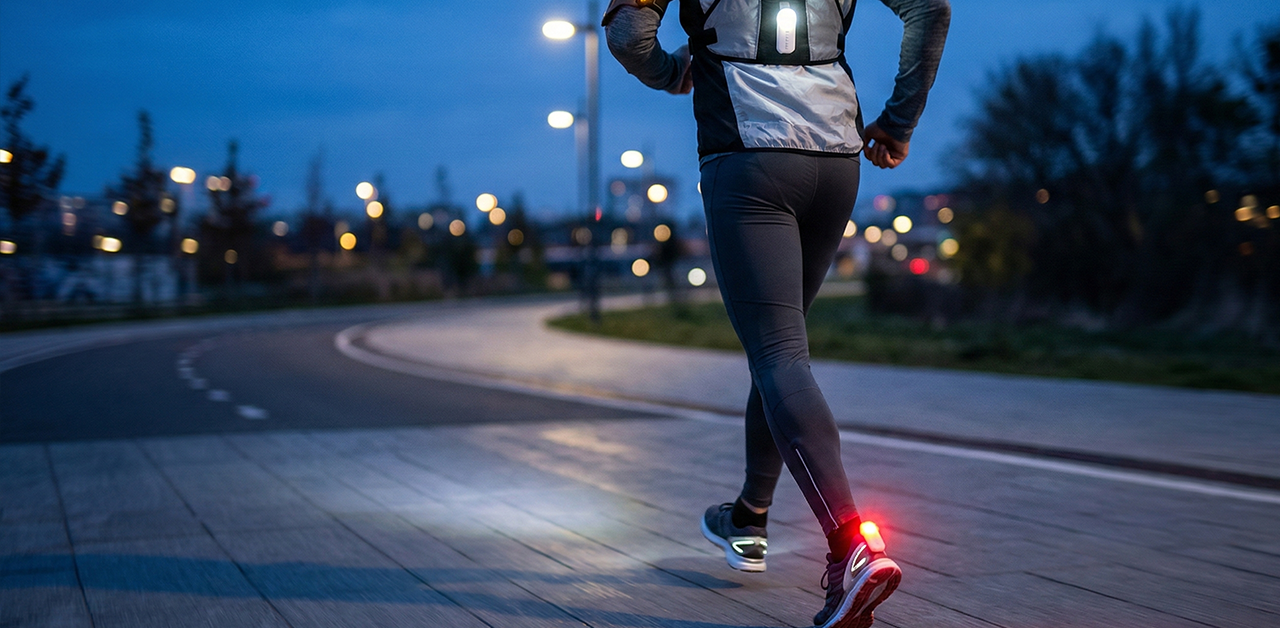
Investing in proper visibility gear is non-negotiable when you’re learning how to run safely in winter darkness. Reflective clothing might seem like an obvious choice, but there’s a significant difference between basic reflective strips and high-quality, 360-degree visibility gear. Reflective vests designed specifically for runners provide visibility from all angles, ensuring that drivers approaching from any direction can spot you well in advance.
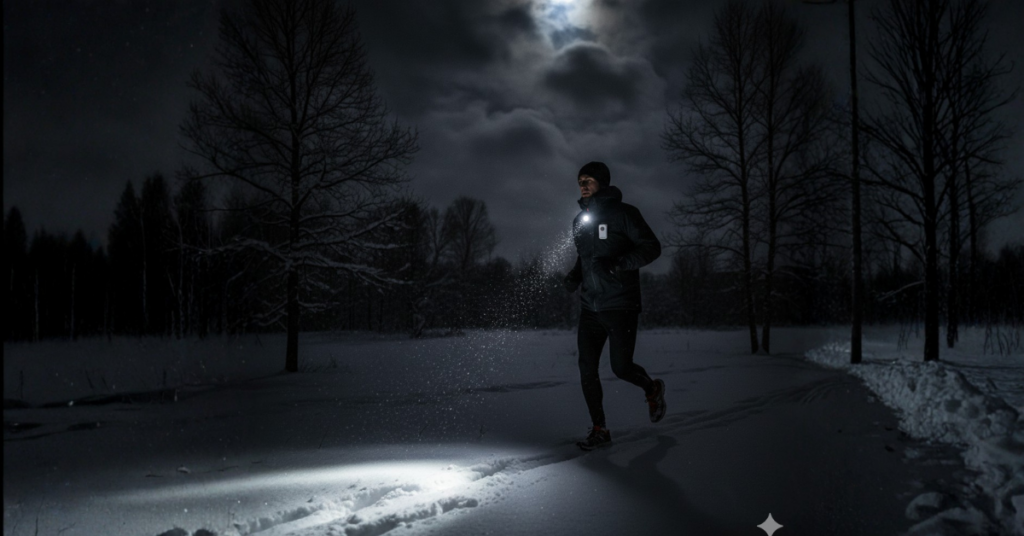
However, reflective gear alone isn’t enough—it only works when light hits it. This is where active lighting becomes essential. A quality headlamp serves dual purposes: it illuminates your path ahead while also making you visible to others. Look for headlamps with at least 200 lumens for urban running and 400+ lumens for trails or poorly lit areas. Many modern headlamps offer multiple beam settings, allowing you to adjust brightness based on conditions and conserve battery life during longer runs.
Don’t stop at just a headlamp, though. Adding clip-on LED lights to your clothing creates multiple points of visibility that help drivers and others gauge your distance and movement. Placing lights on your front, back, and even your arms or legs creates a distinctive pattern that’s immediately recognizable as a runner, rather than a stationary object. Some runners even opt for LED-equipped running belts or armbands that flash in different colors, making them impossible to miss.
Consider the specific conditions of your running routes when selecting visibility gear. If you primarily run on busy streets with streetlights, you might prioritize being seen over seeing ahead. Trail runners or those in rural areas need powerful headlamps that can illuminate uneven terrain and spot wildlife or obstacles from a distance. Many experienced winter runners layer their visibility gear, combining reflective clothing with multiple light sources for maximum safety.
Choosing the Right Reflective Materials
Not all reflective materials perform equally in winter darkness. Traditional reflective strips use glass bead technology that bounces light back toward its source, but newer materials like prismatic reflective tape offer superior performance. These advanced materials reflect light more efficiently and remain effective even when wet or covered in light snow—common conditions during winter running.
The placement of reflective elements matters as much as the material quality. Reflective details on moving parts of your body, like your legs and arms, create a dynamic visual pattern that catches drivers’ attention more effectively than static reflective panels on your torso. This biological motion is recognized more quickly by the human brain, giving drivers extra milliseconds to react to your presence.
Planning Your Route for Maximum Safety
Route selection takes on new importance when figuring out how to run safely in winter darkness. The familiar route you love during summer months might become treacherous or poorly lit when the sun goes down. Start by running routes you know extremely well—familiarity with every crack, curb, and crossing gives you a significant advantage when visibility is limited. You’ll anticipate challenging sections and can adjust your pace or attention accordingly.
Prioritize well-lit streets and areas with consistent traffic during your running hours. While it might seem counterintuitive to seek out busier roads, moderate vehicle traffic actually increases your safety by ensuring you’re not alone and that drivers are more alert to potential pedestrians. Choose routes with sidewalks whenever possible, and if you must run on roads, always face oncoming traffic so you can see vehicles approaching and take evasive action if necessary.
Consider creating a winter-specific route rotation that accounts for street lighting, traffic patterns, and maintenance schedules. Some municipalities prioritize certain streets for snow removal and salting, making them safer choices for winter running. Public parks with designated running paths often maintain lighting and surface conditions better than residential streets. Scout potential routes during daylight hours first, noting light sources, potential hazards, and emergency exit points you could use if weather conditions deteriorate mid-run.
Using Technology to Enhance Route Safety
Modern technology offers several tools for planning safer winter running routes. GPS running apps often include heat maps showing popular running routes in your area—these well-traveled paths typically offer better lighting and maintained surfaces. Some apps even provide safety features like beacon sharing, which allows trusted contacts to track your location in real-time during runs.
Weather and road condition apps help you avoid areas where ice might have formed or where recent precipitation makes surfaces treacherous. Daylight tracking apps tell you exactly when civil twilight begins and ends in your location, helping you time your runs for maximum natural light. Some dedicated runners even use street view mapping to virtually scout routes, identifying street lights and potential problem areas before ever setting foot outside.
Adapting Your Running Form and Pace
Learning how to run safely in winter darkness requires more than just equipment and route planning—you need to adjust your actual running technique. Your typical pace likely needs modification when running in reduced visibility and potentially slippery conditions. Shortening your stride slightly lowers your center of gravity and gives you more time to react to unexpected obstacles. This adjustment might feel awkward initially, but it significantly reduces your risk of falls and injuries.
Focus becomes paramount when running in darkness. Unlike daytime running where you might let your mind wander, winter darkness demands consistent attention to your surroundings. Scan the ground ahead continuously, looking for ice patches, uneven surfaces, or debris that could cause problems. Keep your eyes moving between the path immediately in front of you and the area 10-15 feet ahead, balancing immediate obstacle avoidance with route awareness.
Your arm carriage and overall posture should adapt to winter conditions as well. Keeping your arms slightly wider and lower than usual helps with balance on slippery surfaces. Maintain an upright posture rather than leaning forward, which can make it harder to spot hazards and increases the likelihood of falling hard if you do slip. Some runners find that slightly engaging their core muscles throughout the run improves stability on unpredictable surfaces.
Developing Better Proprioception for Dark Running
Proprioception—your body’s awareness of its position in space—becomes increasingly important when visual cues are limited. You can develop this sense through specific exercises and mindful running practices. Try incorporating balance training into your routine, such as single-leg stands or stability ball exercises. These activities improve your body’s ability to maintain equilibrium when you can’t see perfectly.
During your runs, periodically close your eyes for just a second or two (only in safe, straight sections with no obstacles). This brief exercise forces your body to rely on proprioceptive feedback rather than visual input, strengthening the neural pathways that keep you balanced. Over time, you’ll develop better body awareness that serves you well when running through shadowy areas or on uneven terrain.
Dressing Appropriately for Cold and Visibility
The clothing challenge for winter darkness running requires balancing warmth, mobility, and visibility—three factors that don’t always align easily. Layering remains the foundation of cold-weather running attire, but your layers need to incorporate reflective or bright elements without sacrificing technical performance. Start with a moisture-wicking base layer that keeps sweat away from your skin, preventing the dangerous chill that comes from wet clothing in cold temperatures.
Your middle layer should provide insulation while allowing freedom of movement. Lightweight fleece or synthetic insulating layers work well for most winter conditions, though you’ll need to experiment with thickness based on your local climate and personal heat generation. Here’s where visibility integration becomes creative—many modern running jackets feature built-in reflective panels or loops for attaching lights, combining functionality with safety features.
The outer layer poses the biggest challenge when figuring out how to run safely in winter darkness. You need wind and precipitation protection, but you also need maximum visibility. Bright colors like neon yellow, orange, or pink help during twilight hours when there’s still some ambient light, while reflective elements handle true darkness. Some runners opt for reflective vests worn over their regular running jackets, while others invest in high-visibility running jackets designed specifically for winter conditions.
Special Considerations for Extremities
Don’t forget that visible hands and head improve your overall safety profile. Reflective gloves or gloves with LED lights serve dual purposes—keeping your hands warm while making your arm movements more visible to drivers. Your headwear should accommodate your headlamp comfortably while providing adequate warmth without causing overheating. Many runners prefer headbands or ear warmers that leave the top of their head exposed for heat dissipation while protecting sensitive ears from cold wind.
Footwear deserves special attention during winter darkness running. While visibility matters, traction becomes the primary concern for your feet. Look for running shoes with aggressive tread patterns or consider traction devices that attach to regular running shoes for icy conditions. Some companies now produce running shoes with reflective elements built into the design, offering a small additional safety benefit without compromising performance.
Running with Partners and Community Safety
One of the most effective strategies for how to run safely in winter darkness is simply not running alone. Finding a running partner or joining a running group dramatically increases your safety through multiple mechanisms. You’re more visible as a group, with multiple lights and reflective surfaces creating a larger visual footprint for drivers and others. Two or more people can watch out for each other, spotting hazards that an individual might miss and providing immediate help if someone slips or gets injured.
Running clubs often organize specific winter darkness runs, complete with planned routes that prioritize safety and sometimes even vehicle support. These organized runs take much of the guesswork out of winter training while providing social connection that makes cold, dark miles more enjoyable. For busy parents, running groups also offer built-in accountability—you’re less likely to skip a run when others are counting on you to show up.
If you can’t find an in-person running partner, technology offers alternatives. Virtual running communities coordinate runs at similar times, and while you’re physically alone, you’re connected through apps and can check in with each other before and after runs. Some runners arrange to call friends or family members at the start and end of runs, creating a safety net that alerts someone if they don’t check in as expected.
Creating Your Own Running Pod
Consider forming a small, consistent running group specifically for winter darkness runs. Three to five reliable runners make an ideal pod size—large enough for good visibility and safety but small enough to maintain a consistent pace and schedule. Establish clear communication protocols about timing, meeting locations, and what happens if someone can’t make a scheduled run. Many successful running pods use group messaging apps to coordinate last-minute changes and encourage each other during challenging weather.
When running in a group during winter darkness, arrange yourselves strategically for maximum visibility and safety. If running on roads without sidewalks, use a single-file formation on the left side, facing traffic. The lead runner should have the brightest headlamp for path illumination, while the rear runner should have the most visible rear-facing light. Consider rotating positions periodically so everyone gets a chance to lead and follow, which uses slightly different muscle groups and keeps things interesting.
Alertness and Situational Awareness
Mental preparation is just as important as physical preparation when learning how to run safely in winter darkness. Situational awareness—constantly monitoring your environment and potential threats—becomes your most valuable safety tool. This means making some adjustments to habits you might enjoy during daytime runs. Save the podcasts and music for treadmill runs or daytime outdoor sessions, keeping your ears free to hear approaching vehicles, other people, or animals during winter darkness runs.
If you absolutely must have audio entertainment during your runs, use bone conduction headphones that leave your ear canals open to ambient sound. Keep the volume low enough that you can clearly hear traffic and other environmental sounds. Better yet, use only one earbud and keep it at minimal volume. Your hearing provides crucial information that your limited vision can’t capture in darkness—the sound of a car approaching from behind, ice cracking under someone else’s feet nearby, or a dog barking that might indicate an unleashed animal ahead.
Develop a habit of constantly scanning your environment using what security professionals call the “Cooper Color Code” awareness system. Most of your run should be in “yellow” awareness—relaxed but alert, actively processing information about your surroundings without paranoia or fear. This state of mind allows you to enjoy your run while remaining ready to escalate to “orange” focused attention if something seems off. Trust your instincts—if a person, place, or situation feels wrong, change your route or turn back.
Recognizing and Avoiding Threats
Winter darkness unfortunately can embolden individuals with bad intentions, making personal safety another consideration beyond environmental hazards. Vary your routes and running times when possible, avoiding predictable patterns that someone could exploit. Choose routes through areas with some activity and visibility rather than completely isolated paths, even if the isolated routes seem more peaceful. Stay alert to vehicles that slow down near you or seem to be following you—if this happens, immediately change direction toward lit, populated areas.
Carry identification and a phone during every winter darkness run, regardless of distance. Your phone serves multiple purposes: emergency communication, GPS tracking that others can access, and even a flashlight backup if your headlamp fails. Some runners also carry personal safety devices like pepper spray or personal alarms, particularly in areas where they’ve had concerning encounters or where wildlife might pose risks. Position these items where you can access them quickly without breaking stride.
Weather Monitoring and Adaptation
Understanding how to run safely in winter darkness includes becoming a skilled amateur meteorologist. Winter weather can change rapidly, and conditions that seem manageable at the start of your run might deteriorate quickly. Check weather forecasts before every run, but don’t stop there—look at radar imagery, wind predictions, and “feels like” temperatures that account for wind chill. Set parameters for what conditions will keep you indoors: ice warnings, extreme cold, or severe weather alerts should probably send you to the treadmill instead.
Temperature considerations during winter darkness differ from daytime winter running. Overnight cooling can create black ice on surfaces that were merely wet earlier in the day. Morning runners face the coldest temperatures of the 24-hour cycle, requiring extra attention to frost and ice formation. Evening runners might encounter freezing fog or precipitation that wasn’t present during afternoon hours. Understanding these patterns in your specific location helps you anticipate conditions and prepare accordingly.
Wind chill deserves special attention in your weather monitoring. The same temperature can feel vastly different depending on wind conditions, and wind not only increases hypothermia risk but also makes it harder to hear approaching vehicles or other hazards. Plan routes that account for prevailing wind direction—starting against the wind means you’ll have it at your back on the return journey when you’re potentially tired and sweaty. This strategy also prevents the dangerous situation of becoming overheated early in your run and then facing freezing wind while fatigued.
Adjusting Plans Based on Conditions
Flexibility is essential for safe winter darkness running. Have backup plans ready for when conditions exceed your safety parameters. This might mean switching to an indoor track, using a treadmill, or doing alternative workouts like strength training or yoga. Many experienced runners develop a hierarchy of routes for different condition levels: ideal winter routes for clear, calm nights; moderate routes for light snow or warmer temperatures; and minimal routes very close to home for borderline conditions.
Learn to recognize when conditions demand cutting a run short. Pride and training plans shouldn’t override safety—there’s no shame in turning back if freezing rain starts falling, if ice makes every step treacherous, or if your visibility gear fails. Build turnaround decision points into every run, places where you assess conditions and honestly evaluate whether continuing makes sense. Some runners use the “one-third rule” for winter darkness runs: if you’re not feeling confident about conditions after one-third of your planned distance, turn back while you’re still relatively close to home.
Winter Darkness Running Maintenance and Recovery
The additional stress of running in winter darkness requires enhanced attention to recovery and maintenance. Cold temperatures tighten muscles and reduce flexibility, increasing injury risk if you don’t warm up properly. Start every winter darkness run with an extended warm-up, either indoors before heading out or with very easy jogging for the first 10-15 minutes. Your muscles need extra time to reach optimal operating temperature when the ambient air is trying to cool them down.
Post-run recovery becomes even more critical during winter months. Get out of wet, cold clothing immediately after finishing your run—standing around chatting while your sweat-damp clothes freeze against your skin is a recipe for illness. Have dry, warm clothes ready to change into, or better yet, plan your route to end at your door so you can immediately shower and warm up. Some runners keep an insulated water bottle with warm (not hot) liquid ready for post-run hydration and internal warming.
Pay extra attention to your running gear maintenance during winter darkness running. Salt from treated roads can degrade reflective materials and running shoe uppers. Clean your shoes regularly and inspect reflective elements for wear or damage. Battery-powered lights need fresh batteries or regular charging—establish a routine of charging headlamps after every run or changing batteries on a set schedule rather than waiting for them to die mid-run. Keep a backup headlamp or flashlight in your regular running gear so you’re never caught in darkness without light.
Injury Prevention in Cold Darkness
The combination of cold temperatures and limited visibility creates unique injury risks that require specific prevention strategies. Dynamic stretching before runs helps more than static stretching in cold conditions, preparing muscles for work without the prolonged muscle cooling that static stretches can cause in winter air. Focus on movements that mimic running mechanics: leg swings, walking lunges, high knees, and butt kicks all warm up running-specific muscle groups.
Consider shortening individual runs slightly compared to your warm-weather distances, especially when learning how to run safely in winter darkness. The additional energy required to maintain body temperature and navigate challenging conditions means your body experiences more stress at any given distance. Some runners maintain weekly mileage but distribute it across more frequent, shorter runs rather than fewer long runs. This approach reduces the time spent in darkness for any single run while maintaining training consistency.
Technology and Apps for Winter Running Safety
Modern technology provides powerful tools for enhancing safety during winter darkness runs. GPS running watches with safety features can share your location with emergency contacts and even detect falls, automatically sending alerts if you don’t respond within a set time. Many watches now include built-in lights, though these shouldn’t replace dedicated headlamps and visibility gear. The real value of GPS watches lies in their ability to track your route and provide someone else access to your location in real-time.
Safety-specific apps like Road ID, bSafe, or Watch Over Me offer features designed specifically for solo athletes. These apps can broadcast your location to chosen contacts, activate automatic check-ins that alert others if you don’t confirm you’re safe, and even trigger loud alarms or automatic emergency calls if you need help. Some apps integrate with smart home devices, so you can program your lights to turn on when you’re approaching home, eliminating a dark approach to your door.
Weather radar apps provide more detailed and current information than general weather forecasts. Apps like RadarScope or MyRadar show precipitation intensity and movement, helping you time your run to avoid the worst conditions. Hyperlocal weather apps can tell you when the temperature will drop below freezing in your specific neighborhood, helping you avoid the icy conditions that often form right around that threshold temperature.
Leveraging Social Media for Safety
Social media platforms offer surprising safety benefits for winter darkness runners. Many runners post their intended routes and expected return times on private groups or stories, creating informal accountability. Local running groups on Facebook or Strava often share real-time information about route conditions, lighting outages, or areas to avoid due to construction or other hazards. This crowd-sourced intelligence helps you make better decisions about where and when to run.
Give us a call today at 1-877-777-6086 or fill out our contact form to become a retail
distributor of our top-of-the-line safety lights.