In today’s digital age, it’s more crucial than ever to incorporate movement into kids’ routines. As parents and caregivers, we often find ourselves wondering, “What are effective ways to incorporate movement into kids’ routines?” The answer lies in understanding the profound impact physical activity has on children’s overall development. Regular movement not only promotes physical health but also enhances cognitive function, emotional well-being, and social skills. By integrating active play and exercise into daily routines, we can set the foundation for a lifetime of healthy habits. Let’s explore some innovative and engaging strategies to get kids moving throughout the day, ensuring they reap the countless benefits of an active lifestyle.
Start the Day with Energy-Boosting Activities
Kickstarting the morning with movement sets a positive tone for the entire day. Consider implementing a fun and energizing wake-up routine that gets your kids out of bed and ready to tackle their daily challenges. Here are some effective ways to incorporate movement into kids’ routines right from the start:
Morning Stretch and Dance Party
Begin the day with a quick stretching session followed by a lively dance party. Put on your kids’ favorite upbeat songs and encourage them to move their bodies in whatever way feels good. This not only wakes up their muscles but also boosts their mood and energy levels. You can even create a playlist of different songs for each day of the week, adding an element of excitement and anticipation to their morning routine.
Active Commute to School
If possible, opt for an active commute to school. Walking, biking, or skateboarding are excellent ways to incorporate movement into kids’ routines while also teaching them valuable life skills. For those living farther away, consider parking a short distance from the school and walking the rest of the way together. This not only provides a burst of physical activity but also allows for quality bonding time and helps kids arrive at school feeling refreshed and ready to learn.
Incorporate Movement Breaks Throughout the Day
One of the most effective ways to incorporate movement into kids’ routines is by integrating short activity breaks throughout their day. These brief bursts of physical activity can help maintain focus, improve mood, and boost overall energy levels. Here are some creative ideas to keep kids moving:
Desk Exercises and Stretches
Encourage kids to perform simple exercises and stretches at their desks during study or homework time. These can include:
- Seated leg lifts
- Arm circles
- Shoulder rolls
- Ankle rotations
- Neck stretches
Not only do these movements help prevent stiffness and promote better posture, but they also provide a quick mental break, allowing kids to return to their tasks with renewed focus and energy.
Active Learning Games
Transform learning into an active experience by incorporating movement-based games and activities. For example, create a scavenger hunt that requires kids to move around the house or yard to find objects related to their lessons. You can also use physical movements to reinforce concepts, such as jumping jacks while reciting multiplication tables or acting out historical events. These engaging activities make learning more enjoyable while simultaneously addressing the question, “What are effective ways to incorporate movement into kids’ routines?”
Make Household Chores an Active Adventure
Turning everyday household tasks into fun, movement-based activities is an excellent way to incorporate physical activity into kids’ routines while also teaching them valuable life skills. Here are some creative ideas to make chores more engaging and active:
Cleaning Olympics
Transform cleaning into a competitive sport by organizing a “Cleaning Olympics.” Create different events such as “Speed Sweeping,” “Dusting Relay,” or “Laundry Basketball.” Set up challenges and timers, and award points or small prizes for completed tasks. This not only gets kids moving but also makes cleaning feel like a fun game rather than a tedious chore.
Dance and Clean
Put on some upbeat music and challenge your kids to clean to the rhythm. Encourage them to dance while tidying up their rooms, folding laundry, or helping with dishes. You can even create specific dance moves for different cleaning tasks, making the whole process more entertaining and physically active.
Outdoor Activities for Active Family Time
Spending time outdoors is one of the most effective ways to incorporate movement into kids’ routines. Fresh air and natural surroundings provide the perfect backdrop for physical activity and family bonding. Here are some ideas to make outdoor time an active and enjoyable experience:
Family Sports Nights
Designate one evening a week as “Family Sports Night.” Rotate through different sports and activities such as soccer, basketball, frisbee, or badminton. This not only provides regular physical activity but also helps kids develop a variety of skills and discover new interests. Don’t forget to include some friendly competition to keep everyone engaged and motivated.
Nature Exploration Hikes
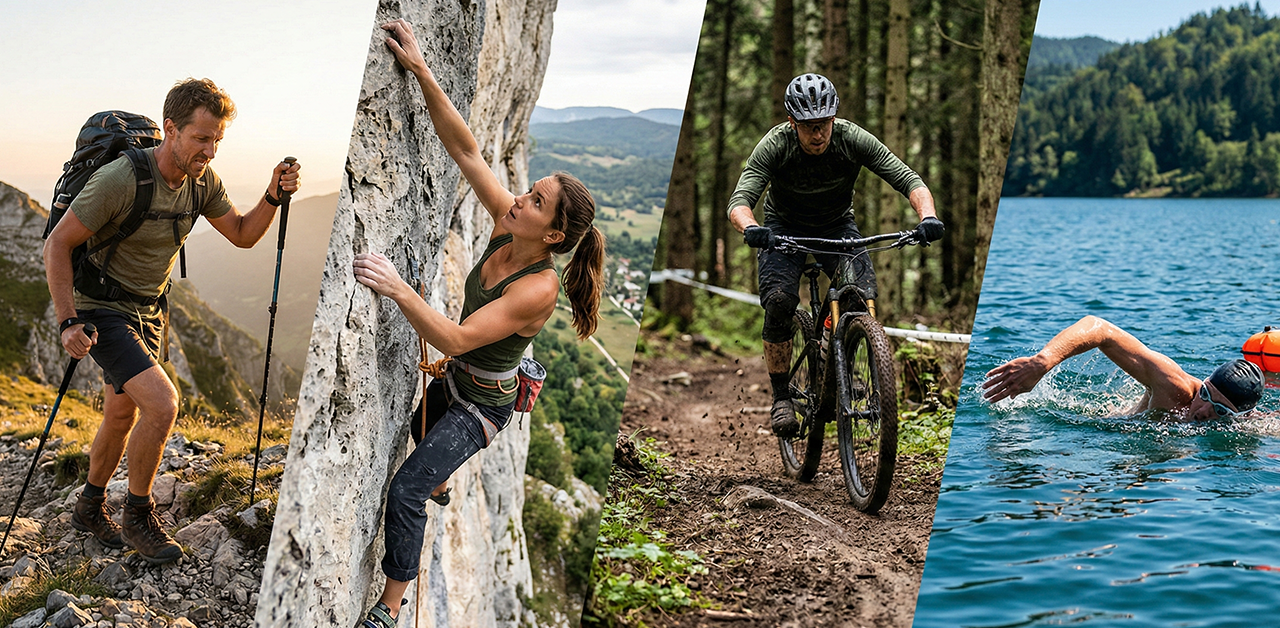
Plan regular nature hikes or walks in local parks, forests, or nature reserves. Turn these outings into educational adventures by incorporating scavenger hunts or nature identification games. Encourage kids to climb over logs, balance on fallen trees, or navigate rocky paths to add an extra element of physical challenge. These activities not only provide exercise but also foster a connection with nature and spark curiosity about the environment.
Utilize Technology for Active Screen Time
In today’s digital world, completely eliminating screen time can be challenging. However, you can transform sedentary screen time into an active experience. Here are some tech-savvy ways to incorporate movement into kids’ routines:
Active Video Games
Invest in motion-controlled video game systems or games that require physical movement. Many popular gaming consoles offer a variety of active games that simulate sports, dance, or adventure activities. These games can provide a fun and engaging way for kids to stay active, especially during inclement weather or when outdoor activities aren’t possible.
Fitness Apps and Online Workouts
Explore kid-friendly fitness apps and online workout videos designed specifically for children. Many of these resources offer fun, age-appropriate exercises and movement challenges that can be done at home. You can make it a family activity by participating alongside your kids, creating a supportive and motivating environment for regular physical activity.
Create Active Transition Routines
Transitions between activities or parts of the day present perfect opportunities to incorporate movement into kids’ routines. By adding short bursts of physical activity during these times, you can help kids refocus and re-energize. Here are some effective ways to make transitions more active:
Movement Cards
Create a set of “movement cards” with simple exercises or activities written on them. During transitions, such as between homework subjects or before meals, have kids draw a card and perform the activity. This could include things like:
- 10 jumping jacks
- Running in place for 30 seconds
- 5 push-ups
- A 1-minute dance break
- 20 arm circles
This adds an element of surprise and fun to transitions while ensuring kids get regular movement throughout the day.
Active Countdown
When it’s time to transition from one activity to another, use an “active countdown” instead of a traditional timer. For example, count down from 10 to 1, with a different movement assigned to each number. This could look like:
- 10 toe touches
- 9 arm swings
- 8 high knees
- 7 squats
- 6 heel kicks
- 5 star jumps
- 4 lunges
- 3 twists
- 2 hops
- 1 big stretch
This method not only incorporates movement but also helps kids mentally prepare for the next activity.
Encourage Active Relaxation Techniques
While it’s important to incorporate movement into kids’ routines, it’s equally crucial to teach them active relaxation techniques. These methods can help children manage stress, improve focus, and wind down at the end of the day, all while keeping their bodies engaged. Here are some effective ways to introduce active relaxation:
Kid-Friendly Yoga
Introduce children to yoga through fun, age-appropriate classes or videos. Many yoga poses are named after animals or objects, making them engaging and easy for kids to remember. Regular yoga practice can improve flexibility, balance, and body awareness while also teaching valuable breathing and relaxation techniques. You can even create a bedtime yoga routine to help kids unwind before sleep.
Mindful Movement Exercises
Teach kids simple mindful movement exercises that combine gentle physical activity with awareness practices. For example, guide them through a “body scan” where they tense and relax different muscle groups, or practice “mindful walking” where they focus on the sensation of each step. These exercises not only provide light physical activity but also help children develop body awareness and stress management skills.
Set Up an Indoor Movement Zone
Creating a dedicated space for movement inside the home can be one of the most effective ways to incorporate movement into kids’ routines, especially during inclement weather or when outdoor activities aren’t possible. Here’s how to set up an engaging indoor movement zone:
Obstacle Course Corner
Designate a corner or area of your home for a flexible obstacle course. Use household items like cushions, hula hoops, jump ropes, and cardboard boxes to create a course that can be easily set up and modified. Encourage kids to design their own courses and time themselves completing them. This not only provides physical activity but also stimulates creativity and problem-solving skills.
Active Play Station
Set up a play station with equipment that promotes movement, such as:
- A mini trampoline
- An indoor basketball hoop
- A balance board
- Resistance bands
- Exercise balls
Rotate the equipment regularly to keep things interesting, and create challenges or games that incorporate these items. For example, see how many times they can bounce on the trampoline while reciting the alphabet, or challenge them to dribble the basketball for a certain amount of time without dropping it.
Implement Active Learning Techniques
Incorporating movement into academic learning can significantly enhance retention and engagement. By combining physical activity with educational content, you’re addressing the question “What are effective ways to incorporate movement into kids’ routines?” while also boosting their cognitive development. Here are some strategies to make learning more active:
Math and Movement
Use physical activities to reinforce math concepts. For example:
- Have kids do jumping jacks while counting by twos, fives, or tens
- Create a hopscotch grid with math problems in each square
- Use arm movements to represent greater than, less than, and equal to symbols
- Practice geometry by having kids form shapes with their bodies
These activities not only make math more engaging but also help kinesthetic learners better understand and remember concepts.
Vocabulary Charades
Turn vocabulary practice into an active game of charades. Write vocabulary words on slips of paper and have kids act them out without speaking. This not only reinforces word meanings but also encourages creativity and physical expression. You can adapt this game for various subjects, such as acting out historical events or scientific processes.
Encourage Participation in Organized Sports and Activities
While incorporating movement into daily routines is crucial, participating in organized sports and activities can provide additional benefits and structure. Here’s how to effectively encourage kids to get involved in regular physical activities outside the home:
Explore Various Options
Expose children to a wide range of sports and physical activities to help them find something they truly enjoy. This could include:
- Team sports like soccer, basketball, or volleyball
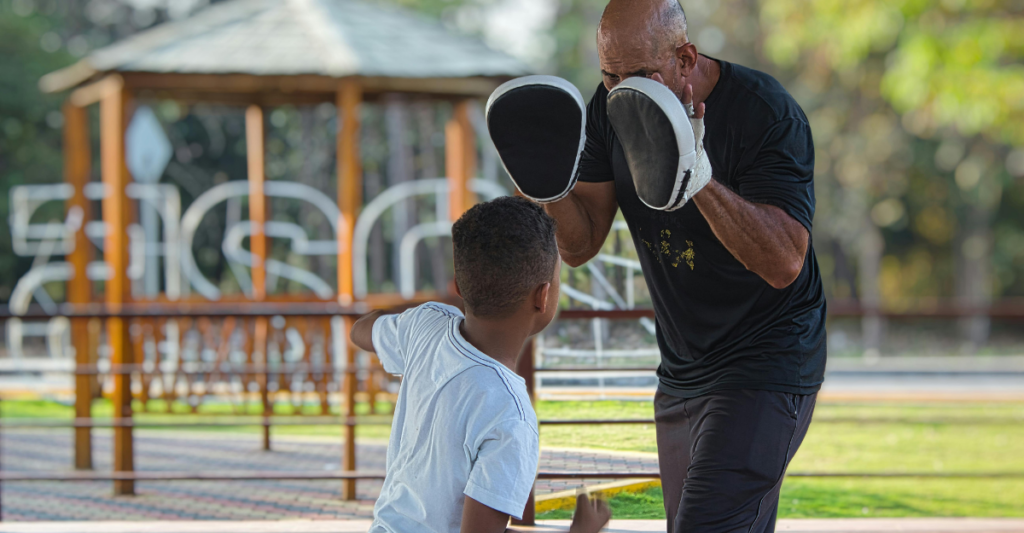
- Individual sports such as swimming, tennis, or martial arts
- Dance classes in various styles
- Gymnastics or acrobatics
- Rock climbing or obstacle course training
Allow kids to try different activities without pressure to commit long-term. This exploration can help them discover their passions and develop a positive attitude towards physical activity.
Lead by Example
One of the most effective ways to incorporate movement into kids’ routines is by modeling an active lifestyle yourself. Participate in sports or fitness activities and invite your children to join you. This could mean taking family bike rides, joining a parent-child sports league, or attending fitness classes together. When kids see their parents enjoying physical activity, they’re more likely to develop a lifelong appreciation for movement and exercise.
Make Movement a Reward, Not a Punishment
To foster a positive association with physical activity, it’s crucial to present movement as a reward rather than a punishment. This approach can significantly impact how children perceive exercise and increase their intrinsic motivation to stay active. Here are some strategies to make movement a desirable part of kids’ routines:
Movement-Based Privileges
Create a system where additional physical activities are presented as privileges or rewards. For example:
- Extra time at the playground for completing homework efficiently
- A special bike ride or hike as a weekend treat for good behavior
- The chance to choose a family physical activity for reaching a goal
This approach helps children view movement as something to look forward to rather than a chore or obligation.
Celebratory Movement Rituals
Incorporate movement into your family’s celebration rituals. This could include:
- A victory dance for achieving a goal
- A family adventure outing for special occasions
- Active party games for birthdays
By associating movement with positive experiences and celebrations, you reinforce the idea that physical activity is enjoyable and rewarding.
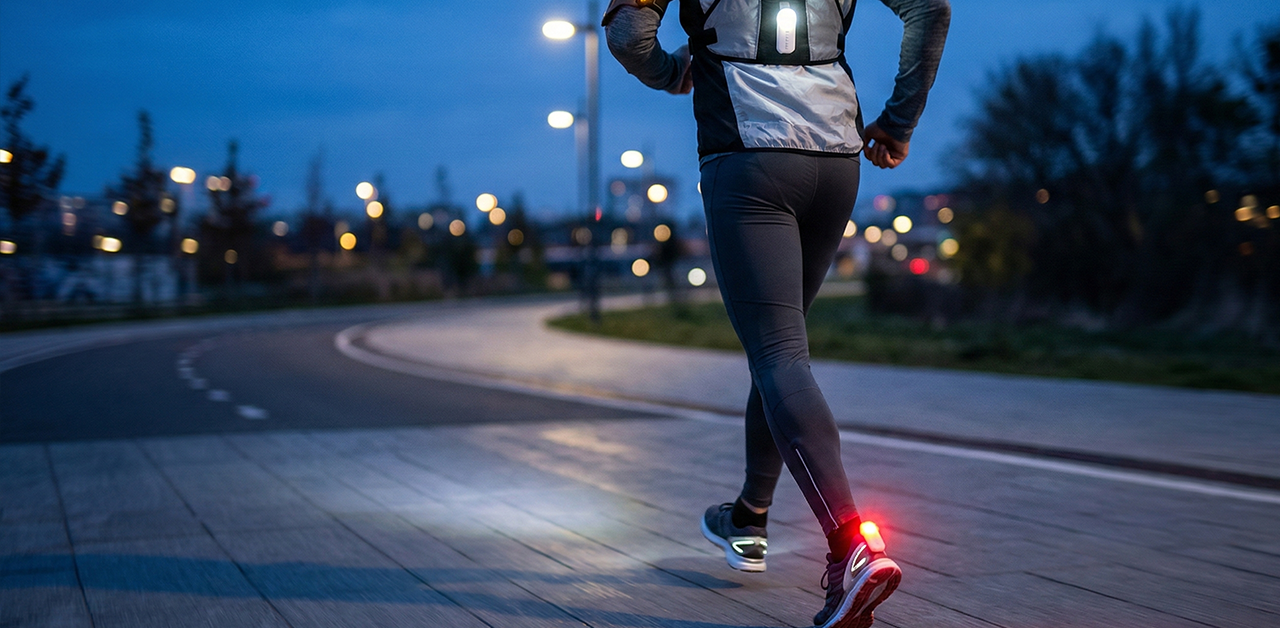
Give us a call today at 1-877-777-6086 or fill out our contact form to become a retail
distributor of our top-of-the-line safety lights.