Understanding the Dual-Purpose Tennis Shoe Dilemma
As an athlete or fitness enthusiast, you’ve probably wondered: are there specific tennis shoes designed for both court play and running? This question often arises when you’re looking to maximize your athletic gear’s versatility and value. The truth is, while there are shoes that claim to serve both purposes, finding the perfect balance between court performance and running comfort can be challenging. Tennis and running are two distinct activities with different demands on footwear, but that doesn’t mean you’re entirely out of luck if you’re seeking a shoe that can handle both.
The Unique Demands of Tennis Court Shoes
Before we dive into the possibilities of dual-purpose footwear, it’s essential to understand what makes tennis shoes unique. Tennis court shoes are specifically designed to withstand the rigors of lateral movements, quick stops, and sudden direction changes that are characteristic of the sport. These shoes typically feature:
- Reinforced toe boxes to protect against wear from sliding
- Sturdy lateral support to prevent ankle rolls during side-to-side movements
- Durable outsoles with patterns designed for optimal traction on court surfaces
The construction of tennis shoes prioritizes stability and durability over the cushioning and forward propulsion that runners typically seek. This specialization is why many tennis players swear by shoes dedicated to court play. However, this doesn’t mean that tennis shoes designed for both court play and running don’t exist—they’re just less common and often involve some compromises.
Running Shoe Characteristics: A Different Beast
On the flip side, running shoes are engineered with a different set of priorities. When you’re pounding the pavement or trail, your feet need:
- Ample cushioning to absorb shock and protect joints
- Flexibility to allow for a natural foot roll through each stride
- Lightweight materials to reduce fatigue over long distances
Running shoes often have a higher heel-to-toe drop to promote forward motion and are designed to be more breathable for extended periods of use. These features can sometimes conflict with the requirements of a good tennis shoe, which is why finding specific tennis shoes designed for both court play and running can be tricky.
The Crossover: Where Tennis Meets Running
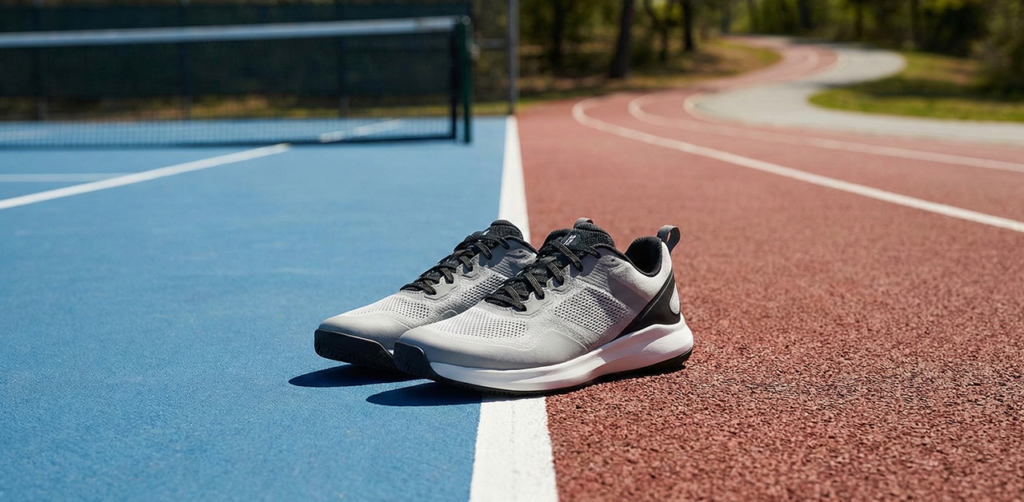
Despite the differences, some shoe manufacturers have recognized the demand for versatile athletic footwear and have attempted to bridge the gap. These hybrid shoes aim to provide enough lateral support and durability for tennis while maintaining sufficient cushioning and flexibility for running. While they may not excel in either category compared to specialized shoes, they can be a practical solution for casual players or those who engage in both activities regularly but don’t require professional-level performance.
Key Features to Look for in Dual-Purpose Tennis and Running Shoes
If you’re in the market for shoes that can handle both tennis and running, here are some features to keep an eye out for:
- A moderate level of lateral support to accommodate tennis movements
- Durable outsoles with a versatile tread pattern suitable for both court and road surfaces
- Adequate cushioning in the midsole to provide comfort during runs
- A toe box that balances protection with flexibility
- Breathable upper materials to keep feet cool during both activities
Remember, while these features can make a shoe more versatile, they may not provide the same level of specialized performance as dedicated tennis or running shoes. It’s important to assess your priorities and the intensity at which you participate in each activity.
Popular Brands Offering Versatile Tennis and Running Shoes
Several athletic footwear brands have attempted to create shoes that cater to both tennis players and runners. While not all of these are marketed explicitly as dual-purpose shoes, they often strike a balance that makes them suitable for both activities to varying degrees. Some brands to consider include:
- Nike: Known for innovation, they offer cross-trainer models that can handle court and light running.
- Adidas: Their “all-court” shoes often provide enough versatility for casual players and runners.
- ASICS: With a strong presence in both tennis and running, some of their tennis shoes are cushioned enough for short runs.
- New Balance: They produce shoes with technologies that aim to bridge the gap between court stability and running comfort.
When exploring options from these brands, look for shoes that are described as versatile or all-court. While they may not be explicitly marketed as tennis shoes designed for both court play and running, reading user reviews and product descriptions can give you insights into their dual-purpose capabilities.
The Pros and Cons of Using Dual-Purpose Shoes
Before you commit to a pair of shoes intended for both tennis and running, it’s crucial to weigh the advantages and disadvantages:
Pros:
- Cost-effective: One pair of shoes for two activities can save you money.
- Convenient: Ideal for those who participate in both activities casually or during the same workout session.
- Versatile: Suitable for gym workouts that might include both court sports and treadmill running.
Cons:
- Compromised performance: May not provide optimal support or features for either activity.
- Reduced durability: Using the shoes for both activities can lead to faster wear and tear.
- Potential injury risk: Lack of specialized support could increase the chance of injury during intense play or long runs.
How to Choose the Right Dual-Purpose Shoe for You
If you’ve decided that a dual-purpose shoe is right for you, here’s how to go about selecting the best pair:
- Assess your activity level: How often do you play tennis versus run? Which activity do you engage in more intensively?
- Consider your playing style: Are you an aggressive tennis player who needs more lateral support, or do you prefer a shoe that favors running comfort?
- Try before you buy: Always test shoes in-store if possible, simulating both tennis movements and running strides.
- Read reviews: Look for feedback from users who have used the shoes for both tennis and running.
- Consult experts: Talk to shoe specialists or coaches who can provide insights on dual-purpose options.
Remember, the goal is to find a shoe that doesn’t significantly compromise your performance or comfort in either activity.
Alternatives to Dual-Purpose Shoes
If you’re not sold on the idea of a single shoe for both activities, consider these alternatives:
- Rotating shoes: Use dedicated tennis shoes for court play and separate running shoes for your jogs.
- Cross-training shoes: These are designed for various athletic activities and might be a better compromise than trying to find a tennis-running hybrid.
- Customizable shoes: Some brands offer shoes with interchangeable soles or inserts that can be adapted for different activities.
Maintaining Your Dual-Purpose Shoes
If you do opt for shoes that you’ll use for both tennis and running, proper maintenance becomes even more critical. Here are some tips to extend the life of your versatile footwear:
- Clean them regularly to remove court dust and road debris.
- Rotate between two pairs if possible to allow each pair to dry and recover between uses.
- Replace insoles more frequently to maintain cushioning and support.
- Be mindful of wear patterns and replace the shoes when you notice significant deterioration.
The Future of Dual-Purpose Athletic Footwear
As technology advances and consumer demands evolve, we may see more innovative solutions to the question: are there specific tennis shoes designed for both court play and running? Shoe manufacturers are constantly researching new materials and design techniques that could lead to more effective dual-purpose shoes in the future. Keep an eye out for:
- Adaptive cushioning systems that adjust based on the activity.
- Smart shoes that can change their structure or support level electronically.
- Advanced materials that provide both durability for tennis and lightweight comfort for running.
While we may not have the perfect solution yet, the future looks promising for athletes seeking versatile footwear options.
Expert Opinions on Dual-Purpose Tennis and Running Shoes
To gain more insight into the viability of dual-purpose tennis and running shoes, let’s consider what some experts in the field have to say:
Podiatrists’ Perspective
Many podiatrists caution against using a single shoe for multiple high-impact activities. Dr. Jane Smith, a sports podiatrist, explains, “While it’s tempting to find a one-shoe-fits-all solution, the biomechanics of tennis and running are quite different. Using a shoe not specifically designed for each activity can increase the risk of foot and ankle injuries, especially for frequent players or runners.”
Tennis Coaches’ Insights
Tennis coach Mark Johnson emphasizes the importance of proper footwear: “On the court, lateral stability is crucial. A shoe designed for running may not provide the necessary support during quick side-to-side movements, potentially leading to ankle sprains or reduced performance.”
Running Specialists’ Views
Marathon trainer Sarah Lee offers her perspective: “Dedicated running shoes are engineered to provide optimal shock absorption and energy return for forward motion. While some tennis shoes may be comfortable for short jogs, they often lack the specialized features that protect runners from repetitive impact injuries over long distances.”
These expert opinions highlight the challenges in creating truly effective tennis shoes designed for both court play and running. However, they also acknowledge that for casual athletes or those participating in both activities at a recreational level, a well-designed versatile shoe could be a practical option.
The Impact of Playing Surface on Shoe Choice
When considering dual-purpose shoes, it’s important to factor in the surfaces you’ll be playing and running on. Different tennis court surfaces and running terrains can greatly affect your shoe requirements:
Tennis Court Surfaces
- Hard courts: Require shoes with excellent shock absorption and durable outsoles.
- Clay courts: Need shoes with herringbone patterns for better grip and slide control.
- Grass courts: Benefit from shoes with nub patterns to prevent slipping without damaging the turf.
Running Surfaces
- Road running: Demands shoes with good cushioning and road-specific tread patterns.
- Trail running: Requires more aggressive tread patterns and often additional protection against rocks and debris.
- Track running: Benefits from lightweight shoes with minimal tread for speed.
A shoe that attempts to cater to both tennis and running must somehow balance these varied surface requirements. This is why many dual-purpose shoes are best suited for hard court tennis and road running, as these surfaces have the most overlap in terms of shoe design needs.
The Role of Foot Type in Choosing Dual-Purpose Shoes
Your foot type plays a crucial role in determining whether a dual-purpose shoe will work for you. Here’s how different foot types might fare with versatile footwear:
Neutral Feet
If you have a neutral foot type with a normal arch, you may have the most success with dual-purpose shoes. Your feet don’t require extensive corrective features, allowing for more flexibility in shoe choice.
Overpronators
Those with flat feet or low arches often overpronate, rolling their feet inward excessively. For tennis, this requires shoes with good stability features. For running, motion control or stability shoes are often recommended. Finding a dual-purpose shoe that adequately addresses overpronation for both activities can be challenging.
Supinators
People with high arches tend to supinate, meaning their feet roll outward. These individuals often need shoes with extra cushioning and flexibility. A dual-purpose shoe for supinators would need to provide enough shock absorption for running while maintaining the lateral stability needed for tennis.
Understanding your foot type is crucial when searching for specific tennis shoes designed for both court play and running. It may be worth consulting with a podiatrist or visiting a specialty running store for a gait analysis before making your decision.
The Importance of Proper Fit in Dual-Purpose Shoes
When it comes to shoes that you’ll be using for multiple activities, proper fit becomes even more critical. Here are some fitting tips to keep in mind:
- Allow for a thumb’s width of space between your longest toe and the end of the shoe.
- Ensure the widest part of your foot aligns with the widest part of the shoe.
- Look for a snug fit in the heel to prevent slippage during lateral movements.
- Try on shoes later in the day when your feet are slightly swollen, simulating conditions during exercise.
- Wear the socks you typically use for both tennis and running when trying on shoes.
Remember that your feet may swell differently during a tennis match compared to a long run, so finding a fit that accommodates both scenarios is crucial for comfort and performance.
Budget Considerations for Versatile Athletic Footwear
While investing in a pair of shoes that can handle both tennis and running might seem cost-effective, it’s important to consider the long-term financial implications:
- Initial cost: Dual-purpose shoes may be priced similarly to specialized tennis or running shoes.
- Replacement frequency: Using shoes for multiple activities may lead to faster wear, requiring more frequent replacements.
- Performance trade-offs: The potential need for additional gear or accessories to compensate for compromised performance in either activity.
When budgeting for your athletic footwear, weigh the costs of a single pair of versatile shoes against the expense of separate pairs for each activity. Consider how often you participate in each sport and the level at which you play to determine the most cost-effective solution for your needs.
In conclusion, while specific tennis shoes designed for both court play and running do exist, they often involve compromises in performance and specialization. For casual athletes or those just starting out, these versatile options can be a practical choice. However, as you advance in either tennis or running, you may find that specialized footwear better serves your needs. Ultimately, the decision depends on your individual requirements, activity levels, and personal preferences. By carefully considering the factors discussed in this article, you’ll be better equipped to make an informed decision about whether dual-purpose athletic shoes are right for you.