When you’re committed to maintaining your fitness routine, you don’t let a little weather stand in your way. But understanding weather safety tips for year-round exercise isn’t just about toughing it out—it’s about working out smarter, protecting your body, and ensuring you can continue your training regimen without risking injury or illness. Whether you’re a dedicated runner logging miles before sunrise, a busy mom squeezing in a workout during your lunch break, or someone who simply refuses to let seasonal changes derail your progress, adapting your exercise habits to different weather conditions is essential for long-term success.
The reality is that extreme temperatures, precipitation, humidity levels, and environmental factors all impact how your body responds to physical activity. Your cardiovascular system works differently in sweltering heat compared to frigid cold. Your muscles require different warm-up protocols when temperatures drop. Even your hydration needs shift dramatically based on the climate you’re exercising in. By implementing proper weather safety tips for year-round exercise, you’ll not only stay safer but also perform better, recover more effectively, and maintain consistency in your training regardless of what Mother Nature throws your way.
Understanding How Weather Affects Your Body During Exercise
Your body is an incredibly adaptable machine, but it has limits when confronted with environmental extremes. When you exercise, your muscles generate heat as a byproduct of energy production, and your core temperature rises. In moderate conditions, your body efficiently dissipates this heat through sweating and increased blood flow to your skin. However, extreme weather conditions—whether hot or cold—challenge these natural cooling and warming mechanisms, forcing your cardiovascular system to work overtime just to maintain homeostasis.
During hot weather, your heart must pump blood both to working muscles and to your skin for cooling purposes, essentially doubling its workload. This increased demand means you’ll fatigue faster and your perceived exertion will be higher at the same pace you’d normally maintain in cooler conditions. Conversely, cold weather causes your blood vessels to constrict, reducing blood flow to extremities and increasing blood pressure while your body prioritizes keeping your core organs warm.
Understanding these physiological responses helps you appreciate why following weather safety tips for year-round exercise isn’t optional—it’s fundamental to your health and performance. Your body needs time to acclimate to temperature changes, typically requiring one to two weeks of gradual exposure to adapt to new conditions. Rushing this process or ignoring warning signs can lead to serious consequences ranging from heat exhaustion to hypothermia.
Hot Weather Exercise Safety Strategies
Exercising in heat and humidity presents unique challenges that require specific precautions and adjustments to your normal routine. When temperatures climb above 80°F or humidity exceeds 60%, your body’s ability to cool itself becomes compromised, making even moderate-intensity workouts potentially dangerous if you’re not prepared.
Timing Your Workouts Strategically
The time of day you choose to exercise can make an enormous difference in hot weather conditions. Early morning workouts, preferably before 8 AM, allow you to take advantage of the coolest temperatures of the day, typically 10-20 degrees cooler than afternoon highs. If mornings don’t work for your schedule, evening sessions after 7 PM offer similar benefits once the sun’s intensity decreases. These strategic timing choices are among the most effective weather safety tips for year-round exercise during summer months.
Avoiding the peak heat hours between 10 AM and 4 PM reduces your exposure to both maximum temperatures and the sun’s strongest UV rays. This doesn’t just keep you cooler—it also protects your skin from damage and reduces the risk of heat-related illnesses. For busy parents juggling work schedules and family obligations, this might mean waking up earlier or enlisting a partner to handle dinner prep while you get your workout in before sunset.
Hydration Protocols for Hot Weather Training
Proper hydration starts well before you lace up your shoes. You should begin drinking water several hours before your workout, aiming for at least 16-20 ounces in the two hours preceding exercise. During your workout, drink 6-8 ounces every 15-20 minutes, adjusting based on your sweat rate and exercise intensity.
For workouts lasting longer than 60 minutes or particularly intense sessions, plain water isn’t enough—you need to replace electrolytes lost through sweat. Sodium, potassium, and magnesium are crucial for muscle function and fluid balance. Sports drinks, electrolyte tablets, or even a pinch of salt in your water bottle can help maintain proper electrolyte levels. Post-workout, continue drinking to replace fluid losses, using the color of your urine as a guide—it should be pale yellow, not dark or concentrated.
Many athletes make the mistake of relying solely on thirst as an indicator of hydration needs, but thirst is actually a late-stage sign of dehydration. By the time you feel thirsty during a workout, you’ve already lost approximately 2% of your body weight in fluids, which significantly impairs performance and increases heat stress on your body.
Clothing and Sun Protection
What you wear matters tremendously when exercising in hot conditions. Choose lightweight, light-colored, moisture-wicking fabrics that allow sweat to evaporate quickly. Dark colors absorb heat, while moisture-wicking materials pull sweat away from your skin, facilitating evaporative cooling. Loose-fitting clothing allows air circulation, further enhancing your body’s cooling mechanisms.
Don’t overlook the importance of sun protection as part of your hot-weather safety strategy. Apply a water-resistant, broad-spectrum sunscreen with at least SPF 30 to all exposed skin 15-30 minutes before heading outside. Wear a light-colored hat with a brim to shade your face and neck, and consider sunglasses that block 100% of UVA and UVB rays to protect your eyes. These simple measures prevent sunburn, reduce skin cancer risk, and keep you more comfortable during outdoor workouts.
Cold Weather Exercise Precautions
Training in cold weather requires a completely different set of considerations and safety measures. While many people assume cold weather exercise is inherently safer than hot weather training, hypothermia and frostbite are very real dangers that can develop quickly when you’re unprepared. Cold air can also trigger exercise-induced asthma and increase your risk of cardiac events if you have underlying heart conditions.
The Art of Layering
Mastering the layering system is essential for comfortable and safe cold-weather exercise. The basic principle involves three layers, each serving a specific purpose. Your base layer should be moisture-wicking synthetic material or merino wool that pulls sweat away from your skin—never cotton, which retains moisture and will leave you cold and clammy. The middle layer provides insulation, trapping warm air close to your body; fleece or lightweight synthetic insulation works well. Your outer layer should be windproof and water-resistant to protect against the elements while allowing moisture to escape.
A common mistake is overdressing for cold-weather workouts. You should feel slightly chilly when you first step outside—within 10-15 minutes of warming up, your body will generate enough heat to feel comfortable. If you’re warm standing still, you’ll be overheated once you start moving, leading to excessive sweating that can actually make you colder as your workout progresses.
Adjust your layers based on temperature, wind chill, and precipitation. On very cold days below 20°F, you might need additional insulation or a second base layer. Windy conditions require particular attention to your outer layer’s wind-blocking capabilities, as wind chill can make the actual temperature feel significantly colder and increase heat loss from your body.
Protecting Extremities and Exposed Skin
Your fingers, toes, ears, and nose are most vulnerable to frostbite during cold-weather exercise because blood flow to extremities decreases as your body prioritizes warming your core. Wearing appropriate accessories is crucial for protecting these vulnerable areas and implementing proper weather safety tips for year-round exercise during winter months.
Invest in quality gloves or mittens—mittens generally keep your hands warmer because your fingers can share heat, though gloves offer better dexterity. For extremely cold conditions, consider a layering system for your hands too: thin liner gloves underneath heavier mittens. Your feet need warm, moisture-wicking socks, but avoid wearing multiple pairs, which can restrict circulation and actually make your feet colder. A warm hat is essential since you can lose significant body heat through your head—choose one that covers your ears or wear a separate headband or ear warmers.
On particularly frigid days, consider a neck gaiter or balaclava to protect your face and warm the air you’re breathing before it hits your lungs. This is especially important if you have exercise-induced asthma, as cold, dry air can trigger bronchospasm. Some athletes experience exercise-induced bronchoconstriction specifically in cold weather, making this protection both a comfort and safety measure.
Warming Up Properly for Cold Weather Activity
Cold muscles are stiff muscles, more prone to strains and tears. In cold weather, you need an extended warm-up period compared to what you’d do in moderate temperatures. Start with dynamic movements indoors if possible, getting your heart rate elevated and your muscles warm before heading outside. This might include jumping jacks, high knees, butt kicks, or arm circles performed in your garage or entryway.
Once outside, begin at a very easy pace for at least 10-15 minutes before increasing intensity. Your muscles, tendons, and ligaments need time to warm up and become pliable. Rushing into high-intensity intervals or sprints on cold muscles significantly increases injury risk. Think of your warm-up as essential preparation, not optional—it’s one of the most important weather safety tips for year-round exercise regardless of season, but especially critical in cold conditions.
Rainy Weather Running and Exercise Guidelines
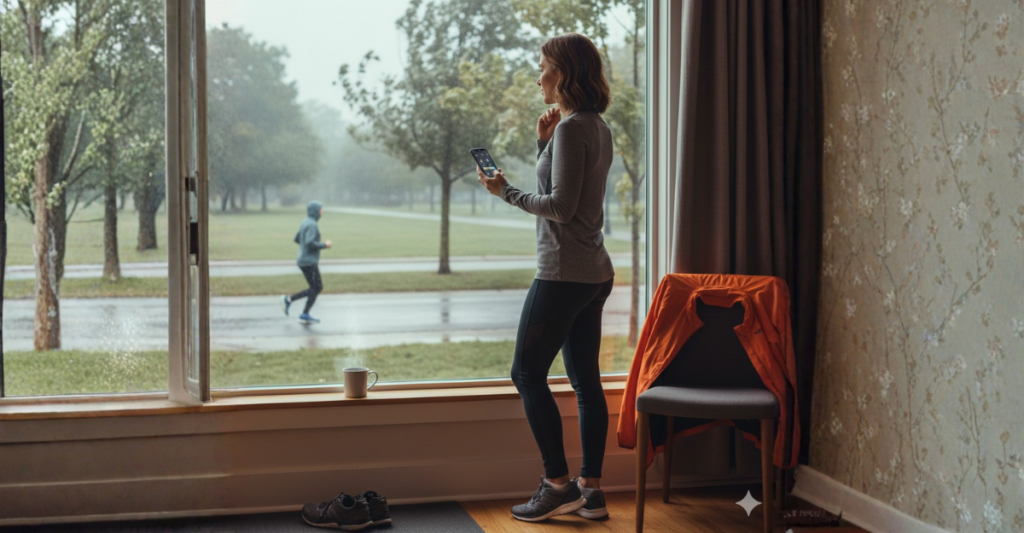
Rain doesn’t have to halt your training, but it does require specific adaptations to stay safe and comfortable. Wet conditions affect traction, visibility, and your body’s ability to maintain core temperature, especially when rain is combined with wind or cool temperatures. Many dedicated athletes actually enjoy training in light to moderate rain once they learn how to prepare properly.
Visibility and Safety Considerations
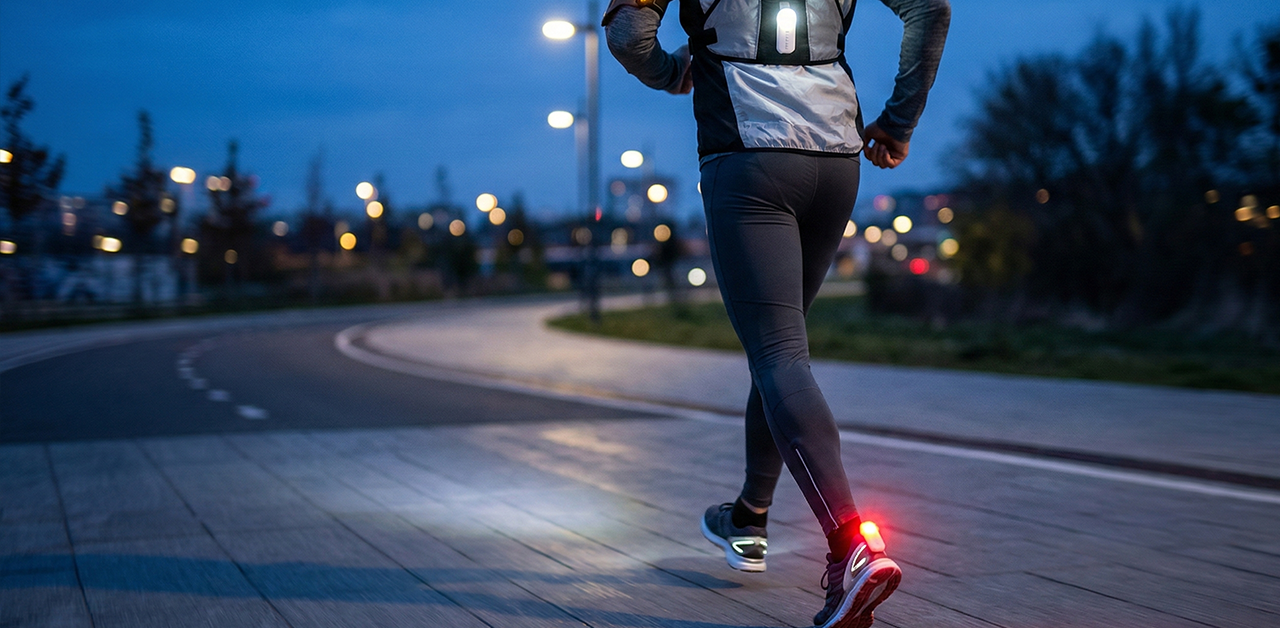
When exercising in rainy conditions, especially during early morning or evening hours, visibility becomes a critical safety concern. Drivers have reduced visibility, and you’re less noticeable on roads, trails, or sidewalks. Wear bright, reflective clothing and consider a headlamp or clip-on lights if you’re out during low-light conditions. Reflective vests designed specifically for runners are inexpensive and dramatically increase your visibility to motorists.
Choose your route carefully during wet weather. Avoid trails that become muddy, slippery, or may have fallen branches and debris. Roads with good shoulders and less traffic are preferable to busier routes where drivers might have difficulty seeing you. If conditions are severe—heavy downpours, thunderstorms, or freezing rain—recognize when it’s safer to move your workout indoors or reschedule it entirely.
Gear and Clothing for Wet Conditions
The right rain gear makes the difference between a miserable slog and an invigorating workout. A lightweight, breathable rain jacket with good ventilation prevents you from getting soaked while allowing sweat to escape—though accept that you’ll get wet either from rain or sweat regardless. Water-resistant caps with brims keep rain out of your eyes and improve visibility.
Your footwear choice matters significantly in wet conditions. Shoes with good traction prevent slipping, and many runners prefer shoes with drainage features that allow water to escape rather than pooling inside. Accept that your feet will get wet, and choose socks made of synthetic materials or merino wool that maintain some insulating properties even when damp, unlike cotton which becomes useless once saturated.
Wind Management During Outdoor Workouts
Wind is often an underestimated factor in outdoor exercise safety. Strong winds increase the physical difficulty of your workout, affect your body temperature regulation, and can even impact your breathing patterns. Understanding how to work with or against the wind helps you maintain safety and optimize your training effectiveness.
When planning routes on windy days, try to start your workout heading into the wind and finish with the wind at your back. This strategy means you’ll face the hardest conditions when you’re fresh and have the wind assisting you when you’re tired. Fighting headwinds at the end of a long workout not only feels defeating psychologically but also increases your risk of overexertion and exposure-related issues if you’re already fatigued.
Wind chill significantly affects how cold it actually feels outside and how quickly your body loses heat. A 20°F day with 20 mph winds has a wind chill of 4°F—a dramatic difference that requires additional layers and protection. Most weather apps provide wind chill information, which should factor heavily into your clothing and route decisions. These considerations represent crucial weather safety tips for year-round exercise that many people overlook until they find themselves uncomfortably cold or struggling unnecessarily against fierce headwinds.
Recognizing Warning Signs of Weather-Related Illness
Despite your best preparation efforts, sometimes conditions overwhelm your body’s ability to cope. Recognizing the early warning signs of heat exhaustion, heat stroke, hypothermia, and frostbite can literally save your life or prevent serious injury requiring medical intervention.
Heat-Related Illness Symptoms
Heat exhaustion develops when your body can no longer adequately cool itself, typically after prolonged exposure to high temperatures combined with dehydration. Early symptoms include heavy sweating, weakness, dizziness, headache, nausea, and muscle cramps. Your skin may feel cool and clammy despite the heat. If you experience these symptoms, stop exercising immediately, move to shade or air conditioning, remove excess clothing, and drink cool fluids.
Heat stroke is a medical emergency that develops when heat exhaustion progresses and your body’s temperature regulation system fails completely. Warning signs include a core body temperature above 104°F, confusion or altered mental state, rapid pulse, lack of sweating despite the heat, and possible loss of consciousness. If you or someone exercising with you shows these symptoms, call 911 immediately. While waiting for help, move to a cool area, remove unnecessary clothing, and apply cool water or ice packs to the neck, armpits, and groin.
Cold-Related Illness Indicators
Hypothermia occurs when your core body temperature drops below 95°F, and it can happen even in relatively mild temperatures (50-60°F) if you’re wet and exposed to wind. Early symptoms include intense shivering, fumbling hands, confusion, slurred speech, and drowsiness. If hypothermia is suspected, get to warm shelter immediately, remove wet clothing, warm the core body areas first (chest, neck, head, groin) with blankets or skin-to-skin contact, and drink warm beverages if conscious and able to swallow.
Frostbite affects exposed skin and extremities, initially causing numbness, tingling, or stinging sensations. Affected skin may appear white or grayish-yellow and feel unusually firm or waxy. Never rub frostbitten areas, as this can cause additional damage. Instead, gradually warm affected areas with body heat—tuck hands into armpits, or warm feet by placing them on someone else’s warm abdomen. Seek medical attention for anything beyond very superficial frostbite.
Air Quality Considerations for Outdoor Exercise
Weather conditions aren’t limited to temperature and precipitation—air quality significantly impacts your respiratory health and exercise safety. Pollution, pollen, wildfire smoke, and ozone levels all affect whether outdoor exercise is advisable on any given day. For athletes with asthma, allergies, or other respiratory conditions, air quality monitoring should be part of your daily routine.
Check the Air Quality Index (AQI) before outdoor workouts, especially if you live in urban areas or regions affected by seasonal wildfires. The AQI measures five major pollutants: ground-level ozone, particle pollution, carbon monoxide, sulfur dioxide, and nitrogen dioxide. An AQI below 50 is considered good for outdoor activity, 51-100 is moderate and acceptable for most people, but levels above 100 begin to pose health risks, particularly for sensitive groups including children, older adults, and people with respiratory conditions.
When air quality is compromised, consider moving workouts indoors, reducing intensity if you do exercise outside, or choosing times when pollution levels are lower—typically early morning before traffic builds. Avoid exercising near busy roadways on high pollution days, as vehicle exhaust compounds air quality problems. These air quality weather safety tips for year-round exercise have become increasingly important as climate change affects seasonal patterns and increases the frequency of poor air quality days in many regions.
Seasonal Transition Strategies
The changing seasons present unique challenges as your body must adapt to shifting temperature patterns, daylight hours, and weather conditions. Those weeks when summer transitions to fall or winter shifts to spring can actually be the trickiest times for maintaining safe exercise habits because conditions vary dramatically from day to day.
During seasonal transitions, check weather forecasts daily and be prepared to adjust your clothing choices accordingly. Temperature swings of 20-30 degrees between morning and evening aren’t uncommon during spring and fall. What feels appropriate at 6 AM might be completely wrong by 4 PM. Consider carrying an extra layer you can tie around your waist or storing clothing at intervals on out-and-back routes.
Your body needs time to acclimate to new seasonal conditions. When temperatures first drop in fall or rise in spring, give yourself several weeks of gradually adjusting to the new conditions. Don’t expect to maintain the same pace or intensity you achieved in more favorable conditions—your body is working harder simply to manage its core temperature. Accept that your perceived exertion will be higher at the same objective workload until you’ve adapted to the new environmental conditions.
Technology and Tools for Weather-Conscious Athletes
Modern technology offers numerous tools to help you implement effective weather safety tips for year-round exercise and make informed decisions about when and how to train. Smartphone apps provide hyperlocal weather forecasts, radar imagery, and real-time alerts about changing conditions. Many fitness watches now include temperature readings and weather forecasts directly on your wrist.
Apps specifically designed for athletes often incorporate “feels like” temperatures that account for humidity and wind chill, giving you a more accurate picture of actual conditions. Some advanced apps provide recommended clothing based on temperature, precipitation, and wind forecasts. Pollen and air quality apps alert you to conditions that might trigger respiratory issues or require modified training plans.
Consider investing in a simple weather station for your home that provides accurate local readings of temperature, humidity, and wind speed. These devices are inexpensive and give you precise data about conditions in your immediate area, which can differ significantly from regional forecasts. Knowing the exact temperature and wind chill when you’re deciding whether to head out for an early morning run provides valuable information for making safe choices.
Indoor Alternatives for Extreme Weather Days
Part of implementing smart weather safety tips for year-round exercise is recognizing when conditions make outdoor activity unsafe or inadvisable. Having a solid backup plan for indoor training ensures you maintain consistency without compromising your safety or health. This is particularly important for busy parents who have limited time windows for exercise and can’t afford to waste a precious workout opportunity.
Treadmills allow you to maintain your running routine regardless of external conditions while controlling pace, incline, and environment precisely. Many people find treadmill running boring, but incorporating interval workouts, progressive tempo runs, or streaming running apps that simulate outdoor routes can make indoor running more engaging. Setting the treadmill to a slight incline (1-2%) better mimics outdoor running biomechanics and energy expenditure.
Cross-training alternatives like indoor cycling, swimming, rowing machines, or ellipticals provide excellent cardiovascular workouts when weather prevents outdoor activities. Strength training, yoga, or bodyweight circuit workouts require minimal equipment and can be done in small spaces at home. Building a varied exercise repertoire ensures you always have options regardless of weather conditions, preventing the all-or-nothing thinking that derails many people’s fitness routines during challenging seasons.
Creating Your Year-Round Weather Safety Plan
Developing a personalized weather safety plan helps you make quick, informed decisions about your workouts rather than deliberating every time conditions change. Your plan should outline temperature thresholds that trigger specific clothing choices, hydration protocols, or route modifications. For example, you might establish that temperatures above 85°F require early morning workouts only, while temperatures below 20°F demand full face protection and abbreviated outdoor sessions.
Document your own weather preferences and tolerance levels. Everyone responds differently to environmental conditions—what feels comfortable to one person might be unbearable to another. By tracking how you feel and perform in various conditions, you’ll identify your personal limits and optimal training windows. This self-knowledge helps you customize general weather safety tips for year-round exercise to your individual physiology and preferences.
Include contingency plans in your weather safety strategy. Identify which gym locations have guest passes available if you need indoor alternatives. Map out several route options of different lengths so you can cut workouts short if conditions deteriorate. Keep emergency contact information easily accessible, and consider sharing your planned route and expected return time with family or friends when exercising in potentially hazardous conditions.
Give us a call today at 1-877-777-6086 or fill out our contact form to become a retail
distributor of our top-of-the-line safety lights.