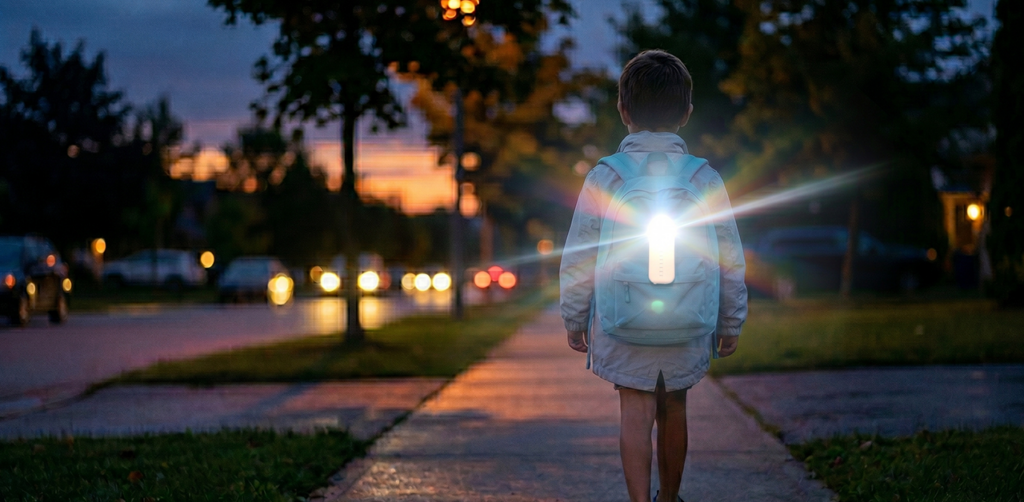
As parents, we’re always looking for ways to keep our children safe, especially when they’re out and about. One often overlooked aspect of child safety is visibility, particularly during low-light conditions or at night. This is where battery-operated safety lights for children come into play. These ingenious devices can make a world of difference in ensuring your child remains visible to drivers, cyclists, and other pedestrians, significantly reducing the risk of accidents. Whether your little ones are walking to school, playing outside in the evening, or participating in outdoor activities, these safety lights can provide an extra layer of protection that every parent should consider.
Types of Battery-Operated Safety Lights for Children
When it comes to battery-operated safety lights for children, there’s a wide variety of options available to suit different needs and preferences. Let’s explore some of the most popular types:
Clip-On Lights
These versatile lights can be easily attached to your child’s clothing, backpack, or shoes. They’re lightweight and unobtrusive, making them ideal for everyday use. Many clip-on lights come with multiple lighting modes, allowing you to choose between steady, flashing, or strobe settings depending on the situation.
LED Armbands
LED armbands are a fantastic option for active children. They’re comfortable to wear and provide 360-degree visibility. Some models even come with reflective strips for added safety. These lights are particularly useful for children who enjoy running, cycling, or participating in other outdoor sports.
Safety Vests
For maximum visibility, consider a safety vest equipped with battery-operated lights. These vests are perfect for children who walk or cycle to school in the early morning or late afternoon. They’re also great for outdoor activities like camping or night hikes.
Light-Up Accessories
From shoelaces to hair accessories, there’s a wide range of light-up items designed specifically for children. These fun and functional accessories can make safety more appealing to kids who might otherwise resist wearing traditional safety gear.
Factors to Consider When Choosing Battery-Operated Safety Lights for Children
With so many options available, it’s essential to consider several factors when selecting the right battery-operated safety lights for your child:
Brightness: Look for lights that are bright enough to be seen from a distance but not so intense that they could potentially blind others.
Battery Life: Opt for lights with long-lasting batteries or rechargeable options to ensure your child is always visible when needed.
Durability: Children can be rough on their belongings, so choose lights that can withstand daily wear and tear.
Ease of Use: Select lights that are simple for your child to operate independently, especially if they’ll be using them without adult supervision.
Comfort: Ensure the lights are comfortable for your child to wear, as uncomfortable gear is less likely to be used consistently.
Weather Resistance: If your child will be using the lights in various weather conditions, look for water-resistant or waterproof options.
Making Safety Fun with Battery-Operated Lights
One of the challenges parents often face is getting their children excited about safety gear. Fortunately, many battery-operated safety lights for children are designed with fun in mind. By incorporating these lights into your child’s daily routine in an engaging way, you can help foster a positive attitude towards safety. Here are some ideas to make safety lights more appealing to your little ones:
- Let your child choose their favorite color or design
- Turn putting on safety lights into a pre-adventure ritual
- Create games that incorporate the use of safety lights
- Use the lights for fun nighttime activities, like backyard camping or stargazing
By making safety lights a fun and exciting part of your child’s life, you’re more likely to ensure consistent use and, consequently, better protection.
Proper Use and Maintenance of Battery-Operated Safety Lights
To get the most out of your child’s battery-operated safety lights, it’s crucial to use and maintain them properly. Here are some tips to help you maximize the effectiveness and lifespan of these essential safety devices:
Correct Placement
Ensure that the lights are positioned in areas that offer maximum visibility. For clip-on lights, attach them to areas that move, such as arms, legs, or backpacks, to create more noticeable motion. For armbands or vests, make sure they’re worn correctly and not obscured by clothing or gear.
Regular Battery Checks
Make it a habit to check the batteries in your child’s safety lights regularly. Set reminders on your phone or create a weekly routine to ensure the lights are always ready for use. If you opt for rechargeable lights, establish a charging schedule to maintain consistent performance.
Cleaning and Care
Keep the lights clean and free from dirt or debris that could affect their brightness. Most battery-operated safety lights can be wiped down with a damp cloth. For more thorough cleaning, refer to the manufacturer’s instructions to avoid damaging the lights or compromising their water resistance.
Storage
When not in use, store the lights in a cool, dry place away from direct sunlight. This can help prolong battery life and prevent damage to the light’s components. If you’re storing the lights for an extended period, consider removing the batteries to prevent leakage.
Incorporating Safety Lights into Your Child’s Daily Routine
To ensure that your child consistently benefits from the added safety of battery-operated lights, it’s essential to incorporate them into their daily routine. Here are some strategies to help make safety lights a natural part of your child’s everyday life:
Morning Routine
If your child walks or bikes to school, make putting on safety lights as much a part of their morning routine as brushing teeth or packing their backpack. Place the lights in a visible, easily accessible location to serve as a visual reminder.
After-School Activities
For children involved in after-school sports or activities, especially during fall and winter months when daylight is limited, make sure safety lights are packed along with other necessary gear. Encourage coaches and activity leaders to promote the use of safety lights among all participants.
Evening Playtime
If your child enjoys playing outside in the evening, establish a rule that safety lights must be worn before heading outdoors. This not only keeps them safe but also helps reinforce the importance of visibility.
Family Outings
Lead by example and use safety lights yourself during family walks, bike rides, or other outdoor activities. This demonstrates the importance of visibility and normalizes the use of safety gear for your child.
Teaching Children About the Importance of Visibility
While providing your child with battery-operated safety lights is crucial, it’s equally important to help them understand why visibility matters. By educating your child about road safety and the role of visibility, you can empower them to make responsible choices and take an active role in their own safety. Here are some ways to approach this important topic:
Age-Appropriate Discussions
Have open conversations with your child about road safety, tailoring the discussion to their age and level of understanding. For younger children, focus on simple concepts like “being seen helps keep us safe.” For older kids, you can delve into more complex topics like reaction times and stopping distances.
Interactive Learning
Use role-playing games or interactive activities to demonstrate the importance of visibility. For example, you could set up a “spot the pedestrian” game in your backyard, showing how much easier it is to see someone wearing safety lights compared to dark clothing.
Real-World Examples
Point out examples of good visibility practices when you’re out and about. This could include cyclists with reflective gear, construction workers wearing high-visibility vests, or other pedestrians using safety lights.
Encourage Questions
Create an environment where your child feels comfortable asking questions about safety. This can help address any concerns they might have and reinforce the importance of using safety lights.
Combining Safety Lights with Other Visibility Measures
While battery-operated safety lights for children are an excellent tool for enhancing visibility, they should be used in conjunction with other safety measures for maximum effectiveness. Here are some additional visibility strategies to consider:
Reflective Clothing
Encourage your child to wear clothing with reflective elements, especially during low-light conditions. Many jackets, shoes, and backpacks now come with built-in reflective strips or patches.
Bright Colors
Opt for brightly colored outerwear and accessories, particularly during fall and winter months when days are shorter. Neon colors like yellow, orange, and green are especially visible against darker backgrounds.
Bike Lights and Reflectors
If your child rides a bicycle, ensure it’s equipped with proper lights and reflectors. Front and rear lights are essential for nighttime riding, while reflectors on the wheels and pedals provide additional visibility from the sides.
Reflective Tape
Add reflective tape to your child’s backpack, helmet, or bike frame for an extra layer of visibility. This inexpensive addition can significantly increase your child’s visibility to others.
Addressing Common Concerns About Battery-Operated Safety Lights
As with any safety product, parents may have some concerns about using battery-operated safety lights for their children. Let’s address some common questions and concerns:
Are the Lights Safe for Children?
Most battery-operated safety lights designed for children are made with safety in mind. They typically use LEDs, which don’t generate much heat and are energy-efficient. However, it’s always important to purchase lights from reputable manufacturers and follow the recommended age guidelines.
What If My Child Forgets to Turn Off the Lights?
Many modern safety lights come with auto-shutoff features to conserve battery life. Additionally, teaching your child responsible use and incorporating light checks into their routine can help prevent unnecessary battery drain.
Can the Lights Be Too Bright or Distracting?
While visibility is the goal, you don’t want your child’s safety lights to be so bright that they distract or impair the vision of others. Look for lights with adjustable brightness settings or multiple modes to find the right balance between visibility and consideration for others.
What If My Child Loses the Lights?
Consider attaching the lights securely to items your child always carries, like a backpack or jacket. You might also want to label the lights with your contact information in case they’re misplaced.
By addressing these concerns and taking appropriate precautions, you can ensure that battery-operated safety lights become a valuable and trusted part of your child’s safety routine.