As a busy parent juggling work, fitness routines, and family responsibilities, you know that packing nutritious school lunches can feel like yet another challenge on your never-ending to-do list. Between early morning workouts and getting everyone out the door on time, the temptation to resort to pre-packaged convenience foods is real. But here’s the truth: creating healthy, delicious lunches your kids will actually eat doesn’t have to be complicated or time-consuming.
When you’re committed to your own health and fitness goals, it makes perfect sense that you’d want to extend those same principles to your children’s nutrition. After all, the eating habits they develop now will shape their relationship with food for years to come. The good news is that packing nutritious school lunches becomes infinitely easier once you understand some key strategies and have a solid game plan in place.
Understanding the Foundation of a Balanced School Lunch
Before diving into specific meal ideas, it’s essential to understand what actually constitutes a nutritious lunch for growing kids. Just as you wouldn’t fuel your body with empty calories before a challenging workout, your children need proper nutrition to power through their school day, including physical education classes, recess activities, and the mental demands of learning.
A well-balanced lunch should include protein for sustained energy and muscle development, complex carbohydrates for brain function, healthy fats for nutrient absorption and satiety, and plenty of fruits and vegetables for vitamins, minerals, and fiber. Think of it like creating the perfect post-workout meal – you’re giving their bodies the building blocks they need to perform at their best.
The plate method offers an excellent visual guide when packing nutritious school lunches. Imagine dividing the lunch container into sections: half should contain fruits and vegetables, one quarter should have lean protein, and the remaining quarter should feature whole grains or starchy vegetables. This simple framework takes the guesswork out of lunch preparation and ensures your kids receive balanced nutrition without requiring you to count calories or macros obsessively.
Protein-Packed Options That Actually Taste Good
Protein is non-negotiable when it comes to keeping your kids satisfied throughout the afternoon and supporting their active lifestyles. You’ve experienced firsthand how inadequate protein intake can leave you feeling sluggish and reaching for sugary snacks – the same applies to your children during their long school days.
Turkey and chicken roll-ups represent one of the most versatile protein options for school lunches. Simply spread cream cheese, hummus, or mashed avocado on sliced deli meat, add some crunchy vegetables like shredded carrots or cucumber strips, and roll them up tightly. These require no bread, making them perfect for kids who prefer finger foods or those avoiding excess refined carbohydrates. You can prepare several at once during your Sunday meal prep session, just like you’d batch-cook your own weekly proteins.
Hard-boiled eggs remain a lunch box champion for good reason. They’re inexpensive, portable, packed with high-quality protein, and require minimal preparation. Boil a dozen at the start of the week, and you’ll have grab-and-go protein ready whenever you need it. Some kids prefer them plain with a sprinkle of salt, while others enjoy them sliced on whole grain crackers or mashed into egg salad with Greek yogurt instead of mayonnaise.
Greek yogurt deserves a prominent place in your lunch-packing rotation. With double the protein of regular yogurt, it keeps kids fuller longer while providing calcium for growing bones – something particularly important if you have young athletes in your household. Choose plain varieties and let your kids add their own toppings like granola, fresh berries, or a drizzle of honey to control sugar content while still making it feel like a treat.
Plant-Based Protein Alternatives
Even if your family isn’t vegetarian, incorporating plant-based proteins into school lunches adds nutritional variety and exposes kids to different flavors and textures. Chickpeas, whether roasted for crunch or mashed into hummus, provide excellent protein along with fiber that supports digestive health and sustained energy release.
Black bean quesadillas made with whole wheat tortillas offer a filling, protein-rich option that most kids enjoy. Prepare them the night before, and they’ll still taste great at room temperature by lunchtime. Add some cheese for extra calcium and protein, plus diced peppers or mild salsa for added vegetables. Cut them into triangles for easier eating and include some guacamole or Greek yogurt-based sour cream for dipping.
Nut butters (if your school allows them) spread on whole grain bread, crackers, or apple slices provide both protein and healthy fats. Almond butter, peanut butter, and sunflower seed butter each offer unique nutritional benefits. Pair them with sliced bananas, strawberries, or a light drizzle of honey for a lunch that feels indulgent while delivering solid nutrition. For schools with nut-free policies, sunflower seed butter and soy nut butter serve as excellent alternatives that many kids can’t even distinguish from traditional peanut butter.
Whole Grains That Provide Lasting Energy
Just as you’ve learned to fuel your workouts with quality carbohydrates rather than refined sugars, your children need complex carbs to maintain focus and energy throughout their school day. Packing nutritious school lunches means moving beyond white bread and choosing whole grain options that provide fiber, B vitamins, and sustained energy release.
Whole wheat bread, wraps, and pitas form the foundation of many classic lunch options, but not all whole grain products are created equal. Read labels carefully and look for products listing whole wheat or whole grain as the first ingredient, with at least 3 grams of fiber per serving. Many brands now offer white whole wheat bread, which provides all the nutritional benefits of traditional whole wheat but with a milder flavor that’s more appealing to picky eaters.
Quinoa makes an excellent base for cold salad-style lunches and works particularly well if you have kids who are adventurous eaters or already exposed to diverse cuisines. This complete protein grain can be mixed with diced vegetables, beans, and a light vinaigrette for a Mediterranean-inspired lunch bowl. Prepare a large batch at the beginning of the week, and it becomes a versatile ingredient you can use for both your meal prep and their lunches.
Brown rice, while requiring a bit more cooking time than white rice, offers significantly more fiber and nutrients. Use it as a base for burrito bowls, stir-fry-inspired lunches, or rice balls (onigiri) that kids can eat with their hands. If time is tight, invest in microwaveable brown rice pouches or cook a large pot on Sunday that you can portion throughout the week. Your efficiency in meal planning for your own nutrition goals translates perfectly to packing nutritious school lunches.
Creative Alternatives to Traditional Bread
Sometimes thinking outside the sandwich box makes lunchtime more exciting and introduces your kids to new textures and flavors. Whole grain crackers paired with cheese and turkey slices create a DIY “lunchable” that’s infinitely healthier and more economical than the pre-packaged versions. Include some grapes and baby carrots on the side, and you’ve got a balanced meal that kids actually look forward to eating.
Whole wheat pasta salad represents another vehicle for incorporating various food groups into one container. Toss cooked pasta with cherry tomatoes, mozzarella pearls, diced cucumbers, chickpeas, and Italian dressing for a complete meal. The key is making sure the pasta doesn’t become mushy – slightly undercook it, rinse with cold water immediately after draining, and toss with a small amount of olive oil to prevent sticking.
Sweet potato serves as an unexpected but nutritious alternative to traditional grains. Baked sweet potato wedges, cooled and packed with a small container of Greek yogurt ranch dip, provide complex carbohydrates along with vitamin A and fiber. Many kids who claim to dislike vegetables will happily eat sweet potato fries, especially when given something to dip them in. Prepare these during your Sunday food prep alongside your own roasted vegetables for the week.
Sneaking in Fruits and Vegetables
Getting kids to eat their fruits and vegetables can feel like an uphill battle, but packing nutritious school lunches requires making these nutrient powerhouses a non-negotiable component. The trick isn’t forcing kids to eat foods they hate – it’s presenting produce in appealing ways and finding the specific fruits and vegetables your individual children enjoy.
Fresh fruit requires minimal preparation and provides natural sweetness that most kids crave. Berries, grapes (halved for younger children), apple slices, orange segments, and melon cubes all travel well in lunch boxes. Prevent apple and pear slices from browning by tossing them with a little lemon juice – a trick that takes seconds but makes the fruit more visually appealing at lunchtime. Think of fruit as nature’s sports nutrition, packed with quick-digesting carbohydrates and antioxidants that support recovery and immune function.
Vegetable sticks with dip transform raw vegetables from boring to fun. Baby carrots, cucumber rounds, bell pepper strips, snap peas, and cherry tomatoes become much more appealing when accompanied by hummus, ranch dip made with Greek yogurt, or guacamole. The act of dipping makes eating interactive and gives kids a sense of control over their meal. Pack the dip in a separate small container to prevent sogginess, and you’re golden.
Hidden vegetables work wonderfully for particularly resistant eaters. Zucchini bread, carrot muffins, and pumpkin-based baked goods can be made with whole wheat flour and minimal added sugar for a treat that’s actually nutritious. While you shouldn’t rely exclusively on hiding vegetables – kids need to learn to recognize and enjoy them in their whole form – these options ensure they’re getting some produce even on days when they refuse the carrot sticks.
Making Vegetables More Appealing
Roasted vegetables taste completely different from their raw or steamed counterparts, and many kids who reject vegetables prepared other ways will eat them roasted. The caramelization that occurs during roasting brings out natural sweetness and creates appealing textures. Roasted broccoli, cauliflower, Brussels sprouts (halved or quartered), and zucchini all taste delicious at room temperature and can be eaten with fingers.
Salads don’t have to be boring adult fare. Create kid-friendly versions by starting with mild greens like romaine or spinach, adding fun toppings like shredded cheese, croutons, dried cranberries, and sunflower seeds, and including a favorite protein like grilled chicken strips or hard-boiled eggs. Pack the dressing separately in a small container so the salad doesn’t become soggy. Let your kids help choose the components, giving them ownership over the meal.
Vegetable-based soups transported in a thermos provide warmth and comfort while delivering multiple servings of vegetables in liquid form. Tomato soup, vegetable minestrone, and butternut squash soup all work well for school lunches. The key is investing in a quality thermos that genuinely keeps food hot for several hours – fill it with boiling water while you heat the soup, dump the water, then add piping hot soup right before your child heads out the door.
Healthy Fats for Brain Development and Satiety
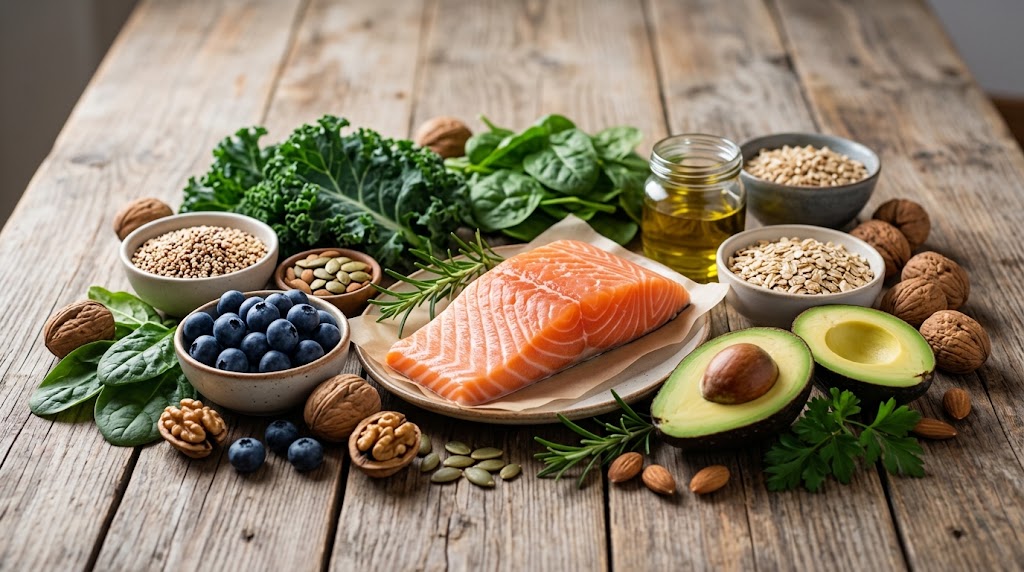
Just as you’ve learned that not all fats are created equal and that healthy fats are essential for hormone production and nutrient absorption, your kids need appropriate fat sources for brain development, sustained energy, and feeling satisfied after meals. Packing nutritious school lunches means including sources of omega-3 fatty acids, monounsaturated fats, and other beneficial lipids.
Avocado represents one of the most nutrient-dense foods you can include in school lunches. Slice it and pack it separately with a little lemon juice to prevent browning, or mash it into guacamole that can be spread on sandwiches or used as a dip. The creamy texture appeals to many kids, and the healthy fats help them absorb fat-soluble vitamins from the other foods in their lunch. If you’re already buying avocados for your own pre-workout toast or post-run smoothies, simply grab a few extra for the kids.
Nuts and seeds (when school policies allow) provide protein along with healthy fats and make excellent additions to lunch boxes. A small handful of almonds, walnuts, or cashews can be packed separately as a snack or sprinkled over yogurt or salad. For younger children, nut butters spread on fruit or whole grain crackers provide the same nutritional benefits with less choking risk. Trail mix combining nuts, seeds, dried fruit, and a few dark chocolate chips makes a treat that still delivers solid nutrition.
Full-fat dairy products, contrary to decades of low-fat messaging, provide important nutrients for growing children while promoting satiety better than their reduced-fat counterparts. Whole milk, full-fat yogurt, and real cheese deliver fat-soluble vitamins A and D along with calcium. Unless your child has specific health conditions requiring fat restriction, choosing full-fat dairy options helps ensure they stay satisfied until their next meal and don’t experience the blood sugar crashes that can occur with high-carb, low-fat options.
Omega-3 Rich Options
Fatty fish like salmon offers omega-3 fatty acids crucial for brain development and function – though admittedly, it’s not the easiest lunch box inclusion. If your child enjoys fish, consider making salmon salad similar to tuna salad but with canned or leftover cooked salmon. Mix it with Greek yogurt or avocado instead of mayo, and serve it on whole grain crackers or in a whole wheat pita. The omega-3s support cognitive function, which is particularly valuable during the school day.
Chia seeds might seem like a trendy health food, but they’re actually an ancient superfood packed with omega-3s, fiber, and protein. Mix them into yogurt the night before to create a pudding-like consistency, or add them to homemade muffins and energy balls. Most kids won’t even notice them in baked goods, but they’ll benefit from the nutritional boost. As someone focused on optimal nutrition, you probably already keep these in your pantry for smoothies and overnight oats.
Flaxseeds offer similar benefits to chia seeds and can be ground and added to virtually any baked good without affecting taste. Add ground flaxseed to pancake batter for Sunday breakfast, making extra pancakes to freeze and pack for school lunches later in the week. Sprinkle it into yogurt parfaits or mix it into homemade energy balls. The mild, slightly nutty flavor rarely offends even picky eaters, making it an easy way to boost the nutritional profile of lunches.
Smart Storage and Food Safety Considerations
Even the most nutritious lunch becomes problematic if it’s spoiled by lunchtime or if foods have become unappetizing due to poor packing methods. Understanding proper food storage ensures that packing nutritious school lunches remains safe as well as healthy, and it prevents the disappointment of your child returning home with an uneaten lunch because the food was warm, soggy, or otherwise unappetizing.
Invest in quality insulated lunch boxes and ice packs to maintain proper temperatures for perishable foods. Proteins, dairy products, and anything containing mayonnaise-based dressings need to stay cold to prevent bacterial growth. Pack frozen ice packs around these items, or freeze juice boxes or water bottles that will thaw by lunchtime while keeping surrounding foods chilled. Some insulated lunch boxes have built-in ice pack compartments that work remarkably well at maintaining cold temperatures for six hours or more.
Separate containers prevent the dreaded soggy sandwich syndrome and keep foods at their textural best. Pack wet ingredients like tomatoes, pickles, or dressings in separate small containers, letting your child assemble their meal at lunchtime. Bento-style lunch boxes with multiple compartments make this easier by providing designated spots for different components, plus the variety of foods visible in the different sections often encourages kids to eat more of their lunch.
Thermoses work brilliantly for hot foods, maintaining temperature for several hours when used properly. Pre-heat the thermos by filling it with boiling water for five minutes while you heat the food, then dump the water and immediately add piping hot soup, pasta, or other hot lunch items. This simple trick makes the difference between lukewarm and genuinely hot food at lunchtime. Quality stainless steel thermoses significantly outperform cheaper alternatives and are worth the investment if your kids enjoy hot lunches.
Time-Saving Strategies for Busy Mornings
You already know from your own meal prep routine that planning ahead is the key to success. Applying these same principles to packing nutritious school lunches transforms a potentially stressful morning task into a simple assembly process that takes just minutes.
Sunday meal prep sessions should include lunch components alongside your own weekly food preparation. While you’re already in the kitchen washing, chopping, and cooking, it requires minimal extra effort to prepare lunch items simultaneously. Hard-boil eggs, chop vegetables into sticks and store them in water, wash and portion fruit, bake a batch of healthy muffins, and cook proteins that can be used multiple ways throughout the week. Dedicate just an extra thirty minutes to lunch prep, and your mornings become infinitely smoother.
Batch cooking items that freeze well provides even more convenience. Homemade muffins, banana bread, turkey meatballs, and mini quiches can all be made in large quantities, frozen individually, and grabbed as needed. Most will thaw by lunchtime when packed frozen, and they serve double duty by helping keep other lunch items cold. Think of your freezer as your secret weapon against morning chaos – when you can simply grab pre-made items and go, you’re much more likely to maintain consistency with packing nutritious school lunches.
Create a lunch packing station in your kitchen with everything you need in one designated area. Keep lunch boxes, containers, ice packs, napkins, and utensils together so you’re not searching for items every morning. Stock a shelf or drawer with non-perishable lunch items like individual packs of crackers, nuts, dried fruit, and shelf-stable milk or juice boxes. This organizational strategy eliminates decision fatigue and wasted time, applying the same efficiency principles you use when organizing your gym bag or meal prep containers.
Involving Kids in the Process
Children who participate in planning and preparing their lunches are significantly more likely to eat what you pack. Even young kids can help wash fruit, pack crackers into containers, or choose between two healthy options you’ve pre-approved. Older children and teens can take on more responsibility, eventually packing their own lunches following the nutritional guidelines you’ve established.
Create a weekly lunch menu together on Sunday, letting each child choose their lunches within the framework of balanced nutrition. This gives them autonomy while ensuring they’ll eat what you pack. Make it visual for younger children with pictures of different lunch components they can mix and match. The same way you plan your own meals around your training schedule and nutritional needs, teaching kids to think strategically about their food choices builds lifelong healthy habits.
Teach kids to read their own bodies and recognize hunger and fullness cues. Discuss which lunch components gave them lasting energy versus which left them hungry an hour later. Help them make the connection between nutrition and performance, whether in sports, academics, or simply feeling good throughout the day. As an athlete, you understand this relationship intimately, and passing this knowledge to your children represents one of the most valuable gifts you can give them.
Dealing with Picky Eaters and Food Refusal
Even with the best intentions and most creative lunch packing, you’ll likely face pushback from kids who refuse to eat certain foods or come home with barely touched lunches. This frustration is normal, and it doesn’t mean you’re failing – it means you’re dealing with a child expressing their developing independence and food preferences.
The division of responsibility in feeding provides a helpful framework: you decide what foods are offered and when, while your child decides whether to eat and how much. This removes power struggles from mealtimes and prevents food from becoming a battlefield. Pack nutritious options, include at least one item you know they’ll eat, and resist the urge to lecture about uneaten food when they return home. Over time and with consistent exposure, most kids expand their food preferences naturally.
Repeated exposure to new foods increases acceptance. Research shows children often need to see a food ten to fifteen times before they’re willing to try it, and even more exposures before they actually like it. Don’t give up after one or two rejections. Keep including small portions of less-preferred foods alongside familiar favorites without pressure or comments. Eventually, curiosity often wins out, especially when kids see peers eating and enjoying those same foods at school.
Consider whether the refusal stems from genuine dislike or other factors. Is the lunch too large, overwhelming your child? Are the textures off-putting or foods mushed together? Has something at school made lunch a stressful time? Talk with your child about what would make lunch more appealing, and be willing to adjust your approach. The goal is nourishing your child, not winning a battle, and sometimes that requires creativity and flexibility.
Budget-Friendly Nutritious Options
Packing nutritious school lunches doesn’t require expensive specialty foods or a gourmet budget. In fact, many whole food ingredients cost significantly less than pre-packaged convenience items when you buy them in their basic forms and do minimal preparation yourself.
Buying in bulk and portioning