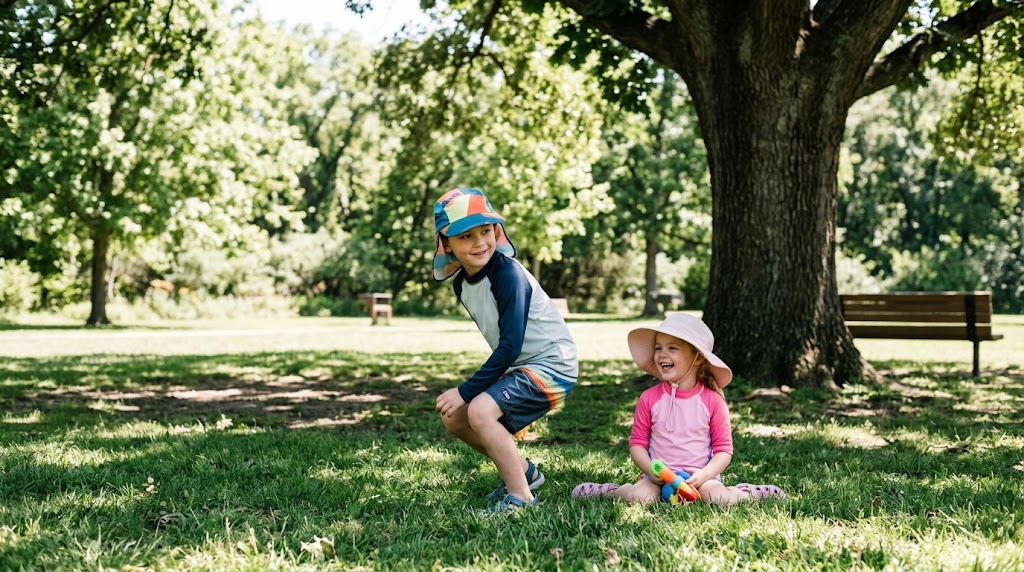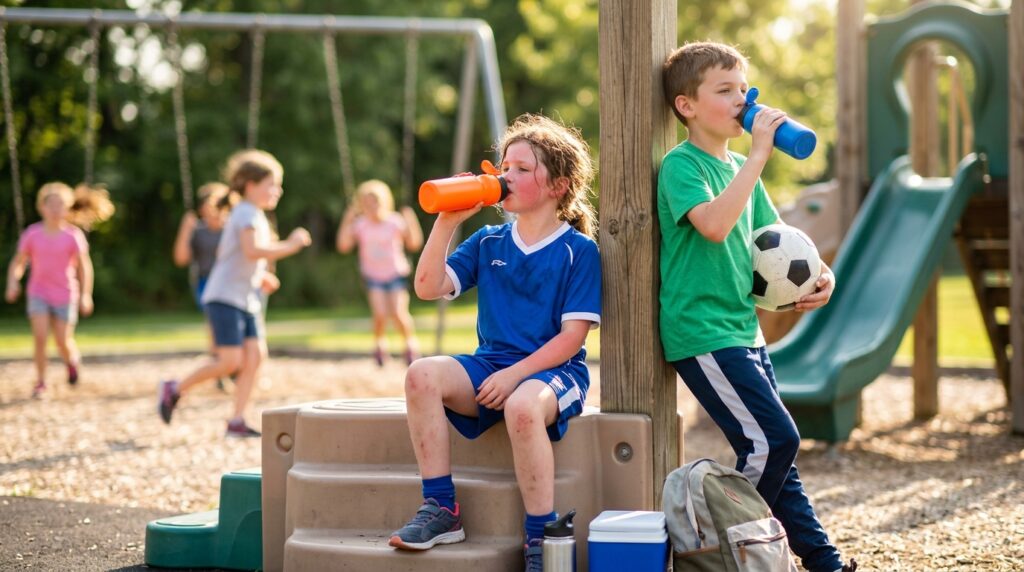
When you watch your children run around the playground with seemingly endless energy, it’s easy to assume they’ll naturally know when to stop for water or take a rest. However, the reality is far more complex than most parents realize. Children’s bodies function differently from adults, and their ability to regulate temperature, recognize thirst, and understand their own physical limits is still developing throughout their formative years.
The science behind hydration and breaks for children reveals some eye-opening facts that every parent and coach should understand. Kids have a higher surface area to body mass ratio than adults, which means they gain heat faster during physical activity and lose fluids more rapidly through their skin. Their sweat glands aren’t as developed or efficient as adult sweat glands, making it harder for them to cool down naturally during intense physical activity.
What makes this even more challenging is that children often become so absorbed in their activities that they ignore or don’t recognize the early warning signs their bodies send them. Your eight-year-old might be dehydrated and exhausted but still insist on finishing that soccer game or continuing to play tag with friends. This disconnect between their body’s needs and their awareness creates a crucial role for you as a parent or guardian to step in and establish healthy patterns.
The Hidden Dangers of Dehydration in Active Children
Dehydration isn’t just about feeling a little thirsty or having a dry mouth. When children don’t maintain proper fluid levels during physical activity, their entire body system begins to struggle in ways that might not be immediately obvious to you or to them. The effects cascade through multiple systems, impacting everything from cognitive function to physical performance and overall safety.
One of the first areas affected is brain function. Studies have shown that even mild dehydration, as little as 1-2% loss of body weight through fluid loss, can impair concentration, memory, and mood in children. You might notice your usually cheerful child becoming irritable or struggling to follow simple instructions during sports practice, not realizing that dehydration is the culprit behind these behavioral changes.
Physical performance takes a significant hit as well. Dehydrated muscles tire more quickly, coordination suffers, and reaction times slow down dramatically. This combination creates a perfect storm for injuries, whether it’s a twisted ankle during basketball practice or a collision on the soccer field that might have been avoided with better reflexes. The cardiovascular system has to work harder when fluid levels drop, putting additional strain on your child’s heart as it attempts to pump thicker blood through their body.
Perhaps most concerning is that children are at higher risk for heat-related illnesses than adults when they become dehydrated during physical activity. Heat exhaustion and heat stroke are serious medical emergencies that can develop rapidly, especially on hot days or during intense athletic activities. Proper hydration and breaks for children serve as your first line of defense against these potentially life-threatening conditions.
How Much Water Do Active Kids Really Need
The amount of fluid your child needs isn’t a one-size-fits-all number that you can memorize and apply universally. Multiple factors influence hydration requirements, including your child’s age, body weight, activity intensity, duration of exercise, weather conditions, and individual sweat rate. Understanding these variables helps you develop a more personalized approach to keeping your kids properly hydrated.
For general daily hydration, children ages 4-8 typically need about 5 cups of fluids per day, while kids ages 9-13 need 7-8 cups, and teenagers require 8-11 cups depending on their sex and size. But these baseline numbers increase significantly during physical activity. During exercise, children should consume approximately 5 ounces of water every 20 minutes, though this can vary based on the intensity of the activity and environmental conditions.
Here’s a practical framework you can follow for athletic activities:
- Before activity: Ensure your child drinks 8-16 ounces of water 1-2 hours before exercise begins
- During activity: Provide 4-8 ounces of water every 15-20 minutes of continuous play or exercise
- After activity: Encourage drinking 16-24 ounces for every pound of body weight lost during the activity
One effective method to monitor hydration status is teaching your children to check their urine color. Pale yellow urine indicates good hydration, while dark yellow or amber-colored urine signals dehydration. This simple visual check empowers kids to take some ownership of their hydration needs while giving you an easy monitoring tool.
Strategic Break Planning: More Than Just Water Stops
While hydration is critical, the “breaks” component of hydration and breaks for children encompasses much more than just pausing for a water bottle. Strategic breaks serve multiple purposes that contribute to your child’s overall health, safety, and performance during physical activities. These rest periods allow for physical recovery, mental reset, injury prevention, and social connection with teammates or friends.
The frequency and duration of breaks should be tailored to the activity type, intensity, weather conditions, and your child’s age and fitness level. Younger children generally need more frequent breaks than teenagers, and activities in hot weather demand more rest periods than those in cooler temperatures. A good rule of thumb is to schedule a break every 15-20 minutes during continuous moderate to vigorous activity, with each break lasting 3-5 minutes minimum.
During these breaks, you want to ensure children are doing more than just standing around. Encourage them to move into shaded areas if available, sit down when possible to reduce the strain on their legs and cardiovascular system, and remove excess equipment or clothing that might trap heat. This is also an opportune time to offer a healthy snack if the activity extends beyond an hour, as children’s bodies burn through glycogen stores quickly during vigorous exercise.
Don’t underestimate the psychological benefits of well-timed breaks either. Children who get regular rest periods during practices or games show better focus, maintain enthusiasm longer, and experience less burnout from their sports and activities. These mental breaks can be the difference between a child who loves their sport and one who eventually quits due to exhaustion or loss of interest.
Creating a Hydration Station: Making Water Access Easy and Fun
One of the biggest barriers to proper hydration and breaks for children is simply making water accessible and appealing. If you want your kids to drink enough fluids during their activities, you need to remove every obstacle between them and that water bottle. This means going beyond just bringing a single bottle and instead creating an environment where hydration becomes natural and even enjoyable.
Start by investing in quality water bottles that your children actually want to use. Let them pick out their own bottles featuring their favorite colors, characters, or sports teams. When kids have ownership over their hydration equipment, they’re more likely to remember to use it and take pride in staying hydrated. Consider bottles with built-in straws or easy-flip tops that children can operate quickly during short breaks without fumbling with complicated lids.
For team sports or group activities, establish a designated hydration station that’s clearly visible and easily accessible. This could be as simple as a cooler with multiple bottles, or as elaborate as a cart with water, sports drinks, healthy snacks, and even cooling towels. The key is making hydration an integrated part of the activity rather than an afterthought. When the water station is front and center, both kids and coaches naturally incorporate drinking breaks into the practice routine.
Make hydration fun by turning it into a friendly challenge or game. Create a chart where kids can track their water intake with stickers, or establish a team goal for how many water breaks everyone takes during practice. Some coaches use creative signals like a specific whistle pattern or hand gesture that means “hydration break,” making it an exciting part of the activity rather than an interruption.
Weather-Specific Strategies for Hydration and Breaks
The environmental conditions in which your children are active dramatically affect their hydration needs and break frequency. What works for a cool spring morning soccer practice becomes dangerously inadequate on a sweltering summer afternoon. You need to adjust your approach based on temperature, humidity, sun exposure, and even altitude if you’re in mountainous areas.
Hot weather demands your highest level of vigilance regarding hydration and breaks for children. When temperatures climb above 80°F, especially with high humidity, increase both the frequency and duration of breaks. Consider implementing a 10-minute break every 30 minutes of activity when the heat index exceeds 90°F. During these breaks, get kids into shade or air conditioning if possible, and encourage them to pour water on their heads, necks, and wrists to help cool their core temperature.
Cold weather creates a deceptive hydration challenge because children don’t feel as thirsty and parents often forget about fluid needs when it’s chilly outside. However, kids still lose significant fluids through respiration in cold air and through sweat under all those layers of clothing. Continue offering water regularly even when it doesn’t seem as critical, and consider slightly warmer fluids which may be more appealing in cold conditions.
Here are weather-specific guidelines to follow:
- High heat (above 85°F): Increase water breaks to every 10-15 minutes, consider shorter activity sessions, and watch closely for signs of heat illness
- High humidity: Remember that humid conditions prevent sweat from evaporating effectively, making it harder for kids to cool down naturally
- Cold weather (below 45°F): Maintain regular hydration even though thirst cues decrease, and ensure warm-up and cool-down periods are adequate
- Direct sun exposure: Seek shade for breaks, apply sunscreen regularly, and consider light-colored, breathable clothing
Age-Appropriate Approaches to Hydration Education
Teaching your children about proper hydration and breaks isn’t a one-time conversation but an ongoing education that evolves as they grow. The way you explain these concepts to a five-year-old differs vastly from how you’d discuss them with a teenager. Tailoring your approach to your child’s developmental stage ensures the information sticks and empowers them to make good decisions independently as they mature.
For younger children ages 4-7, keep hydration education simple and concrete. Use visual cues like showing them how much water they should drink using familiar containers, or creating a simple color chart for checking urine color. Make it a game by having them listen to their body and report what it’s telling them. Use language they understand: “Your muscles need water to stay strong” or “Water helps your brain think clearly during your game.”
As children enter the 8-12 age range, you can introduce more detailed concepts about why their bodies need water and what happens during dehydration. This age group responds well to facts and logic, so share some of the science behind hydration. Explain how sweating works, why they feel tired when dehydrated, and how proper hydration can actually improve their sports performance. Many children in this age group are motivated by performance enhancement, so framing hydration as a competitive advantage often resonates strongly.
Teenagers present both challenges and opportunities when it comes to hydration education. They’re developing independence and may resist parental guidance, but they’re also capable of understanding complex physiological concepts and taking full responsibility for their own hydration needs. Share research studies, athlete testimonials, and performance data that demonstrate the impact of proper hydration. Connect it to their specific goals, whether that’s making the varsity team, improving their race times, or building muscle effectively.
Sports-Specific Hydration Protocols
Different sports and activities place varying demands on your child’s body, requiring adjusted approaches to hydration and breaks for children. A swimmer’s hydration needs differ from a soccer player’s, and a gymnast faces different challenges than a long-distance runner. Understanding these sport-specific requirements helps you provide more targeted support for your young athlete.
Endurance sports like soccer, basketball, cross country, and swimming require consistent hydration throughout the activity since these sports involve prolonged exertion. For these activities, establish a regular hydration schedule rather than waiting for breaks in play. In soccer, use every stoppage, substitution, or halftime as a hydration opportunity. For swimming, despite being surrounded by water, kids actually dehydrate significantly and need regular fluid intake between sets or events.
Stop-and-start sports such as baseball, softball, tennis, and volleyball naturally build in more breaks where hydration can occur. However, don’t assume these natural pauses are sufficient. On hot days or during tournaments with multiple games, kids might not drink enough during these brief downtimes. Encourage deliberate drinking during every inning change, timeout, or game break, rather than leaving it to chance.
Strength and skill-based activities like gymnastics, martial arts, dance, and cheerleading might seem less demanding from a hydration perspective, but these activities often take place in gyms with poor ventilation and limited air conditioning. The combination of intense bursts of activity, multiple repetitions, and warm indoor environments can lead to significant fluid loss. Schedule water breaks between rotation groups or after completing specific skill sets.
Recognizing the Warning Signs of Dehydration and Exhaustion
Even with your best efforts at providing proper hydration and breaks for children, you need to know how to recognize when something isn’t right. Children don’t always communicate clearly about how they’re feeling, and by the time they complain of serious symptoms, dehydration or exhaustion may have already reached concerning levels. Training yourself to spot the early warning signs can prevent minor issues from becoming medical emergencies.
The earliest signs of dehydration in children often manifest as behavioral changes before physical symptoms become obvious. Watch for increased irritability, lack of focus, decreased enthusiasm for the activity, or complaints of fatigue that seem disproportionate to the exertion level. Your normally chatty child becoming quiet or your energetic athlete moving sluggishly are red flags that something’s amiss.
Physical signs of mild to moderate dehydration include:
- Decreased urination or dark-colored urine
- Dry mouth and lips
- Decreased tears when crying
- Flushed or pale skin
- Dizziness or lightheadedness
- Muscle cramps
- Headache
Severe dehydration and heat illness present more alarming symptoms that require immediate action and potentially medical intervention. These include extreme fatigue or lethargy, confusion or disorientation, rapid heartbeat, rapid breathing, no tears when crying, sunken eyes, and in extreme cases, loss of consciousness. If your child exhibits any signs of severe dehydration or heat stroke, stop all activity immediately, move them to a cool location, provide fluids if they’re conscious and able to drink, and seek medical attention.
The Role of Nutrition in Supporting Hydration
While water is the foundation of proper hydration, the foods your children eat before, during, and after physical activity play a crucial supporting role. Certain foods enhance hydration, while others can actually contribute to fluid loss or interfere with proper absorption. Understanding this nutritional component adds another layer to your hydration strategy.
Many fruits and vegetables have high water content and provide electrolytes that help the body retain and utilize fluids effectively. Watermelon, oranges, strawberries, cucumbers, celery, and lettuce are all excellent choices for pre-activity or break-time snacks. These foods not only contribute to overall fluid intake but also provide quick-digesting carbohydrates that fuel your child’s muscles during extended activities.
For activities lasting longer than 60-90 minutes, simple water may not be sufficient to maintain optimal hydration and performance. Your child’s body loses not just water through sweat but also essential electrolytes like sodium, potassium, and magnesium. Sports drinks, coconut water, or even a small serving of pretzels or crackers with water can help replace these electrolytes and prevent the dilutional hyponatremia that can occur when kids drink large amounts of plain water without electrolyte replacement.
Be cautious about certain foods and beverages that can work against your hydration efforts. Caffeinated sodas, energy drinks, and even some teas act as diuretics, increasing fluid loss through urine. High-sugar drinks can cause blood sugar spikes and crashes that affect performance and may lead to stomach upset during activity. Salty snacks in excess without adequate water intake can actually worsen dehydration rather than helping with electrolyte balance.
Building Hydration Habits Into Daily Routines
The most effective approach to hydration and breaks for children extends beyond just sports and structured activities. When you establish strong hydration habits throughout your child’s entire day, they enter their athletic activities already well-hydrated and with an ingrained awareness of their body’s fluid needs. This foundation makes proper hydration during exercise much easier to maintain.
Start each day with a glass of water for your children before breakfast. This morning hydration ritual helps compensate for the natural fluid loss that occurs during sleep and sets a positive tone for the day. Keep water bottles visible and accessible throughout the house, in the car, and in your child’s backpack for school. When water is always within reach, drinking becomes a natural habit rather than a special effort.
Create hydration cues tied to regular activities throughout the day. Your children should drink water when they wake up, with each meal, after using the bathroom, before and after outdoor play, and before bed. These anchors make hydration automatic rather than something they have to remember to do. Some families use reminders or apps that send hydration prompts throughout the day, which can be particularly helpful for older children and teenagers who carry smartphones.
Model good hydration behavior yourself. Children learn more from what they observe than from what they’re told. When you consistently drink water throughout the day, take water bottles with you on outings, and prioritize hydration during your own workouts, your children internalize these behaviors as normal and important. Family hydration challenges or shared goals can make this a fun bonding activity rather than a chore.
Communicating With Coaches and Activity Leaders
Unless you’re directly supervising every moment of your child’s physical activity, you’re partnering with coaches, teachers, camp counselors, and other adults to ensure proper hydration and breaks for children. This partnership requires clear communication about your expectations, your child’s specific needs, and the policies and practices being followed during activities.
Don’t hesitate to ask questions about hydration protocols before enrolling your child in a program or team. Inquire about how frequently water breaks are scheduled, whether children are allowed to access water bottles during activity, what happens during particularly hot weather, and how the program handles children with special hydration needs. Quality programs will have clear, well-thought-out policies and will welcome your questions as signs of engaged parenting.
If your child has specific medical conditions affecting their hydration needs, such as diabetes, kidney issues, or certain medications that increase fluid requirements, provide written documentation to coaches and activity leaders. Don’t assume verbal communication alone will be sufficient or remembered. A brief letter from your pediatrician outlining specific hydration requirements creates a reference document that can be filed with your child’s participation paperwork.
Be proactive rather than reactive when concerns arise. If you pick up your child from practice and notice signs of dehydration, or if your child reports that water breaks are infrequent or discouraged, address this immediately with the appropriate adults. Frame these conversations as collaborative problem-solving rather than accusations. Most coaches and activity leaders genuinely care about children’s wellbeing and will be receptive to adjusting practices when safety concerns are raised respectfully.
Technology and Tools for Monitoring Hydration
Modern technology offers some helpful tools for monitoring and encouraging proper hydration in children, though these should supplement rather than replace your direct observation and involvement. Smart water bottles that track intake and send reminders can be particularly effective for older children and teenagers who are motivated by data and technology.
Several apps designed specifically for hydration tracking allow kids to log their water intake throughout the day, set personalized goals based on their age and activity level, and receive reminders when it’s time to drink. Some of these apps gamify the process with rewards, challenges, and progress charts that appeal to children’s competitive nature and desire for achievement. For families with multiple children, shared family tracking can create accountability and friendly competition.
Wearable fitness trackers increasingly include hydration tracking features and can estimate fluid needs based on activity level, heart rate, and environmental conditions. While these devices can provide useful data, remember that they’re tools to inform your approach, not perfect solutions. No technology can replace your judgment as a parent or your child’s own body awareness.
Special Considerations for Children With Medical Conditions
Some children face unique hydration challenges due to medical conditions, medications, or physiological differences that require additional attention and modified approaches. If your child falls into this category, working closely with their healthcare provider to develop a specific hydration plan is essential for their safety and wellbeing during physical activities.
Children with diabetes need to be particularly mindful of hydration because both high and low blood sugar levels can affect fluid balance and thirst cues. Dehydration can cause blood sugar levels to rise, while intense exercise can drop blood sugar quickly. These children often need more frequent monitoring during activities, and their hydration plan should integrate with their overall diabetes management strategy.