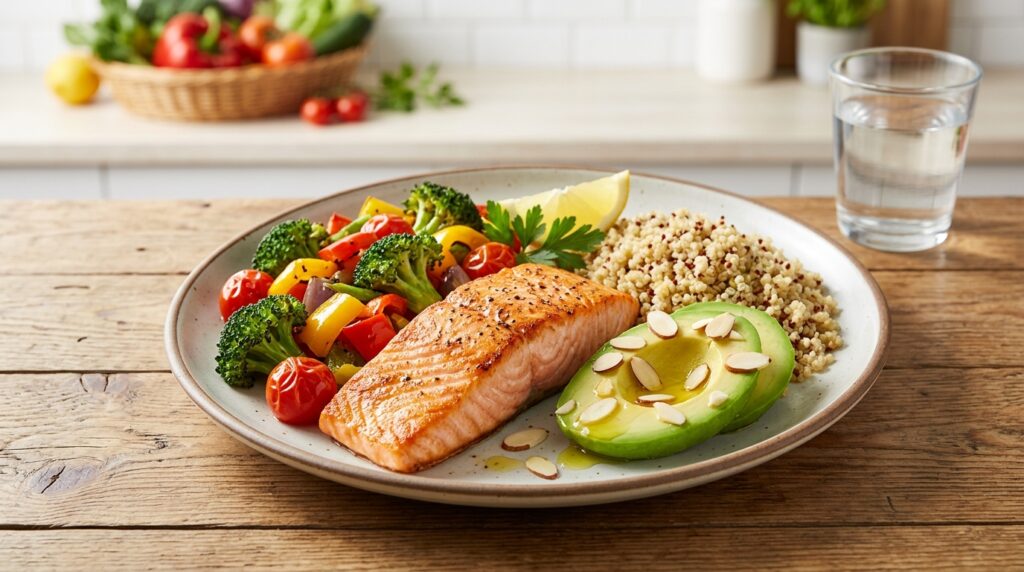
You’ve probably heard countless times that losing weight is all about eating less and moving more, but if you’re still struggling to shed those stubborn pounds despite countless hours at the gym and strict calorie counting, you’re missing a crucial piece of the puzzle. The secret isn’t just about how much you eat—it’s about what you eat and how intelligently you fuel your body. Nutrient-dense foods for weight management represent a game-changing approach that transforms your relationship with food from one of restriction to one of nourishment.
When you shift your focus to nutrient density rather than simple calorie restriction, something remarkable happens. Your body starts getting the vitamins, minerals, and compounds it desperately needs to function optimally, which means better energy for those early morning runs, improved recovery after strength training sessions, and sustained fullness that keeps you from raiding the pantry at 9 PM. This isn’t another fad diet—it’s a sustainable way of eating that supports your fitness goals while helping you maintain a healthy weight for life.
Understanding Nutrient Density and Why It Matters
Nutrient density refers to the amount of beneficial nutrients a food contains relative to its calorie content. Think of it as getting the maximum nutritional bang for your caloric buck. A nutrient-dense food delivers substantial amounts of vitamins, minerals, complex carbohydrates, lean protein, and healthy fats without packing excessive calories. For busy parents juggling work, kids’ activities, and trying to squeeze in workouts, understanding this concept means you can finally stop obsessing over every calorie and start focusing on food quality instead.
Consider this comparison: 100 calories of kale provides you with vitamins A, C, and K, along with fiber, calcium, and powerful antioxidants. Meanwhile, 100 calories of potato chips gives you primarily refined carbohydrates, unhealthy fats, and sodium with minimal nutritional benefit. Both have the same caloric value, but their impact on your body, satiety levels, and weight management potential couldn’t be more different. When you’re training for a 5K or trying to keep up with energetic kids at the playground, which fuel source do you think will serve you better?
The beauty of nutrient-dense foods for weight management lies in their ability to satisfy your hunger while providing fewer calories than processed alternatives. These foods typically contain higher amounts of fiber and water, which add volume without adding excessive calories. This means you can eat satisfying portions that fill your plate and your stomach without derailing your weight management goals. Your body recognizes and responds positively to real nutrition, triggering satiety signals more effectively than when you consume empty calories.
The Science Behind Nutrient-Dense Foods and Weight Loss
Your body is an incredibly sophisticated machine that doesn’t simply respond to calories in versus calories out. When you consume nutrient-dense foods for weight management, you’re actually influencing complex hormonal systems that regulate hunger, metabolism, and fat storage. The thermic effect of food—the energy your body expends digesting, absorbing, and processing nutrients—is significantly higher for whole, nutrient-dense foods compared to processed alternatives.
Protein-rich nutrient-dense foods, for instance, require your body to burn approximately 20-30% of their calories just for digestion and processing. Complex carbohydrates from whole grains and vegetables require about 5-10%, while dietary fats need only 0-3%. This means that a chicken breast with roasted vegetables will actually contribute fewer net calories to your body than the same caloric amount from a processed meal, simply because your body works harder to extract the nutrition. For athletes and active individuals, this metabolic advantage compounds over time, making a substantial difference in body composition.
Furthermore, nutrient-dense foods help regulate key hormones like leptin and ghrelin, which control appetite and satiety. When you’re consistently undernourished despite eating adequate calories—a common scenario with highly processed diets—your body increases hunger hormone production, making weight management feel like a constant battle against cravings. Conversely, nutrient-dense foods for weight management provide the micronutrients your body needs, helping normalize these hunger hormones and making it easier to maintain a caloric deficit without feeling deprived or ravenous.
Top Nutrient-Dense Protein Sources for Active Individuals
Protein stands as the cornerstone of any effective weight management strategy, especially for those of you hitting the gym regularly or chasing after kids all day. The best nutrient-dense protein sources provide not just amino acids for muscle repair and growth, but also additional vitamins and minerals that support overall health. Wild-caught salmon exemplifies protein perfection, delivering approximately 25 grams of protein per 4-ounce serving along with omega-3 fatty acids that reduce inflammation, support joint health, and may even enhance fat burning during exercise.
Eggs have experienced a well-deserved rehabilitation after years of being unfairly vilified. These nutritional powerhouses pack six grams of protein along with choline for brain health, lutein for eye health, and vitamins D and B12. The best part? Whole eggs are incredibly satiating, with research showing that people who eat eggs for breakfast consume fewer calories throughout the day compared to those who opt for carbohydrate-heavy breakfasts. For busy mornings before heading to work or getting the kids to school, hard-boiled eggs prepared ahead of time offer unbeatable convenience and nutrition.
Plant-based protein sources also deserve recognition among nutrient-dense foods for weight management. Lentils provide 18 grams of protein per cooked cup along with 16 grams of fiber, iron, folate, and resistant starch that feeds beneficial gut bacteria. Greek yogurt offers double the protein of regular yogurt while providing probiotics for digestive health and calcium for bone strength—particularly important for runners and those engaging in high-impact activities. Lean grass-fed beef delivers not just protein but also iron in its most bioavailable form, along with B vitamins, zinc, and conjugated linoleic acid (CLA), which some research suggests may help reduce body fat.
Vegetables That Maximize Nutrition While Minimizing Calories
If there’s one food category you can eat with near abandon while managing your weight, it’s non-starchy vegetables. These nutrient-dense foods for weight management offer an almost magical combination: massive volumes of food, impressive nutritional profiles, and minimal caloric impact. Leafy greens like spinach, kale, arugula, and Swiss chard top the charts for nutrient density, providing vitamins A, C, and K, along with folate, iron, calcium, and powerful antioxidants for surprisingly few calories—often just 7-10 calories per cup.
Cruciferous vegetables deserve special attention in your weight management arsenal. Broccoli, cauliflower, Brussels sprouts, and cabbage contain unique compounds called glucosinolates that support detoxification processes and may have anti-cancer properties. These vegetables also pack significant fiber, which slows digestion, promotes fullness, and helps stabilize blood sugar levels—crucial for avoiding the energy crashes that derail healthy eating plans. A cup of cooked broccoli provides only about 55 calories while delivering more than 100% of your daily vitamin C needs and a substantial amount of vitamin K and folate.
Colorful vegetables signal high levels of beneficial plant compounds. Bell peppers contain more vitamin C than oranges along with vision-supporting carotenoids. Tomatoes provide lycopene, a powerful antioxidant linked to heart health and reduced inflammation. Mushrooms offer one of the few non-animal sources of vitamin D along with selenium and B vitamins. The strategy here is simple: fill half your plate with a rainbow of vegetables at each meal, and you’ll naturally crowd out less nutritious options while keeping your calorie intake in check without feeling restricted.
Strategic Fruit Choices for Weight Management
Fruit sometimes gets a bad reputation in weight loss circles because of its sugar content, but this oversimplification ignores the fact that whole fruits are among the most nutrient-dense foods for weight management when chosen wisely. The fiber in whole fruit slows sugar absorption, preventing the blood sugar spikes associated with refined sugars, while the volume and water content promote satiety. Berries—including strawberries, blueberries, raspberries, and blackberries—reign supreme for weight management because they offer maximum nutrition and antioxidants with minimal sugar and calories.
A cup of strawberries contains just 50 calories while providing more vitamin C than you need for the entire day, along with fiber, manganese, and powerful plant compounds that fight inflammation and oxidative stress. Blueberries pack even more antioxidant power, with research suggesting they may improve insulin sensitivity and help reduce belly fat accumulation. For athletes, the anthocyanins in berries may speed recovery by reducing exercise-induced muscle damage and inflammation.
Other smart fruit selections include apples and pears, which provide both soluble and insoluble fiber that keeps you full and supports digestive health. Grapefruit has been studied extensively for its potential weight management benefits, with some research indicating it may improve insulin resistance and support fat loss. Watermelon, despite its sweetness, is actually quite low in calories due to its high water content, and it provides citrulline, an amino acid that may improve exercise performance and recovery. The key is consuming fruit in its whole form rather than as juice, which strips away the fiber and concentrates the sugars.
Complex Carbohydrates That Support Your Active Lifestyle
Carbohydrates aren’t the enemy—refined, nutrient-poor carbohydrates are. For active individuals, quality complex carbohydrates serve as essential fuel for performance and recovery while providing numerous vitamins, minerals, and beneficial plant compounds. Quinoa stands out as a complete protein source containing all nine essential amino acids, along with fiber, iron, magnesium, and manganese—all in a package that provides sustained energy without the blood sugar rollercoaster of refined grains.
Sweet potatoes exemplify how carbohydrate-rich foods can be incredibly nutrient-dense for weight management purposes. A medium sweet potato delivers complex carbohydrates for energy along with beta-carotene for immune and eye health, vitamin C for recovery, and potassium for proper muscle and nerve function. The fiber content helps slow digestion, providing steady energy for your workouts rather than the quick spike and crash of simple sugars. For parents preparing meals for active kids, sweet potatoes offer natural sweetness that children enjoy while delivering genuine nutrition.
Oats deserve a permanent place in your nutrition rotation, providing beta-glucan, a special type of soluble fiber that helps lower cholesterol and improves blood sugar control. Steel-cut or rolled oats make an ideal pre-workout meal because they digest slowly, providing sustained energy throughout your training session. Brown rice, wild rice, and other whole grains retain their fiber-rich bran and nutrient-packed germ, unlike white rice and refined grains. These nutrient-dense foods for weight management provide B vitamins for energy metabolism, selenium for thyroid function, and magnesium for hundreds of biochemical reactions including muscle contraction and protein synthesis.
Healthy Fats That Enhance Satiety and Nutrition Absorption
The low-fat diet craze of past decades has been thoroughly debunked, with research now clearly showing that healthy fats play crucial roles in weight management, hormone production, brain health, and nutrient absorption. Many vitamins are fat-soluble, meaning your body can’t properly absorb vitamins A, D, E, and K without dietary fat present. This means that salad loaded with nutrient-dense vegetables needs a drizzle of olive oil to unlock its full nutritional potential.
Avocados provide monounsaturated fats that support heart health along with nearly 20 vitamins and minerals including potassium, folate, and vitamins C, E, and K. Despite being calorie-dense, research shows that people who regularly consume avocados tend to weigh less and have smaller waist circumferences than those who don’t. The combination of healthy fats and fiber makes avocados incredibly satiating, helping you feel full and satisfied for hours. Adding a quarter or half an avocado to your post-workout meal aids nutrient absorption and provides anti-inflammatory compounds that support recovery.
Nuts and seeds represent some of the most nutrient-dense foods for weight management, though portion control matters due to their caloric density. Almonds provide vitamin E, magnesium, and protein along with fiber that supports digestive health. Walnuts offer omega-3 fatty acids that combat inflammation and support brain health. Chia seeds and flaxseeds pack omega-3s, fiber, and protein into tiny packages that can be easily added to smoothies, yogurt, or oatmeal. Extra virgin olive oil contains oleic acid and polyphenols that fight inflammation and oxidative stress, making it an ideal choice for cooking or drizzling over finished dishes.
Building Balanced Meals Using Nutrient-Dense Foods
Understanding which foods are nutrient-dense is only half the equation—the other half involves strategically combining them to create meals that satisfy your hunger, fuel your activities, and support your weight management goals. The plate method offers a simple visual guide: fill half your plate with non-starchy vegetables, one quarter with lean protein, and one quarter with complex carbohydrates, then add a serving of healthy fat. This framework ensures you’re getting a balance of macronutrients while emphasizing the low-calorie, high-nutrition foods that should form the foundation of every meal.
For breakfast, consider scrambled eggs with spinach and mushrooms, served alongside berries and a slice of whole-grain toast with almond butter. This combination provides protein for satiety and muscle maintenance, vegetables for vitamins and minerals, fruit for antioxidants, complex carbohydrates for energy, and healthy fats for hormone production and nutrient absorption. The entire meal might contain 400-500 calories but delivers hours of sustained energy and fullness—try achieving that with a muffin and coffee.
Lunch could feature a large salad with mixed greens, grilled chicken, chickpeas, colorful vegetables, and an olive oil-based dressing, paired with a small serving of quinoa. This nutrient-dense meal provides complete protein from both animal and plant sources, fiber from the vegetables and legumes, healthy fats from the dressing, and complex carbohydrates for afternoon energy. For busy professionals eating at their desks or parents grabbing lunch between errands, preparing components ahead of time makes assembly quick and convenient.
Dinner might include baked salmon with roasted Brussels sprouts and sweet potato, finished with a drizzle of olive oil and fresh lemon. This combination hits every nutrient-dense food category while providing the omega-3 fatty acids your body needs for recovery and inflammation reduction. The variety of colors, textures, and flavors makes the meal satisfying on multiple levels, reducing the likelihood you’ll feel deprived or go searching for dessert afterward.
Smart Snacking Strategies Using Nutrient-Dense Foods
Snacking often gets blamed for weight gain, but the problem isn’t snacking itself—it’s snacking on nutrient-poor, calorie-dense foods that provide no lasting satiety. When chosen wisely, snacks featuring nutrient-dense foods for weight management can bridge the gap between meals, prevent energy crashes, stabilize blood sugar, and keep you from arriving at dinner so ravenously hungry that you overeat. The key is selecting snacks that combine protein, healthy fats, and fiber to provide sustained satisfaction.
Greek yogurt topped with berries and a sprinkle of nuts or seeds delivers protein for muscle maintenance, antioxidants for recovery, healthy fats for satiety, and probiotics for gut health. This snack works perfectly post-workout when your body needs protein for muscle repair and carbohydrates to replenish glycogen stores. Apple slices with almond butter provide the satisfying crunch many people crave along with fiber, healthy fats, and a touch of natural sweetness. Vegetable sticks with hummus offer volume and crunch for very few calories while delivering protein, fiber, and vitamins.
For those moments when you need grab-and-go convenience, prepare snack portions ahead of time. Hard-boiled eggs, individual portions of nuts, single-serve containers of Greek yogurt, and cut vegetables stored in clear containers at eye level in your refrigerator make healthy choices the easy choices. When you’re rushed between meetings or shuttling kids to activities, having these options readily available prevents the convenience store or vending machine from becoming your default option.
Meal Prep Strategies to Make Nutrient-Dense Eating Sustainable
The biggest obstacle to consistently eating nutrient-dense foods for weight management isn’t knowledge—it’s time and convenience. When you’re exhausted after a long day of work and a hard workout, or you’ve spent hours driving kids to various activities, the path of least resistance often leads to takeout or highly processed convenience foods. Meal preparation transforms healthy eating from a constant decision-requiring effort into an automatic habit supported by systems.
Start by dedicating a few hours on the weekend to prepare staple ingredients that can be combined in various ways throughout the week. Roast several types of vegetables, cook a large batch of quinoa or brown rice, grill or bake several chicken breasts or portions of fish, and hard-boil a dozen eggs. These components can be mixed and matched to create different meals, preventing boredom while minimizing daily cooking time. When you arrive home hungry and tired, assembling a nutritious meal from pre-cooked components takes just minutes.
Invest in quality storage containers that make portioning and storing meals convenient. Glass containers allow you to see what’s inside, making it more likely you’ll actually eat what you’ve prepared rather than letting it get lost in the back of the refrigerator. Portion snacks into individual servings to prevent mindlessly eating an entire bag of nuts or container of trail mix. Prep smoothie ingredients in individual freezer bags so you can dump everything into the blender for a quick, nutrient-dense breakfast or post-workout recovery drink.
Create a rotating menu of ten to fifteen favorite meals featuring nutrient-dense foods you genuinely enjoy. This eliminates decision fatigue while ensuring variety over the course of a month. Include family-friendly options that work for both adults and children, perhaps with slight modifications in portion sizes or spice levels. When healthy eating becomes systematized rather than requiring constant willpower and decision-making, sustainability increases dramatically.
Navigating Common Challenges and Social Situations
Even with the best intentions and preparation, life presents situations that challenge your commitment to nutrient-dense foods for weight management. Business lunches, family gatherings, kids’ birthday parties, and travel all create scenarios where your usual food routines get disrupted. The key is developing flexible strategies that allow you to maintain your overall healthy eating pattern without becoming so rigid that social eating creates stress or isolation.
At restaurants, employ simple tactics like requesting vegetables instead of fries, asking for dressings and sauces on the side, and choosing grilled or baked proteins rather than fried options. Most establishments will accommodate reasonable requests, especially as healthy eating becomes increasingly mainstream. Don’t be afraid to ask questions about preparation methods or request modifications—you’re the paying customer, and your health matters. Scan the menu for vegetable-forward options, lean proteins, and whole grains, and remember that you don’t need to clean your plate just because the portion is large.
When attending social gatherings, offer to bring a dish so you know there will be at least one nutrient-dense option available. A large, colorful salad, a vegetable tray with hummus, or a fruit platter contributes to the meal while ensuring you have something healthy to eat. At children’s birthday parties where the food options might be exclusively pizza and cake, eat a small, protein-rich snack before attending so you’re not ravenously hungry and tempted to overindulge in foods that don’t align with your goals.
Travel presents unique challenges, but planning ahead minimizes their impact. Pack protein-rich snacks like nuts, protein bars, or jerky for flights or long car rides. Research restaurants near your destination ahead of time to identify options with healthy menus. Many hotels now offer mini-refrigerators where you can store Greek yogurt, fresh fruit, and vegetables from a local grocery store. These strategies ensure that nutrient-dense foods for weight management remain accessible even when your routine is disrupted.
Teaching Your Family About Nutrient-Dense Eating
For parents, establishing healthy eating habits extends beyond personal weight management to creating a food environment that supports your children’s growth, development, and lifelong relationship with nutrition. Kids learn primarily through observation and experience, making your own commitment to nutrient-dense foods the most powerful teaching tool available. When children see you consistently choosing vegetables, enjoying whole foods, and treating your body with respect, they internalize these behaviors as normal and desirable.