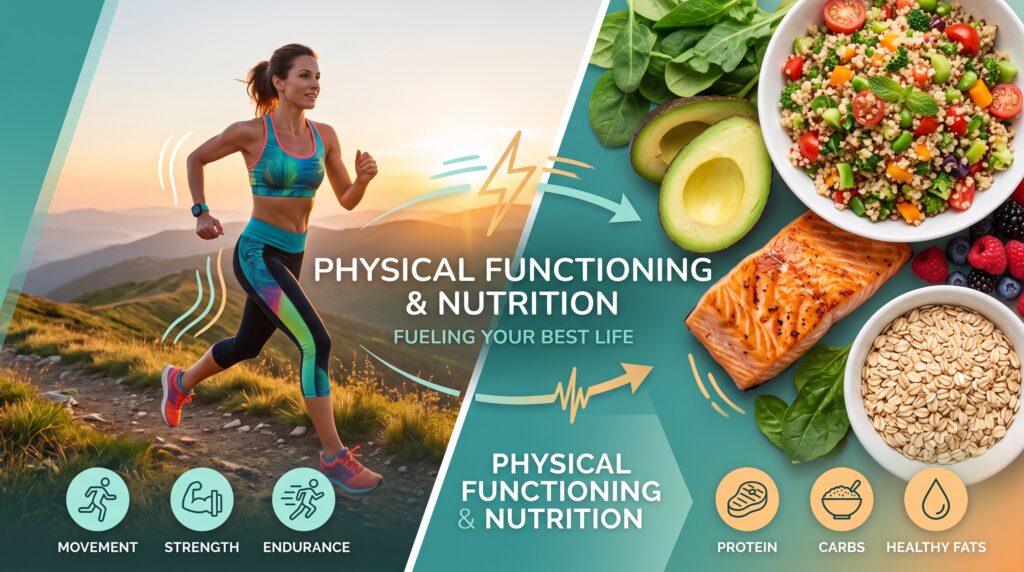
Your body is an incredible machine that deserves the right fuel and care to perform at its best. Whether you’re chasing after toddlers, training for a marathon, or putting in long hours on a construction site, the connection between what you eat and how well you move cannot be overstated. Physical functioning and nutrition work hand-in-hand to determine not just how you feel today, but how effectively you’ll be able to move, play, and work for decades to come.
The reality is that many of us underestimate the profound impact our dietary choices have on our mobility, strength, endurance, and overall physical capabilities. We might focus on exercise routines while neglecting the nutritional foundation that makes those workouts effective. Or perhaps we eat relatively well but don’t understand why our bodies aren’t responding the way we’d hoped. The truth lies in recognizing that physical functioning and nutrition aren’t separate aspects of health—they’re deeply intertwined elements that must be addressed together.
Understanding Physical Functioning
Physical functioning encompasses everything from your ability to climb stairs without getting winded to your capacity to lift heavy objects, maintain balance, and recover quickly from physical exertion. It’s not just about athletic performance, though that certainly matters. Physical functioning determines whether you can keep up with your kids at the playground, complete a demanding workday without exhaustion, or maintain independence as you age.
Your physical functioning depends on multiple body systems working in harmony. Your musculoskeletal system provides the structure and force production necessary for movement. Your cardiovascular system delivers oxygen and nutrients to working muscles. Your nervous system coordinates complex movement patterns and maintains balance. Even your metabolic health influences how efficiently your body converts food into usable energy.
When any of these systems underperform, your overall physical functioning suffers. You might notice decreased endurance, reduced strength, slower recovery times, or increased susceptibility to injury. The good news is that targeted nutritional strategies can support and enhance every one of these systems, creating a foundation for improved physical capabilities across the board.
The Nutrition Foundation for Movement
Nutrition provides the raw materials your body needs to build, repair, and fuel itself. Every movement you make, from the smallest gesture to the most intense athletic effort, requires energy derived from the foods you consume. But physical functioning and nutrition go far beyond simple calorie counting or energy provision—the quality, timing, and composition of your diet fundamentally shape your body’s capabilities.
Your muscles, for instance, are constantly undergoing processes of breakdown and repair. Without adequate protein intake, your body cannot effectively maintain muscle mass, let alone build new muscle tissue in response to training. Carbohydrates fuel high-intensity activities and replenish glycogen stores that power your workouts. Fats support hormone production, reduce inflammation, and provide sustained energy for longer duration activities.
The micronutrients in your diet—vitamins, minerals, and phytonutrients—play equally critical roles. They facilitate the countless chemical reactions that occur during exercise, support immune function, promote bone health, and protect against oxidative stress. A deficiency in even a single micronutrient can cascade into noticeable decrements in physical performance and recovery.
Protein: The Building Block of Physical Capability
Protein stands as perhaps the most critical macronutrient for physical functioning. Every muscle fiber, tendon, ligament, and connective tissue in your body is built primarily from protein. When you challenge your body through exercise or daily physical demands, you create microtears in muscle tissue that must be repaired through a process called muscle protein synthesis. This process requires an adequate supply of amino acids—the building blocks that come from dietary protein.
For active adults, particularly those between 35 and 65, protein needs are higher than the basic recommendations designed to prevent deficiency. Research consistently shows that consuming between 1.6 to 2.2 grams of protein per kilogram of body weight supports muscle maintenance and growth in active individuals. For a 180-pound person, this translates to roughly 130 to 180 grams of protein daily.
The timing of protein intake matters too. Distributing protein evenly across your meals, rather than loading it all at dinner, optimizes muscle protein synthesis throughout the day. Consuming protein within a few hours after exercise provides the amino acids your muscles need when they’re most receptive to repair and growth. Don’t overlook breakfast—starting your day with a protein-rich meal jumpstarts recovery processes and helps preserve muscle mass.
Best Protein Sources for Physical Performance
Quality matters as much as quantity when it comes to protein. Complete proteins containing all essential amino acids are ideal for supporting physical functioning:
- Lean meats like chicken, turkey, and lean beef provide high-quality protein along with important minerals like iron and zinc
- Fish and seafood offer protein plus omega-3 fatty acids that reduce inflammation and support cardiovascular health
- Eggs contain highly bioavailable protein and are rich in nutrients like choline and vitamin D
- Greek yogurt and cottage cheese deliver protein with the added benefit of calcium for bone health
- Plant-based options like quinoa, legumes, and tofu can meet protein needs, especially when combined strategically
For busy parents juggling work, kids, and fitness, convenience matters. Keep hard-boiled eggs in the fridge, prep grilled chicken in batches, or have quality protein powder on hand for quick post-workout shakes. The easier you make it to hit your protein targets, the more likely you are to consistently fuel your body properly.
Carbohydrates: Fueling Your Active Lifestyle
Despite their controversial reputation in some diet circles, carbohydrates remain the preferred fuel source for moderate to high-intensity physical activity. When you’re running, lifting weights, playing with your kids, or doing physically demanding work, your body preferentially burns carbohydrates because they can be converted to energy more rapidly than fats. Understanding how to strategically use carbohydrates is essential for optimizing physical functioning and nutrition together.
Your body stores carbohydrates as glycogen in your muscles and liver. These glycogen stores are limited, typically providing enough energy for 90 to 120 minutes of sustained moderate-intensity exercise. Once depleted, you experience the dreaded “bonk” or “hitting the wall”—a dramatic decrease in energy and performance. For shorter activities or lower-intensity movement throughout the day, your glycogen stores combined with fat oxidation provide ample fuel.
The key is matching your carbohydrate intake to your activity level. Highly active individuals training intensely most days of the week need substantially more carbohydrates than someone engaging in moderate activity a few times weekly. As a general guideline, active adults benefit from consuming 3 to 7 grams of carbohydrates per kilogram of body weight daily, with the higher end reserved for those with the most demanding training schedules.
Strategic Carbohydrate Timing
When you eat carbohydrates matters almost as much as how much you consume. Timing your carbohydrate intake around your most physically demanding activities ensures you have energy when you need it most while supporting efficient recovery. Before morning workouts or long days on your feet, a carbohydrate-containing breakfast provides readily available energy and spares muscle glycogen.
During prolonged activities lasting more than 90 minutes, consuming easily digestible carbohydrates maintains blood sugar levels and delays fatigue. Sports drinks, gels, or even simple options like bananas or dates can keep you going during endurance events or particularly demanding workdays. After intense physical activity, carbohydrates consumed alongside protein accelerate glycogen replenishment and kickstart the recovery process.
For busy parents trying to manage their health while feeding families, focusing on nutrient-dense carbohydrate sources provides energy along with vitamins, minerals, and fiber. Sweet potatoes, oats, quinoa, brown rice, fruits, and vegetables should form the foundation of your carbohydrate intake. These whole food sources provide sustained energy without the blood sugar spikes and crashes associated with refined carbohydrates.
Healthy Fats and Physical Performance
Fats often receive less attention than protein and carbohydrates in discussions about physical functioning, but they play indispensable roles that directly impact your capabilities. Dietary fats support hormone production, including testosterone and growth hormone that facilitate muscle growth and recovery. They reduce inflammation throughout your body, potentially decreasing muscle soreness and speeding recovery between training sessions.
At lower exercise intensities—the kind of activity that fills much of your day when you’re moving around at work, doing household chores, or taking leisure walks—your body primarily burns fat for fuel. The better your body becomes at utilizing fat as an energy source, the longer you can sustain activity without depleting precious glycogen stores. This metabolic flexibility becomes increasingly important as we age and for anyone interested in maintaining a healthy body composition.
The types of fats you consume matter significantly. Omega-3 fatty acids found in fatty fish, walnuts, and flaxseeds possess powerful anti-inflammatory properties that support joint health, cardiovascular function, and recovery. Monounsaturated fats from sources like olive oil, avocados, and nuts support heart health and help with the absorption of fat-soluble vitamins. Meanwhile, minimizing intake of trans fats and excessive omega-6 fatty acids helps maintain a healthier inflammatory balance in your body.
Practical Fat Intake Guidelines
For optimal physical functioning, aim for fats to comprise roughly 20 to 35 percent of your total caloric intake. Focus on including:
- Fatty fish like salmon, mackerel, and sardines at least twice weekly for omega-3s
- Nuts, seeds, and nut butters as snacks or meal additions for healthy fats and protein
- Avocados which provide monounsaturated fats plus fiber and potassium
- Extra virgin olive oil for cooking and dressings
- Whole eggs including the yolks for their nutrient density
Don’t fear including adequate fat in your diet. The notion that eating fat makes you fat is outdated and scientifically inaccurate. When incorporated as part of a balanced diet aligned with your energy needs, healthy fats support both your physical functioning and overall health.
Hydration’s Impact on Physical Capability
Water might not technically be a nutrient, but proper hydration is absolutely fundamental to physical functioning. Even mild dehydration—as little as 2% body weight loss through fluid—measurably decreases physical performance, impairs cognitive function, and increases perceived exertion during activity. For someone weighing 150 pounds, that’s just three pounds of fluid loss, which can easily occur during a single workout session or hot day at work.
Your blood is primarily water, and adequate hydration ensures efficient circulation of oxygen and nutrients to working muscles while facilitating the removal of metabolic waste products. Water regulates your body temperature through sweating, prevents it from overheating during physical exertion. Proper hydration also supports joint lubrication, reducing injury risk and improving movement quality.
Individual hydration needs vary tremendously based on body size, activity level, climate, and sweat rate. Rather than following arbitrary recommendations like “eight glasses per day,” pay attention to your body’s signals. Thirst is an obvious indicator, though by the time you feel thirsty, you’re already mildly dehydrated. The color of your urine provides a reliable hydration gauge—pale yellow indicates good hydration, while dark yellow or amber suggests you need more fluids.
Optimizing Your Hydration Strategy
Start your day with water to rehydrate after hours without fluid intake during sleep. Keep water accessible throughout the day, whether at your desk, in your car, or in a bottle during workouts. For most moderate-duration activities under an hour, water alone suffices for hydration. During longer or more intense sessions, especially in hot conditions, beverages containing electrolytes help replace sodium lost through sweat.
Don’t overlook the hydrating properties of foods. Fruits and vegetables with high water content—like watermelon, cucumbers, oranges, and lettuce—contribute to your overall fluid intake while providing valuable nutrients. Soups and broths also count toward hydration. For parents managing busy schedules, making water your primary beverage choice sets a positive example for your children while keeping you properly hydrated for whatever physical demands your day brings.
Micronutrients: The Unsung Heroes of Physical Functioning
While macronutrients—protein, carbohydrates, and fats—provide energy and structural building blocks, micronutrients enable the thousands of physiological processes that determine your physical functioning. These vitamins and minerals don’t provide calories, but without them, your body cannot effectively convert food into energy, build and repair tissues, or maintain the health of critical systems. The relationship between physical functioning and nutrition at the micronutrient level is profound yet often overlooked.
Iron carries oxygen in your blood to working muscles. Without adequate iron, you’ll experience fatigue and decreased endurance, no matter how well you manage your macronutrients. Calcium and vitamin D work together to maintain bone density, crucial for preventing stress fractures and osteoporosis, particularly as you age. B vitamins facilitate energy metabolism, helping convert the food you eat into usable fuel.
Magnesium participates in over 300 enzymatic reactions in your body, including those involved in muscle contraction, relaxation, and energy production. Zinc supports immune function and protein synthesis. Antioxidants like vitamins C and E, along with selenium, protect your cells from oxidative damage caused by intense exercise. Potassium helps maintain proper fluid balance and supports muscle function.
Ensuring Adequate Micronutrient Intake
The most reliable way to meet your micronutrient needs is by consuming a varied diet rich in whole, minimally processed foods. Each fruit, vegetable, whole grain, legume, and animal product provides a unique nutritional profile. By eating a colorful variety of plant foods along with quality animal proteins (if you consume them), you create a micronutrient safety net that covers most bases.
However, certain micronutrients deserve special attention for active adults. Vitamin D deficiency is widespread, especially among those living in northern climates or spending most time indoors. Since few foods naturally contain significant vitamin D, supplementation often makes sense. Iron deficiency is particularly common among women of childbearing age and can devastate physical performance. If you experience unexplained fatigue, consider having your iron levels checked.
A high-quality multivitamin can serve as nutritional insurance, filling gaps on days when your diet isn’t perfect. But supplements should supplement, not replace, a nutrient-dense diet. The synergistic effects of nutrients consumed together in whole foods, along with beneficial plant compounds and fiber, cannot be fully replicated in pill form.
Inflammation, Recovery, and Nutrition
Your ability to recover between training sessions or demanding workdays directly determines how well you can function physically on an ongoing basis. Recovery isn’t just about rest—it’s a complex physiological process that requires specific nutritional support. Chronic inflammation, often exacerbated by poor dietary choices, impairs recovery and can lead to overtraining, persistent soreness, and increased injury risk.
Certain foods promote inflammation in your body. Highly processed foods, excessive sugar, refined grains, and too many omega-6 fatty acids relative to omega-3s all contribute to an inflammatory state. This doesn’t mean these foods must be completely eliminated, but minimizing them while emphasizing anti-inflammatory foods supports better recovery and physical functioning.
Anti-inflammatory dietary patterns emphasize colorful fruits and vegetables rich in polyphenols and antioxidants. Berries, cherries, leafy greens, and cruciferous vegetables contain compounds that actively combat inflammation. Fatty fish provides omega-3 fatty acids with powerful anti-inflammatory effects. Spices like turmeric and ginger, along with green tea, also possess inflammation-fighting properties.
Nutrition Strategies for Enhanced Recovery
Immediately after intense exercise, your muscles are primed for recovery. Consuming a combination of protein and carbohydrates within the first few hours after training provides the amino acids needed for muscle repair and the carbohydrates required for glycogen replenishment. A ratio of roughly 3:1 or 4:1 carbohydrates to protein works well for most people.
Quality sleep is perhaps the most critical recovery tool, and nutrition influences sleep quality. Avoid large meals too close to bedtime, limit caffeine to earlier in the day, and consider that some people sleep better with a small carbohydrate-containing snack before bed. Magnesium-rich foods like pumpkin seeds, almonds, and dark leafy greens may support better sleep.
Tart cherry juice has emerged as an evidence-backed recovery aid, with research suggesting it reduces muscle soreness and accelerates recovery. While not a magic solution, it represents one of several foods with specific recovery benefits worth incorporating. Other options include pineapple (containing bromelain, an anti-inflammatory enzyme) and beetroot juice (which may enhance blood flow and reduce oxygen cost during exercise).
Nutrition Periodization for Optimal Results
Just as smart training programs vary intensity and volume across different periods, your nutritional approach can be strategically adjusted to match your current goals and training demands. This concept, called nutrition periodization, acknowledges that your nutritional needs aren’t static—they change based on whether you’re in a heavy training phase, recovering from injury, tapering for an event, or maintaining general fitness.
During periods of high training volume or intensity, your energy and carbohydrate needs increase to fuel workouts and support recovery. You might require more calories overall to prevent unwanted weight loss and support adaptation. Protein needs remain consistently high for active individuals but become even more critical during periods of increased training stress or when trying to build muscle.
Conversely, during recovery weeks, scheduled breaks, or injury periods when activity decreases, your caloric needs decline. Maintaining protein intake while reducing overall calories, primarily by decreasing carbohydrates, helps preserve muscle mass while preventing unwanted fat gain. This approach requires awareness and adjustment rather than eating the same way regardless of circumstances.
Aligning Nutrition with Your Current Phase
For busy adults juggling multiple responsibilities, the concept of nutrition periodization can be simplified. Ask yourself what your physical demands look like this week compared to last week or next week. Are you training for a race? Adjust your nutrition upward. Taking a recovery week? Scale back slightly. Starting a new strength program? Ensure protein intake is adequate.
Parents face unique challenges in adjusting nutrition since you’re often not just feeding yourself. Involving your family in nutritional adjustments can benefit everyone. When you’re in a heavy training phase, preparing nutrient-dense meals benefits the whole family. Teaching your children about fueling their bodies properly sets them up for lifelong healthy habits.
Practical Meal Planning for Physical Functioning
Understanding nutritional principles is valuable only if you can consistently apply them to your daily life. For most people, especially busy parents and working professionals, spontaneous eating leads to suboptimal choices driven by convenience and immediate cravings rather than nutritional needs. Strategic meal planning bridges the gap between nutritional knowledge and practical implementation, making it dramatically easier to support your physical functioning through nutrition.
Effective meal planning doesn’t require complicated recipes or hours of preparation. Start by identifying several simple, nutritious meals you actually enjoy eating. Build a rotation of breakfast, lunch, dinner, and snack options that meet your macronutrient needs and can be prepared relatively quickly. Having even just five go-to meals for each category provides variety while eliminating daily decision fatigue about what to eat.
Batch cooking is a game-changer for anyone with limited time. Dedicating a few hours on the weekend to prepare staples—grilled chicken, hard-boiled eggs, roasted vegetables, cooked grains—means you have ready-to-assemble meal components throughout the week. When you come home exhausted from work or training, having healthy options already prepared makes proper nutrition effortless rather than another chore.
Sample Meal Framework Supporting Physical Functioning
Here’s a practical framework for structuring meals that support physical functioning without requiring complicated calculations:
- Breakfast: Protein source (eggs, Greek yogurt, or protein smoothie) + complex carbohydrates (oats, whole grain toast, or fruit) + healthy fat (nuts, avocado, or nut butter)
- Lunch: Substantial protein portion (chicken, fish, tofu, or legumes) + large serving of vegetables + carbohydrate source (quinoa, sweet potato, or brown rice) + small amount of healthy fat
- Dinner: Similar to lunch with portions adjusted based on remaining daily needs and timing of physical activity
- Snacks: Focus on protein-rich options like Greek yogurt, cottage cheese, protein shakes, or nuts to help meet daily protein targets
Adjust portions based on your size, activity level, and goals, but this basic framework ensures you’re consistently providing your body with the nutrients it needs for optimal physical functioning. Pre- and post-workout nutrition can be strategically placed around your training times within this framework.