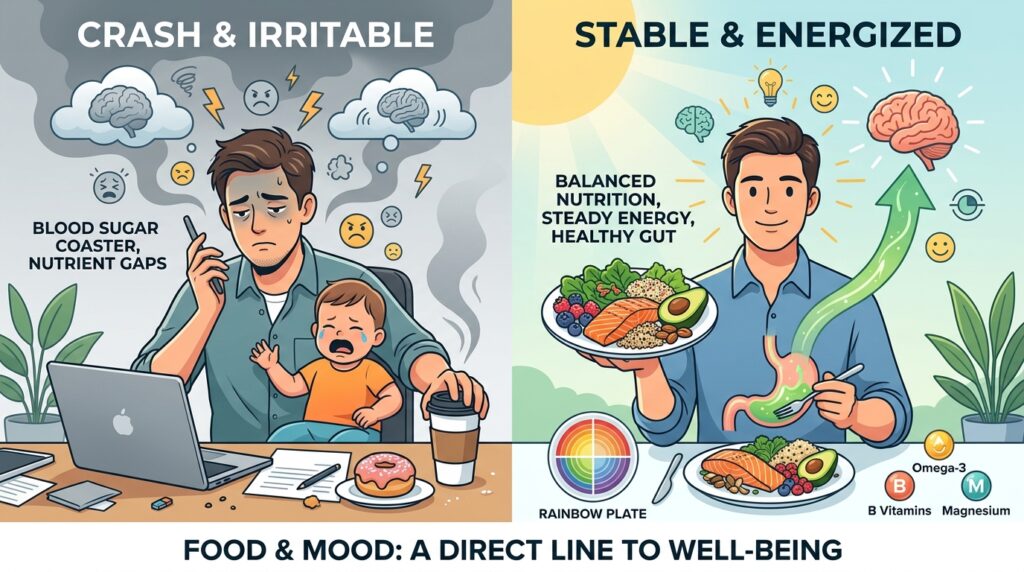
Your morning starts with a quick drive-through coffee and a sugary pastry. By mid-morning, you’re irritable, foggy-brained, and reaching for another caffeine fix. Sound familiar? What you eat doesn’t just fuel your workouts or help you maintain a healthy weight—it profoundly influences how you feel emotionally throughout the day. The connection between nutrition and mental well-being is one of the most powerful yet underappreciated aspects of healthy living, especially for busy parents and active adults juggling multiple responsibilities.
The Science Behind Food and Mood
When you ask yourself, “How does a balanced diet affect my mood?” you’re tapping into a fascinating area of nutritional neuroscience. Your brain is an incredibly energy-demanding organ, consuming about 20% of your body’s total energy despite representing only 2% of your body weight. The fuel you provide through food directly impacts neurotransmitter production, hormonal balance, and even the inflammatory responses that influence your emotional state.
The foods you consume become the building blocks for critical brain chemicals like serotonin, dopamine, and GABA—neurotransmitters that regulate everything from happiness and motivation to anxiety and sleep quality. Approximately 90% of your body’s serotonin is actually produced in your gastrointestinal tract, which means your gut health and food choices have a direct pipeline to your emotional well-being. This gut-brain axis represents a two-way communication highway that’s constantly influenced by your dietary decisions.
Research has consistently demonstrated that diets rich in processed foods, refined sugars, and unhealthy fats correlate with higher rates of depression and anxiety. Conversely, eating patterns that emphasize whole foods, lean proteins, complex carbohydrates, and healthy fats are associated with better mood stability and improved mental health outcomes. For the busy mom trying to juggle family meals while maintaining her own fitness goals, or the active adult managing work stress alongside training schedules, understanding this connection becomes absolutely essential.
Blood Sugar Fluctuations and Emotional Rollercoasters
One of the most immediate ways that diet affects mood involves blood sugar regulation. When you consume refined carbohydrates or sugary snacks, your blood glucose levels spike rapidly, triggering a surge of insulin to manage the excess sugar. This creates an initial rush—you might feel energized or even euphoric temporarily. But what goes up must come down.
The subsequent crash in blood sugar levels can leave you feeling anxious, irritable, shaky, and unable to concentrate. These dramatic fluctuations put your body into a stress response, releasing cortisol and adrenaline, which further destabilize your mood. For parents managing demanding schedules or athletes trying to optimize performance, these rollercoaster effects can significantly impair decision-making and emotional regulation.
A balanced diet that includes complex carbohydrates, adequate protein, and healthy fats helps maintain stable blood sugar levels throughout the day. Think of it like maintaining a steady pace during a long run rather than alternating between sprints and complete stops. Whole grains, legumes, vegetables, and fruits with fiber slow down glucose absorption, providing sustained energy without the dramatic peaks and valleys. When you pair these carbohydrates with protein sources like lean meats, fish, eggs, or plant-based options, you further stabilize the release of energy into your bloodstream.
Omega-3 Fatty Acids: Brain Food for Emotional Health
Omega-3 fatty acids represent some of the most crucial nutrients for mood regulation, yet many people consume insufficient amounts in their daily diets. These essential fats, particularly EPA and DHA found in fatty fish, play vital roles in brain structure and function. Your brain cell membranes are composed largely of fats, and omega-3s help maintain the fluidity and integrity of these membranes, facilitating better communication between neurons.
Studies have shown that populations with higher fish consumption tend to have lower rates of depression. Clinical trials have also demonstrated that omega-3 supplementation can improve symptoms in people experiencing mild to moderate depression. For the fitness enthusiast, these fats also reduce exercise-induced inflammation and support recovery—creating a dual benefit for both physical performance and mental well-being.
You can increase your omega-3 intake through:
- Fatty fish like salmon, mackerel, sardines, and anchovies consumed 2-3 times weekly
- Plant-based sources including flaxseeds, chia seeds, walnuts, and hemp seeds
- High-quality fish oil or algae-based supplements if dietary sources are limited
- Grass-fed meat and pasture-raised eggs, which contain higher omega-3 levels than conventional options
The anti-inflammatory properties of omega-3s also combat the chronic low-grade inflammation that’s increasingly recognized as a contributor to depression and anxiety. When you’re training hard or dealing with the physical stress of an active lifestyle, managing inflammation becomes doubly important for maintaining both physical recovery and emotional equilibrium.
Protein and Amino Acids: Building Blocks of Better Moods
How does a balanced diet affect my mood when it comes to protein intake? The answer lies in amino acids—the components that make up proteins and serve as precursors to mood-regulating neurotransmitters. Tryptophan, for instance, is converted into serotonin, your “feel-good” neurotransmitter. Tyrosine becomes dopamine and norepinephrine, which influence motivation, focus, and energy levels.
Adequate protein consumption throughout the day ensures your brain has access to these critical building blocks when it needs them. For active adults and athletes, protein requirements are even higher—not just for muscle repair but for maintaining optimal neurotransmitter production during periods of increased physical and mental stress. Aim for protein sources at each meal, spacing them throughout the day rather than loading up all at once.
Quality matters significantly when selecting protein sources. Whole food options provide not just amino acids but also accompanying nutrients that support absorption and utilization. Chicken, turkey, fish, eggs, Greek yogurt, cottage cheese, legumes, quinoa, and tofu all offer excellent amino acid profiles. For busy moms preparing family meals, incorporating these proteins into dishes everyone will enjoy makes meeting nutritional needs more manageable.
The timing of protein intake also influences mood stability. Starting your day with a protein-rich breakfast helps stabilize blood sugar from the outset, preventing the mid-morning crashes that leave you irritable and reaching for unhealthy snacks. Post-workout protein not only supports muscle recovery but also helps replenish amino acid stores depleted during exercise, supporting continued neurotransmitter production as your body recovers.
The Role of B Vitamins in Mental Well-Being
B vitamins function as essential cofactors in the production of neurotransmitters and energy metabolism within brain cells. Deficiencies in B vitamins—particularly B6, B9 (folate), and B12—have been consistently linked to increased depression risk and mood disturbances. These vitamins work synergistically, meaning you need adequate amounts of all of them for optimal function.
Vitamin B6 is crucial for converting amino acids into serotonin and dopamine. You’ll find it in foods like chickpeas, salmon, chicken breast, potatoes, and bananas. Folate, essential for mood regulation and cognitive function, is abundant in leafy greens, legumes, asparagus, and fortified grains. Vitamin B12, found almost exclusively in animal products, is vital for nerve function and neurotransmitter synthesis—making supplementation particularly important for those following plant-based diets.
For the active individual, B vitamins also support energy production at the cellular level. They help convert the food you eat into usable ATP, the energy currency your cells run on. When you’re training regularly or managing the physical demands of parenting while staying active, ensuring adequate B vitamin intake prevents the fatigue and low mood that can accompany deficiency. Dark leafy greens, whole grains, lean meats, eggs, and legumes should feature prominently in a mood-supporting diet.
Magnesium: The Calming Mineral
Often called nature’s relaxation mineral, magnesium plays a crucial role in regulating the stress response and promoting emotional calm. This mineral is involved in over 300 enzymatic reactions in your body, including those that regulate neurotransmitter function and the hypothalamic-pituitary-adrenal axis—your body’s central stress response system. Low magnesium levels are associated with increased anxiety, irritability, and even depression.
Unfortunately, magnesium deficiency is surprisingly common, with many people consuming less than the recommended daily amounts. Stress, intense exercise, and even soil depletion in modern agriculture contribute to inadequate magnesium status. When you’re training hard or managing the stress of busy schedules, your magnesium needs increase even further.
Excellent dietary sources of magnesium include:
- Dark leafy greens like spinach, Swiss chard, and kale
- Nuts and seeds, particularly pumpkin seeds, almonds, and cashews
- Legumes including black beans, chickpeas, and lentils
- Whole grains like brown rice, quinoa, and oats
- Dark chocolate (70% cacao or higher)
- Avocados and bananas
For athletes and active parents, magnesium also supports muscle function, recovery, and sleep quality—all of which indirectly influence mood and emotional resilience. If you’re struggling with muscle cramps, poor sleep, or heightened anxiety despite managing other aspects of your diet well, increasing magnesium-rich foods or discussing supplementation with a healthcare provider might be beneficial.
Gut Health and the Microbiome Connection
The emerging science of the gut-brain axis has revolutionized our understanding of how does a balanced diet affect my mood. Your gastrointestinal tract houses trillions of microorganisms collectively known as the gut microbiome. These bacteria don’t just digest food—they produce neurotransmitters, regulate inflammation, influence immune function, and communicate directly with your brain through the vagus nerve.
An imbalanced gut microbiome, characterized by too many harmful bacteria and insufficient beneficial species, is associated with depression, anxiety, and mood disorders. Factors like antibiotic use, chronic stress, poor sleep, and—most relevantly—diet significantly influence the composition of your microbiome. A diet high in processed foods, sugar, and unhealthy fats promotes harmful bacterial overgrowth, while a varied diet rich in fiber and fermented foods supports beneficial microbial diversity.
Prebiotics—types of fiber that feed beneficial gut bacteria—are found in foods like garlic, onions, leeks, asparagus, bananas, and whole grains. Probiotics, the beneficial bacteria themselves, are present in fermented foods such as yogurt with live cultures, kefir, sauerkraut, kimchi, kombucha, and miso. Including both prebiotics and probiotics in your regular eating pattern creates an environment where beneficial bacteria can thrive.
For busy families, incorporating gut-healthy foods doesn’t require complete dietary overhauls. Simple swaps like choosing yogurt with live cultures for breakfast, adding sauerkraut to sandwiches, or including more vegetables as side dishes gradually shifts your microbiome toward a healthier composition. Over time, these changes can produce noticeable improvements in mood, mental clarity, and emotional stability.
Antioxidants and Inflammation Reduction
Oxidative stress and chronic inflammation in the brain contribute significantly to mood disorders and cognitive decline. The modern diet, often high in processed foods and low in protective plant compounds, can tip the balance toward excessive inflammation. Antioxidants found in colorful fruits and vegetables neutralize harmful free radicals and reduce inflammation, protecting brain cells and supporting optimal neurotransmitter function.
Different colored produce contains different antioxidant compounds, each offering unique benefits. Berries contain anthocyanins that cross the blood-brain barrier and directly protect neurons. Leafy greens provide lutein and zeaxanthin for cognitive function. Orange and yellow vegetables offer beta-carotene, while tomatoes provide lycopene. Creating a “rainbow plate” ensures you’re getting a diverse array of protective compounds.
For athletes and active individuals, antioxidant needs are even higher because exercise generates additional oxidative stress as a natural byproduct of increased metabolism. While exercise is ultimately beneficial and even produces positive adaptations partly through this oxidative stress, ensuring adequate antioxidant intake supports recovery and protects long-term brain health. Aim for at least five servings of vegetables and fruits daily, prioritizing variety over quantity of any single type.
Hydration’s Surprising Impact on Emotional State
Often overlooked in discussions about mood and nutrition, hydration status profoundly affects how you feel mentally and emotionally. Even mild dehydration—as little as 1-2% body weight loss through fluid—can impair cognitive function, increase fatigue, and worsen mood. For active adults who lose additional fluids through sweat during workouts, maintaining proper hydration becomes even more critical.
Dehydration impacts mood through multiple mechanisms. It reduces blood flow to the brain, impairing nutrient and oxygen delivery. It affects neurotransmitter production and the balance of electrolytes that regulate nerve signaling. Studies have shown that even subclinical dehydration increases anxiety, tension, and perceived difficulty of tasks.
Water needs vary based on body size, activity level, climate, and individual factors, but general guidelines suggest women aim for about 9 cups daily and men about 13 cups, with additional intake needed during and after exercise. For busy parents managing kids’ schedules and their own fitness routines, keeping water bottles easily accessible and establishing hydration habits—like drinking water upon waking and before each meal—helps ensure adequate intake.
Caffeine and Alcohol: The Double-Edged Swords
Both caffeine and alcohol significantly influence mood, often in complex and dose-dependent ways. Moderate caffeine consumption can enhance alertness, improve mood, and even reduce depression risk in some studies. However, excessive intake, particularly later in the day, can trigger anxiety, disrupt sleep, and create dependence that leads to withdrawal symptoms like irritability and headaches when intake is reduced.
For the fitness enthusiast, caffeine offers performance benefits and can make early morning workouts more manageable. The key lies in strategic timing and moderation. Consuming caffeine primarily in the morning hours, limiting total intake to about 300-400mg daily (roughly 3-4 cups of coffee), and avoiding it within 6 hours of bedtime helps maximize benefits while minimizing mood-related downsides. Being aware of hidden caffeine sources in pre-workout supplements, energy drinks, and some teas prevents accidental overconsumption.
Alcohol presents a more complicated picture. While small amounts might temporarily reduce inhibition and create feelings of relaxation, alcohol is fundamentally a central nervous system depressant. It disrupts sleep architecture, interferes with neurotransmitter balance, depletes B vitamins, causes dehydration, and can trigger anxiety and low mood—particularly the day after consumption. For athletes and active individuals, alcohol also impairs recovery, disrupts protein synthesis, and interferes with glycogen restoration.
If you choose to consume alcohol, moderation is crucial—defined as up to one drink daily for women and two for men. Being mindful of how alcohol affects your individual mood, sleep, and recovery allows you to make informed decisions about whether and how much to include in your lifestyle. Many people find that reducing or eliminating alcohol produces noticeable improvements in mood stability, sleep quality, and overall well-being.
Creating Balanced Meals for Mood Stability
Understanding how does a balanced diet affect my mood is one thing; implementing that knowledge practically is another. Building meals that support emotional well-being doesn’t require complicated recipes or expensive specialty ingredients. It’s about combining key nutritional elements in ways that stabilize blood sugar, provide necessary nutrients, and fit into your realistic daily schedule.
A mood-supporting meal includes:
- A quality protein source (palm-sized portion of meat, fish, poultry, or plant-based alternative)
- Complex carbohydrates rich in fiber (whole grains, starchy vegetables, legumes)
- Healthy fats (olive oil, avocado, nuts, seeds, or fatty fish)
- Colorful vegetables providing antioxidants and micronutrients
This combination provides sustained energy, supports neurotransmitter production, reduces inflammation, and feeds beneficial gut bacteria. For breakfast, this might look like scrambled eggs with spinach, whole grain toast with avocado, and berries. Lunch could be a large salad with grilled chicken, mixed vegetables, chickpeas, olive oil dressing, and a piece of fruit. Dinner might feature baked salmon, quinoa, roasted vegetables, and a side of sauerkraut.
For busy parents preparing meals for families with varying tastes, building meals around these components while allowing customization helps everyone meet their nutritional needs. Setting up a “build your own bowl” dinner with various proteins, grains, vegetables, and toppings gives kids autonomy while ensuring balanced nutrition. Meal prepping on weekends—cooking proteins, chopping vegetables, and preparing grains in advance—makes assembling nutritious meals during hectic weekdays much more manageable.
Practical Strategies for Busy Schedules
Knowing what to eat is valuable, but figuring out how to consistently implement healthy eating patterns while managing work, training, family responsibilities, and limited time presents real challenges. Fortunately, strategic planning and simple systems can make mood-supporting nutrition achievable even with demanding schedules.
Batch cooking becomes your best friend when time is limited. Dedicating a couple of hours on Sunday to prepare staple foods creates a foundation for quick meal assembly throughout the week. Cook a large batch of grains like brown rice or quinoa, roast several trays of vegetables, prepare a couple of protein options, hard boil eggs, and portion out healthy snacks. With these components ready, throwing together a balanced meal takes minutes rather than extensive cooking time.
Strategic snacking prevents the blood sugar crashes and poor food choices that come from getting too hungry. Keep mood-supporting snacks readily available both at home and while out running errands or at kids’ activities. Good options include mixed nuts, Greek yogurt, fresh fruit with nut butter, vegetables with hummus, or homemade energy balls made from dates, nuts, and seeds. Having these options easily accessible prevents resorting to drive-throughs or vending machines when hunger strikes.
Planning meals in advance, even loosely, reduces decision fatigue and last-minute scrambling that often leads to less nutritious choices. You don’t need elaborate meal plans—simply identifying which nights you’ll have more time versus which require quick options allows you to shop accordingly and set yourself up for success. Keep a running list of simple, balanced meals your family enjoys, making planning as simple as choosing from that list rather than reinventing meals each week.
The Cumulative Effect of Consistent Choices
One balanced meal won’t dramatically transform your mood, just as one workout won’t make you fit or one poor food choice won’t derail your health. The power lies in consistent patterns over time. When you regularly provide your body with the nutrients it needs for optimal brain function, neurotransmitter production, and stable blood sugar, you create conditions where positive mood becomes your baseline rather than an occasional occurrence.
Think of nutrition for mood like training for a marathon. You wouldn’t expect to run 26.2 miles after a single training run, but consistent training over months builds the capacity to complete that distance. Similarly, consistently choosing foods that support your brain chemistry and overall health gradually reshapes how you feel mentally and emotionally. Many people report noticing significant mood improvements within 2-4 weeks of making substantial dietary changes, with continued benefits developing over longer periods.
This perspective also allows for flexibility and self-compassion. Having pizza at a birthday party or enjoying dessert at a celebration doesn’t undo the benefits of generally eating well. What matters is the overall pattern—making choices that support your mood and health most of the time while allowing for enjoyment and social experiences involving food without guilt or rigidity.
Addressing Individual Variations and Special Considerations
While general principles of balanced eating apply broadly, individual responses to foods can vary significantly. Some people are particularly sensitive to blood sugar fluctuations and need more frequent, smaller meals. Others do well with larger, less frequent meals. Certain individuals have food sensitivities or intolerances that trigger inflammation and negatively impact mood. Hormonal differences, genetic variations, and gut microbiome composition all influence how your body responds to specific foods.
Paying attention to how you feel after eating different foods provides valuable information. Keep a simple food and mood journal for a couple of weeks, noting what you eat and how you feel physically and emotionally afterward. Patterns often emerge—perhaps you notice that dairy makes you feel sluggish, or that skipping breakfast leaves you irritable by mid-morning. This self-awareness allows you to customize general guidelines to your individual needs.
For women, hormonal fluctuations throughout the menstrual cycle influence both mood and nutritional needs. The luteal phase (the two weeks before menstruation) increases magnesium, B vitamin, and complex carbohydrate needs for many women.