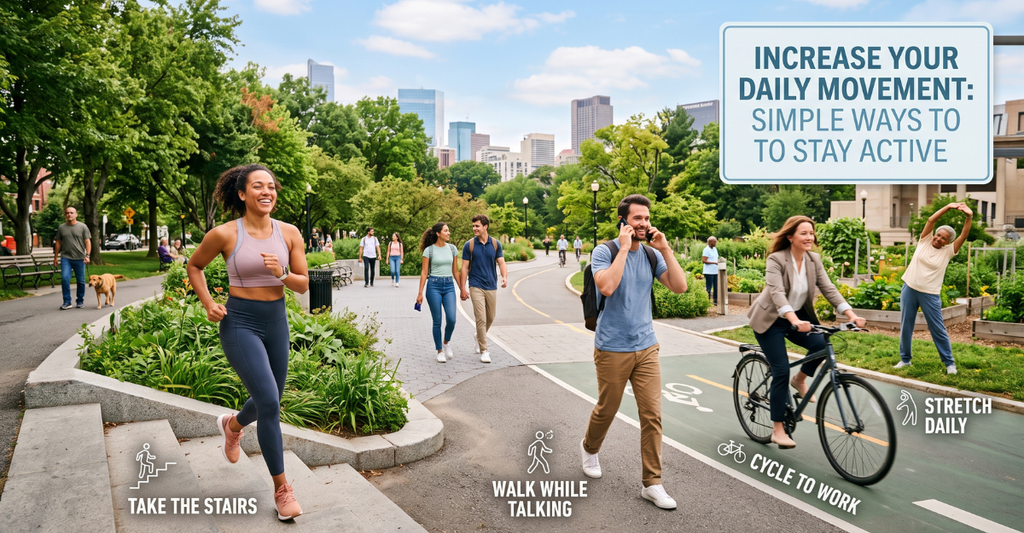
You know that feeling when you reach the end of your day and realize you’ve barely moved from your desk, car, or couch? In our modern world, it’s easier than ever to remain sedentary for hours on end, even when we have the best intentions to stay active. The truth is, you don’t need a gym membership or hours of free time to make a significant difference in your health and wellbeing. What you need are practical, achievable strategies that fit seamlessly into your already busy life.
The good news is that simple ways to increase daily movement are everywhere around you, waiting to be discovered and implemented. Whether you’re a parent juggling kids’ schedules, a tradesperson spending long hours on the job, or an athlete looking to supplement your training routine, adding more movement to your day doesn’t have to feel like another chore on your endless to-do list. It’s about shifting your mindset and recognizing opportunities for activity in places you might not have considered before.
Research consistently shows that even small bursts of activity throughout the day can have profound effects on your cardiovascular health, mental clarity, and overall longevity. You don’t need to run a marathon or spend two hours at the gym to reap these benefits. Sometimes the most sustainable changes are the ones that feel almost effortless because they’re woven into the fabric of your daily routine.
Understanding Why Daily Movement Matters
Your body was designed to move regularly throughout the day, not to remain in static positions for extended periods. When you sit for long stretches, your metabolism slows down, your muscles become stiff, and your circulation decreases significantly. This sedentary behavior has been linked to increased risks of heart disease, diabetes, obesity, and even certain cancers, regardless of how much you exercise during dedicated workout sessions.
Think about it this way: if you work out intensely for an hour each morning but then sit for the remaining fifteen waking hours, your body still experiences the negative effects of prolonged sitting. This phenomenon, sometimes called “active couch potato syndrome,” highlights why simple ways to increase daily movement throughout your entire day are so crucial for optimal health. You need consistent movement patterns that keep your body engaged and your systems functioning properly.
The concept of NEAT, or Non-Exercise Activity Thermogenesis, has gained significant attention in health and fitness circles recently. NEAT refers to all the calories you burn through daily activities that aren’t structured exercise, sleeping, or eating. These activities include everything from typing on your keyboard to carrying groceries to fidgeting in your chair. By maximizing your NEAT, you can dramatically increase your total daily energy expenditure without ever setting foot in a gym.
For busy parents, understanding this principle is especially empowering. You might feel guilty about missing your planned workout, but if you’ve been actively playing with your kids, walking around the soccer field during practice, and taking the stairs throughout the day, you’ve actually accomplished quite a bit of meaningful movement. The key is recognizing and intentionally creating these opportunities rather than letting them happen by chance.
Transform Your Morning Routine
The way you start your morning sets the tone for your entire day, and incorporating movement early can create momentum that carries through to evening. Before you even get out of bed, you can begin with some gentle stretches—reach your arms overhead, point and flex your feet, and do some gentle twists while lying down. These simple movements help wake up your nervous system and increase blood flow to your muscles after hours of sleep.
Once you’re up, consider doing a five-minute movement session before you jump into the shower or start making breakfast. This doesn’t need to be an intense workout; it could be as simple as doing bodyweight squats while your coffee brews, performing wall push-ups while waiting for the shower to warm up, or doing calf raises while brushing your teeth. These micro-sessions are perfect simple ways to increase daily movement without requiring you to carve out extra time from your busy schedule.
If you have kids, morning movement can become a family affair. Challenge your children to see who can do the most jumping jacks before school, or create a quick dance party while everyone gets ready for the day. Not only does this help everyone get their bodies moving, but it also creates positive associations with physical activity for your children that can last a lifetime. Plus, starting the day with laughter and movement together can significantly improve everyone’s mood.
Rethink Your Commute
Your commute to work presents numerous opportunities to add more activity to your day. If you drive, try parking at the far end of the parking lot rather than circling for the closest spot. Those extra steps add up significantly over the course of weeks and months. If you take public transportation, consider getting off one stop early and walking the remainder of the distance to your destination. This strategy gives you built-in walking time without requiring additional scheduling.
For those who have the option, biking to work even just once or twice a week can dramatically increase your weekly movement totals. If the full distance seems daunting, explore the possibility of driving partway and then biking the rest, or look into whether your workplace offers facilities for cyclists. Many people find that biking to work actually energizes them for the day ahead rather than leaving them exhausted, especially once they’ve built up a baseline level of fitness.
Make Your Workspace Work for Your Body
Since many people spend the majority of their waking hours at work, optimizing this environment for movement is essential. Standing desks have become increasingly popular, and for good reason—they allow you to alternate between sitting and standing throughout the day, which reduces the strain that prolonged sitting places on your body. If a standing desk isn’t available to you, even standing up to take phone calls or read documents can break up long sitting sessions effectively.
Setting movement reminders on your phone or computer can help you remember to take regular breaks. A good rule of thumb is to move for at least two minutes every thirty minutes, or five minutes every hour at minimum. During these breaks, you might walk around your office, do some desk stretches, or simply stand up and shift your weight from foot to foot. The specific activity matters less than the consistency of breaking up sedentary time.
Creating a culture of walking meetings can benefit both your health and your productivity. Many people find they think more creatively and communicate more openly when walking side-by-side with colleagues rather than sitting across a conference table. If you’re in a leadership position, suggesting walking meetings can help normalize movement throughout your workplace. For phone calls that don’t require you to reference documents or take extensive notes, pacing while you talk is one of the easiest simple ways to increase daily movement during your workday.
Desk Exercise Strategies
You can perform numerous exercises right at your desk without drawing unwanted attention or working up a sweat. Seated leg raises, where you extend your legs straight out and hold for ten seconds, effectively engage your quadriceps and core muscles. Shoulder rolls, neck stretches, and ankle circles help combat the stiffness that develops from holding static postures for extended periods. These gentle movements improve circulation and can help prevent the aches and pains that many desk workers experience.
More active desk exercises include chair squats, where you hover just above your seat for several seconds before standing fully, then slowly lowering back down. You can also do standing calf raises while waiting for documents to print or for video calls to load. If you have a private office or a workplace culture that supports visible fitness efforts, you might keep a resistance band at your desk for quick upper body exercises throughout the day.
Maximize Movement During Household Tasks
Your home is filled with opportunities to add extra movement beyond what’s strictly necessary to complete your chores. While doing dishes, you can do calf raises or alternate standing on one leg to challenge your balance. When putting away laundry, try doing a squat each time you pick up an item from the basket. These additions might seem small, but they accumulate into significant extra movement when practiced consistently over time.
Cleaning your house is already a form of physical activity, but you can amplify its benefits by being more intentional about your movements. Add lunges as you vacuum by stepping forward with exaggerated movements. When wiping down surfaces, use broad, sweeping motions that engage your core and arms more fully. Turn on energetic music that makes you want to move with more vigor and speed, transforming mundane tasks into an opportunity for cardiovascular activity.
Yard work and gardening provide excellent full-body workouts if you approach them with awareness of your movement patterns. Raking leaves, mowing the lawn, pulling weeds, and digging all require strength, endurance, and flexibility. These activities are wonderful simple ways to increase daily movement because they serve a practical purpose while simultaneously improving your fitness. Just remember to use proper form—bending at your knees rather than your waist, switching sides regularly, and taking stretch breaks to prevent overuse injuries.
Involve Your Children in Active Chores
Getting your kids involved in household tasks teaches them responsibility while also keeping everyone moving. Make chores more appealing by turning them into games or challenges—who can pick up the most toys in two minutes, or who can make the silliest movements while dusting? This approach helps children develop a positive relationship with both physical activity and contributing to household responsibilities.
Family cleaning sessions can become quality time when approached with the right attitude. Put on favorite songs and have a dance party while tidying up, or create relay races for tasks like carrying items upstairs. These strategies make mundane chores more enjoyable while ensuring that everyone in the family gets regular movement throughout the day. You’re modeling the integration of activity into daily life, which is one of the most valuable lessons you can teach your children.
Rethink Your Leisure Time
The way you spend your free time significantly impacts your total daily movement. Instead of automatically sitting down to watch television after dinner, consider what active alternatives might be equally relaxing or entertaining. You could take a family walk around the neighborhood, play catch in the backyard, or put on music and have an impromptu dance party in your living room. These activities provide connection and relaxation while keeping your body engaged.
If you do watch television or stream shows, think about ways to incorporate movement into this time rather than viewing TV and activity as mutually exclusive. You can stretch on the floor while watching, do exercises during commercials, or set a rule that you’ll do a certain number of squats or push-ups between episodes. Some people find that doing simple household tasks like folding laundry or light organizing while watching makes them feel less guilty about screen time.
Hobbies that involve physical activity can be both enjoyable and beneficial for your health. Gardening, woodworking, dancing, playing a musical instrument while standing, and countless other activities keep you moving without feeling like “exercise” in the traditional sense. These pursuits often provide mental and emotional benefits beyond the physical, making them particularly valuable forms of movement for overall wellbeing.
Social Activities That Involve Movement
Instead of always meeting friends for coffee or meals, suggest activities that naturally involve more movement. You might go for a hike on a local trail, visit a museum where you’ll walk for hours, go bowling, or explore a new neighborhood on foot. These outings provide both social connection and physical activity, addressing two crucial components of health and happiness simultaneously. Many people find conversation flows more easily during side-by-side activities than during face-to-face seated meetings.
For parents, arranging active playdates serves multiple purposes. While your kids burn energy on the playground or at a trampoline park, you can walk the perimeter with other parents, join in the play yourself, or do bodyweight exercises on the sidelines. This approach is among the most practical simple ways to increase daily movement for busy parents because it combines childcare with personal fitness goals. You’re not stealing time from your family to exercise; you’re integrating activity into family time.
Make Active Transportation Your Default
Whenever possible, choose walking or biking over driving for short trips. Many people automatically drive to destinations that are actually within comfortable walking distance, especially when they’re not in a rush. Start noticing how far various locations are from your home and which ones could reasonably be reached on foot or by bike. The mile to your local library, coffee shop, or park might take only fifteen to twenty minutes to walk, turning a mundane errand into an opportunity for meaningful movement.
If you have multiple errands to run in a compact area, consider parking once and walking between locations rather than moving your car for each stop. This strategy not only increases your step count but often saves time that would be spent navigating traffic and finding parking spots. You might be surprised by how much you notice about your community when you slow down and travel at a human pace rather than a vehicle pace.
For families, walking or biking together creates opportunities for conversation and connection that don’t happen as naturally in a car. Kids are more likely to talk about their day when they’re moving side-by-side with you than when they’re strapped into a car seat. These regular walking trips also help children develop a sense of independence and spatial awareness about their neighborhood that serves them well as they grow older.
Strategies for Cold Weather and Inclement Conditions
Don’t let weather be an excuse to abandon active transportation entirely. With proper gear—warm layers, waterproof jackets, and appropriate footwear—walking and biking remain comfortable in a wide range of conditions. Many people find they actually prefer walking in cool weather once they’re dressed appropriately, as they don’t overheat the way they might on a hot summer day. The key is being prepared rather than trying to tough it out in inadequate clothing.
On days when weather truly is prohibitive, look for indoor alternatives that still involve active transportation. Mall walking has become popular among people of all ages because it provides a climate-controlled environment with level surfaces and restroom facilities. Some communities have indoor track facilities or recreation centers with walking paths. These spaces offer opportunities to maintain your active transportation habits regardless of outdoor conditions.
Leverage Technology to Support Your Movement Goals
Fitness trackers and smartphone apps can provide motivation and accountability for increasing your daily movement. Seeing your step count, active minutes, or calories burned displayed in real-time often encourages you to make more active choices throughout the day. Many people find they naturally start looking for opportunities to add more steps once they can see their progress tracked visually. Setting daily goals and working to achieve them turns movement into a game rather than a chore.
However, remember that technology should serve you rather than stress you. If checking your stats becomes anxiety-producing or if you feel like a failure when you don’t hit arbitrary targets, it might be time to reassess your relationship with tracking. The point of monitoring your movement is to provide information and motivation, not to create another source of pressure in your already busy life. Use these tools in whatever way genuinely helps you rather than following others’ approaches.
Apps that provide movement reminders can be particularly useful for people who get absorbed in work or other tasks and forget to take regular breaks. Some apps offer quick exercise suggestions appropriate for wherever you are, making it easy to incorporate brief activity sessions without having to plan them yourself. Video platforms offer countless free resources for short movement breaks, from yoga sessions to dance cardies to targeted stretches for specific areas of tension.
Creating Friendly Competition
Many fitness tracking platforms allow you to connect with friends and family members for challenges and competitions. For some people, this social element provides tremendous motivation to keep moving. You might challenge your siblings to a step competition, join a workplace movement challenge, or create a family leaderboard that resets each week. These friendly competitions often inspire creative simple ways to increase daily movement as participants look for any opportunity to edge ahead.
If competition isn’t your style, the social features can simply provide community and mutual encouragement. Cheering on friends’ achievements, sharing your own struggles and successes, and feeling part of a group working toward similar goals can make the journey toward increased daily movement feel less isolating. Many people maintain activity habits for longer when they feel accountable to others who are tracking similar metrics.
Optimize Your Evening Routine
The hours after dinner often present excellent opportunities for additional movement, yet many people default to complete stillness during this time. Taking a short walk after your evening meal aids digestion, can help stabilize blood sugar levels, and provides a nice transition between the busyness of the day and the relaxation of evening. Even just ten or fifteen minutes around your neighborhood can make a significant difference in how you feel and how well you sleep.
If you have kids, this after-dinner walk can become a cherished family ritual. It’s a time when everyone can talk about their day without the distractions of screens or the rush of morning schedules. Young children often find this walking time easier for opening up about school challenges or friend situations. As your kids grow, maintaining this routine keeps communication channels open during the sometimes difficult adolescent years when teenagers naturally begin to withdraw from parents.
Before bed, gentle stretching or restorative yoga poses help release physical tension accumulated throughout the day while also preparing your body and mind for sleep. These calming movements are quite different from the vigorous exercise you might do earlier in the day, but they’re equally valuable for overall health. Focus on areas where you typically hold tension—many people benefit from hip openers, shoulder stretches, and gentle spinal twists after a day of sitting or repetitive movements.
Preparing Your Space for Movement
Create an environment in your home that encourages rather than hinders movement. This might mean keeping a yoga mat rolled out in a corner where you’ll see it frequently, or placing resistance bands where you can easily grab them while watching television. If exercise equipment is hidden away in a closet or basement, you’re far less likely to use it than if it’s visible and accessible in your regular living spaces.
Consider the furniture arrangement in rooms where you spend significant time. Can you easily move around, or are pathways blocked? Is there space to do floor exercises if the mood strikes? Sometimes simple rearrangements can make a substantial difference in how naturally movement flows throughout your day. The goal is to reduce barriers between the impulse to move and the ability to act on that impulse immediately.
Movement Strategies for Different Types of Work
Tradespeople and those in physically demanding jobs might assume they’re already getting plenty of movement and don’t need to think about adding more. However, repetitive movements in work contexts can create imbalances and overuse injuries if not balanced with stretching and strengthening exercises that target opposite muscle groups. If your work involves a lot of forward bending, for example, back extension stretches become particularly important. Pay attention to what your job demands of your body and look for complementary movements to maintain balance.
Office workers face the opposite challenge—too much stillness rather than too much repetitive strain. For you, any movement is beneficial, and the simple ways to increase daily movement discussed throughout this article are particularly important. Don’t underestimate the value of small changes like standing during phone calls or walking to speak with colleagues rather than emailing. These micro-movements prevent the complete physical stagnation that comes from uninterrupted sitting.
People who work from home have unique opportunities and challenges regarding daily movement. Without a commute, you miss out on incidental walking to and from parking areas or transit stops. You might also feel less motivated to move around when your living room is just steps from your workspace. However, you have more freedom to structure your day in ways that prioritize movement—taking a midday exercise class, doing household tasks during traditional lunch hours, or keeping fitness equipment nearby for frequent short sessions.
Teaching Kids to Value Daily Movement
As a parent, one of the greatest gifts you can give your children is a positive relationship with physical activity. This means presenting movement as something enjoyable and natural rather than as punishment or obligation. When you incorporate simple ways to increase daily movement into family life—walking to school together, dancing while cooking dinner, playing active games—children internalize the message that bodies are meant to move regularly throughout each day.
Limit screen time not just by setting rules, but by offering appealing alternatives. Kids who are bored will naturally gravitate toward tablets and televisions, but children who have engaging options will often choose more active pursuits. This might mean keeping sports equipment easily accessible, maintaining a dress-up box that encourages dramatic play, or having art supplies that can be used at an easel rather than sitting at a table. The key is making the active choice the easy and appealing choice.
Model the behavior you want to see in your children. Kids are remarkably perceptive and will notice if you preach the importance of movement while spending your own free time sedentary. When they see you choosing to take the stairs, park farther away, or do stretches while watching a show, they receive a powerful message about how adults integrate activity into everyday life. Your actions speak far louder than your words when it comes to shaping your children’s habits and attitudes.
Age-Appropriate Activity Suggestions
The types of movement that appeal to children vary significantly by developmental stage. Toddlers and preschoolers need frequent opportunities for unstructured active play—running, jumping, climbing, and exploring their physical capabilities. Elementary school children often enjoy organized activities like sports teams or martial arts classes, but they also still benefit from plenty of free play time. Creating opportunities for both structured and unstructured activity helps kids develop a broad base of physical competencies.
Teenagers can be particularly challenging to keep active because they’re increasingly independent and may lose interest in childhood activities. This is where variety becomes important—offering exposure to different types of movement so they can find something that resonates with their emerging identity. Some teens might discover a passion for hiking, others for dance, still others for strength training. Supporting their exploration without forcing specific activities helps them develop intrinsic motivation for staying active.
Give us a call today at 1-877-777-6086 or fill out our contact form to become a retail
distributor of our top-of-the-line safety lights