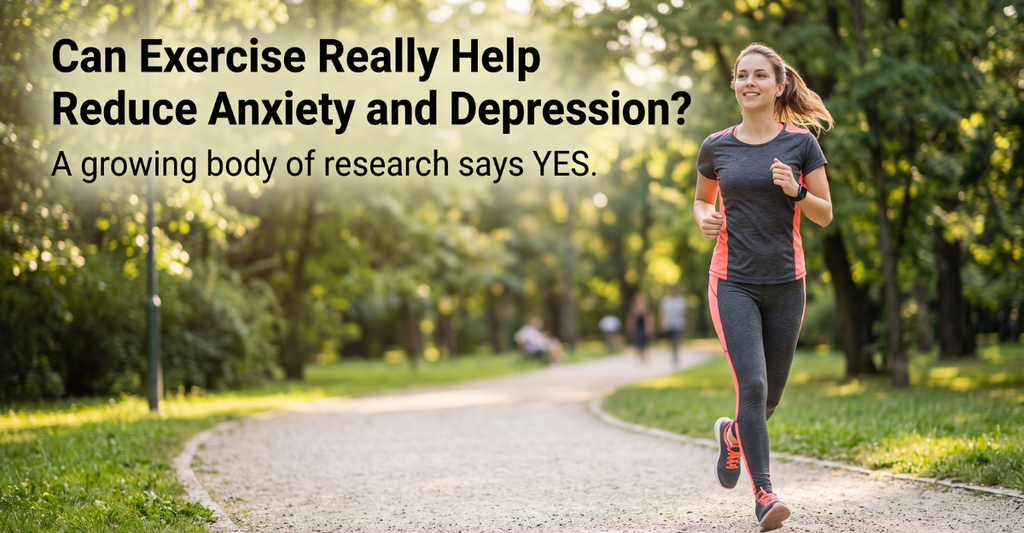
The weight of daily stress can feel crushing, especially when you’re juggling work deadlines, family responsibilities, and trying to maintain some semblance of a healthy lifestyle. Perhaps you’ve noticed that persistent feeling of unease creeping into your mornings, or that heavy fog of low mood that just won’t lift. You’re not alone in this struggle, and the answer to finding relief might be simpler than you think—though it requires commitment and consistency that many people overlook.
The Science Behind Exercise and Mental Health
When researchers examine the connection between physical activity and mental wellness, the evidence is overwhelming and continues to mount with each passing year. Can exercise really help reduce anxiety and depression? The scientific community has resoundingly answered “yes,” with hundreds of peer-reviewed studies demonstrating measurable improvements in both conditions. Your brain chemistry actually transforms during and after physical activity, creating a cascade of beneficial effects that pharmaceutical interventions often struggle to replicate with the same holistic impact.
The biological mechanisms at work are fascinating and multifaceted. When you exercise, your body releases endorphins—those famous “feel-good” chemicals that act as natural painkillers and mood elevators. But that’s just the beginning of the story. Physical activity also stimulates the production of neurotransmitters like serotonin, dopamine, and norepinephrine, all of which play crucial roles in regulating mood, motivation, and emotional balance. These aren’t just temporary spikes either; regular exercise actually helps maintain more stable levels of these critical brain chemicals throughout your day.
Beyond the immediate chemical changes, exercise promotes neuroplasticity—your brain’s ability to form new neural connections and adapt to challenges. Studies using brain imaging technology have shown that consistent physical activity can actually increase the size of the hippocampus, the brain region responsible for memory and emotional regulation. For someone battling depression or anxiety, this means your brain is literally rebuilding its capacity to manage stress and maintain emotional equilibrium. The implications of this are profound, suggesting that movement is medicine in the truest sense.
How Different Types of Exercise Impact Mental Health
Not all movement affects your mental state in exactly the same way, and understanding these differences can help you tailor your approach to your specific needs. Aerobic exercise—activities like running, cycling, swimming, or brisk walking—has been the most extensively studied form of movement for mental health benefits. When you engage in sustained cardiovascular activity, you’re essentially giving your brain a reset, flooding it with oxygen-rich blood while simultaneously reducing levels of stress hormones like cortisol and adrenaline.
The rhythm and repetition of activities like running or cycling can induce a meditative state that many athletes describe as transcendent. This isn’t just poetic language; it’s a documented psychological phenomenon where the steady cadence of movement allows your mind to process emotions and thoughts more effectively. You might have experienced this yourself—that moment during a long run where suddenly a problem that seemed insurmountable earlier in the day has a clear solution, or where anxiety that felt paralyzing has somehow loosened its grip on your chest.
Strength training offers its own unique mental health advantages that complement cardiovascular work beautifully. When you lift weights or perform bodyweight exercises, you’re building more than muscle—you’re constructing confidence and self-efficacy with each completed set. The progressive nature of resistance training, where you gradually lift heavier weights or perform more challenging variations, provides tangible evidence of your growing capabilities. For someone struggling with depression’s lies about worthlessness or anxiety’s constant predictions of failure, these concrete achievements become powerful counter-narratives that reshape your internal dialogue.
- Yoga and mind-body practices combine physical movement with intentional breathing and present-moment awareness
- Team sports and group fitness classes add the crucial element of social connection and accountability
- Outdoor activities like hiking or trail running incorporate nature exposure, which research shows has independent mental health benefits
- High-intensity interval training (HIIT) can provide maximum benefit in minimum time, perfect for busy schedules
The Dose-Response Relationship: How Much Exercise Do You Need?
One of the most common questions people ask is exactly how much movement is required to experience mental health benefits. Can exercise really help reduce anxiety and depression if you can only spare 15 minutes a day? The encouraging answer is that even modest amounts of physical activity can produce noticeable improvements in mood and anxiety levels. Research published in the American Journal of Psychiatry found that just one hour of exercise per week could prevent 12% of future depression cases—a remarkable statistic that should motivate even the busiest individuals.
However, like most aspects of health, there’s a dose-response relationship at play. More exercise generally provides greater mental health benefits, up to a certain point where the law of diminishing returns kicks in. Most experts recommend aiming for 150 minutes of moderate-intensity exercise per week, which breaks down to just 30 minutes five days a week. This is the sweet spot where research consistently shows significant reductions in both anxiety and depressive symptoms, though benefits begin appearing at even lower volumes.
Intensity matters too, but perhaps not in the way you might expect. While vigorous exercise certainly has its place and can provide dramatic mood boosts through endorphin release, moderate-intensity activity performed consistently often yields better long-term mental health outcomes. Why? Because sustainability trumps intensity when we’re talking about using movement as a tool for managing chronic mental health challenges. A moderate pace you can maintain day after day, week after week, will always outperform sporadic bursts of extreme effort followed by long periods of inactivity.
The timing of your exercise can also influence its mental health impact in interesting ways. Morning workouts have been shown to set a positive tone for the entire day, reducing anxiety levels and improving stress resilience during subsequent challenges. Evening exercise can help burn off accumulated tension from the day and improve sleep quality which itself is crucial for mental health. Experiment with different timing to discover what works best for your schedule and your specific symptoms. Some people with anxiety find that splitting their exercise into two shorter sessions helps maintain more stable mood throughout the day.
Breaking Through the Motivation Barrier
Here’s the cruel irony of using exercise to combat anxiety and depression: the very conditions you’re trying to treat often rob you of the motivation and energy needed to exercise in the first place. Depression whispers that you’re too tired, that it won’t help anyway, that you should just stay in bed. Anxiety warns that something might go wrong if you venture out, that you’ll embarrass yourself, that your racing heart is dangerous rather than beneficial. These are lies, but they’re convincing lies that feel like truth when you’re in the thick of mental health struggles.
The key is to lower the barrier to entry so dramatically that these mental obstacles can’t stop you. Forget about the ideal workout or optimal training plan for now—focus instead on movement that feels achievable given your current state. This might mean committing to just five minutes of walking around your neighborhood. Five minutes sounds almost laughably short, but it’s infinitely better than zero minutes, and crucially, it’s something you can actually make yourself do even when depression or anxiety is weighing heavily. Once you’re moving, you’ll often find the momentum carries you beyond your initial modest goal.
Creating systems and structures that support consistency matters enormously when motivation is unreliable. Laying out your workout clothes the night before removes one decision point the next morning. Scheduling exercise at the same time each day builds it into your routine until it becomes automatic rather than requiring active willpower. Finding an accountability partner or joining a fitness community transforms exercise from something you do alone into a social commitment you’re less likely to abandon. These aren’t trivial tricks—they’re evidence-based strategies that recognize willpower is a limited resource and shouldn’t be your primary tool for maintaining healthy habits.
Real Results: What Improvements Can You Expect?
When you commit to using exercise as part of your mental health strategy, what changes should you actually anticipate experiencing? Can exercise really help reduce anxiety and depression to a degree that’s noticeable in your daily life? The timeline varies considerably between individuals, but most people report subtle shifts within the first week or two—perhaps slightly better sleep, or a brief window during or after exercise where the constant mental chatter quiets down.
The more substantial, lasting changes typically emerge after four to six weeks of consistent exercise. This is when the neurobiological adaptations really take hold, when your brain has had time to establish new patterns and pathways. You might notice that situations that previously triggered intense anxiety now feel more manageable, or that the heavy blanket of depression lifts more frequently and for longer periods. Your baseline mood may shift upward incrementally, so gradually that you only recognize the change when you look back and compare how you felt a month ago to how you feel now.
It’s important to maintain realistic expectations while still appreciating the genuine power of movement. For mild to moderate depression and anxiety, exercise can be as effective as medication or psychotherapy—sometimes more so. Research directly comparing exercise interventions to antidepressant medications has found comparable outcomes, with some studies showing exercise producing fewer side effects and better long-term maintenance of improvements. However, for severe depression or anxiety disorders, exercise should complement rather than replace professional treatment. The combination of therapy, appropriate medication when needed, and regular physical activity typically produces the best outcomes.
Physical improvements often parallel mental ones in encouraging ways. As your cardiovascular fitness increases, you’ll notice everyday activities requiring less effort—climbing stairs without breathlessness, playing with your kids without exhaustion, completing work tasks with energy to spare. These physical gains reinforce the mental health benefits, creating a virtuous cycle where feeling stronger physically makes you feel more capable mentally, which in turn motivates continued exercise. Your body and mind aren’t separate systems; they’re deeply interconnected, and improving one inevitably supports the other.
Overcoming Common Obstacles for Busy Parents and Professionals
The “I don’t have time” objection is perhaps the most common barrier preventing people from using exercise as a mental health tool, and it’s not entirely without merit. Between demanding careers, parenting responsibilities, household management, and the thousand other obligations filling your days, finding 30 uninterrupted minutes can genuinely feel impossible. But this thinking reflects a false assumption that exercise requires a specific format—a gym visit, a formal workout, dedicated athletic time carved from an already overflowing schedule.
The truth is that movement can be woven into the fabric of your existing routine in dozens of creative ways. Can exercise really help reduce anxiety and depression even when it’s accumulated in brief spurts throughout your day? Absolutely. Recent research has debunked the myth that exercise only “counts” if performed in sustained blocks, showing that accumulated short bouts of activity provide similar mental health benefits to longer continuous sessions. This opens up entirely new possibilities for incorporating movement into your busy life.
Consider the opportunities already embedded in your day: parking farther from entrances turns every errand into a walking opportunity; taking stairs instead of elevators adds strength work to routine building navigation; playing active games with your children transforms parenting time into exercise time; walking meetings replace sedentary conference rooms with movement-enhanced creativity. These aren’t compromises or second-best options—they’re legitimate forms of physical activity that contribute to your mental health while simultaneously addressing other life responsibilities.
For parents specifically, modeling active behavior provides the additional benefit of teaching your children that movement is a natural, enjoyable part of daily life rather than a chore to be avoided. When your kids see you prioritizing exercise despite a busy schedule, they internalize the message that physical activity is valuable and worth making time for. Family bike rides, backyard soccer games, or evening walks become opportunities for both connection and movement. You’re not taking time away from your children to exercise; you’re investing in your mental health so you can be more present, patient, and engaged when you’re with them.
Exercise as Part of a Comprehensive Mental Health Strategy
While the mental health benefits of exercise are substantial and well-documented, it’s crucial to understand that movement works best as one component of a broader wellness approach. Can exercise really help reduce anxiety and depression on its own? Often yes, but combining physical activity with other evidence-based strategies typically produces more robust and lasting results than relying on any single intervention.
Sleep quality and exercise have a bidirectional relationship—physical activity improves sleep, and better sleep enhances your ability to exercise and manage mental health symptoms. Prioritizing consistent sleep schedules, creating restful bedroom environments, and using exercise strategically to promote better sleep creates a powerful synergy. Many people find that regular morning or afternoon exercise helps them fall asleep more easily and experience deeper, more restorative rest, which in turn reduces anxiety and lifts depressive symptoms.
Nutrition plays an equally important supporting role in the exercise-mental health connection. Your brain requires specific nutrients to produce the neurotransmitters that regulate mood, and physical activity increases these nutritional needs. Ensuring adequate protein intake supports muscle recovery and neurotransmitter production. Complex carbohydrates provide the steady energy needed for consistent exercise. Omega-3 fatty acids, found in fish, flaxseed, and walnuts, have independent antidepressant effects that complement exercise benefits. You’re not just fueling workouts; you’re providing your brain the raw materials it needs to maintain emotional balance.
Social connection deserves special emphasis as a factor that can amplify exercise’s mental health benefits dramatically. Humans are fundamentally social creatures, and isolation exacerbates both anxiety and depression. Choosing exercise formats that involve other people—running clubs, fitness classes, recreational sports leagues, or even just walking with a friend—adds the therapeutic element of human connection to the physical activity itself. You might find that group exercise provides mental health benefits beyond what you experience from solo workouts, not because the physical activity is more effective, but because you’re simultaneously addressing the social disconnection that often accompanies mental health struggles.
Adapting Exercise to Your Current Mental State
One of the most empowering aspects of using movement as a mental health tool is learning to match your activity to your current emotional and psychological state. Can exercise really help reduce anxiety and depression when symptoms are particularly severe? Yes, but the type and intensity of movement that’s helpful may need to shift based on what you’re experiencing in the moment.
When anxiety is high, with that characteristic racing heart, shallow breathing, and sense of impending doom, moderate-intensity rhythmic activities often provide the most relief. Walking, easy jogging, swimming, or cycling at a conversational pace helps discharge the physical tension anxiety creates while avoiding the intensity that might trigger more panic. These activities naturally regulate breathing patterns, gradually bringing your respiratory rate into the calmer rhythm that signals safety to your nervous system. The key is choosing a pace that feels challenging enough to occupy your attention but sustainable enough that you’re not gasping for air or pushing into that fight-or-flight zone.
During depressive episodes, when everything feels heavy and pointless, the approach needs adjustment. Here, any movement is victory, and shorter, more frequent activity bursts often work better than attempting lengthy workouts that feel overwhelming. Even a five-minute walk around the block or a few gentle stretches accomplishes something important—it breaks the depressive cycle of inactivity and demonstrates that you’re still capable of taking action despite how depression insists otherwise. Sometimes the mental health benefit comes less from the physiological effects of the exercise itself and more from proving to yourself that you can still influence your experience, that you retain some agency even when depression tries to convince you otherwise.
- For acute anxiety episodes: Try walking while counting steps or focusing on your surroundings (grounding technique plus movement)
- For low motivation from depression: Set a timer for just five minutes and give yourself permission to stop after that
- For racing thoughts: Choose activities with enough complexity to demand attention, like dance classes or rock climbing
- For emotional numbness: Try higher-intensity workouts that create strong physical sensations and endorphin release
Long-Term Mental Health Maintenance Through Movement
The relationship between exercise and mental wellness isn’t just about addressing current symptoms—it’s about building lasting resilience against future episodes of anxiety and depression. When you exercise consistently over months and years, you’re essentially training your brain and body to handle stress more effectively, creating a buffer against the mental health challenges that life inevitably throws your way. This preventive aspect of physical activity deserves more attention than it typically receives.
Research on exercise and mental health increasingly focuses on this prophylactic effect, examining how regular physical activity changes the way your stress response system functions. People who exercise consistently show different patterns of cortisol release in response to stressors compared to sedentary individuals—their bodies still mount stress responses when appropriate, but these responses are more proportionate to actual threats and resolve more quickly. Your nervous system literally becomes more adaptable and less reactive, which translates to greater emotional stability in daily life.
The cognitive benefits of long-term exercise also contribute significantly to mental health maintenance. Regular physical activity improves executive function, working memory, and cognitive flexibility—all abilities that help you problem-solve effectively and maintain perspective during challenging situations. When you can think clearly despite stress, when you can hold multiple perspectives simultaneously, when you can plan and execute solutions to problems, you’re far less likely to spiral into anxiety or sink into depression. Exercise builds these cognitive skills incrementally, often in ways you don’t consciously notice until you’re suddenly handling a crisis more effectively than you would have a year earlier.
Building exercise into your identity rather than keeping it as just a behavior you do creates even stronger mental health protection. When you see yourself as “someone who exercises” or “a runner” or “an active person,” that identity carries you through periods when motivation wanes. Identity-level changes are more resistant to disruption than habit-level changes because they connect to your sense of self rather than just your actions. This doesn’t happen overnight, but after months of consistent movement, you’ll likely notice this shift—exercise stops being something you have to make yourself do and becomes simply part of who you are.
Practical Starting Points for Different Fitness Levels
If you’re currently sedentary or returning to exercise after a long break, the prospect of starting a fitness routine while already struggling with anxiety or depression can feel overwhelming. Can exercise really help reduce anxiety and depression when you’re out of shape and every movement feels difficult? Absolutely, but you need a realistic starting point that meets you where you are right now rather than where you think you “should” be.
For true beginners, walking remains the most accessible and effective starting point. It requires no special equipment beyond comfortable shoes, can be done almost anywhere, naturally fits into daily life, and provides substantial mental health benefits despite its apparent simplicity. Start with whatever duration feels manageable—even if that’s just walking to the mailbox and back. The distance doesn’t matter nearly as much as establishing the pattern of daily movement and experiencing the immediate mood boost that follows.
If you have some fitness base but have been inactive recently, consider activities you enjoyed in the past. That muscle memory—both physical and emotional—can make re-entry easier than trying something completely new. Maybe you played basketball in high school or danced in college; reconnecting with those activities taps into positive associations and existing skills, lowering barriers to participation. Even if you can’t perform at your previous level, the familiarity provides comfort and motivation that purely novel activities might not.
For those already active but not exercising specifically for mental health benefits, the adjustment might simply be bringing more intention to your existing routine. Pay attention to how different activities affect your mood and anxiety levels. Notice which workouts leave you feeling energized versus depleted. Experiment with timing—does morning exercise provide a better mental health foundation for your day, or does evening movement help you decompress and sleep better? This kind of mindful experimentation helps you optimize your existing activity for maximum mental wellness impact.
Tracking Progress and Celebrating Small Victories
When you’re using exercise to manage mental health, traditional fitness metrics like pace, distance, or weight lifted matter less than mood-based measurements. Can exercise really help reduce anxiety and depression in ways you can actually measure and track? Yes, and keeping records of these improvements provides crucial motivation during periods when progress feels invisible or symptoms temporarily worsen.
Consider keeping a simple mood journal where you rate your anxiety and depression levels before and after exercise on a scale of 1-10. Over weeks, patterns will emerge that are incredibly reinforcing—you’ll see objective evidence that movement consistently improves your mental state, creating a personalized dataset that motivates continued activity even when your brain tries to convince you it’s not helping. This doesn’t need to be elaborate or time-consuming; even a quick note in your phone after workouts creates valuable tracking data.
Celebrate consistency over performance. For someone managing mental health challenges, showing up for a workout despite depression’s weight or anxiety’s objections is a greater victory than any performance metric. Did you exercise three times this week when last month you couldn’t manage once? That’s enormous progress worth acknowledging. Did you go for a walk even though anxiety made it feel scary? That’s courage demonstrated, regardless of how far or fast you walked. Redefining success around these mental health-specific achievements keeps you motivated and accurately reflects the real work you’re doing.
Physical markers still have value but frame them in terms of function and feeling rather than appearance or comparison to others. Notice when climbing stairs stops leaving you breathless. Appreciate when playing with your kids no longer exhausts you immediately. Recognize when you have energy left at the end of the workday instead of collapsing on the couch. These functional improvements both result from and contribute to better mental health, creating that virtuous cycle where physical and mental wellness reinforce each other continuously.
Give us a call today at 1-877-777-6086 or fill out our contact form to become a retail
distributor of our top-of-the-line safety lights.