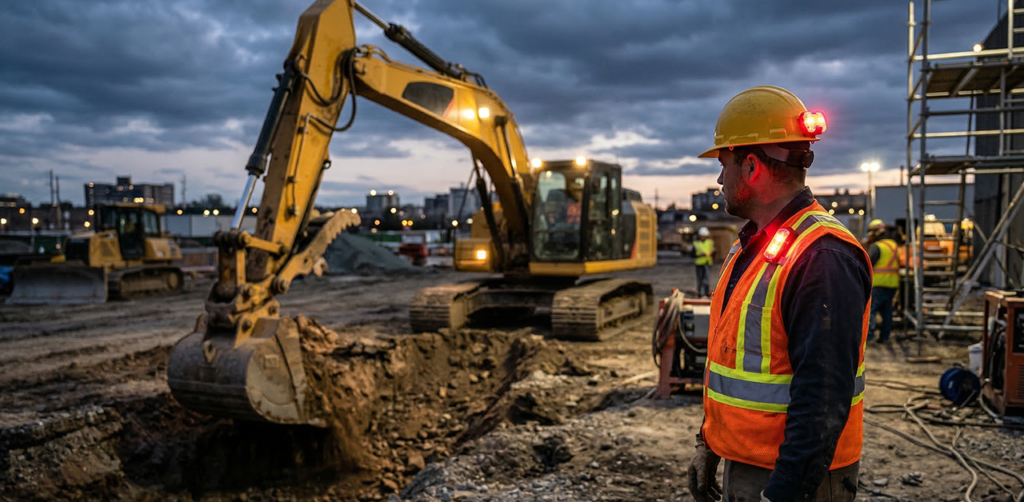
When it comes to working in environments with heavy machinery, safety should always be your top priority. Whether you’re an athlete training in a gym with industrial-grade equipment or a tradesman operating on a construction site, the risks associated with these powerful machines cannot be overstated. One innovative solution that has gained traction in recent years is the use of clip-on safety lights. These small but mighty devices can significantly boost your safety near heavy machinery, providing an extra layer of protection in potentially hazardous situations.
The Role of Visibility in Workplace Safety
Visibility plays a crucial role in maintaining a safe work environment, especially when heavy machinery is involved. Poor lighting conditions, blind spots, and the sheer size of industrial equipment can create dangerous situations where workers may not be easily seen by machine operators. This is where clip-on safety lights come into play. By increasing your visibility, these lights can help prevent accidents and injuries that could occur due to lack of awareness or poor visibility.
How Clip-On Safety Lights Work
Clip-on safety lights are compact, lightweight devices that can be easily attached to your clothing, hard hat, or safety gear. They typically use bright LED lights that can be set to different modes, such as steady, flashing, or strobing. The primary function of these lights is to make you more visible to others in your work environment, particularly to those operating heavy machinery.
Benefits of Using Clip-On Safety Lights Near Heavy Machinery
The advantages of incorporating clip-on safety lights into your safety protocol are numerous. Here are some key benefits:
- Increased visibility in low-light conditions
- Enhanced awareness of worker positions for machine operators
- Reduced risk of accidents and injuries
- Improved overall workplace safety culture
- Cost-effective safety solution
By wearing clip-on safety lights, you’re not only protecting yourself but also contributing to a safer work environment for everyone around you. These small devices can make a big difference in preventing potentially life-threatening accidents near heavy machinery.
Choosing the Right Clip-On Safety Light for Your Needs
When selecting a clip-on safety light to boost your safety near heavy machinery, there are several factors to consider. The right choice can significantly enhance your visibility and, consequently, your safety. Here are some key features to look for:
Brightness and Light Modes
Opt for a clip-on safety light that offers high brightness levels and multiple light modes. Brighter lights are more visible from a distance and in various lighting conditions. Different light modes, such as steady, flashing, or strobing, can be useful in different situations and can help you stand out even more.
Battery Life and Charging Options
Consider the battery life of the safety light and how it’s charged. Some models use replaceable batteries, while others have rechargeable batteries. USB-rechargeable options can be convenient for daily use, while models with long-lasting replaceable batteries might be better for extended periods without access to charging facilities.
Durability and Weather Resistance
Since you’ll be using these lights in potentially harsh environments near heavy machinery, it’s crucial to choose a model that’s built to last. Look for clip-on safety lights that are water-resistant or waterproof, shock-resistant, and able to withstand extreme temperatures.
Proper Usage and Placement of Clip-On Safety Lights
To maximize the effectiveness of your clip-on safety lights and boost your safety near heavy machinery, it’s essential to use and place them correctly. Here are some tips to ensure you’re getting the most out of your safety lights:
Strategic Placement
Attach your clip-on safety lights to areas of your body or clothing that are most visible from all angles. Common placement areas include:
- The back of your hard hat or helmet
- Both shoulders of your safety vest or jacket
- The center of your back
- Your chest or upper torso area
By placing lights in multiple locations, you increase your visibility from various directions, reducing the chances of being overlooked by machine operators.
Regular Maintenance and Checks
To ensure your clip-on safety lights are always ready when you need them, make it a habit to:
- Check the battery level before each use
- Clean the lights regularly to maintain maximum brightness
- Inspect the clips or attachment mechanisms for any damage
- Test different light modes to ensure they’re all functioning correctly
Integrating Clip-On Safety Lights with Other Safety Measures
While clip-on safety lights are an excellent tool for boosting your safety near heavy machinery, they should be used in conjunction with other safety measures and protocols. Here’s how you can integrate these lights into a comprehensive safety strategy:
Personal Protective Equipment (PPE)
Clip-on safety lights should complement, not replace, other essential PPE. Continue to wear high-visibility clothing, hard hats, safety goggles, and other required safety gear. The addition of clip-on lights enhances the effectiveness of your existing PPE by providing an extra layer of visibility.
Safety Training and Awareness
Incorporate the use of clip-on safety lights into your regular safety training sessions. Educate workers on the importance of these lights, how to use them properly, and when they’re most effective. Raising awareness about the benefits of clip-on safety lights can encourage widespread adoption and create a stronger safety culture in your workplace.
The Impact of Clip-On Safety Lights on Workplace Accidents
The implementation of clip-on safety lights in workplaces with heavy machinery has shown promising results in reducing accidents and injuries. While specific statistics may vary depending on the industry and work environment, many companies have reported significant improvements in worker safety after introducing these devices.
Case Studies and Success Stories
Several industries have successfully incorporated clip-on safety lights into their safety protocols, leading to notable improvements in worker safety. For example:
- A large construction company reported a 30% reduction in near-miss incidents involving heavy machinery after implementing clip-on safety lights for all ground workers.
- A mining operation saw a 25% decrease in accidents related to low visibility after providing workers with clip-on safety lights for use during night shifts.
- A warehouse facility experienced a 40% reduction in forklift-related incidents after equipping all floor workers with clip-on safety lights.
These success stories highlight the potential of clip-on safety lights to significantly boost safety in environments with heavy machinery.
Addressing Common Concerns About Clip-On Safety Lights
While the benefits of clip-on safety lights are clear, some workers and employers may have concerns or reservations about their use. Addressing these concerns can help promote wider adoption and acceptance of this safety measure.
Comfort and Convenience
Some workers might worry that clip-on safety lights will be uncomfortable or interfere with their work. However, modern clip-on lights are designed to be lightweight and unobtrusive. Many users report that they quickly forget they’re wearing the lights, allowing them to focus on their tasks without distraction.
Cost Considerations
Employers may be concerned about the cost of implementing clip-on safety lights across their workforce. However, when compared to the potential costs associated with workplace accidents and injuries, the investment in these safety devices is relatively small. The long-term benefits of improved safety and reduced accident rates far outweigh the initial costs of purchasing and maintaining clip-on safety lights.
Future Innovations in Clip-On Safety Light Technology
As technology continues to advance, we can expect to see further improvements in clip-on safety light designs and capabilities. Some potential future innovations include:
Smart Safety Lights
Future clip-on safety lights may incorporate smart technology, allowing them to communicate with heavy machinery or central safety systems. These lights could automatically adjust their brightness or flashing patterns based on proximity to machinery or changing environmental conditions.
Enhanced Battery Technology
Advancements in battery technology could lead to clip-on safety lights with even longer battery life and faster charging times. This could include the development of solar-powered options or lights that can harvest energy from body movement.
Customizable Light Patterns
Future clip-on safety lights might offer more customizable light patterns or colors, allowing workers to differentiate themselves based on their roles or specific safety requirements. This could further enhance visibility and communication in complex work environments.
Best Practices for Implementing Clip-On Safety Lights in Your Workplace
If you’re considering introducing clip-on safety lights to boost safety near heavy machinery in your workplace, follow these best practices for a successful implementation:
Conduct a Thorough Assessment
Before purchasing clip-on safety lights, assess your workplace to identify areas where they would be most beneficial. Consider factors such as:
- Types of heavy machinery in use
- Lighting conditions in different work areas
- Existing safety measures and their effectiveness
- Worker feedback on current safety concerns
This assessment will help you choose the most appropriate clip-on safety lights and determine where they should be used.
Develop Clear Policies and Procedures
Create comprehensive policies and procedures for the use of clip-on safety lights. These should cover:
- When and where clip-on safety lights must be worn
- Proper maintenance and care of the lights
- Procedures for reporting malfunctioning lights
- Consequences for non-compliance with safety light policies
Clear guidelines will ensure consistent use of clip-on safety lights and maximize their effectiveness in boosting safety near heavy machinery.
The Role of Employee Feedback in Optimizing Clip-On Safety Light Usage
Engaging your employees in the process of implementing and improving the use of clip-on safety lights is crucial for success. Their feedback can provide valuable insights into the effectiveness of the lights and identify areas for improvement.
Regular Safety Meetings
Hold regular safety meetings where employees can share their experiences with clip-on safety lights. Encourage open discussions about:
- The perceived benefits of using the lights
- Any challenges or difficulties encountered
- Suggestions for improving the use or design of the lights
- Ideas for integrating the lights with other safety measures
These meetings can help refine your safety protocols and ensure that clip-on safety lights are being used effectively to boost safety near heavy machinery.
Anonymous Feedback Channels
Provide anonymous feedback channels, such as suggestion boxes or online surveys, where employees can share their thoughts on clip-on safety lights without fear of repercussion. This can encourage more honest feedback and potentially uncover issues or ideas that might not be shared in group settings.
The Psychological Impact of Clip-On Safety Lights on Worker Confidence
Beyond their practical safety benefits, clip-on safety lights can have a positive psychological impact on workers operating near heavy machinery. This added layer of safety can boost confidence and reduce stress, leading to improved overall job performance and satisfaction.
Increased Sense of Control
Wearing a clip-on safety light gives workers a tangible way to take control of their own safety. This sense of empowerment can lead to:
- Reduced anxiety when working near heavy machinery
- Increased focus on tasks, as workers feel more secure in their environment
- Greater job satisfaction due to feeling valued and protected by their employer
Enhanced Team Cohesion
The use of clip-on safety lights can also foster a stronger sense of team cohesion and mutual care among coworkers. When everyone is visibly committed to safety through the use of these lights, it reinforces a culture of looking out for one another and prioritizing collective well-being.