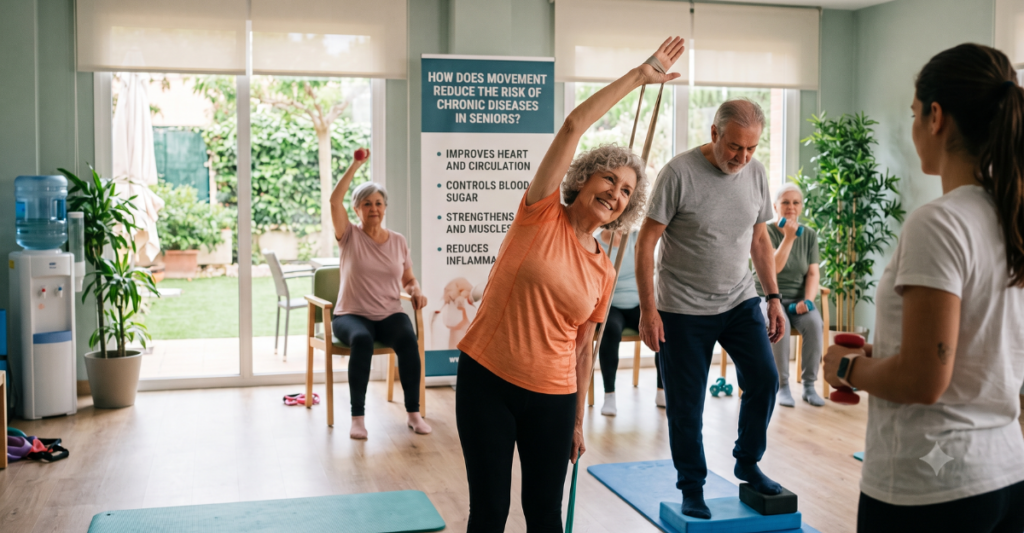
As we age, our bodies naturally undergo various changes that can increase the risk of developing chronic diseases. However, one powerful tool that seniors have at their disposal to combat these risks is movement. Regular physical activity plays a crucial role in maintaining overall health and well-being, especially for older adults. By incorporating movement into their daily routines, seniors can significantly reduce the likelihood of developing chronic conditions and improve their quality of life.
Movement is not just about intense workouts or grueling exercise regimens; it encompasses a wide range of activities that keep the body active and engaged. For seniors, even simple forms of movement can yield substantial health benefits. Whether it’s taking a leisurely walk around the neighborhood, participating in a gentle yoga class, or engaging in light gardening, every bit of physical activity contributes to better health outcomes.
How Movement Impacts Chronic Disease Risk
The relationship between movement and chronic disease prevention in seniors is multifaceted. Regular physical activity helps maintain a healthy weight, strengthen muscles and bones, improve cardiovascular health, and enhance overall mobility. These factors collectively contribute to reducing the risk of various chronic conditions that commonly affect older adults.
Some of the key ways movement can reduce the risk of chronic diseases in seniors include:
- Improving cardiovascular health and reducing the risk of heart disease
- Lowering blood pressure and cholesterol levels
- Enhancing insulin sensitivity and reducing the risk of type 2 diabetes
- Strengthening bones and reducing the risk of osteoporosis
- Improving balance and coordination, reducing the risk of falls and fractures
- Boosting immune function and reducing inflammation
By addressing these various aspects of health through regular movement, seniors can create a strong foundation for disease prevention and overall well-being.
Types of Movement Beneficial for Seniors
When it comes to reducing the risk of chronic diseases, not all forms of movement are created equal. Seniors should focus on activities that are safe, enjoyable, and tailored to their individual abilities and preferences. It’s essential to consult with a healthcare provider before starting any new exercise program, especially for those with pre-existing health conditions.
Aerobic Exercise
Aerobic activities are excellent for improving cardiovascular health and endurance. These exercises get the heart pumping and can help seniors maintain a healthy weight, lower blood pressure, and reduce the risk of heart disease. Some senior-friendly aerobic exercises include:
- Brisk walking or power walking
- Swimming or water aerobics
- Cycling on a stationary bike or outdoors
- Low-impact dance classes or Zumba Gold
- Using an elliptical machine or rowing machine
Aim for at least 150 minutes of moderate-intensity aerobic activity per week, spread out over several days. This can be broken down into shorter sessions of 10-15 minutes if needed, making it more manageable for seniors with limited stamina or mobility issues.
Strength Training
Incorporating strength training exercises into a senior’s movement routine is crucial for maintaining muscle mass, bone density, and overall strength. These exercises can help reduce the risk of osteoporosis, improve balance, and enhance functional fitness for daily activities. Some effective strength training options for seniors include:
- Bodyweight exercises like squats, wall push-ups, and lunges
- Resistance band workouts
- Light dumbbell exercises
- Seated strength exercises for those with limited mobility
- Machine-based strength training at a gym or community center
Aim to include strength training exercises at least twice a week, focusing on all major muscle groups. Start with light weights or resistance and gradually increase as strength improves.
Flexibility and Balance Exercises
Maintaining flexibility and balance is crucial for seniors to reduce the risk of falls and injuries, which can lead to chronic health issues. These exercises also help improve overall mobility and joint health. Some beneficial flexibility and balance activities include:
- Gentle yoga or chair yoga
- Tai Chi
- Pilates
- Simple stretching routines
- Balance exercises like standing on one foot or heel-to-toe walks
Incorporate these activities into your routine at least 2-3 times per week, focusing on gentle movements and proper form to avoid strain or injury.
Overcoming Barriers to Movement for Seniors
While the benefits of movement in reducing the risk of chronic diseases for seniors are clear, many older adults face challenges in maintaining an active lifestyle. Recognizing and addressing these barriers is crucial for encouraging regular physical activity among seniors.
Physical Limitations
Many seniors experience physical limitations due to existing health conditions, reduced mobility, or age-related changes. However, it’s important to remember that movement can be adapted to suit individual needs and abilities. Here are some strategies to overcome physical limitations:
- Start with low-impact activities and gradually increase intensity
- Use assistive devices like walking aids or pool noodles for support
- Focus on chair-based exercises for those with limited mobility
- Work with a physical therapist to develop a safe and effective exercise plan
- Explore adaptive fitness classes designed specifically for seniors
By addressing physical limitations and finding appropriate alternatives, seniors can still engage in regular movement and reap the benefits of an active lifestyle.
Fear of Injury
Many seniors may be hesitant to engage in physical activity due to fear of injury or falling. This fear can be a significant barrier to movement, but it’s important to address and overcome it. Here are some ways to alleviate concerns about injury:
- Start with supervised exercise programs led by qualified instructors
- Focus on balance and strength training to improve overall stability
- Use proper safety equipment, such as supportive shoes or knee braces
- Learn proper form and technique for exercises to minimize the risk of injury
- Gradually increase the intensity and duration of activities as confidence grows
By taking these precautions and building confidence gradually, seniors can overcome their fear of injury and embrace the benefits of regular movement.
Lack of Motivation or Social Support
Staying motivated to engage in regular physical activity can be challenging for seniors, especially if they lack social support or encouragement. Here are some strategies to boost motivation and create a supportive environment:
- Join group fitness classes or walking clubs to meet like-minded individuals
- Enlist the support of family members or friends as exercise buddies
- Set achievable goals and track progress to stay motivated
- Explore community programs or senior centers that offer fitness activities
- Use technology like fitness apps or wearable devices to stay accountable
By creating a supportive network and finding enjoyable activities, seniors can maintain their motivation to stay active and reduce the risk of chronic diseases.
Incorporating Movement into Daily Life
While structured exercise programs are beneficial, seniors can also reduce the risk of chronic diseases by incorporating more movement into their daily routines. Here are some practical ways to increase physical activity throughout the day:
- Take short walks after meals to aid digestion and boost metabolism
- Practice standing up and sitting down without using hands to improve leg strength
- Perform simple stretches or chair exercises during TV commercial breaks
- Do household chores like gardening, sweeping, or light cleaning
- Take the stairs instead of the elevator when possible
- Park farther away from store entrances to increase walking distance
- Practice balance exercises while brushing teeth or waiting in line
By making these small changes, seniors can significantly increase their overall movement throughout the day, contributing to better health outcomes and a reduced risk of chronic diseases.
The Role of Nutrition in Supporting Movement
While movement is crucial for reducing the risk of chronic diseases in seniors, it’s essential to recognize that proper nutrition plays a vital supporting role. A well-balanced diet can enhance the benefits of physical activity and provide the necessary fuel for an active lifestyle. Here are some key nutritional considerations for seniors looking to maximize the benefits of movement:
- Ensure adequate protein intake to support muscle maintenance and repair
- Incorporate calcium-rich foods to promote bone health and prevent osteoporosis
- Include omega-3 fatty acids to reduce inflammation and support joint health
- Consume a variety of fruits and vegetables for essential vitamins and antioxidants
- Stay hydrated by drinking plenty of water throughout the day
By combining regular movement with a nutritious diet, seniors can create a powerful synergy that further reduces the risk of chronic diseases and promotes overall health and well-being.
Monitoring Progress and Adjusting Movement Plans
As seniors embark on their journey to reduce the risk of chronic diseases through movement, it’s important to regularly assess progress and make necessary adjustments. This ongoing evaluation ensures that the movement plan remains effective, safe, and enjoyable. Here are some strategies for monitoring progress and making appropriate modifications:
- Keep a movement journal to track activities, duration, and perceived effort
- Regularly check in with healthcare providers to discuss any changes in health status
- Perform periodic self-assessments of strength, flexibility, and endurance
- Be open to trying new activities or modifying existing ones as needed
- Celebrate small victories and milestones along the way
By staying attuned to their bodies and making necessary adjustments, seniors can ensure that their movement plan continues to effectively reduce the risk of chronic diseases and promote overall health.
In conclusion, movement plays a crucial role in reducing the risk of chronic diseases for seniors. By incorporating a variety of activities, overcoming barriers, and making movement a part of daily life, older adults can significantly improve their health outcomes and quality of life. Remember, it’s never too late to start moving and reaping the benefits of an active lifestyle.
Give us a call today at 1-877-777-6086 or fill out our contact form to become a retail
distributor of our top-of-the-line safety lights.