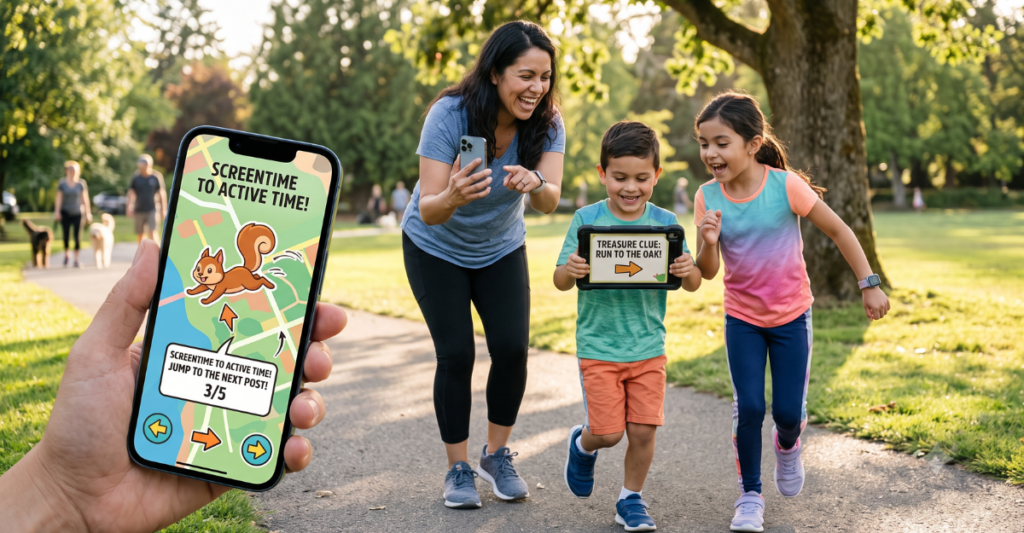
In an era where screens dominate our daily lives, parents often find themselves grappling with the challenge of encouraging their children to be physically active. However, the very technology that seems to keep kids glued to their seats can actually be a powerful tool in promoting an active lifestyle. As we explore the question, “How can parents use technology to encourage kids to be active?” it’s important to recognize that the digital world offers numerous opportunities to make fitness fun, engaging, and accessible for children of all ages.
Gone are the days when technology and physical activity were considered mutually exclusive. Today’s innovative apps, wearables, and interactive games are bridging the gap between the virtual and physical worlds, creating exciting new ways for kids to get moving. By leveraging these technological advancements, parents can transform sedentary screen time into dynamic, movement-filled experiences that not only entertain but also contribute to their children’s overall health and well-being.
Harnessing the Power of Fitness Apps
One of the most effective ways parents can use technology to encourage kids to be active is through fitness apps specifically designed for children. These apps often gamify exercise, turning physical activity into an exciting adventure or challenge. Many of these applications use colorful graphics, engaging storylines, and reward systems to keep young users motivated and coming back for more.
Some popular fitness apps for kids include:
- Zombies, Run! – A running game that immerses players in a zombie apocalypse narrative
- GoNoodle – Offers a variety of fun, movement-based activities and dance videos
- Sworkit Kids – Provides customizable workout routines suitable for children
By introducing these apps to your children, you’re not just giving them a new game to play; you’re opening up a world of physical activity that feels more like fun than exercise. The key is to find apps that align with your child’s interests and age group, ensuring they remain engaged and excited about moving their bodies.
Wearable Technology: Making Fitness Trackable and Fun
Another powerful tool in the parent’s arsenal is wearable technology. Fitness trackers designed for kids can be an excellent way to encourage physical activity by making it measurable and rewarding. These devices often come with colorful, durable designs and simplified interfaces that appeal to children while providing valuable data on their activity levels.
Many kid-friendly fitness trackers offer features like:
- Step counting and activity monitoring
- Sleep tracking
- Reminders to move after periods of inactivity
- Virtual rewards or badges for reaching activity goals
By incorporating wearable technology into your child’s routine, you’re not only encouraging them to be more active but also teaching them about the importance of regular physical activity and goal-setting. It’s a tangible way for kids to see their progress and feel a sense of accomplishment as they increase their daily activity levels.
Interactive Video Games: Moving Beyond the Couch
When pondering how parents can use technology to encourage kids to be active, it’s impossible to overlook the role of interactive video games. Gone are the days when gaming meant sitting motionless for hours. Today’s motion-controlled gaming systems and VR setups are transforming living rooms into virtual gyms, dance studios, and sports arenas.
Popular gaming systems that promote physical activity include:
- Nintendo Switch with Ring Fit Adventure
- Xbox Kinect games
- PlayStation Move titles
- VR systems like Oculus Quest
These gaming platforms offer a wide range of titles that require players to jump, dance, swing, and move in various ways to control their in-game characters or complete challenges. By choosing games that emphasize movement, parents can turn screen time into an opportunity for physical activity, making exercise feel like play rather than a chore.
Virtual Coaching and Online Classes
The digital age has brought expert coaching and structured classes right into our homes. This accessibility can be a game-changer for parents looking to encourage their kids to be more active. Online platforms offer a vast array of kid-friendly fitness classes, from yoga and dance to martial arts and sports-specific training.
Benefits of virtual coaching and online classes for kids include:
- Flexibility to fit into busy family schedules
- Access to expert instructors from around the world
- Ability to try different activities without long-term commitments
- Option to participate in the comfort of home, reducing self-consciousness
By exploring these virtual options, parents can help their children discover new physical activities they enjoy, potentially sparking a lifelong passion for fitness. It’s an excellent way to expose kids to various forms of exercise and find what resonates with them, all while leveraging the convenience of technology.
Social Media Challenges: Turning Trends into Activity
While social media often gets a bad rap for promoting sedentary behavior, it can also be a powerful tool for encouraging physical activity. Many fitness challenges and trends that circulate on platforms like TikTok, Instagram, and YouTube can inspire kids to get moving. As a parent, you can guide your children towards positive, age-appropriate challenges that promote physical activity.
Examples of social media fitness trends suitable for kids include:
- Dance challenges
- Sports skill challenges (like soccer juggling or basketball trick shots)
- Family fitness challenges
- Yoga or flexibility challenges
By participating in these challenges together as a family, you not only encourage physical activity but also create bonding opportunities and model healthy behaviors for your children. It’s a fun way to stay connected with your kids while promoting an active lifestyle.
Educational Tech: Learning and Moving in Tandem
When considering how parents can use technology to encourage kids to be active, it’s worth exploring educational tools that incorporate movement. Many educational apps and programs now recognize the benefits of physical activity for learning and memory retention, leading to the development of movement-based learning experiences.
Some ways educational tech can promote physical activity include:
- Math games that require jumping or moving to answer questions
- Language learning apps with physical gestures for vocabulary
- Science exploration apps that encourage outdoor activities and observations
- History or geography games that involve virtual “travel” through physical movement
By integrating movement into learning activities, these tools not only help children stay active but also enhance their educational experience. It’s a win-win situation that addresses both the physical and cognitive needs of growing children.
Smart Home Devices: Creating an Active Environment
Smart home technology can play a surprising role in encouraging kids to be more active. Voice-activated assistants and smart speakers can be programmed to give regular activity reminders or lead short exercise breaks throughout the day. This can be particularly helpful for children who may lose track of time while engaged in sedentary activities.
Ways to use smart home devices for promoting activity:
- Set up voice-activated workout routines
- Create reminders for hourly movement breaks
- Use smart lighting to signal “active time” in designated play areas
- Integrate with other smart home fitness equipment for a tech-enhanced workout space
By incorporating these devices into your home routine, you can create an environment that naturally prompts and supports physical activity, making it easier for kids to stay active throughout the day.
Outdoor Adventure Apps: Exploring Nature with Tech
While technology often gets blamed for keeping kids indoors, many apps are designed to encourage outdoor exploration and adventure. These apps can transform a simple walk in the park or a hike in the woods into an exciting quest or learning experience, motivating kids to spend more time in nature and engage in physical activity.
Popular outdoor adventure apps for kids include:
- Geocaching – A real-world treasure hunting game
- iNaturalist – For identifying plants and animals during nature walks
- Pokémon GO – An augmented reality game that encourages walking and exploration
- AllTrails – For finding and navigating family-friendly hiking trails
By introducing these apps to your children, you’re not only encouraging them to be more active but also fostering a connection with nature and the outdoors. It’s a perfect blend of technology and physical activity that can lead to lasting healthy habits.
Virtual Reality: Immersive Fitness Experiences
Virtual Reality (VR) technology is opening up new frontiers in fitness, offering immersive experiences that can make exercise feel like an exciting adventure. For kids, VR can transform a workout into a thrilling game or a journey through fantastical landscapes, all while providing a full-body workout.
Benefits of VR fitness for kids include:
- Engaging gameplay that distracts from the physical effort of exercise
- Variety of experiences from sports simulations to fantasy quests
- Safe environment to try new activities
- Ability to track progress and set goals within the VR environment
While VR equipment can be an investment, it’s worth considering for families looking for innovative ways to keep their kids active, especially in situations where outdoor activities might be limited. As VR technology continues to advance, we can expect even more exciting and effective fitness applications in the future.
Personalized Fitness AI: Tailored Activity Plans for Kids
Artificial Intelligence (AI) is revolutionizing many aspects of our lives, and fitness is no exception. AI-powered fitness platforms can create personalized activity plans for kids based on their age, interests, fitness level, and goals. These smart systems can adapt and evolve as your child grows and their needs change, providing a constantly engaging and appropriate fitness journey.
Features of AI fitness platforms for kids might include:
- Customized workout routines that grow with your child
- Intelligent tracking of progress and automatic adjustments to challenges
- Personalized motivational messages and rewards
- Integration with other fitness tech like wearables and smart home devices
By leveraging AI technology, parents can provide their children with a fitness experience that feels tailor-made, increasing the likelihood that they’ll stay engaged and active in the long term. It’s like having a personal trainer for your child, but one that’s available 24/7 and constantly learning how to better motivate and challenge them.
In conclusion, the question “How can parents use technology to encourage kids to be active?” has a multitude of exciting answers in today’s digital landscape. From fitness apps and wearables to interactive video games and VR experiences, technology offers an array of tools to make physical activity fun, engaging, and accessible for children. By embracing these technological solutions and integrating them thoughtfully into family life, parents can help their kids develop a positive relationship with exercise that will serve them well throughout their lives. The key is to find the right balance, using technology as a tool to enhance and encourage physical activity rather than replace it. With creativity and the right approach, screen time can become an ally in the quest for a more active, healthy lifestyle for kids.
Give us a call today at 1-877-777-6086 or fill out our contact form to become a retail
distributor of our top-of-the-line safety lights.