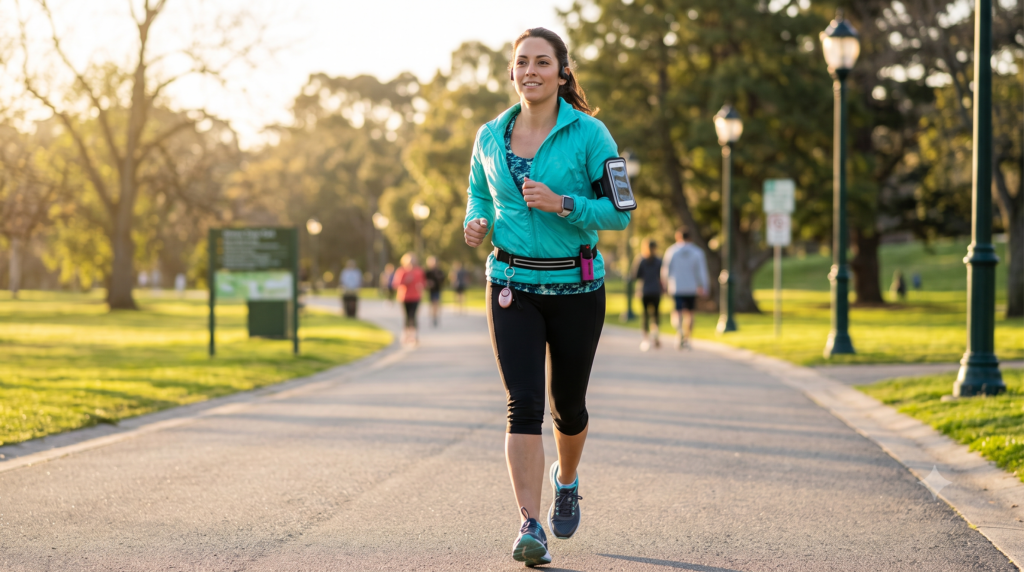
Getting outside for your workout offers incredible benefits—fresh air, vitamin D, varied terrain, and a mental boost that no gym can replicate. However, outdoor workout safety for women requires extra consideration and planning to ensure you can exercise confidently and securely. Whether you’re a seasoned runner hitting the trails at dawn or a busy mom squeezing in a park workout during your lunch break, understanding how to protect yourself while enjoying outdoor fitness is essential.
The statistics are sobering but shouldn’t discourage you from exercising outdoors. Instead, they should empower you to take smart precautions that allow you to maintain your fitness routine while minimizing risks. This comprehensive guide will walk you through everything you need to know about staying safe during outdoor workouts, from choosing the right locations to carrying the proper safety equipment.
Understanding the Unique Safety Considerations for Women
Women face distinct challenges when exercising outdoors that men typically don’t encounter with the same frequency or intensity. Acknowledging these differences isn’t about creating fear—it’s about being realistic and prepared. Studies consistently show that women experience higher rates of harassment during outdoor activities, ranging from unwanted comments to more serious threats. This reality means that outdoor workout safety for women must include strategies that address both physical safety and psychological comfort.
Your awareness of your surroundings becomes your first line of defense. This doesn’t mean you should exercise in a constant state of anxiety, but rather develop a healthy vigilance that becomes second nature. Think of it like checking your mirrors while driving—it’s an automatic habit that keeps you safe without ruining the experience. The goal is to build confidence through preparation, not to let fear keep you from the activities you love.
Beyond harassment concerns, women also need to consider factors like menstrual cycles affecting energy levels and body temperature regulation, which may influence workout timing and intensity. Understanding how your body responds to different conditions throughout the month can help you plan safer, more effective outdoor sessions. Additionally, women’s smaller average body size means carrying safety equipment needs to be practical and proportionate to your frame.
Choosing the Right Time and Location
The when and where of your outdoor workout significantly impacts your safety profile. High-traffic areas during peak hours generally offer the most security, as the presence of other people acts as a natural deterrent to potential threats. Parks, trails, and outdoor spaces that are well-populated between 6 AM and 8 PM typically provide the safest environment for solo workouts. If you’re a busy mom trying to fit in exercise around your family’s schedule, these popular times might actually work in your favor.
Visibility plays a crucial role in outdoor workout safety for women. Well-lit paths and open spaces where you can see far ahead—and others can see you—are preferable to isolated, heavily wooded areas or routes with numerous blind corners. This doesn’t mean you can never enjoy a trail run through the forest, but it does mean you should save those adventures for times when you’re with a workout buddy or group. Morning and evening workouts require extra consideration regarding lighting conditions, especially during winter months when daylight hours are limited.
Research your workout locations beforehand using online resources, local running groups, and community forums. Many cities now have apps or websites where residents share information about safe routes and areas to avoid. Local running clubs often maintain lists of recommended routes with safety ratings based on lighting, traffic, and historical incident reports. Don’t hesitate to drive or walk a potential workout route during your intended exercise time before committing to it for a solo session.
Varying your routes and times prevents you from becoming predictable, which is an important safety principle. While humans are creatures of habit, and having a regular workout routine helps with consistency, mixing up your exact paths and schedules makes it harder for anyone with ill intentions to anticipate your movements. This doesn’t mean you need to find completely new locations every time—even alternating between two or three different loops or changing your direction can provide this variation.
Essential Safety Gear and Technology
Modern technology has revolutionized outdoor workout safety for women, providing tools that previous generations never had access to. Personal safety apps should be considered essential equipment, just like your running shoes or water bottle. Apps like Road ID, Noonlight, and bSafe offer features like location sharing, emergency alerts, and even fake phone call functions that can help you exit uncomfortable situations. Many of these apps allow you to designate trusted contacts who can track your workout in real-time and receive automatic alerts if you don’t check in after your expected finish time.
Your smartphone is your lifeline, but it’s only useful if it’s charged and accessible. Invest in a quality running belt, armband, or vest pocket that keeps your phone secure yet easy to reach. Keep your phone charged above 50% before heading out, and consider carrying a portable charger for longer sessions. Set up emergency contacts as favorites so you can dial them quickly if needed, and ensure your phone’s emergency SOS feature is activated and you know how to use it.
Wearable safety devices designed specifically for outdoor exercise have become increasingly sophisticated and discreet. Personal alarm keychains that emit 120+ decibel sounds can startle attackers and draw attention to your situation. Some runners carry pepper spray in specialized holsters that allow quick access without interfering with their stride. However, remember that any defensive tool requires familiarity—practice accessing and using safety equipment before you actually need it in a crisis situation.
Consider wearable GPS devices or smartwatches with safety features beyond just tracking your workout stats. Many modern fitness watches include incident detection that can automatically alert emergency contacts if you fall or stop moving unexpectedly. Some models feature discrete SOS buttons that send your location to predetermined contacts. The Garmin Forerunner series, Apple Watch, and similar devices have potentially life-saving capabilities that make them worth the investment for serious outdoor exercisers.
Identification is critical but often overlooked. Wear a Road ID bracelet or shoe tag with your name, emergency contact, and any critical medical information. If you’re incapacitated and unable to use your phone, this simple piece of equipment could save your life. For less than the cost of a month’s gym membership, you can ensure first responders and good Samaritans can get you the help you need and notify your loved ones.
The Buddy System and Community Connections
There’s profound truth in the saying that there’s safety in numbers. Finding a workout buddy or joining a group dramatically improves outdoor workout safety for women while also providing motivation and accountability. Running clubs, walking groups, and outdoor fitness classes exist in most communities, often with sessions specifically scheduled for women or for parents who bring strollers. These groups welcome all fitness levels, so don’t let concerns about pace or ability prevent you from joining.
If you can’t find an existing group that fits your schedule or interests, consider starting one. Post on local community boards, neighborhood apps like Nextdoor, or social media groups for your area. You might be surprised how many other women are looking for exactly what you’re offering—a chance to exercise outdoors with the added security of companions. Even a group of two or three provides significantly more safety than going solo, and the social aspect makes workouts more enjoyable.
For busy moms, organizing a “mom squad” workout group serves double duty—your kids get playtime together while you exercise, and you all benefit from the companionship and safety of the group. Stroller-based workout groups have exploded in popularity precisely because they address the common challenge of finding childcare while trying to maintain a fitness routine. These groups often rotate through different parks and outdoor spaces, exposing you to new workout locations you might not have felt comfortable exploring alone.
When you must exercise solo, implement a virtual buddy system by sharing your plans with someone you trust. Before heading out, text a friend or family member with your intended route, expected duration, and a commitment to check in when you’re done. Some people establish a code word system—if they text “Everything’s fine!” it actually means they need help. This might seem overly cautious, but it takes mere seconds and could prove invaluable in an emergency.
Situational Awareness and Trusting Your Instincts
Your intuition is a powerful safety tool that evolution has refined over millennia. When something feels off, it usually is. Learning to recognize and trust those gut feelings is a critical component of outdoor workout safety for women. That uncomfortable sensation when someone’s behavior seems unusual or when an area feels wrong isn’t paranoia—it’s your subconscious processing environmental cues faster than your conscious mind can articulate. Honor those feelings by changing your route, cutting your workout short, or heading toward other people and well-lit areas.
Situational awareness means consciously observing your environment without becoming paranoid or anxious. Practice the “color code” system used by security professionals: white (unaware), yellow (relaxed alert), orange (specific alert), and red (threat). During outdoor workouts, you should maintain a yellow state—relaxed but aware of who’s around you, what’s ahead, and potential escape routes. This becomes easier with practice and eventually feels natural rather than stressful.
The music and podcast debate in runner safety circles continues, but the research is clear: exercising with both ears covered significantly reduces your awareness of approaching people, vehicles, and potential dangers. If you must have audio entertainment, use only one earbud, keep the volume low enough to hear ambient sounds, or invest in bone conduction headphones that don’t block your ear canals. Some days, consider skipping the audio entirely and using your workout time for mindfulness or processing your thoughts—many runners report this actually enhances their experience and mental health benefits.
Learn to identify normal versus unusual behavior in the people you encounter. Most folks on trails and in parks are there for the same reason you are—to enjoy outdoor activity. However, someone who makes repeated eye contact, changes direction to match yours, asks personal questions, or creates reasons to stop you should trigger your internal alert system. You owe strangers politeness but not conversation or information about yourself. A brief nod or wave as you pass is sufficient acknowledgment without engaging.
Dealing with Harassment and Uncomfortable Situations
Unfortunately, harassment during outdoor exercise is common enough that most women have experienced it. Comments about your body, catcalling, vehicles slowing down beside you, or unwanted conversation attempts can range from annoying to genuinely threatening. Having predetermined strategies for these situations is an essential aspect of outdoor workout safety for women. Your response should always prioritize getting to safety rather than confrontation or proving a point.
The broken record technique works well for persistent individuals who won’t accept your disinterest. Repeat a simple phrase like “I’m not interested in talking” or “Leave me alone” without engaging further, making eye contact, or acknowledging their responses. Don’t explain, justify, or debate—just repeat your boundary and keep moving toward other people or public areas. Most harassers lose interest when they don’t get the reaction they’re seeking.
If someone makes you uncomfortable but hasn’t done anything overtly threatening, changing your route or pace can often resolve the situation. Cross the street, turn down a different path, or head toward areas with more people. If you’re in a park, move toward playgrounds, parking lots, or facilities where others will be present. Running or walking into a business, gas station, or fire station is perfectly acceptable when you feel threatened—these are public spaces where you have every right to seek safety.
Document incidents whenever possible and report them to local authorities and park services. Take photos of vehicles, license plates, or individuals from a safe distance if you can do so without escalating the situation. Many women hesitate to report harassment because they downplay its seriousness or assume nothing can be done. However, establishing a pattern of reports about specific individuals or locations helps law enforcement and parks departments address problems and potentially prevent more serious incidents. Your report might be the piece of information that connects dots or prevents someone else from experiencing worse.
Weather and Environmental Hazards
Outdoor workout safety for women extends beyond human threats to include environmental challenges that can turn dangerous without proper preparation. Weather conditions that seem manageable at the start of your workout can change rapidly, especially in certain geographic areas and seasons. Check forecasts before heading out, but also develop the ability to read weather signs yourself—darkening skies, temperature drops, or increasing wind often signal incoming storms that could catch you miles from shelter.
Heat-related illness affects women differently than men due to physiological differences in temperature regulation and typically lower body weight. During hot weather, early morning or evening workouts are safest, but you still need to hydrate properly, wear appropriate clothing, and recognize warning signs of heat exhaustion. These include dizziness, nausea, excessive fatigue, and cessation of sweating. If you experience these symptoms, stop immediately, find shade, hydrate, and cool down—continuing could lead to dangerous heat stroke.
Cold weather presents its own challenges, including hypothermia risk if you get injured and can’t continue moving. Layer your clothing so you can adjust as you warm up, and always bring more warmth than you think you’ll need for your expected workout duration. Remember that weather delays emergency response times, so your safety margins should be wider in extreme conditions. Icy conditions that cause falls are particularly dangerous when you’re alone, so consider indoor alternatives when paths are treacherous.
Wildlife encounters vary by region but require awareness and preparation. Research what animals inhabit your workout areas and learn appropriate responses to encounters. Most wildlife avoids humans, but surprise meetings on trails can trigger defensive reactions, especially if animals have young nearby. Make noise on trails through areas with poor visibility, never approach or feed wildlife, and carry deterrent sprays if you’re in areas with aggressive species. Your local wildlife management agency typically provides excellent resources on safe coexistence with local animals.
Vehicle Safety Considerations
If your outdoor workout involves running or walking on roads, vehicle safety becomes paramount. Despite laws requiring drivers to yield to pedestrians, distracted driving continues to increase, putting outdoor exercisers at serious risk. Visibility is your primary defense—wear bright colors during daylight and reflective or light-colored clothing during low-light conditions. Reflective vests, armbands, and clips are inexpensive additions that dramatically increase how far away drivers can see you.
Always face traffic when running or walking on roads so you can see vehicles approaching and react if a driver doesn’t see you. This opposite-direction travel gives you precious seconds to move further off the road if needed. Never assume a driver sees you or will follow right-of-way rules—make eye contact when possible and wait for vehicles to clearly yield before crossing intersections or driveways. Your right-of-way means nothing if you’re injured or worse.
Intersections and parking lot entrances/exits are particularly hazardous zones. Drivers turning right often focus on traffic from the left and don’t look right for pedestrians before turning. Slow down or stop at these locations, make yourself visible, and wait for clear acknowledgment from drivers. This defensive approach might feel overcautious, but it accounts for human error and distraction that you can’t control. Remember that you’re completely exposed while drivers are protected by tons of metal—physics isn’t on your side in any vehicle-pedestrian encounter.
Preparing for Injuries and Emergencies
Even with perfect precautions, accidents happen. Twisted ankles, falls, sudden illness, or medical emergencies can leave you vulnerable and unable to complete your workout. Preparation for these situations is a crucial component of outdoor workout safety for women that many people overlook until they need it. Carrying a small emergency kit doesn’t require a backpack—many runners keep essentials in a slim waist belt or vest pocket.
Your basic outdoor workout emergency kit should include your phone, identification, a credit card or small amount of cash, any essential medications, and emergency contact information. Add a small bandage or two, a safety pin, and perhaps a protein bar or energy gel in case you’re delayed. If you have any health conditions like diabetes, asthma, or severe allergies, carry appropriate emergency medications like glucose tablets, an inhaler, or an EpiPen, and ensure your ID notes these conditions.
Know your location at all times. This sounds obvious, but many people get disoriented on trail systems or in large parks. Most smartphones can share your precise GPS coordinates in emergency situations, but you should also be able to describe your location using landmarks, trail names, or street intersections. Some runners take screenshots of trail maps before heading out to reference if cell service is poor. Learning basic navigation skills and how to use mapping apps offline could prove vital if you’re injured and need to direct help to your location.
Have a plan for getting home if you can’t complete your workout under your own power. This might mean keeping money for a rideshare, knowing bus routes that service your area, or having someone on standby who could pick you up if needed. For busy moms, this is particularly important—if you’re injured, you need to be able to get back to your family and responsibilities. Some women establish reciprocal emergency pickup agreements with other parents in their network.
Self-Defense Training and Confidence Building
While avoidance and awareness are your primary safety strategies, basic self-defense knowledge provides both practical skills and psychological confidence that enhances outdoor workout safety for women. You don’t need to become a martial arts expert, but taking a women’s self-defense course specifically designed for real-world situations can be empowering and potentially life-saving. These courses typically focus on simple, effective techniques for breaking grabs, creating escape opportunities, and targeting vulnerable areas if you must physically defend yourself.
Verbal self-defense is actually your first and most important defensive skill. A loud, commanding voice shouting “NO!” “STOP!” or “BACK OFF!” can startle an aggressor, alert others to your situation, and psychologically prepare you to take additional action if needed. Practice using your voice loudly and firmly—many women discover they’ve been socialized to be quiet and polite even in threatening situations, and overcoming this conditioning takes conscious practice.
Physical confidence in your body’s capabilities naturally develops through regular outdoor exercise, but can be specifically enhanced through training. Activities like kickboxing, martial arts, or strength training not only improve your fitness but also help you understand your body’s power and capabilities. This physical confidence translates to how you carry yourself, and research shows that potential attackers often avoid targets who move with confidence and purpose.
Remember that the goal of self-defense is always to escape and get help, not to win a fight. Any technique that creates enough time and space for you to run toward safety and other people has succeeded. Don’t stay and engage even if you’ve successfully defended yourself initially—flee immediately to a safe location and call for help. Your safety and survival are infinitely more important than pride or proving anything to an attacker.
Building Your Personalized Safety Strategy
Every woman’s situation is unique, and the most effective approach to outdoor workout safety for women is one tailored to your specific circumstances, location, and comfort level. Start by honestly assessing your environment—what are the actual crime statistics for your area? What time of day and which locations offer the best combination of accessibility and safety for your schedule? What resources and safety tools can you realistically incorporate into your routine?
Create a personal safety protocol that you follow consistently. This might include checking weather and charging your phone before every workout, texting your location to your partner, taking the same safety equipment every time, and conducting a quick mental review of your route and escape options. Consistency transforms these actions from chores into automatic habits that require no mental energy but provide comprehensive protection.
Continuously educate yourself about safety resources and developments in your community. Follow local law enforcement social media for alerts about incidents or areas of concern. Join online communities of local outdoor exercisers who share real-time information and experiences. Attend community safety meetings or workshops if your area offers them. The landscape of outdoor safety constantly evolves, and staying informed helps you adjust your strategies accordingly.
Most importantly, refuse to let safety concerns prevent you from enjoying the tremendous benefits of outdoor exercise. Finding the balance between appropriate caution and freedom to pursue your fitness goals is personal and may take some adjustment. Some women feel completely comfortable running alone in areas where others would want a group. Honor your own comfort level without judgment, and recognize that your feelings and choices may evolve as you build experience and confidence.
The physical and mental health benefits of outdoor exercise are too valuable to abandon due to safety concerns. By implementing the comprehensive strategies in this guide, you’re not letting fear win—you’re taking control, making informed decisions, and ensuring that outdoor workout safety for women becomes second nature. With proper preparation, awareness, and tools, you can confidently pursue your fitness goals in the outdoor spaces you deserve to enjoy.