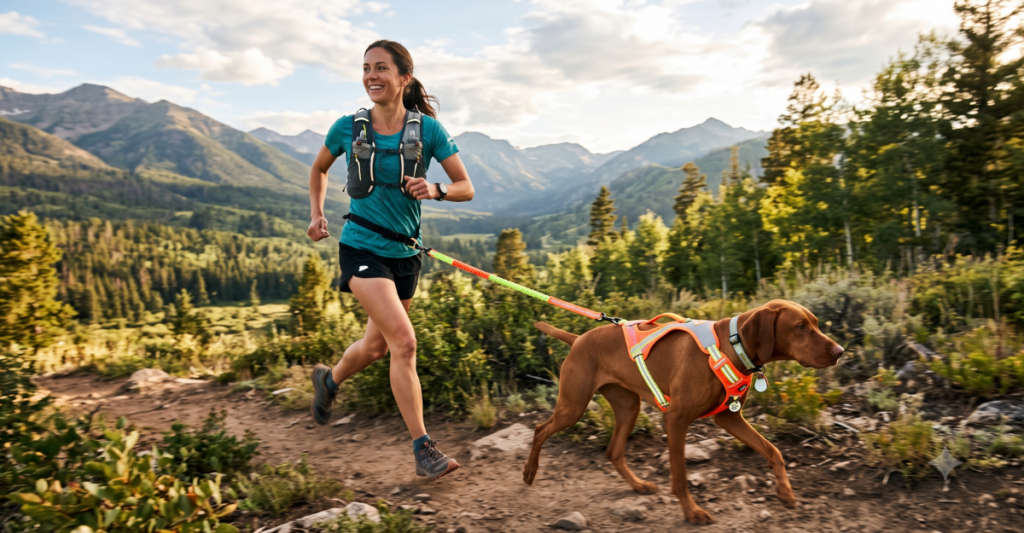
When you lace up your running shoes at dawn or pack your hiking backpack for a weekend adventure, you’re likely thinking about your own safety gear—proper footwear, hydration systems, reflective clothing, and emergency supplies. But what about your furry companion trotting eagerly beside you? Your dog doesn’t just need enthusiasm and endurance to join you on outdoor excursions; they need appropriate outdoor pet safety gear for runners and hikers just as much as you need yours. The right equipment can mean the difference between a memorable adventure and a veterinary emergency.
Dogs experience the trails differently than we do. They’re closer to the ground, more vulnerable to terrain hazards, and can’t communicate when something’s wrong until it’s sometimes too late. Whether you’re marathon training with your border collie or taking leisurely weekend hikes with your rescue mutt, investing in proper safety gear protects your investment in their health and your peace of mind. The growing market for pet athletic gear reflects what many active pet owners already know: our dogs deserve the same consideration we give our own equipment.
Essential Visibility Gear for Low-Light Conditions
If you’re an early morning runner or someone who squeezes in trail time after work, you already know that visibility can be a life-or-death issue. The same applies to your canine running partner, perhaps even more critically. LED collars and harnesses have become indispensable items in any serious runner’s pet safety arsenal, offering multiple lighting modes that can be seen from impressive distances even in complete darkness.
Modern LED dog collars aren’t the clunky, battery-draining devices of the past. Today’s options are lightweight, rechargeable via USB, and offer multiple color options so you can coordinate with your own reflective gear. Some sophisticated models even feature different flash patterns—steady glow, quick flash, or slow pulse—allowing you to adjust based on conditions. When you’re running on roads shared with vehicle traffic, that 360-degree visibility can alert drivers to your presence well before they’d see you or your dog otherwise.
Reflective vests and harnesses provide another layer of safety that complements LED lighting. These pieces of outdoor pet safety gear for runners and hikers use the same reflective technology found in runner’s vests, bouncing back light from headlights and flashlights. Many runners prefer combining both LED and reflective gear, creating a redundant safety system. After all, batteries can die, but reflective material works passively without any power source. The vest also serves as a convenient attachment point for a leash and provides something to grab if you need to quickly control your dog.
Reflective booties serve double duty, protecting paws while increasing visibility. The bottom of the boot often features reflective strips that catch light as your dog moves, creating a distinctive pattern that helps drivers and other trail users identify an animal in low light. For runners who log serious miles on pavement, these booties become even more critical during summer months when asphalt temperatures can reach paw-burning levels even during evening runs.
Hydration Solutions for Active Dogs
You wouldn’t dream of heading out for a long run without water, yet many pet owners overlook their dog’s hydration needs during exercise. Dogs can’t sweat like humans do; they regulate temperature primarily through panting, which means they lose water rapidly during physical activity. Dehydration in dogs can escalate quickly to heat stroke, a potentially fatal condition that strikes faster than many owners realize.
Collapsible water bowls are the simplest solution and should be considered baseline equipment for any outdoor adventure with your pet. These ingenious devices fold flat in your pocket or pack, pop open when needed, and provide a stable drinking vessel that your dog can actually use. Silicone versions are particularly durable and easy to clean, while nylon options with rigid rings are incredibly lightweight. The best models feature carabiner clips so you can attach them to your belt, pack, or your dog’s vest for instant access.
Dog hydration packs take things a step further, allowing your pet to carry their own water supply. These specially designed packs distribute weight evenly across your dog’s back and shoulders, with compartments specifically sized for water bottles or hydration bladders. Before you invest in one, though, you’ll need to train your dog to wear it comfortably. Start with an empty pack on short walks, gradually adding weight over several weeks. Most dogs adapt quickly, and many breeds actually appreciate having a “job” to do on the trail. As a general rule, healthy adult dogs can comfortably carry 10-12% of their body weight, though you should consult your veterinarian for specific guidance based on your dog’s breed, age, and fitness level.
Portable water bottles with attached bowls offer convenience when you’re the one carrying all the gear. These bottles feature a flip-down tray or bowl attachment that lets you dispense water with one hand while maintaining control of the leash with the other. Some designs incorporate a squeeze mechanism that lets you control water flow, preventing waste on the trail. For runners who prefer minimalist approaches, these bottles often fit standard bottle holders on hydration belts and running vests.
Protective Paw Gear for Various Terrains
Your dog’s paws are remarkably tough, but they’re not invincible. Hot pavement, sharp rocks, ice-melting chemicals, thorns, and rough terrain can all cause injuries that will sideline your training partner. Dog booties represent one of the most important categories of outdoor pet safety gear for runners and hikers, though many pet owners initially resist them, thinking they’re unnecessary or that their dog won’t tolerate them.
Quality dog boots provide protection against multiple hazards simultaneously. In summer, they insulate paws from scorching pavement and sand—surfaces that can reach temperatures exceeding 140°F on sunny days, hot enough to cause serious burns within seconds. The simple test of placing your bare hand on the ground for seven seconds will tell you if it’s too hot for your dog’s paws. If you can’t keep your hand there comfortably, your dog needs boots or you need to reschedule your run.
Winter presents different challenges that make boots equally essential. Salt and chemical de-icers used on roads and sidewalks can cause chemical burns, cracking, and painful irritation. Dogs instinctively lick their paws after walks, ingesting these chemicals which can cause gastrointestinal distress. Ice balls form between toe pads, causing pain with each step. Sharp ice edges can lacerate paw pads. Winter dog boots with good traction prevent all these issues while providing the grip needed on slippery surfaces.
Trail runners and hikers face yet another set of challenges. Rocky terrain, especially sharp granite and limestone, can wear down paw pads or cause cuts. Thorny vegetation in desert regions or areas with aggressive plant species can embed in paws. Glass and debris on multi-use trails pose constant hazards. Boots designed specifically for trail use typically feature more aggressive tread patterns, reinforced toe areas, and higher cuffs that prevent debris from entering.
Getting your dog accustomed to boots requires patience and positive reinforcement, but it’s worth the effort. Start indoors, putting boots on for just a few minutes while offering treats and praise. Most dogs walk strangely at first, lifting their feet high or refusing to move. This is normal. Gradually increase wearing time and move to outdoor environments. Within a week or two, most dogs forget they’re wearing boots entirely. Professional mushers and search-and-rescue handlers rely on boots constantly, proving that dogs can not only tolerate them but perform at high levels while wearing them.
Safety Harnesses Designed for Active Adventures
The collar-and-leash combination that works fine for neighborhood walks often falls short during serious athletic activities. Sport harnesses designed specifically for running and hiking distribute force across your dog’s chest and shoulders rather than their neck, preventing injury during sudden stops or if your dog decides to chase a squirrel at full speed. This becomes especially important if you’re trail running on technical terrain where you might need to quickly control your dog to avoid hazards.
No-pull harnesses benefit both you and your dog during exercise. These designs feature front-clip attachment points that redirect your dog’s momentum sideways when they pull, naturally discouraging the behavior without causing discomfort. For runners, this means maintaining your pace and form without being yanked off balance. The best models include both front and back attachment points, giving you options based on your activity and environment.
Features to prioritize in athletic harnesses include breathable mesh panels that prevent overheating, reflective stitching for visibility, and sturdy handles on top that give you control in emergency situations. That handle becomes invaluable when you need to quickly lift your dog over an obstacle, prevent them from going somewhere dangerous, or maintain control in close proximity to other trail users. Some harnesses designed for hiking include gear loops where you can attach small items like waste bags or a collapsible bowl.
Proper fit is absolutely critical for harnesses. A poorly fitted harness can cause chafing, restrict movement, interfere with your dog’s gait, or even come off at the worst possible moment. You should be able to fit two fingers comfortably between the harness and your dog’s body at any point. Check the fit regularly, especially if your dog is young and still growing or if they’re on a fitness journey and losing weight. Many quality harnesses include multiple adjustment points to accommodate body shape changes.
Hands-Free Leash Systems for Runners
Serious runners who bring their dogs along quickly discover that holding a leash while trying to maintain proper running form is awkward at best and form-destroying at worst. Hands-free leash systems solve this problem elegantly, allowing you to maintain natural arm swing and posture while keeping your dog under control. These systems typically consist of a belt or harness worn by the runner and an elastic leash that absorbs shock when the dog changes pace.
The elastic component is crucial. When your dog suddenly accelerates or decelerates, the stretch in the leash absorbs that energy change rather than transferring it directly to your body. This prevents the jarring yanks that can throw off your stride or even cause you to fall. Quality systems include enough elasticity to accommodate normal pace variations but not so much that your dog can build up momentum before reaching the end of the leash.
Waist belts designed for running with dogs feature wide, padded designs that distribute force across your core rather than concentrating it at a single point. This becomes important during longer runs when even small discomfort points can become major irritations. Many runners prefer belts with pockets or attachment points for carrying essentials like phones, keys, waste bags, and treats. Some sophisticated systems even include quick-release mechanisms that let you instantly detach from your dog if necessary—a critical safety feature if your dog encounters wildlife or becomes entangled.
Training your dog to run properly on a hands-free system requires investment upfront but pays dividends for years. Your dog needs to understand that they should run at your pace, not pull ahead or lag behind, and that sudden direction changes aren’t acceptable. Start in low-distraction environments and keep initial sessions short. Use verbal cues consistently and reward appropriate behavior. Most dogs adapt to hands-free running within a few weeks, and many actually perform better because they can read your body language and movement more naturally without the leash signaling in their peripheral vision.
First Aid Kits Customized for Canine Athletes
You carry a first aid kit for yourself on long hikes and remote trail runs, but does it include supplies for your dog? Pet-specific first aid kits address medical needs unique to dogs and should be considered essential outdoor pet safety gear for runners and hikers. While there’s some overlap with human kits, dogs require different supplies and treatment approaches.
Essential items for a canine trail first aid kit include:
- Gauze pads and rolls in various sizes for wound coverage and bleeding control
- Self-adhering bandage wrap that sticks to itself but not fur
- Antiseptic wipes or solution specifically formulated for pets
- Tweezers for removing thorns, splinters, or ticks
- Scissors with rounded tips for cutting bandages or matted fur
- Digital thermometer (normal canine temperature ranges from 101-102.5°F)
- Hydrogen peroxide to induce vomiting if recommended by a veterinarian
- Instant cold packs for treating heat exhaustion or injuries
- Emergency contact card with your vet’s number and nearest emergency animal hospital
- Your dog’s medical records and proof of rabies vaccination
Knowing how to use these supplies is as important as carrying them. Consider taking a pet first aid course specifically focused on outdoor emergencies. These courses cover critical skills like recognizing and treating heat stroke, managing bleeding, handling fractures, and identifying signs of dangerous wildlife encounters. The knowledge could save your dog’s life when professional veterinary care is hours away.
Paw protection ointments and pad conditioners deserve a place in your kit as well. Applied before runs or hikes, these products toughen paw pads and provide a protective barrier against hot surfaces and rough terrain. Used after activities, they help repair minor damage and keep pads from cracking. Some formulations include natural ingredients like beeswax, shea butter, and vitamin E that moisturize while protecting.
GPS Tracking and Recovery Gear
Even the best-trained dogs can bolt when a deer crashes across the trail or become separated from you in difficult terrain. GPS tracking collars provide peace of mind and practical recovery assistance if your dog gets away from you. Modern pet GPS devices have become remarkably sophisticated, offering real-time tracking, geofencing alerts, and activity monitoring that helps you gauge your dog’s fitness level.
Subscription-based GPS trackers use cellular networks to provide real-time location updates viewable on your smartphone. You can track your dog’s movement in real-time, set up safe zones that alert you if your pet leaves a designated area, and share location information with family members or professional searchers if needed. Battery life varies significantly between models, with some lasting just a day or two while others can go a week or more between charges. For long-distance hikers, solar-charging options or models with removable batteries offer practical solutions.
Smart collar tags provide a lower-tech but still effective alternative. These tags include QR codes or NFC chips that anyone with a smartphone can scan to access your contact information and medical details about your pet. Unlike traditional stamped tags that contain limited information, smart tags can include multiple phone numbers, medical conditions, medication requirements, and even your veterinarian’s contact information. Some services allow you to update the information remotely without replacing the physical tag.
Don’t overlook traditional identification methods alongside modern technology. Batteries die, cellular coverage fails, and technology malfunctions at the worst possible times. Your dog should wear a sturdy collar with a traditional ID tag including your current phone number at all times. Microchipping provides permanent identification that can’t fall off or malfunction, though it requires someone to bring your dog to a facility with a scanner.
Weather-Specific Protection Gear
Dogs need protection from weather extremes just like humans do, though we often overlook this because they have fur. That fur doesn’t make them immune to temperature extremes, especially during sustained athletic activity that taxes their thermoregulation systems. Weather-appropriate dog gear extends the range of conditions in which you can safely exercise with your pet.
Cooling vests help prevent heat stroke during summer activities. These vests work through evaporative cooling—you soak them in water, wring out the excess, and put them on your dog. As water evaporates from the vest, it pulls heat away from your dog’s body. Some advanced models use polymer crystals that absorb many times their weight in water, providing hours of cooling effect. For hot-weather runners, these vests can mean the difference between safely exercising with your dog or leaving them home. Remember that dark-colored dogs absorb more heat, and brachycephalic breeds (those with short snouts like bulldogs and pugs) are especially vulnerable to heat stress.
Cold weather demands different protective equipment. Short-haired breeds, small dogs, puppies, and senior dogs all struggle with temperature regulation in cold conditions. Insulated dog coats designed for athletic activities provide warmth without restricting movement. Look for designs that cover the chest and abdomen where dogs lose significant heat, while allowing full range of motion for the legs and shoulders. Water-resistant or waterproof outer layers keep your dog dry during rain or snow, important because wet fur loses its insulating properties.
Rain gear for dogs might seem excessive until you’ve experienced a sudden downpour miles from the trailhead. Lightweight, packable rain jackets designed for dogs take up minimal space in your pack and provide real protection during unexpected weather changes. Proper fit is crucial—the jacket should stay in place without shifting during activity but not restrict breathing or movement.
Training Gear That Enhances Safety
Safety isn’t just about protective equipment; it’s also about control and training. Long-lines and training leads give you the ability to practice recall and distance commands in outdoor environments while maintaining ultimate control if your dog doesn’t respond. These leads typically range from 15 to 50 feet, giving your dog significant freedom to explore while you maintain the ability to prevent dangerous situations.
Using a long-line effectively requires technique. Never wrap it around your hand or any body part, as a suddenly bolting dog could cause serious injury. Instead, let the line play out through your hands, maintaining light contact but allowing it to slip through your grip. Many trainers recommend wearing gloves to prevent rope burn. Practice in safe, enclosed areas first before moving to more challenging environments with distractions and hazards.
Training whistles carry further than verbal commands in outdoor environments and work even when your dog can’t see you. Dogs can hear frequencies well beyond human range, and specialized training whistles take advantage of this. The beauty of whistle training is consistency—your whistle always sounds the same regardless of your mood, stress level, or how out of breath you are from running. Different whistle patterns can signal different commands: one short blast for attention, two for recall, three for sit, and so on.
Treat pouches designed for athletes keep positive reinforcement easily accessible without requiring you to dig through pockets or break your stride. The best models clip securely to belts or waistbands, open with one hand, and close automatically to prevent treat spillage when you’re moving. Rewarding good behavior during outdoor activities—staying on the trail, ignoring other trail users, responding to recall commands—builds patterns that enhance safety over time.
Specialty Gear for Specific Activities
Different athletic activities require specialized outdoor pet safety gear for runners and hikers beyond the basics. Trail runners dealing with technical terrain need different equipment than road runners, and day hikers have different needs than backpackers on multi-day trips.
Rock climbing and scrambling with dogs requires specialized harnesses that support the dog’s full body weight. These harnesses distribute force across the chest, shoulders, and hindquarters, with attachment points designed for lifting and lowering. Some hikers also invest in dog helmets for serious alpine environments where rockfall poses a real threat. While this might seem extreme, search-and-rescue dogs regularly use this equipment, and your adventure buddy deserves the same protection.
Water activities demand life jackets even for dogs that swim well. Dog life jackets provide buoyancy during tiring swims, handles for pulling them into boats or out of the water, and high-visibility colors that help you track their location in the water. Strong currents, cold water, and fatigue can overcome even strong swimming dogs. Just like humans, dogs wearing life jackets can focus on swimming efficiently rather than staying afloat, reducing exhaustion and the risk of drowning.
Winter activities like snowshoeing and cross-country skiing are enhanced by proper gear. Beyond boots, consider doggy snow goggles for breeds prone to snow blindness or eye irritation from blowing snow. Mushers use these regularly to protect working dogs’ eyes. Reflective gear becomes even more critical during winter’s short days when you might be starting or finishing activities in darkness. LED collars show up brilliantly against white snow, helping you track your dog’s position even in heavy snowfall or limited visibility conditions.
Selecting Quality Gear That Lasts
The market for pet athletic gear has exploded, but quality varies dramatically. Cheap gear might seem economical initially but often fails quickly, potentially in dangerous situations. When selecting outdoor pet safety gear for runners and hikers, prioritize quality materials and construction over trendy designs or rock-bottom prices.
Look for reinforced stitching at stress points, especially where straps attach to harnesses or where leashes connect to collars. These junction points bear significant force during activities, and failure here can mean losing control of your dog. Quality manufacturers double or triple-stitch these areas and sometimes add bar-tack reinforcement. Hardware—buckles, D-rings, clasps—should be metal rather than plastic, particularly for medium to large dogs. Aluminum or stainless steel components stand up to repeated use and sudden forces that would shatter plastic.
Give us a call today at 1-877-777-6086 or fill out our contact form to become a retail
distributor of our top-of-the-line safety lights.