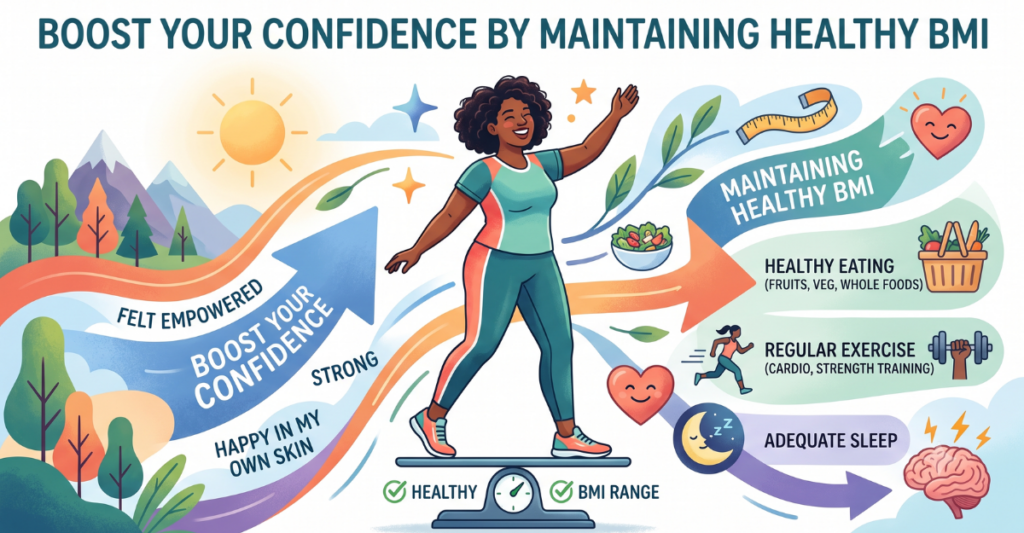
The connection between your physical health and mental well-being runs deeper than most people realize. When you look in the mirror and feel proud of what you see, that satisfaction radiates outward into every aspect of your life—from how you interact with your kids to how you present yourself in professional settings. Maintaining healthy BMI for confidence isn’t just about fitting into a certain clothing size or achieving an arbitrary number on the scale; it’s about creating a foundation of self-assurance that empowers you to tackle life’s challenges with renewed vigor and determination.
Your body mass index provides a useful starting point for understanding where you stand on the health spectrum, though it’s important to remember that this single metric doesn’t tell your complete story. The real magic happens when you commit to sustainable habits that naturally guide your BMI toward a healthier range while simultaneously building the physical strength and mental resilience that become the cornerstones of genuine confidence. This journey transforms not only your physical appearance but also how you perceive yourself and your capabilities in the world around you.
Understanding the BMI-Confidence Connection
The relationship between maintaining healthy BMI for confidence goes far beyond superficial concerns about appearance. When your body functions at its optimal weight range, everything from your cardiovascular system to your hormonal balance works more efficiently, creating a biological foundation for improved mood and self-perception. Research consistently demonstrates that individuals who maintain a healthy BMI report higher levels of life satisfaction, better body image, and greater overall confidence in social and professional situations.
Your physical state directly influences your biochemistry in ways that affect how you feel emotionally and mentally. When you’re carrying excess weight or struggling with being underweight, your body produces different hormonal profiles that can impact neurotransmitter function, including those responsible for mood regulation like serotonin and dopamine. By bringing your BMI into a healthier range through balanced nutrition and regular physical activity, you’re essentially optimizing your internal chemistry for confidence and positivity.
The psychological benefits extend into practical daily experiences as well. You’ll notice that climbing stairs doesn’t leave you winded, playing with your kids becomes effortless rather than exhausting, and you can participate in activities you might have previously avoided due to physical limitations or self-consciousness. These accumulated positive experiences create a feedback loop where increased capability breeds greater confidence, which in turn motivates continued healthy behaviors that further reinforce your sense of self-worth and accomplishment.
Calculating and Interpreting Your BMI
Before you can begin the journey of maintaining healthy BMI for confidence, you need to understand where you currently stand. Body mass index is calculated using a straightforward formula: your weight in kilograms divided by your height in meters squared, or if you’re working with pounds and inches, your weight in pounds multiplied by 703, then divided by your height in inches squared. While this mathematical approach provides a useful baseline, it’s crucial to recognize its limitations and use it as one tool among many for assessing your health status.
BMI categories break down as follows:
- Underweight: BMI below 18.5
- Normal weight: BMI between 18.5 and 24.9
- Overweight: BMI between 25 and 29.9
- Obese: BMI of 30 or higher
Understanding these ranges helps you contextualize your starting point, but remember that BMI doesn’t account for muscle mass, bone density, or body composition variations. An athlete with significant muscle mass might fall into the “overweight” category despite being in excellent physical condition, while someone with low muscle mass and high body fat percentage might appear “normal” on the BMI scale yet still face health challenges. This is why pairing BMI measurements with other assessments like waist circumference, body fat percentage, and overall fitness levels provides a more complete picture of your health status.
For busy moms juggling multiple responsibilities or tradesmen working physically demanding jobs, tracking these metrics doesn’t need to be complicated or time-consuming. A simple monthly check-in with your scale and a measuring tape can provide sufficient data to monitor trends over time. The key is consistency in measurement conditions—weighing yourself at the same time of day, wearing similar clothing, and taking measurements before eating or exercising for the most accurate comparisons across time periods.
Nutrition Strategies for Healthy BMI Management
The foundation of maintaining healthy BMI for confidence rests squarely on the food choices you make every single day. Nutrition doesn’t have to be complicated, despite the endless stream of conflicting information flooding social media and popular magazines. At its core, achieving and maintaining a healthy BMI comes down to consuming nutrient-dense whole foods in appropriate portions that support your activity level and metabolic needs without creating excessive caloric surplus or deficit.
Start by building your meals around lean proteins, which not only support muscle maintenance and growth but also provide superior satiety compared to carbohydrates or fats. Chicken breast, turkey, fish, lean beef, eggs, Greek yogurt, and plant-based options like legumes and tofu should feature prominently in your daily eating patterns. Protein requires more energy to digest than other macronutrients, slightly boosting your metabolism while keeping you feeling satisfied for longer periods—a crucial advantage when you’re trying to avoid the energy crashes and cravings that derail so many well-intentioned eating plans.
Vegetables deserve special attention in any nutrition strategy aimed at maintaining healthy BMI for confidence. These nutritional powerhouses deliver massive volumes of food for minimal calories while providing essential vitamins, minerals, and fiber that support every bodily function from digestion to immune response. Challenge yourself to fill half your plate with non-starchy vegetables at lunch and dinner—options like broccoli, spinach, peppers, cauliflower, zucchini, and Brussels sprouts add color, texture, and satisfaction to meals without significantly impacting your caloric intake.
Practical nutrition habits that support healthy BMI include:
- Preparing meals in advance to avoid impulsive fast-food decisions when you’re rushed
- Keeping pre-cut vegetables and portioned proteins ready for quick assembly
- Drinking water before meals to support appropriate portion control
- Eating slowly and mindfully, putting your fork down between bites
- Planning your indulgences rather than spontaneously giving in to cravings
- Reading nutrition labels to understand what you’re actually consuming
- Limiting liquid calories from sodas, sweetened coffees, and alcohol
Complex carbohydrates from sources like oatmeal, brown rice, quinoa, and sweet potatoes provide sustained energy that powers you through workouts and busy days without the blood sugar rollercoaster associated with refined grains and added sugars. Time these foods strategically around your most active periods—perhaps a bowl of oatmeal before your morning run or brown rice with your post-workout meal to replenish glycogen stores. This approach ensures carbohydrates serve their proper function as fuel rather than being stored as excess body fat.
Don’t fear dietary fats, but do choose them wisely and monitor portions carefully since fats contain more than twice the calories per gram compared to proteins and carbohydrates. Avocados, nuts, seeds, olive oil, and fatty fish provide essential fatty acids that support hormone production, brain function, and cellular health. A small handful of almonds makes an excellent snack, while a tablespoon of olive oil adds flavor and satisfaction to your salad without sabotaging your caloric goals.
Exercise Programming for BMI Optimization
While nutrition creates the caloric foundation necessary for maintaining healthy BMI for confidence, exercise builds the metabolically active tissue that transforms your body composition and elevates your daily caloric expenditure. The most effective exercise programs combine cardiovascular activities that burn immediate calories with resistance training that builds muscle mass and increases your resting metabolic rate over time. This dual approach creates sustainable results that extend far beyond the duration of any single workout session.
Cardiovascular exercise doesn’t mean you need to spend hours on a treadmill if running isn’t your preference. Walking briskly for 30-45 minutes daily provides substantial health benefits and burns meaningful calories without requiring special equipment or gym memberships. As a busy mom, you can push a stroller during these walks, turning exercise into quality time with your children while modeling healthy behaviors they’ll carry into their own adult lives. For those working physically demanding jobs, deliberate cardiovascular sessions might focus on active recovery walks that promote circulation without adding excessive training stress to already taxed bodies.
Running remains one of the most efficient calorie-burning activities available, making it particularly valuable for those seeking to maintain healthy BMI for confidence. A 150-pound person burns approximately 100 calories per mile of running, regardless of pace—meaning a 3-mile run torches around 300 calories in a relatively short time investment. Start conservatively if you’re new to running, alternating walking and jogging intervals until your cardiovascular system and musculoskeletal structures adapt to the demands. Progress gradually by extending your running intervals and reducing walking breaks over several weeks or months.
Resistance training deserves equal priority in your exercise programming because muscle tissue burns more calories at rest than fat tissue, effectively increasing your metabolic rate 24 hours per day. You don’t need expensive gym equipment or complicated routines to build functional strength. Bodyweight exercises like push-ups, squats, lunges, planks, and pull-ups (or assisted variations) provide challenging stimuli that develop muscle and improve body composition when performed consistently with progressive overload principles.
A practical weekly exercise framework might include:
- Three resistance training sessions lasting 30-45 minutes each, focusing on major muscle groups
- Three to four cardiovascular sessions of 30-60 minutes at moderate intensity
- One to two active recovery days featuring gentle activities like yoga, stretching, or easy walking
- Short 5-10 minute movement breaks throughout sedentary workdays
For parents managing tight schedules, consider home workout options that eliminate commute time to gyms and allow you to exercise while still supervising children. Numerous online resources provide guided workouts requiring minimal equipment—resistance bands, a set of dumbbells, and a yoga mat can support years of progressive training without additional investment. Early morning sessions before your household wakes up might provide the uninterrupted time necessary for focused exercise, though some parents prefer incorporating family activities like bike rides, hikes, or playground games that combine quality time with physical activity.
The key to exercise success in maintaining healthy BMI for confidence lies in consistency rather than intensity. Missing occasional workouts won’t derail your progress, but repeatedly skipping scheduled sessions due to lack of planning or motivation will prevent you from reaching your goals. Treat exercise appointments with the same respect you’d give important work meetings or medical appointments—they’re non-negotiable commitments to your health and well-being that deserve protection in your calendar.
The Mental Game of Body Transformation
Physical changes represent only one dimension of maintaining healthy BMI for confidence—perhaps the most profound transformations occur in your mindset and self-perception. The psychological journey of body transformation challenges you to confront limiting beliefs, develop discipline in the face of temptation, and cultivate patience as you work toward goals that might take months or years to fully realize. These mental skills translate far beyond fitness into every area of your life, making you more resilient, focused, and capable in professional challenges, parenting situations, and personal relationships.
Self-compassion becomes absolutely essential during this process because perfection isn’t possible or even desirable. You’ll have days when motivation disappears, meals that don’t align with your nutrition goals, and workouts you skip despite your best intentions. Rather than spiraling into shame and abandoning your efforts entirely, treat these moments as normal parts of the human experience. Acknowledge what happened without judgment, identify what circumstances contributed to the slip, and return to your healthy behaviors at the very next opportunity without dwelling on past mistakes.
Visualization techniques powerfully support your confidence-building journey by creating mental blueprints of your desired future self. Spend a few minutes each day imagining yourself at your goal BMI—how you’ll feel moving through the world, what activities you’ll participate in with renewed enthusiasm, how you’ll carry yourself with greater self-assurance. This mental rehearsal activates neural pathways associated with confidence and success, making these positive outcomes feel more attainable and reinforcing your commitment to the daily behaviors that will make them reality.
Mental strategies that support maintaining healthy BMI for confidence include:
- Celebrating non-scale victories like increased energy, better sleep, and improved mood
- Focusing on what your body can do rather than just how it looks
- Surrounding yourself with supportive people who encourage your health goals
- Limiting exposure to social media content that triggers comparison and insecurity
- Keeping a journal to track patterns, progress, and insights about your journey
- Practicing gratitude for your body’s capabilities and the health you currently enjoy
The confidence that emerges from maintaining healthy BMI for confidence extends into areas of life that seem completely unrelated to fitness. Parents often report feeling more patient and emotionally available with their children when they’re taking care of their own health needs. Professionals notice improved focus, creativity, and productivity at work when their physical health is optimized. The discipline required to maintain healthy eating and exercise habits strengthens your willpower reserves for other challenges like financial management, relationship communication, or career advancement efforts.
Overcoming Common Obstacles and Plateaus
The path toward maintaining healthy BMI for confidence rarely follows a straight line from start to finish. You’ll inevitably encounter obstacles that test your commitment and plateaus that challenge your patience. Understanding that these roadblocks are normal and temporary helps you navigate them without losing momentum or reverting to old patterns that no longer serve your goals. Preparation and problem-solving skills allow you to address common challenges before they derail your progress entirely.
Time constraints represent the most frequently cited barrier to healthy eating and regular exercise, particularly for parents managing household responsibilities and professionals juggling demanding careers. The solution lies in ruthless prioritization and creative scheduling rather than waiting for free time to magically appear. Wake up 30 minutes earlier for morning workouts before your day becomes chaotic. Use lunch breaks for quick walks or strength sessions. Batch-cook proteins and vegetables on weekends so healthy meals require minimal preparation during hectic weekdays. Recognize that you’re not “finding” time for health—you’re making time by consciously choosing it over lower-priority activities.
Weight loss plateaus frustrate even the most dedicated individuals pursuing healthier BMI ranges. After initial progress, your body adapts to new eating patterns and exercise stimuli, requiring strategic adjustments to continue moving toward your goals. When the scale stops moving for several weeks despite continued adherence to your plan, consider these potential solutions: increasing your vegetable intake to boost volume without calories, adding interval training to your cardiovascular sessions, incorporating progressive overload in strength workouts by gradually increasing weights or repetitions, or temporarily reducing caloric intake by another 100-200 calories daily if you’ve been at the same intake level for months.
Social situations present unique challenges when you’re committed to maintaining healthy BMI for confidence. Family gatherings, work celebrations, and social outings often revolve around food and drinks that don’t align with your nutrition goals. Rather than avoiding these important connections, develop strategies that allow participation without sabotaging progress. Eat a protein-rich snack before events so you’re not ravenously hungry when faced with buffets. Choose one or two special treats you truly enjoy rather than mindlessly sampling everything available. Focus conversations on people rather than food. Volunteer to bring a healthy dish that ensures at least one option aligns with your goals.
Strategies for maintaining consistency through challenging periods include:
- Establishing morning routines that prioritize health before daily demands arise
- Creating backup plans for common obstacles like bad weather or schedule changes
- Building small buffers into your caloric budget for spontaneous social situations
- Developing a support network of friends or family members pursuing similar goals
- Regularly reassessing your approach and making adjustments based on results and sustainability
Injuries and illness inevitably disrupt your exercise routine at some point during your fitness journey. Rather than viewing these setbacks as complete derailments, focus on what you can control during recovery periods. If a lower body injury prevents running, perhaps upper body strength work remains possible. When illness requires complete rest, concentrate on nutrition and adequate sleep to support healing. These temporary pauses don’t erase previous progress—muscle memory ensures faster return to previous fitness levels once you resume training, and the habits you’ve built remain ready to reactivate once circumstances improve.
Lifestyle Integration for Long-Term Success
The true test of maintaining healthy BMI for confidence isn’t reaching your initial goal—it’s sustaining those results year after year despite life’s constant changes and challenges. Sustainable success requires shifting from temporary dieting and exercise programs to permanent lifestyle modifications that you can genuinely maintain for decades. This means finding approaches to nutrition and movement that you actually enjoy rather than enduring activities and restrictions that make you miserable.
Flexibility within structure provides the balance necessary for long-term adherence. Establish core non-negotiables like daily vegetable intake, regular protein at each meal, and scheduled exercise sessions, but allow variations in specific foods, workout types, and timing based on preferences and circumstances. Maybe you love oatmeal for breakfast but find dinner menus boring after eating the same rotation for months. Keep breakfast consistent since it works well, but experiment with new dinner recipes to maintain enthusiasm without abandoning your nutritional principles.
Environmental design dramatically influences your success in maintaining healthy BMI for confidence by making positive behaviors easier and negative behaviors more difficult. Stock your kitchen exclusively with foods that align with your goals during grocery shopping trips so temptation doesn’t constantly test your willpower at home. Keep exercise equipment visible and accessible rather than buried in closets where you’ll forget about it. Lay out workout clothes the night before morning sessions to remove friction from the process. These small environmental tweaks accumulate to create powerful momentum toward your health objectives.
Accountability mechanisms help you maintain focus during periods when motivation naturally wanes. Share your goals with friends or family members who will check in on your progress and encourage continued effort. Join online communities of people pursuing similar fitness objectives where you can celebrate victories and troubleshoot challenges together. Consider working with a coach or trainer for professional guidance and external accountability. Track your behaviors in apps or journals that create visible records of your consistency and progress over time.
Long-term lifestyle habits that support healthy BMI maintenance include:
- Regular sleep schedules that prioritize 7-9 hours nightly for optimal recovery and hormone regulation
- Stress management practices like meditation, yoga, or nature walks that prevent emotional eating
- Continuous learning about nutrition and fitness to refine your approach over time
- Annual health screenings and check-ups to monitor biomarkers beyond just BMI
- Seasonal activity variations that keep exercise engaging throughout the year
- Family involvement in healthy cooking and active recreation to build shared values
Your relationship with food transforms when you successfully maintain healthy BMI for confidence over extended periods. Food stops being the enemy or the primary source of comfort and returns to its proper role as fuel and occasional pleasure. You develop intuitive understanding of appropriate portions without obsessive measuring, recognize genuine hunger versus emotional eating triggers, and make peace with the reality that perfect adherence isn’t necessary or beneficial. This balanced perspective eliminates the restriction-binge cycles that plague many dieters and creates sustainable enjoyment of both healthy staples and occasional indulgences.
Modeling Healthy Behaviors for Your Children
Parents pursuing the goal of maintaining healthy BMI for confidence carry additional motivation beyond personal benefits—you’re establishing patterns and attitudes about health that your children will likely carry into their own adult lives. Kids absorb lessons more from observing your behaviors than hearing your words, making your commitment to health one of the most valuable gifts you can provide. When your children watch you prioritizing exercise, choosing nutritious foods, and speaking positively about your body, they internalize these values as normal and desirable rather than exceptional.
Involve your children in food preparation from early ages to build their understanding of nutrition and cooking skills they’ll eventually use independently. Young children can wash vegetables, measure ingredients, and stir mixtures under supervision. Older kids can learn knife skills, follow recipes, and eventually prepare complete meals. These shared activities create positive food associations while developing practical capabilities that serve lifelong health. Narrate your choices during meal planning and preparation—explaining why you’re including protein sources, choosing whole grains, or adding colorful vegetables helps children understand nutritional principles naturally.
Transform exercise into family recreation rather than presenting it as a chore you must complete alone. Bike rides through your neighborhood, hikes on local trails, swimming at community pools, and pickup games of basketball or soccer burn calories while building family bonds and positive associations with physical activity. Your children won’t view exercise as punishment or boring obligation when their earliest memories involve laughing, playing, and exploring outdoors with parents who clearly enjoy movement. These shared activities cost nothing or very little while providing health benefits that extend across generations.
Address body image and confidence directly in age-appropriate conversations with your children. Emphasize that maintaining healthy BMI for confidence is about feeling strong, energetic, and capable rather than achieving particular appearances. Praise your children’s efforts, persistence, and character qualities rather than focusing exclusively on their looks or natural talents. Model self-compassion when you make mistakes or face setbacks rather than engaging in harsh self-criticism that teaches children to fear failure. These conversations and examples shape how your children will eventually think about their own bodies and health throughout their lives.
Give us a call today at 1-877-777-6086 or fill out our contact form to become a retail
distributor of our top-of-the-line safety lights.