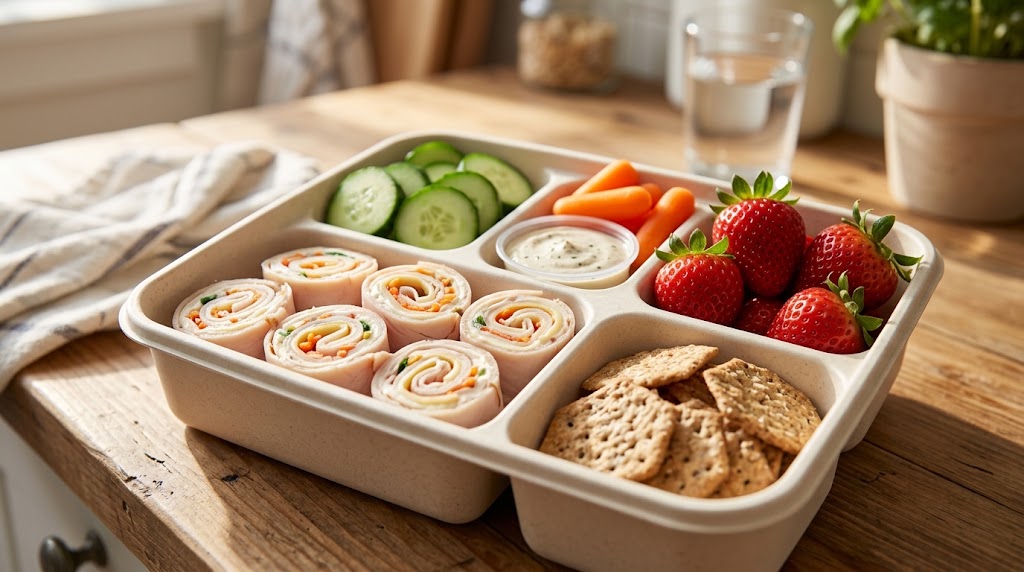
You’ve probably heard countless discussions about nutrition, diet plans, and healthy eating habits, but have you ever stopped to consider how your food choices impact your overall quality of life? Nutrition Quality of Life (NQOL) goes far beyond simply counting calories or tracking macros—it encompasses the entire relationship you have with food and how it affects your physical performance, mental well-being, energy levels, and daily functioning. For busy parents juggling work, family responsibilities, and personal fitness goals, understanding NQOL becomes absolutely essential to maintaining not just survival, but genuine thriving in your daily life.
When we talk about Nutrition Quality of Life (NQOL), we’re examining how your dietary patterns influence your ability to enjoy activities, maintain relationships, perform at work, exercise effectively, and simply feel good in your own skin. It’s a holistic view that recognizes nutrition isn’t just fuel—it’s the foundation upon which you build everything else in your life. This concept becomes particularly important for athletes and fitness enthusiasts who demand more from their bodies and need optimal nutrition to support recovery, performance, and long-term health.
The beauty of focusing on NQOL rather than restrictive dieting lies in its sustainable, life-affirming approach. Instead of viewing food as the enemy or feeling guilty about every meal choice, you begin to see nutrition as a powerful tool for enhancement. You’re not just eating to lose weight or gain muscle; you’re nourishing yourself to be present for your children’s activities, to crush that morning run, to have the mental clarity needed for important work decisions, and to genuinely enjoy social gatherings without anxiety or restriction.
The Connection Between NQOL and Athletic Performance
As someone who values physical fitness and athletic achievement, you already understand that what you eat directly impacts how you perform. However, Nutrition Quality of Life (NQOL) takes this understanding several steps further by examining not just performance metrics, but how your nutritional choices affect your overall experience as an active person. When your NQOL is high, you wake up with energy, your workouts feel strong and enjoyable, recovery happens efficiently, and you maintain consistent motivation to keep moving forward.
Poor nutritional choices create a cascade of negative effects that diminish your athletic experience. You might drag through workouts, experience frequent injuries, struggle with mood swings, or find yourself constantly battling cravings and energy crashes. These issues don’t just affect your race times or weight room numbers—they infiltrate every aspect of your day, making you less effective as a parent, partner, and professional. The runner who fuels properly doesn’t just run faster; they come home from their morning miles energized and ready to engage with family rather than depleted and irritable.
Elite athletes have long understood that nutrition represents the fourth pillar of training alongside physical conditioning, rest, and mental preparation. For everyday athletes and fitness enthusiasts, this same principle applies. Your Nutrition Quality of Life (NQOL) determines whether exercise feels like a punishment you endure or a celebration of what your body can do. When you eat foods that truly nourish you—providing adequate protein for muscle repair, complex carbohydrates for sustained energy, healthy fats for hormone production, and micronutrients for countless cellular processes—your entire relationship with movement transforms.
How Busy Parents Can Improve Their Family’s NQOL
Being a parent means you’re not just responsible for your own nutritional choices, but you’re also shaping the eating habits and food relationships of your children. This dual responsibility can feel overwhelming, especially when you’re trying to balance meal planning, grocery shopping, food preparation, and clean-up alongside work commitments, household management, and personal health goals. Improving your family’s Nutrition Quality of Life (NQOL) doesn’t require becoming a gourmet chef or spending hours in the kitchen—it requires strategic thinking and sustainable systems.
Start by recognizing that perfectionism is the enemy of progress when it comes to family nutrition. You don’t need Instagram-worthy bento boxes or entirely organic meal plans to significantly improve your household’s NQOL. What matters most is consistency with the basics: regular meal times, balanced plates that include protein and vegetables, adequate hydration, and minimizing highly processed foods. When you create simple, repeatable patterns around food, you reduce decision fatigue and make healthy eating the default rather than something that requires constant willpower.
Involving your children in age-appropriate food preparation activities serves multiple purposes for enhancing Nutrition Quality of Life (NQOL). Kids who help cook are more likely to try new foods, develop practical life skills, and form positive associations with healthy eating. Even young children can wash vegetables, tear lettuce, stir ingredients, or set the table. Older kids can follow simple recipes, chop softer ingredients with appropriate supervision, and plan entire meals. These shared kitchen experiences create opportunities for connection, education, and building food competency that will serve your children throughout their lives.
Practical Meal Planning Strategies for Time-Strapped Families
The single most effective strategy for improving family NQOL is implementing a basic meal planning system. This doesn’t mean meticulously planning every bite for the week ahead; rather, it means having a general framework that removes the 5 PM panic of “what’s for dinner?” Consider designating certain days for specific meal types: perhaps Monday is always slow cooker meals, Tuesday is pasta night, Wednesday features sheet pan dinners, Thursday is leftover remix night, and Friday is homemade pizza or another family favorite.
Batch cooking and strategic food prep can multiply your efficiency and ensure healthy options are always available. Dedicate a couple of hours on the weekend to washing and chopping vegetables, cooking whole grains like rice or quinoa, preparing proteins like grilled chicken or hard-boiled eggs, and washing fruit. When these components are ready to go, assembling healthy meals and snacks throughout the week becomes remarkably simple. Your Nutrition Quality of Life (NQOL) improves dramatically when healthy eating is convenient rather than complicated.
Stock your pantry and freezer with versatile staples that support quick, nutritious meals:
- Canned beans for quick protein additions to salads, soups, and grain bowls
- Frozen vegetables that retain their nutrients and require no prep work
- Whole grain pasta and rice for satisfying, fiber-rich carbohydrate bases
- Canned tomatoes for easy sauce creation and flavor building
- Nuts, seeds, and nut butters for healthy fats and satisfying snacks
- Frozen fruits perfect for smoothies and quick breakfast additions
- Quality oils and vinegars to make simple, delicious dressings and cooking bases
The Role of Hydration in Your NQOL
When people think about nutrition, they typically focus on food while overlooking one of the most critical nutritional factors: hydration. Your water intake profoundly affects your Nutrition Quality of Life (NQOL), influencing everything from athletic performance and cognitive function to mood regulation and digestive health. Even mild dehydration—as little as 2% loss of body water—can impair physical performance, reduce endurance, and negatively impact decision-making abilities.
For active individuals and athletes, proper hydration becomes even more crucial. When you exercise, you lose fluid through sweat, and this loss accelerates in hot conditions or during intense workouts. Failing to replace these fluids compromises your body’s ability to regulate temperature, transport nutrients to cells, remove waste products, and maintain blood volume for cardiovascular function. You might notice decreased performance, increased perceived effort, muscle cramping, or excessive fatigue—all signs that inadequate hydration is diminishing your NQOL.
The traditional “eight glasses a day” guideline provides a starting point, but your actual hydration needs depend on numerous factors including body size, activity level, climate, and individual sweat rate. A more personalized approach involves monitoring your urine color (pale yellow indicates good hydration, while dark yellow suggests you need more fluids) and paying attention to thirst cues. For athletes, weighing yourself before and after workouts can help you understand your fluid losses; aim to replace approximately 150% of the fluid lost through sweat in the hours following exercise to fully rehydrate.
Hydration Strategies That Actually Work
Improving your hydration doesn’t require complicated protocols or expensive supplements. Start by establishing consistent habits: drink a glass of water first thing in the morning to rehydrate after sleep, keep a reusable water bottle with you throughout the day, and create triggers that remind you to drink regularly. Many people find success by linking hydration to existing habits—drinking water before each meal, having a glass during coffee breaks, or sipping water during every commercial break if watching television.
For longer workouts exceeding 60-90 minutes or particularly intense training sessions, plain water may not be sufficient. Your body loses electrolytes, particularly sodium, through sweat, and these minerals play crucial roles in fluid balance and muscle function. Sports drinks, electrolyte tablets, or even a pinch of salt added to your water can help maintain proper electrolyte balance during extended exercise. This attention to hydration details significantly enhances your Nutrition Quality of Life (NQOL) by ensuring you feel and perform your best during and after physical activity.
Don’t overlook the hydration contribution of water-rich foods, which can complement your fluid intake while providing valuable nutrients. Fruits like watermelon, strawberries, oranges, and grapes contain high water percentages, as do vegetables like cucumbers, lettuce, celery, and zucchini. Soups, smoothies, and even your morning oatmeal contribute to your daily fluid intake. This whole-foods approach to hydration adds variety and nutrition while supporting your overall NQOL through multiple beneficial pathways.
Protein Optimization for Active Lifestyles
Protein stands as perhaps the most crucial macronutrient for anyone engaged in regular physical activity, yet many active individuals—particularly busy parents trying to balance multiple priorities—don’t consume adequate amounts to support their goals. Your Nutrition Quality of Life (NQOL) depends heavily on getting sufficient protein because this macronutrient drives muscle repair and growth, supports immune function, maintains healthy hair and skin, produces important enzymes and hormones, and helps regulate appetite and body composition.
The outdated recommendation of 0.8 grams of protein per kilogram of body weight was established as a minimum to prevent deficiency in sedentary individuals, not as an optimal intake for active people. Current research suggests athletes and regular exercisers benefit from consuming 1.6 to 2.2 grams of protein per kilogram of body weight daily, with the higher end of this range appropriate for those trying to build muscle or lose fat while preserving muscle mass. For a 70-kilogram (154-pound) person, this translates to roughly 112-154 grams of protein daily.
Distributing your protein intake throughout the day, rather than consuming most of it at dinner, optimizes muscle protein synthesis and helps maintain stable energy and appetite. Aim to include a quality protein source at each meal and most snacks. This doesn’t mean you need protein powder or supplements—though they can be convenient tools—as whole food sources like eggs, Greek yogurt, chicken, fish, lean beef, legumes, and tofu provide excellent nutrition. When your Nutrition Quality of Life (NQOL) includes adequate protein, you’ll likely notice improved recovery, better body composition, more stable energy, and reduced cravings.
Easy High-Protein Meals for Busy Schedules
Getting enough protein doesn’t require elaborate meal preparation or expensive ingredients. Breakfast represents an often-missed opportunity for protein intake, as many traditional breakfast foods skew heavily toward carbohydrates. Transform your morning nutrition by prioritizing protein-rich options: Greek yogurt parfaits with nuts and fruit, scrambled eggs with vegetables, protein smoothies made with protein powder or Greek yogurt, or even leftovers from last night’s dinner. Starting your day with adequate protein stabilizes blood sugar, reduces mid-morning hunger, and sets a positive nutritional tone.
Quick, protein-focused lunch options keep you energized through afternoon responsibilities without requiring significant preparation time:
- Rotisserie chicken with pre-washed salad greens and your favorite vegetables
- Canned tuna or salmon mixed with avocado on whole grain bread or crackers
- Cottage cheese paired with fruit and a handful of almonds
- Deli turkey rolled with cheese and vegetables for a low-carb option
- Bean-based soups that provide both protein and fiber
- Hard-boiled eggs prepared in advance with vegetables and hummus
Dinner can anchor your daily protein intake while feeding the entire family nutritious meals. Build meals around a protein centerpiece—grilled chicken, baked fish, lean ground beef, or plant-based options like lentils or tempeh—and surround it with vegetables and a quality carbohydrate source. When you batch cook proteins on the weekend, you can quickly assemble different meals throughout the week by varying the vegetables, seasonings, and sides, preventing boredom while maintaining high nutritional quality.
Managing Energy Levels Through Strategic Carbohydrate Intake
Carbohydrates have been unfairly demonized in recent years, leading many active people to unnecessarily restrict this important macronutrient and inadvertently harm their Nutrition Quality of Life (NQOL). While reducing refined sugars and highly processed carbs certainly benefits health, adequate carbohydrate intake from quality sources provides the preferred fuel for high-intensity exercise, supports optimal hormone function, aids recovery, and helps maintain consistent energy throughout demanding days.
The key to optimizing carbohydrates for NQOL lies in choosing primarily whole food sources that provide fiber, vitamins, minerals, and phytonutrients along with their carbohydrate content. Whole grains like oats, quinoa, brown rice, and whole wheat bread; starchy vegetables such as sweet potatoes, winter squash, and regular potatoes; fruits of all varieties; and legumes including beans, lentils, and chickpeas represent excellent carbohydrate choices that support both performance and overall health. These foods provide sustained energy release rather than the spike-and-crash pattern associated with refined carbs.
Your carbohydrate needs vary based on activity level and training demands. On days featuring intense workouts or long runs, your body requires more carbohydrates to fuel performance and replenish glycogen stores. On rest days or during lighter activity periods, you might naturally consume somewhat fewer carbs without compromise. This intuitive, flexible approach to carbohydrate intake supports your Nutrition Quality of Life (NQOL) by matching your nutrition to your actual needs rather than following rigid rules that may not align with your lifestyle.
Timing Carbohydrates for Optimal Performance and Recovery
Strategic timing of carbohydrate intake can enhance both your training results and how you feel throughout the day. Consuming easily digestible carbohydrates before workouts—perhaps a banana, some applesauce, or a slice of toast—provides readily available fuel without causing digestive distress during exercise. For longer or more intense training sessions, having carbs on board improves performance, delays fatigue, and allows you to train at higher intensities, ultimately leading to better adaptations and results.
The post-workout window represents a prime opportunity to consume carbohydrates alongside protein for optimal recovery. After exercise, your muscles are primed to absorb glucose and begin the repair and rebuilding process. Combining carbohydrates with protein in a 3:1 or 4:1 ratio within an hour or two after training accelerates glycogen replenishment and muscle recovery. This might look like chocolate milk, a smoothie with fruit and protein powder, or a turkey sandwich—practical options that significantly enhance your recovery and next-day readiness.
Throughout the day, pairing carbohydrates with protein, healthy fats, or fiber slows their digestion and absorption, leading to more stable blood sugar levels and sustained energy. Instead of eating fruit alone, pair it with nut butter or cheese. Rather than plain rice, add beans for protein and fiber. These simple combinations prevent energy crashes and reduce cravings while maximizing the nutritional value of your meals, directly contributing to improved Nutrition Quality of Life (NQOL).
The Micronutrient Foundation of NQOL
While macronutrients—protein, carbohydrates, and fats—often dominate nutritional discussions, the vitamins and minerals you consume play equally vital roles in your Nutrition Quality of Life (NQOL). These micronutrients support literally thousands of biochemical reactions in your body, from energy production and immune function to bone health and cognitive performance. Deficiencies in key vitamins and minerals can manifest as chronic fatigue, poor recovery, frequent illness, mood disturbances, and impaired athletic performance.
Active individuals face increased micronutrient demands due to higher metabolic rates, increased nutrient losses through sweat, and greater turnover of tissues requiring repair. Iron supports oxygen transport to working muscles; magnesium plays crucial roles in muscle contraction and energy production; B vitamins facilitate energy metabolism; calcium and vitamin D maintain bone density under the stress of impact activities; zinc supports immune function and tissue repair. Meeting these heightened needs through a varied, colorful diet rich in whole foods provides the micronutrient foundation for optimal NQOL.
The best strategy for ensuring adequate micronutrient intake involves eating a rainbow of different colored fruits and vegetables, as different pigments indicate different beneficial compounds. Dark leafy greens provide iron, calcium, and folate; orange vegetables offer beta-carotene; berries supply powerful antioxidants; cruciferous vegetables contain cancer-protective compounds. By including diverse plant foods alongside quality animal products or fortified plant-based alternatives, you create a nutritional safety net that supports your Nutrition Quality of Life (NQOL) without requiring extensive supplementation or meticulous tracking.
When Supplementation Makes Sense
While a well-planned diet should provide most necessary nutrients, certain circumstances warrant targeted supplementation to support optimal NQOL. Athletes training intensely may benefit from supplementing with vitamin D, especially those living in northern climates with limited sun exposure during winter months. This vitamin influences bone health, immune function, muscle function, and even mood regulation. Similarly, omega-3 fatty acids from fish oil can reduce inflammation and support cardiovascular health for those who don’t regularly consume fatty fish.
Women of childbearing age, particularly those who are active, should pay special attention to iron status, as this mineral is commonly deficient due to menstrual losses combined with increased demands from training. Iron deficiency severely impairs athletic performance and daily energy levels, yet it’s easily correctable through supplementation when identified. Having your iron levels checked through simple blood work allows you to address deficiencies strategically rather than guessing about supplementation needs.
Before adding supplements to your routine, consider whether you’re maximizing nutrition from whole foods first. A multivitamin might provide insurance against gaps in your diet, but it cannot replace the synergistic benefits of nutrients consumed in their natural food matrix. Work with a sports dietitian or knowledgeable healthcare provider to identify your specific needs based on your diet, training demands, and any symptoms you’re experiencing. This personalized approach to supplementation optimizes your Nutrition Quality of Life (NQOL) without wasting money on unnecessary products.
Creating a Sustainable Relationship with Food
Perhaps the most important aspect of Nutrition Quality of Life (NQOL) isn’t about specific nutrients or meal timing at all—it’s about developing a sustainable, positive relationship with food that serves you for the long term. Too many people cycle through restrictive diets, experience guilt around eating, label foods as “good” or “bad,” or use exercise as punishment for dietary choices. These patterns undermine your NQOL by creating stress, anxiety, and an adversarial relationship with something that should be nourishing and enjoyable.
A healthy relationship with food includes flexibility and permission to enjoy treats, celebrations, and less-than-optimal meals without derailment or excessive guilt. The 80/20 approach—where approximately 80% of your intake comes from nutrient-dense whole foods while 20% includes more indulgent choices—allows you to maintain excellent nutrition while participating fully in social occasions, family traditions, and spontaneous opportunities. This balanced perspective recognizes that a single meal or day doesn’t determine your overall health; rather, your consistent patterns over weeks and months create your results.
Mindful eating practices enhance your Nutrition Quality of Life (NQOL) by helping you tune into your body’s actual hunger and fullness signals rather than eating based purely on external cues, emotions, or rigid rules. Taking time to eat without distractions, chewing thoroughly, noticing the flavors and textures of your food, and pausing mid-meal to assess your satisfaction level all strengthen the mind-body connection around nutrition. These practices often lead to naturally appropriate portion sizes, greater enjoyment of meals, and reduced tendency toward emotional eating.