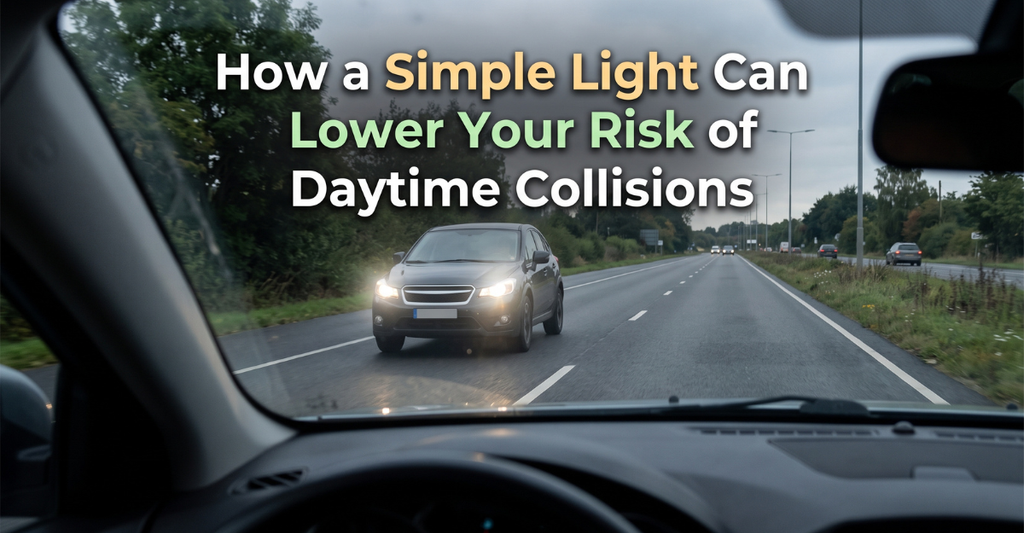
When you head out for your morning run or afternoon cycling session, you probably aren’t thinking much about visibility. After all, it’s daylight—people can see you, right? Unfortunately, the statistics tell a different story that might surprise you. Research consistently shows that a significant portion of pedestrian and cyclist collisions occur during daylight hours, when runners, walkers, and cyclists assume they’re most visible to motorists. The truth is that your visibility to drivers depends on far more than just whether the sun is shining.
Understanding how a simple light can lower your risk of daytime collisions starts with recognizing that human perception has limitations even in optimal lighting conditions. Drivers scanning busy streets process countless visual stimuli simultaneously—other vehicles, traffic signals, pedestrians, road signs, and potential hazards. In this complex visual environment, a runner wearing typical athletic gear can blend into the background surprisingly easily. Your brain might tell you that you’re clearly visible in your bright workout clothes, but from a driver’s perspective behind a windshield, traveling at speed, you might be just another shape among many competing for attention.
The science behind daytime visibility reveals some counterintuitive truths. While reflective materials work wonderfully at night when headlights illuminate them, they offer minimal advantage during daytime hours. Similarly, even brightly colored clothing doesn’t guarantee you’ll stand out against varied backgrounds—that neon yellow shirt that seems so visible to you might blend surprisingly well with autumn leaves, construction signs, or a sun-dappled sidewalk. This is where active lighting technology changes the game entirely, creating a visibility advantage that works independently of background conditions or lighting angles.
Why Movement Alone Isn’t Enough to Keep You Safe
You might assume that because you’re moving, drivers will naturally notice you. This assumption is dangerous and doesn’t account for several critical factors affecting driver perception and reaction time. The human visual system is remarkably sophisticated, but it’s also susceptible to predictable blind spots and limitations. Drivers experiencing “inattentional blindness” can look directly at an object—including a runner or cyclist—without actually seeing it because their attention is focused elsewhere. This phenomenon explains how drivers can honestly claim they never saw a pedestrian or cyclist before a collision occurred.
The problem intensifies when you consider the typical conditions during popular exercise times. Morning and evening rush hours coincide perfectly with when many people schedule their workouts, meaning you’re sharing the road with distracted, hurried drivers navigating heavy traffic. These drivers are focused on other vehicles, checking mirrors, watching for turn signals, and trying to maintain safe following distances. In this cognitively demanding environment, a pedestrian or cyclist without distinctive visual cues can essentially become invisible, regardless of how bright the ambient daylight might be.
Research from traffic safety organizations has documented this phenomenon extensively. Studies using eye-tracking technology show that drivers’ gaze patterns typically focus on other motor vehicles and potential collision threats from other cars. Pedestrians and cyclists, especially those moving predictably along sidewalks or bike paths, may receive only cursory glances—if they register at all. The implications for your safety are significant: you cannot rely on drivers seeing you simply because you’re visible to your own eyes or because it’s daytime.
The Science of Daytime Running Lights for Athletes
Understanding how a simple light can lower your risk of daytime collisions requires examining what makes active lighting so effective. Unlike passive reflectors or colored clothing, battery-powered LED lights create their own attention-grabbing signal that works independently of external light sources. The human eye is naturally drawn to light sources and movement, making a flashing or steady LED light one of the most reliable ways to capture driver attention. This biological response happens at a subconscious level, meaning drivers notice lights even when not actively scanning for pedestrians.
The effectiveness of daytime running lights has been proven extensively in the automotive industry. Studies of motorcycles and cars equipped with daytime running lights show significant reductions in collision rates—decreases ranging from 10% to 30% depending on conditions and study methodology. The principle is straightforward: vehicles with lights on are noticed sooner and from greater distances, giving other road users more time to react appropriately. This same principle applies perfectly to runners, cyclists, and pedestrians who incorporate active lighting into their safety equipment.
Modern LED technology has made this safety advantage accessible and practical for athletes. Compact, lightweight LED lights designed specifically for runners and cyclists can operate for hours on small batteries while producing remarkably bright, attention-getting illumination. These lights consume minimal power while generating light output visible from hundreds of yards away, even in bright sunlight. The technology has advanced to the point where adding effective daytime lighting to your workout routine requires virtually no compromise in terms of weight, comfort, or convenience.
Different Types of Lights and Their Effectiveness
Not all lights provide equal benefits for daytime visibility. Understanding the options helps you choose the most effective solution for your specific activities and routes. Flashing lights generally provide superior attention-getting capability compared to steady lights because the blinking pattern creates movement that draws the eye more effectively. However, some situations may call for steady lights or a combination of both flashing and constant illumination.
White and red lights serve different purposes in your visibility strategy. White lights are most effective for front-facing visibility, making you noticeable to oncoming traffic and drivers at intersections ahead of you. Red lights work best for rear visibility, alerting drivers approaching from behind. Many runners and cyclists find that using both front and rear lights provides 360-degree visibility enhancement, ensuring you’re noticeable regardless of your position relative to vehicle traffic.
Where and How to Position Lights for Maximum Impact
Knowing how a simple light can lower your risk of daytime collisions is only part of the equation—you also need to understand optimal light placement for maximum effectiveness. The positioning of your lights directly impacts how visible you are to drivers approaching from different angles. Strategic placement ensures that your lights are positioned where drivers naturally look when scanning for traffic and hazards.
For runners, attaching lights to areas of maximum movement amplifies their attention-getting effect. Your arms swing naturally while running, so lights attached to wrists, hands, or upper arms create a dynamic, eye-catching signal. Similarly, lights clipped to your waistband or running belt remain at a consistent height that corresponds to drivers’ typical sight lines when checking for pedestrians. Many runners find that using multiple small lights distributed across different body positions provides better all-around visibility than a single larger light.
Cyclists have additional mounting options that can enhance visibility from multiple angles simultaneously. Helmet-mounted lights position illumination at approximately the same height as vehicle brake lights and turn signals, placing your visibility signal in drivers’ primary field of attention. Handlebar-mounted lights work well for frontal visibility, while seat post or rear rack-mounted lights ensure drivers approaching from behind see you clearly. Ankle-mounted lights create a distinctive up-and-down motion pattern that clearly identifies you as a cyclist, helping drivers accurately judge your speed and position.
Combining Lights with Other Visibility Strategies
While lights provide significant safety advantages, they work best as part of a comprehensive visibility approach. Combining active lighting with reflective materials creates redundancy that enhances your safety across different conditions and situations. Reflective materials provide backup visibility if lights fail or batteries run low, while lights ensure visibility even when lighting conditions don’t favor reflective materials.
Strategic clothing choices complement your lighting setup. While you shouldn’t rely solely on bright colors, choosing clothing with contrasting colors helps you stand out against varied backgrounds. Some athletic wear incorporates both reflective elements and light attachment points, providing integrated visibility solutions. Consider how your complete outfit—clothing, shoes, lights, and accessories—works together to maximize your visibility from every angle.
Real-World Impact: Statistics and Studies
The evidence supporting daytime light usage is compelling and continues to grow as more research examines this safety strategy. A landmark Danish study examining cyclist safety found that using permanent running lights reduced collision rates by approximately 19% during daytime hours. This substantial reduction in crashes translated directly to fewer injuries and saved lives, demonstrating that how a simple light can lower your risk of daytime collisions isn’t theoretical—it’s a proven, measurable safety benefit.
Additional research from various countries confirms these findings across different populations and traffic environments. Studies in Finland, Norway, and the Netherlands—countries with high cycling populations and comprehensive traffic safety data—consistently show that visibility enhancements including daytime lights correlate with reduced collision rates. The protective effect appears consistent across age groups, skill levels, and types of roadways, suggesting that the benefits apply broadly to anyone exercising near vehicle traffic.
These statistics take on personal significance when you consider the actual risk you face during typical workouts. If you run or cycle regularly near traffic—whether on roads, crossing intersections, or using shared-use paths—you’re exposed to collision risk every time you exercise. Even a seemingly small percentage reduction in risk becomes significant when compounded across hundreds or thousands of workouts over months and years. The cumulative protective effect of consistently using daytime lights could literally be life-saving over the course of your athletic career.
Practical Considerations for Busy Parents and Athletes
For busy moms juggling work, family responsibilities, and personal fitness, adding another item to your workout routine might seem like unwelcome complexity. However, modern daytime running lights are designed with convenience in mind, requiring minimal effort to incorporate into your existing routine. Most models attach and detach in seconds using simple clips, bands, or magnetic fasteners, making them as easy to use as putting on your running shoes.
Battery management has also become remarkably simple with current technology. Many lights use commonly available AAA or AA batteries that provide dozens of hours of operation before requiring replacement. Some models include USB rechargeable batteries, allowing you to recharge them using the same cables you use for your phone or fitness tracker. Setting a routine—such as checking batteries every Sunday or recharging after every few runs—ensures your lights are always ready when you need them.
The investment required is minimal compared to other athletic equipment and the safety benefits provided. Quality daytime running lights typically cost between fifteen and forty dollars, less than most running shoes or cycling accessories. Many athletes find that a basic set of two lights—one front-facing and one rear-facing—provides excellent protection at a total cost comparable to a couple of specialty sports drinks. When viewed as a long-term safety investment protecting you across countless workouts, the value proposition is compelling.
Getting Your Kids Involved in Safety Practices
Teaching your children about visibility and traffic safety creates habits that protect them throughout their lives. When kids see you consistently using safety lights during your runs or rides, they learn that safety equipment is a normal, non-negotiable part of outdoor exercise. This modeling is far more effective than lectures or rules in creating lasting safety awareness and habits.
Making safety equipment fun and age-appropriate increases kids’ willingness to use it consistently. Many companies manufacture lights designed specifically for children, featuring bright colors, fun shapes, and easy-to-use attachments. Some lights even include multiple color options or patterns, allowing kids to customize their safety gear. When children view their safety lights as cool accessories rather than burdensome requirements, compliance becomes natural rather than a battle.
Consider implementing family safety rules that apply to everyone, not just children. When the whole family uses lights during daytime bike rides, walks, or runs, it normalizes the practice and eliminates the sense that safety equipment is just for kids. This approach also ensures that you’re setting a consistent example—if you expect your children to wear lights, they should see you doing the same.
Overcoming Common Objections and Misconceptions
Many athletes initially resist using daytime lights due to concerns about appearing overly cautious or standing out unnecessarily. This objection reflects a fundamental misunderstanding of traffic dynamics and driver behavior. The reality is that most drivers appreciate any visual cues that help them identify and avoid pedestrians and cyclists. Far from viewing lighted runners or cyclists negatively, most motorists recognize it as responsible behavior that makes their job as drivers easier and safer.
Some people question whether lights are truly necessary during full daylight on low-traffic routes. This perspective underestimates both the unpredictability of traffic and the frequency of near-miss situations that occur even on seemingly safe routes. Understanding how a simple light can lower your risk of daytime collisions means recognizing that accidents, by definition, are unexpected events. The quietest neighborhood street becomes dangerous the moment a distracted driver turns onto it, and that moment is exactly when your daytime lights could prevent a tragedy.
Concerns about comfort and practicality also deter some athletes from adopting daytime lights. Modern designs address these concerns directly through lightweight materials, secure but comfortable attachment methods, and compact profiles that don’t interfere with natural movement. Most users report that after the first few runs or rides, they forget they’re even wearing their lights—the equipment becomes as automatic and unobtrusive as wearing a watch or fitness tracker.
Addressing Weather and Environmental Factors
Weather conditions can significantly impact visibility, making daytime lights even more critical during challenging conditions. Fog, rain, snow, and glare from low-angle sunlight all reduce driver visibility, sometimes dramatically. In these conditions, passive visibility strategies like bright clothing become even less effective, while active lights maintain their attention-getting capability. The contrast created by a bright LED light remains noticeable even when weather obscures colors and reduces overall visibility.
Most quality daytime running lights are designed to withstand typical weather exposure. Water-resistant or waterproof models protect the electronics and batteries from rain, allowing you to maintain your exercise routine regardless of conditions. Some athletes keep spare batteries or backup lights available during winter months when shorter days and unpredictable weather create more challenging visibility situations. This preparedness ensures that weather never becomes an excuse for compromising your safety.
Integration with Existing Safety Habits
Daytime lights work most effectively when integrated with other safety practices you may already follow. Defensive running or cycling—assuming drivers don’t see you and taking responsibility for your own safety—becomes even more effective when combined with enhanced visibility. When you make eye contact with drivers, run or ride predictably, and stay alert to traffic patterns while also using lights, you create multiple layers of protection that significantly reduce your collision risk.
Many runners and cyclists find that using lights actually changes their awareness and behavior in positive ways. Knowing that you’re more visible can increase your confidence when navigating busy intersections or running on roads without sidewalks. However, this confidence should enhance rather than replace defensive safety practices. The goal is not to become complacent because you have lights, but rather to add another powerful tool to your existing safety strategy.
Technology integration offers additional safety possibilities. Some modern running lights include features like automatic light sensors that adjust brightness based on ambient conditions, motion sensors that activate lights when you start moving, and even Bluetooth connectivity that allows them to sync with other devices. While these advanced features aren’t necessary for basic safety benefits, they demonstrate how visibility technology continues evolving to better serve athletes’ needs.
Making the Transition to Lighted Workouts
Starting to use daytime lights requires minimal adjustment to your existing routine. Begin by selecting appropriate lights for your primary activities—different options work better for running versus cycling versus walking. Read reviews from other athletes to identify models known for reliability, brightness, and comfortable attachment methods. Many sporting goods stores allow you to handle different models before purchasing, helping you find options that feel comfortable and secure.
Your first few workouts with lights help you identify the optimal positions and attachment methods for your needs. Pay attention to how lights feel during normal movement—do they bounce excessively, shift position, or cause any discomfort? Most positioning issues can be resolved by adjusting attachment points or trying different mounting locations. Don’t hesitate to experiment until you find configurations that feel natural and secure.
Developing maintenance habits ensures your lights remain effective long-term. Create simple routines such as:
- Checking battery levels before each run or at the start of each week
- Cleaning light lenses periodically to maintain brightness
- Inspecting attachment mechanisms for wear or damage
- Keeping spare batteries in your car, gym bag, or running gear storage
- Replacing lights when brightness diminishes noticeably
These simple practices take just minutes but ensure your safety equipment remains reliable whenever you need it.
Building Community Awareness
As you incorporate daytime lights into your routine, you may notice other runners and cyclists beginning to do the same. Safety practices often spread through athletic communities as people observe what works for others. Consider being a visible advocate for daytime light usage by sharing your experiences on social media, at running clubs, or during group rides. Personal testimonials about how a simple light can lower your risk of daytime collisions often resonate more effectively than abstract statistics.
Some communities have organized initiatives promoting daytime visibility for cyclists and pedestrians. These programs sometimes include group purchases of lights at discounted prices, public awareness campaigns, or partnerships with local authorities to improve overall road safety. Participating in or initiating such efforts amplifies the individual safety benefits by creating broader cultural changes that make roads safer for everyone.
Special Considerations for Different Athletic Activities
Runners face unique visibility challenges based on where and how they run. Trail runners venturing near roads or crossing streets benefit from lights just as much as road runners, especially when emerging from wooded areas onto roadways. The transition from trail to road often catches both runners and drivers by surprise, making enhanced visibility particularly valuable. Urban runners navigating complex street grids with frequent intersections gain safety advantages from 360-degree visibility created by multiple strategically placed lights.
Cyclists typically move faster than runners and often share lanes directly with vehicle traffic, creating different but equally important visibility requirements. The higher speeds involved give drivers less time to react, making early detection critical. Cyclists also benefit from lights that clearly communicate their presence as a bicycle rather than being mistaken for a motorcycle or other vehicle. The distinctive motion pattern created by properly positioned lights helps drivers accurately categorize and respond to cyclists.
Multi-sport athletes who run, cycle, and engage in other outdoor activities can use versatile lighting solutions that work across different sports. Some lights feature multiple mounting options or come with various attachment accessories, allowing the same light to serve for running one day and cycling the next. This versatility provides excellent value and ensures you have appropriate safety lighting regardless of which workout you choose.
Long-Term Safety Investment and Health Protection
Viewing daytime lights as a long-term safety investment changes the cost-benefit calculation significantly. The few dollars spent on quality lights potentially protects you across thousands of hours of athletic activity over many years. When you calculate the cost per workout—often just pennies—the investment becomes almost trivial compared to the protection provided. This perspective helps justify choosing quality lights with proven reliability and brightness rather than the cheapest available options.
The health implications extend beyond immediate collision prevention. Athletes who feel safer during workouts are more likely to maintain consistent exercise routines, leading to better long-term health outcomes. Conversely, close calls with vehicles or feeling unsafe during runs can undermine your motivation to exercise, potentially derailing your fitness goals. By enhancing your actual safety and your sense of security during workouts, daytime lights support both your immediate well-being and your long-term health commitment.
Insurance and liability considerations also favor proactive safety measures. While hopefully never necessary, demonstrating that you took reasonable precautions to ensure your visibility can be important if you’re ever involved in a traffic incident. Using safety equipment including lights shows that you recognized potential hazards and took appropriate steps to protect yourself, which can be relevant in determining fault and liability.
Understanding how a simple light can lower your risk of daytime collisions empowers you to make informed decisions about your safety as an athlete. The evidence clearly demonstrates that active lighting provides measurable, significant protection against traffic-related injuries during daylight hours. For busy parents balancing family responsibilities with personal fitness goals, daytime lights offer a simple, affordable way to reduce risk without adding complexity to already packed schedules. The minimal investment of time and money yields substantial returns in safety, confidence, and peace of mind that protects not just you, but also your ability to stay healthy and active for your family over the long term.
Give us a call today at 1-877-777-6086 or fill out our contact form to become a retail
distributor of our top-of-the-line safety lights.