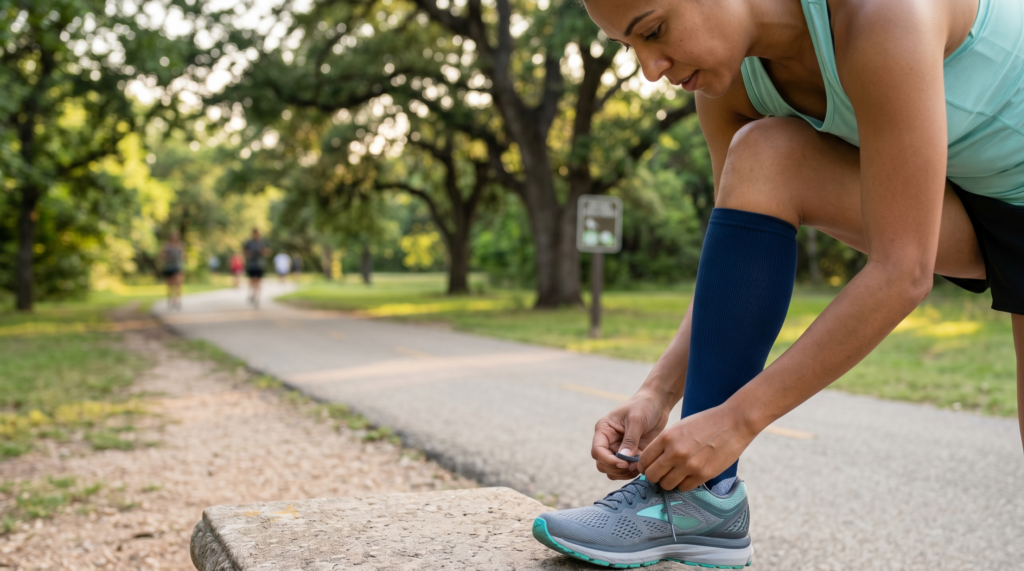
When it comes to running, having the right footwear is crucial for both performance and injury prevention. While you might think that any athletic shoe will do, it’s essential to understand that tennis shoes designed for running have specific features that cater to the unique demands of this high-impact activity. Determining the right fit for a tennis shoe used for running is a process that requires attention to detail and a good understanding of your foot’s anatomy and running style. Whether you’re a seasoned marathoner or just starting your fitness journey, finding the perfect fit can make all the difference in your running experience.
Understanding Your Foot Type and Running Gait
Before diving into the specifics of how to determine the right fit for a tennis shoe used for running, it’s crucial to understand your foot type and running gait. These factors play a significant role in selecting the most appropriate shoe for your needs. Your foot type can generally be categorized as neutral, overpronated, or underpronated (supinated). To determine your foot type, you can perform a simple wet foot test by wetting your feet and stepping on a piece of paper or a flat surface. The imprint left behind will give you an idea of your arch type and pronation.
Additionally, understanding your running gait is essential. Your gait refers to the way your foot strikes the ground and rolls through to push off. Some runners are heel strikers, while others land on their midfoot or forefoot. Observing your running style or seeking a professional gait analysis can provide valuable insights into your biomechanics. Armed with this knowledge, you’ll be better equipped to choose a tennis shoe that supports your unique foot structure and running style.
Key Factors in Determining the Right Fit
When you’re trying to determine the right fit for a tennis shoe used for running, there are several crucial factors to consider. Length, width, arch support, and heel fit are all essential components that contribute to the overall comfort and performance of your running shoe. Let’s break down each of these factors:
Length
The length of your running shoe is perhaps the most critical aspect of fit. A general rule of thumb is to ensure there’s about a thumb’s width of space between your longest toe and the end of the shoe. This extra room allows for foot swelling during longer runs and prevents your toes from hitting the front of the shoe, which can lead to blisters and black toenails. Remember that your feet may swell slightly throughout the day, so it’s best to try on shoes in the afternoon or evening when your feet are at their largest.
Width
The width of your running shoe should comfortably accommodate your foot without feeling too tight or too loose. Your foot should be able to move side-to-side in the shoe’s forefoot without crossing over the edge of the insole. If you have particularly wide or narrow feet, look for brands that offer multiple width options to ensure a proper fit.
Arch Support
Proper arch support is crucial for maintaining comfort and preventing injuries during your runs. The level of arch support you need depends on your foot type. Those with high arches may require more support, while individuals with flat feet might benefit from a shoe with less pronounced arch support. When trying on shoes, pay attention to how the arch of the shoe feels against your foot and whether it provides adequate support without causing discomfort.
Heel Fit
A secure heel fit is essential for preventing blisters and maintaining stability during your runs. Your heel should feel snug in the shoe without any slipping or rubbing. Some runners find that using the “heel lock” or “runner’s loop” lacing technique can help secure their heel in place and prevent movement within the shoe.
The Importance of Trying on Multiple Sizes and Styles
When you’re on a mission to determine the right fit for a tennis shoe used for running, it’s crucial to remember that not all shoes are created equal. Even within the same brand, different models can fit differently due to variations in design, materials, and intended use. That’s why it’s essential to try on multiple sizes and styles before making your final decision. Don’t be afraid to step outside your usual size range – you might find that going up or down a half-size can make a significant difference in comfort and fit.
Moreover, different brands often have slightly different sizing standards, so what works for you in one brand may not be the best fit in another. Take the time to explore various options and be open to trying new brands or styles. Remember, the goal is to find the shoe that feels like it was made for your foot, not to stick with a particular brand or size out of habit or loyalty.
The Role of Socks in Determining Fit
When you’re trying to determine the right fit for a tennis shoe used for running, don’t overlook the importance of socks. The thickness and material of your running socks can significantly impact how your shoes fit and feel. Always try on running shoes with the type of socks you plan to wear during your runs. This approach ensures that you’re getting an accurate feel for how the shoes will perform in real-world conditions.
Consider investing in high-quality running socks made from moisture-wicking materials like merino wool or synthetic blends. These materials help keep your feet dry and comfortable, reducing the risk of blisters and hot spots. Some runners prefer thicker, cushioned socks for added comfort, while others opt for thinner socks for a more responsive feel. Experiment with different sock thicknesses to find what works best for you and your chosen running shoes.
The Importance of Break-In Time
Even when you’ve found a tennis shoe that seems to fit perfectly for running, it’s important to give yourself and your new shoes some time to adjust. Most running shoes require a break-in period to allow the materials to soften and conform to your foot shape. During this time, you might experience some minor discomfort or rubbing in certain areas. However, if the pain persists or worsens after a few runs, it’s a sign that the shoes might not be the right fit for you.
To break in your new running shoes safely:
- Start with short, easy runs or walks to get a feel for the shoes
- Gradually increase the duration and intensity of your runs
- Pay attention to any areas of discomfort and address them early
- Consider alternating between your new shoes and a well-worn pair initially
Remember, while a short break-in period is normal, your running shoes should feel comfortable from the start. If you’re experiencing significant pain or discomfort, it’s better to return the shoes and try a different pair rather than risking injury.
Utilizing Technology and Professional Fittings
In today’s tech-savvy world, there are numerous tools and services available to help you determine the right fit for a tennis shoe used for running. Many running specialty stores offer professional fitting services that use advanced technology to analyze your foot shape, gait, and running style. These services often include:
- 3D foot scanning to measure your foot’s exact dimensions
- Gait analysis using treadmills and high-speed cameras
- Pressure mapping to identify areas of high impact
- Virtual try-on technology for a more precise fit
While these technologies can provide valuable insights, they should be used in conjunction with your personal comfort and feel. No technology can replace the sensation of actually wearing the shoe and assessing how it feels during a run. Use these tools as a guide, but always trust your own comfort and instincts when making the final decision.
Considering Your Running Goals and Terrain
When determining the right fit for a tennis shoe used for running, it’s crucial to consider your specific running goals and the terrain you’ll be covering most frequently. Different types of running require different shoe features, and what works for a casual jogger might not be suitable for a trail runner or a competitive marathoner. Here are some factors to consider based on your running profile:
Road Running
If you primarily run on paved surfaces, look for shoes with good cushioning to absorb the impact of hard surfaces. The fit should be snug but not tight, allowing for some foot expansion during longer runs. Road running shoes typically have a smoother outsole for better traction on pavement.
Trail Running
For trail runners, a slightly tighter fit can provide better control on uneven terrain. Look for shoes with a more aggressive tread pattern for better grip on dirt, rocks, and roots. The fit should be secure around the midfoot to prevent your foot from sliding inside the shoe on steep inclines or declines.
Sprint Training
If you’re focusing on speed work, you might prefer a more responsive shoe with a snugger fit. These shoes often have less cushioning to provide better ground feel and energy return. The fit should be close but not restrictive, allowing for quick movements and direction changes.
Long-Distance Running
For marathon training or ultra-running, prioritize comfort and cushioning. You might need a slightly larger size to accommodate foot swelling over long distances. The fit should be roomy in the toe box to prevent blisters and allow for toe splay.
By considering your specific running needs, you can narrow down your options and focus on shoes that are designed to support your particular style of running.
The Impact of Foot Shape on Fit
Understanding your foot shape is crucial when trying to determine the right fit for a tennis shoe used for running. While we’ve touched on foot type earlier, it’s worth delving deeper into how the unique characteristics of your feet can influence the fit of your running shoes. Here are some common foot shapes and how they might affect your shoe fit:
Wide Feet
If you have wide feet, you’ll need shoes with a broader toe box to accommodate your foot width comfortably. Look for brands that offer wide sizing options, and pay particular attention to how the shoe feels across the widest part of your foot. A shoe that’s too narrow can cause discomfort, blisters, and even numbness during long runs.
Narrow Feet
For those with narrow feet, finding a shoe that doesn’t slip or allow too much movement can be challenging. Look for shoes with a snugger midfoot and heel cup. You might also benefit from using thicker socks or insoles to take up some of the extra space in the shoe.
High Arches
If you have high arches, you’ll need a shoe with adequate arch support to prevent overpronation. Look for shoes with a curved shape (sometimes called a “last”) that follows the natural curve of your foot. You might also benefit from additional cushioning to help absorb shock.
Flat Feet
For runners with flat feet or low arches, stability is key. Look for shoes with a straighter last and features like medial posts or firmer midsoles to help prevent overpronation. The fit should be snug around the midfoot to provide support where you need it most.
Bunions or Hammer Toes
If you have foot deformities like bunions or hammer toes, look for shoes with a wider toe box and softer, more flexible upper materials. This will help accommodate your foot shape and prevent irritation on problem areas.
Remember, everyone’s feet are unique, and what works for one person may not work for another. Don’t be afraid to try on multiple styles and sizes to find the perfect fit for your specific foot shape.
The Role of Lacing Techniques in Achieving the Perfect Fit
When you’re trying to determine the right fit for a tennis shoe used for running, don’t underestimate the power of proper lacing. The way you lace your shoes can significantly impact their fit and feel, addressing common issues like heel slippage, pressure points, or a loose midfoot. Here are some lacing techniques you can try to customize the fit of your running shoes:
Heel Lock or Runner’s Loop
This technique is excellent for preventing heel slippage and blisters. To do this:
- Lace your shoe as usual, stopping at the second-to-last eyelet
- Create a small loop on each side using the top eyelets
- Cross the laces and thread them through the opposite loop
- Pull tight and tie as normal
This creates a “lock” around your ankle, securing your heel in place.
Window Lacing
If you experience pressure on the top of your foot, try window lacing:
- Identify the area where you feel pressure
- Unlace the shoe up to this point
- Relace, skipping the eyelets where you feel pressure
- Continue lacing normally above this point
This technique creates a “window” that relieves pressure on sensitive areas.
Wide Forefoot Lacing
For those with wide forefeet:
- Start by threading the lace straight across the bottom eyelets
- Continue lacing normally from there
This simple change can provide more room in the toe box.
Experimenting with different lacing techniques can help you fine-tune the fit of your running shoes, addressing specific issues and enhancing overall comfort. Don’t be afraid to try different methods until you find the one that works best for you.
The Importance of Regular Shoe Assessments
Once you’ve determined the right fit for your tennis shoes used for running, it’s crucial to remember that your needs may change over time. Factors such as weight fluctuations, changes in running style or intensity, and natural wear and tear on the shoes can all affect how well they fit and perform. That’s why it’s essential to regularly assess your running shoes and be prepared to make changes when necessary.
A good rule of thumb is to replace your running shoes every 400-500 miles, or sooner if you notice signs of wear such as compressed cushioning, worn-out treads, or changes in how the shoes feel during your runs. Pay attention to any new aches or pains that develop, as these could be signs that your shoes are no longer providing the support and cushioning you need.
Additionally, consider having your gait re-analyzed periodically, especially if you’ve made significant changes to your running routine or experienced any injuries. This can help ensure that your shoes continue to meet your evolving needs as a runner.
By staying attuned to your body and your shoes, you can maintain the optimal fit and performance throughout your running journey. Remember, the right fit isn’t just about comfort – it’s about supporting your running goals and keeping you injury-free mile after mile.