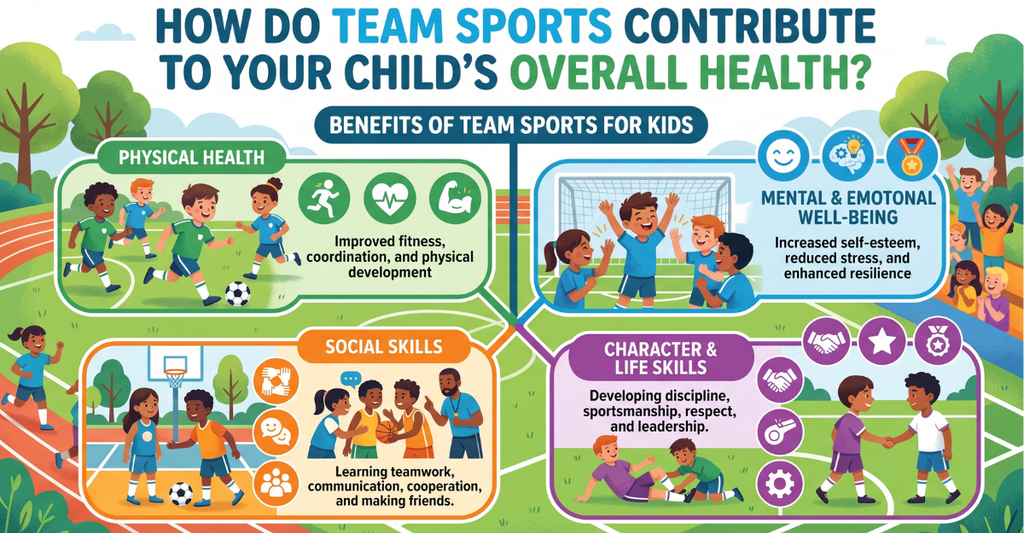
When it comes to nurturing your child’s overall health and well-being, team sports offer a comprehensive approach that goes far beyond just physical fitness. As parents, you might wonder, “How do team sports contribute to children’s overall health?” The answer lies in the unique combination of physical, mental, and social benefits that these activities provide. Team sports create an environment where children can develop crucial life skills, build lasting friendships, and improve their physical fitness simultaneously.
Physical Health Advantages
One of the most obvious ways team sports contribute to children’s overall health is through physical activity. Regular participation in sports helps children maintain a healthy weight, strengthen their bones and muscles, and improve their cardiovascular health. But the benefits don’t stop there. Team sports also:
- Enhance coordination and motor skills
- Improve balance and spatial awareness
- Boost overall endurance and stamina
These physical improvements not only contribute to better health in childhood but also lay the foundation for a lifetime of physical well-being. As your child grows and develops, the habits and skills they learn through team sports can help prevent obesity, reduce the risk of chronic diseases, and promote an active lifestyle well into adulthood.
Mental Health and Cognitive Benefits
While the physical benefits of team sports are readily apparent, the impact on mental health and cognitive development is equally significant. Engaging in team sports can help children:
- Reduce stress and anxiety
- Improve self-esteem and confidence
- Enhance focus and concentration
The structured nature of team sports provides children with a healthy outlet for their energy and emotions. As they learn to navigate the ups and downs of competition, they develop resilience and coping mechanisms that serve them well in all areas of life. Moreover, the cognitive demands of team sports, such as strategic thinking and quick decision-making, can enhance brain function and academic performance.
Social Skills and Emotional Intelligence
One of the most valuable ways team sports contribute to children’s overall health is by fostering social skills and emotional intelligence. In a team environment, children learn to:
- Communicate effectively with peers and adults
- Work collaboratively towards common goals
- Develop empathy and understanding for others
These social skills are crucial for success in all aspects of life, from personal relationships to professional endeavors. By participating in team sports, children learn to navigate complex social situations, resolve conflicts, and celebrate collective achievements. These experiences help shape their emotional intelligence, enabling them to better understand and manage their own emotions as well as those of others.
Leadership and Responsibility
Team sports provide unique opportunities for children to develop leadership skills and a sense of responsibility. Whether they’re captain of the team or simply a supportive teammate, children learn the importance of:
- Taking initiative
- Setting and working towards goals
- Being accountable for their actions
These qualities not only contribute to their overall health by boosting self-confidence and reducing stress but also prepare them for future challenges in their personal and professional lives. As children grow and take on more responsibilities within their teams, they develop a strong sense of self-efficacy and learn to trust in their abilities to overcome obstacles.
Time Management and Discipline
Another crucial way team sports contribute to children’s overall health is by teaching them valuable time management and discipline skills. Balancing sports commitments with academic responsibilities and other activities helps children:
- Develop strong organizational skills
- Learn to prioritize tasks effectively
- Cultivate self-discipline and dedication
These skills are essential for maintaining a healthy lifestyle as they grow older. By learning to manage their time effectively from a young age, children are better equipped to handle the increasing demands of school, work, and personal life. This ability to balance various commitments contributes significantly to reduced stress levels and improved overall well-being.
Routine and Structure
The regular practice schedules and game commitments associated with team sports provide children with a sense of routine and structure. This consistency can have a positive impact on their overall health by:
- Promoting better sleep habits
- Encouraging regular meal times
- Reducing screen time and sedentary behavior
A structured routine helps children develop healthy habits that can last a lifetime. It also provides a sense of stability and predictability, which can be particularly beneficial for children who may struggle with anxiety or other mental health challenges.
Nutrition and Body Awareness
Participation in team sports often goes hand in hand with increased awareness of nutrition and body health. As children become more invested in their athletic performance, they naturally become more curious about how their diet affects their energy levels and overall health. This curiosity can lead to:
- Better food choices and eating habits
- Increased understanding of the importance of hydration
- Greater awareness of their body’s needs and signals
By fostering this connection between nutrition and performance, team sports contribute significantly to children’s overall health. As they learn to fuel their bodies properly for athletic activities, they develop healthy eating habits that can benefit them throughout their lives.
Injury Prevention and Body Care
Another important aspect of how team sports contribute to children’s overall health is through education about injury prevention and proper body care. Through their participation in sports, children learn:
- The importance of warm-up exercises and stretching
- Proper techniques to prevent injuries
- How to listen to their body and recognize signs of fatigue or strain
This knowledge not only helps prevent sports-related injuries but also instills a lifelong awareness of the importance of taking care of one’s body. As children grow and continue to participate in physical activities, these habits of proper body care can help prevent a wide range of health issues and contribute to their overall well-being.
Stress Relief and Emotional Regulation
In today’s fast-paced world, children face numerous stressors in their daily lives. Team sports offer a valuable outlet for stress relief and emotional regulation. Through physical activity and team interactions, children can:
- Release pent-up energy and tension
- Learn to manage competitive stress in a healthy way
- Develop coping mechanisms for dealing with disappointment and failure
These skills are crucial for maintaining good mental health and emotional well-being. By providing a structured environment for children to experience and process a range of emotions, team sports contribute significantly to their overall emotional health and resilience.
Positive Outlet for Energy
For many children, especially those who struggle with attention or behavioral issues, team sports provide a positive outlet for their energy. Regular physical activity can help:
- Improve focus and concentration
- Reduce symptoms of ADHD
- Promote better behavior in other areas of life
By channeling their energy into structured, goal-oriented activities, children can experience improvements in their overall behavior and emotional regulation. This positive outlet not only contributes to their immediate well-being but also helps them develop healthy coping mechanisms for future challenges.
Building a Supportive Community
One of the most significant ways team sports contribute to children’s overall health is by helping them build a supportive community. Through their involvement in sports, children:
- Form lasting friendships with teammates
- Develop positive relationships with coaches and mentors
- Connect with a broader community of families and supporters
This sense of belonging and community support is crucial for children’s mental and emotional well-being. It provides them with a network of individuals who share their interests and can offer encouragement and guidance both on and off the field.
Diversity and Inclusion
Team sports also offer valuable opportunities for children to interact with peers from diverse backgrounds. This exposure to different cultures, perspectives, and experiences can:
- Promote empathy and understanding
- Challenge stereotypes and prejudices
- Foster a more inclusive worldview
By participating in team sports, children learn to work together towards common goals regardless of their differences. This experience of diversity and inclusion contributes significantly to their overall social and emotional health, preparing them to navigate an increasingly diverse world with confidence and respect for others.
Long-term Health Benefits
The positive impact of team sports on children’s health extends far beyond their immediate participation. The habits, skills, and attitudes developed through team sports can have lifelong benefits, including:
- Reduced risk of chronic diseases in adulthood
- Better mental health and reduced risk of depression
- Improved cognitive function and reduced risk of dementia in later life
By fostering a love for physical activity and teaching valuable life skills, team sports set children up for a lifetime of better health. The combination of regular exercise, social interaction, and mental stimulation provided by team sports creates a foundation for overall well-being that can last well into adulthood and beyond.
Lifelong Love for Physical Activity
Perhaps one of the most valuable ways team sports contribute to children’s overall health is by instilling a lifelong love for physical activity. When children have positive experiences with sports, they are more likely to:
- Continue participating in physical activities as adults
- Seek out new forms of exercise and movement
- Prioritize their health and fitness throughout their lives
This ongoing commitment to physical activity can have profound effects on their long-term health, reducing the risk of various chronic diseases and promoting overall well-being. By fostering this love for movement and activity, team sports contribute to children’s health not just in the present, but for years to come.
In conclusion, the ways in which team sports contribute to children’s overall health are numerous and far-reaching. From physical fitness and mental well-being to social skills and emotional intelligence, the benefits of participation in team sports extend to nearly every aspect of a child’s development. As parents, encouraging your children to engage in team sports can be one of the most valuable investments you make in their long-term health and well-being.
Give us a call today at 1-877-777-6086 or fill out our contact form to become a retail
distributor of our top-of-the-line safety lights.