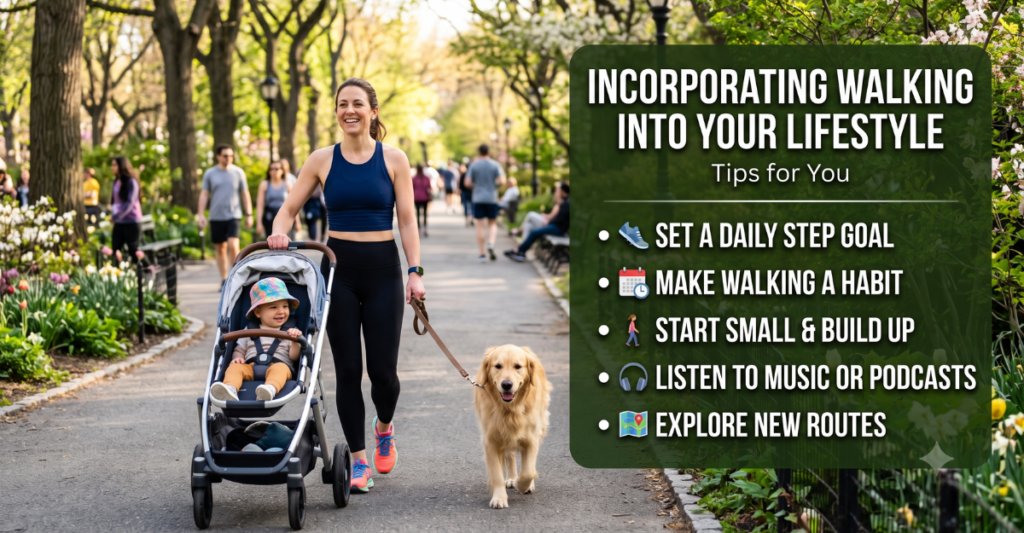
Incorporating walking into your lifestyle is one of the simplest yet most effective ways to improve your overall health and well-being. As a low-impact exercise, walking is accessible to people of all ages and fitness levels, making it an ideal activity for athletes, parents, and tradesmen alike. Whether you’re a seasoned runner looking to supplement your training or someone who’s just starting their fitness journey, walking can provide numerous benefits that extend far beyond physical health. By making walking a regular part of your routine, you’ll not only boost your cardiovascular fitness but also enhance your mental clarity, reduce stress, and increase your energy levels throughout the day.
Physical Health Benefits
When it comes to physical health, incorporating walking into your lifestyle can lead to significant improvements. Regular walking can help:
- Strengthen your heart and improve cardiovascular health
- Lower blood pressure and reduce the risk of heart disease
- Boost metabolism and aid in weight management
- Improve bone density and reduce the risk of osteoporosis
- Enhance balance and coordination, particularly important for older adults
By consistently incorporating walking into your daily routine, you’ll notice gradual improvements in your overall fitness level. This can be especially beneficial for athletes looking to maintain their conditioning during off-seasons or recovery periods.
Mental Health Benefits
The mental health benefits of incorporating walking into your lifestyle are equally impressive. Walking can:
- Reduce stress and anxiety
- Improve mood and alleviate symptoms of depression
- Boost cognitive function and creativity
- Enhance sleep quality
- Increase self-esteem and body image
For busy parents and tradesmen, taking a brisk walk during lunch breaks or after work can be an excellent way to clear your mind and reduce work-related stress.
Setting Realistic Goals for Incorporating Walking into Your Lifestyle
When it comes to incorporating walking into your lifestyle, setting realistic goals is crucial for long-term success. Start by assessing your current activity level and gradually increase your walking time and intensity. For beginners, aim to walk for 10-15 minutes a day, three to five times a week. As you build stamina and confidence, you can progressively increase your walking duration and frequency. A good target to work towards is 30 minutes of brisk walking five days a week, which aligns with the World Health Organization’s recommendations for physical activity.
Creating a Walking Schedule
To effectively incorporate walking into your lifestyle, consider creating a walking schedule that fits your daily routine. This might involve:
- Morning walks before work to energize you for the day ahead
- Lunchtime walks to break up your workday and refresh your mind
- Evening walks to unwind and de-stress after a long day
- Weekend walks with family or friends for social connection and enjoyment
Remember, consistency is key when incorporating walking into your lifestyle. By sticking to a regular schedule, you’ll find it easier to make walking a habit and reap the long-term benefits.
Incorporating Walking into Your Daily Routine
One of the beauties of walking is its versatility – it can be easily incorporated into various aspects of your daily life. For busy professionals, parents, and tradesmen, finding time for dedicated exercise can be challenging. However, by making small changes to your routine, you can significantly increase your daily step count without drastically altering your schedule. Here are some creative ways to incorporate more walking into your lifestyle:
- Take the stairs instead of the elevator whenever possible
- Park your car farther away from your destination
- Walk short distances instead of driving
- Use a standing or treadmill desk while working
- Walk during phone calls or virtual meetings
By consciously making these small changes, you’ll find yourself naturally incorporating walking into your lifestyle without feeling like you’re adding another task to your busy day.
Walking Meetings and Social Walks
For those looking to combine productivity with physical activity, consider incorporating walking meetings into your work routine. Not only does this allow you to get some exercise, but it can also boost creativity and problem-solving skills. Similarly, organizing social walks with friends, family, or colleagues can be an excellent way to stay connected while staying active. These group walks can serve as motivation and accountability, making it easier to stick to your walking goals.
Choosing the Right Gear for Your Walking Journey
While walking doesn’t require much equipment, having the right gear can make your experience more comfortable and enjoyable, encouraging you to stick with your new habit. When incorporating walking into your lifestyle, consider investing in:
Proper Footwear
Your shoes are the most crucial piece of equipment for walking. Look for shoes that provide good arch support, cushioning, and stability. If you’re planning on doing a lot of walking, consider visiting a specialty running store for a proper fitting. They can analyze your gait and recommend shoes that suit your specific needs.
Comfortable Clothing
Choose breathable, moisture-wicking fabrics that allow for easy movement. Layering is key, especially if you’re walking in varying weather conditions. Don’t forget to protect yourself from the sun with a hat or visor and sunglasses.
Tracking Devices
While not essential, fitness trackers or pedometers can be motivating tools when incorporating walking into your lifestyle. They allow you to set goals, track your progress, and celebrate your achievements. Many smartphones now have built-in step counters, making it easy to monitor your daily activity.
Overcoming Challenges in Incorporating Walking into Your Lifestyle
Even with the best intentions, you may encounter obstacles when trying to incorporate walking into your lifestyle. Here are some common challenges and strategies to overcome them:
Time Constraints
For busy parents and professionals, finding time for walks can be difficult. Try breaking your walks into shorter, more manageable chunks throughout the day. Even three 10-minute walks can provide significant health benefits. Additionally, multitasking by walking during phone calls or meetings can help you fit in more steps without sacrificing productivity.
Weather Concerns
Inclement weather can be a deterrent to outdoor walking. However, with the right gear, you can comfortably walk in various conditions. Invest in waterproof jackets and shoes for rainy days, and layer appropriately for cold weather. On extremely hot days, try walking early in the morning or later in the evening when temperatures are cooler. Alternatively, consider indoor options like walking on a treadmill or at a local mall.
Lack of Motivation
Staying motivated can be challenging, especially when you’re just starting to incorporate walking into your lifestyle. Try setting specific, achievable goals and tracking your progress. Reward yourself for reaching milestones, whether it’s treating yourself to a new pair of walking shoes or enjoying a favorite healthy snack after a long walk. Joining a walking group or finding a walking buddy can also provide accountability and make the activity more enjoyable.
Enhancing Your Walking Experience
As you become more comfortable with incorporating walking into your lifestyle, consider ways to enhance your walking experience and keep it interesting:
Vary Your Routes
Explore different neighborhoods, parks, or nature trails in your area. Changing your scenery can make your walks more engaging and provide mental stimulation. If you’re walking in an urban area, try creating themed walks, such as architectural tours or historical walks, to add an educational element to your exercise.
Incorporate Intervals
To boost the intensity of your walks and improve your cardiovascular fitness, try incorporating intervals into your routine. This could involve alternating between periods of brisk walking and more leisurely strolls, or adding short bursts of jogging if you’re up for it. Interval training can help you burn more calories and improve your overall fitness level more quickly.
Practice Mindfulness
Use your walking time as an opportunity to practice mindfulness and connect with your surroundings. Pay attention to the sights, sounds, and smells around you. This can help reduce stress and improve your mental well-being. You might even consider trying a guided walking meditation app to enhance this experience.
Incorporating Walking into Your Existing Fitness Routine
For athletes and fitness enthusiasts, incorporating walking into your lifestyle doesn’t mean replacing your existing workout routine. Instead, walking can complement your current activities and provide additional benefits:
Active Recovery
Use walking as a form of active recovery between more intense workouts. A gentle walk can help improve blood flow, reduce muscle soreness, and aid in recovery without putting additional stress on your body.
Cross-Training
Incorporate walking as a low-impact cross-training activity to balance out high-impact sports or exercises. This can help prevent overuse injuries and provide a mental break from your primary sport.
Warm-Up and Cool-Down
Start and end your workouts with a brisk walk to properly warm up your muscles and gradually bring your heart rate back down. This can improve your performance and reduce the risk of injury.
The Long-Term Impact of Incorporating Walking into Your Lifestyle
As you continue incorporating walking into your lifestyle, you’ll likely notice both immediate and long-term benefits. In the short term, you may experience improved mood, increased energy levels, and better sleep quality. Over time, consistent walking can lead to more significant health improvements, such as:
- Reduced risk of chronic diseases like type 2 diabetes and certain cancers
- Improved cardiovascular health and lower risk of heart disease
- Better weight management and metabolic health
- Stronger bones and muscles, reducing the risk of osteoporosis and falls in older adults
- Enhanced cognitive function and reduced risk of dementia
By making walking a regular part of your routine, you’re investing in your long-term health and well-being. Remember that consistency is key – even small amounts of walking done regularly can add up to significant health benefits over time.
Tracking Your Progress and Celebrating Milestones
As you embark on your journey of incorporating walking into your lifestyle, it’s important to track your progress and celebrate your achievements along the way. This not only helps you stay motivated but also allows you to see how far you’ve come. Consider using a fitness tracker, smartphone app, or even a simple journal to record your daily walks, including distance, time, and how you felt during and after each walk.
Set both short-term and long-term goals for yourself. These could be based on the number of steps you take each day, the distance you walk, or the frequency of your walks. As you reach these milestones, take time to acknowledge your accomplishments. Celebrate in ways that are meaningful to you – perhaps treat yourself to a new piece of walking gear, enjoy a relaxing massage, or share your success with friends and family.
Remember, the journey of incorporating walking into your lifestyle is personal and unique to you. What matters most is that you’re making consistent efforts to improve your health and well-being. Whether you’re walking around the block or tackling long hiking trails, every step counts towards a healthier, more active lifestyle.
Give us a call today at 1-877-777-6086 or fill out our contact form to become a retail
distributor of our top-of-the-line safety lights.