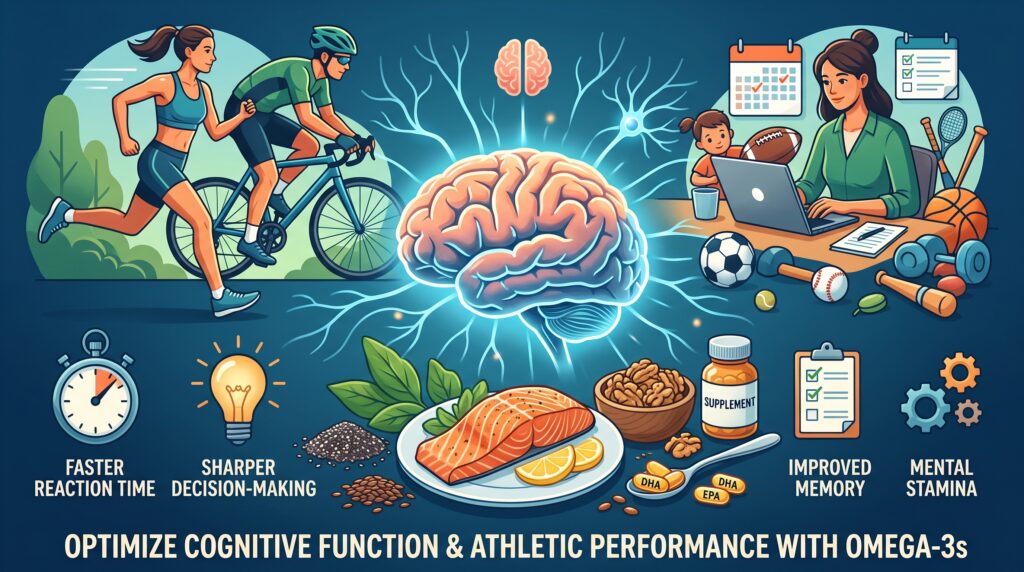
Your brain is arguably the most important organ in your body, orchestrating everything from your morning workout to helping you remember your kids’ soccer schedules. Yet many of us focus solely on physical fitness while neglecting the nutritional foundation our brains desperately need. That’s where omega-3 fatty acids for brain health come into play, offering a scientifically-backed approach to maintaining cognitive function, sharpening mental clarity, and potentially protecting against age-related decline.
Whether you’re a competitive athlete pushing your limits, a busy parent juggling multiple responsibilities, or someone working physically demanding jobs while trying to stay sharp, understanding how omega-3s support your brain can revolutionize your approach to overall wellness. These essential fats aren’t just another supplement trend—they’re fundamental building blocks your brain uses every single day.
Understanding Omega-3 Fatty Acids and Why Your Brain Needs Them
Let’s start with the basics: omega-3 fatty acids are essential polyunsaturated fats that your body cannot produce on its own. This means you absolutely must obtain them through diet or supplementation. The three primary types you’ll encounter are ALA (alpha-linolenic acid), EPA (eicosapentaenoic acid), and DHA (docosahexaenoic acid), each playing distinct yet complementary roles in your health.
Your brain is approximately 60% fat by dry weight, and DHA alone comprises about 40% of the polyunsaturated fatty acids in your brain. Think about that for a moment—nearly half of the specialized fats in your brain come from this single omega-3 type. Without adequate DHA, your brain cells struggle to maintain their structural integrity, communicate effectively, and perform the countless functions you depend on daily.
Omega-3 fatty acids for brain health work through multiple mechanisms simultaneously. They incorporate themselves into cell membranes, making them more fluid and flexible, which improves how neurons communicate with each other. They also reduce inflammation throughout your nervous system, support the growth of new brain cells, and enhance blood flow to brain tissue. For athletes, this translates to better reaction times, improved decision-making during competition, and faster recovery from the mental fatigue that accompanies intense training.
The Science Behind Omega-3s and Cognitive Performance
Research into omega-3 fatty acids for brain health has exploded over the past two decades, revealing compelling evidence for their cognitive benefits. Studies consistently show that people with higher omega-3 levels perform better on memory tests, maintain sharper focus, and experience slower cognitive decline as they age. For someone balancing demanding work schedules with family responsibilities and fitness goals, these advantages aren’t just academic—they’re practical life improvements.
One particularly fascinating study published in the journal Neurology found that older adults with higher omega-3 levels had larger brain volumes, equivalent to preserving one to two years of brain aging. Your brain naturally shrinks slightly as you age, but adequate omega-3 intake appears to slow this process. Imagine maintaining the mental sharpness you had years ago, simply by ensuring your diet includes these essential fats.
The anti-inflammatory properties of EPA and DHA deserve special attention here. Chronic inflammation has been identified as a key driver of cognitive decline, depression, and various neurodegenerative conditions. When you engage in intense physical activity—whether that’s training for a marathon, CrossFit sessions, or physically demanding work—your body generates inflammatory compounds. While acute inflammation is part of healthy adaptation, chronic inflammation becomes problematic. Omega-3 fatty acids for brain health help modulate this response, keeping inflammation at beneficial levels while preventing it from damaging delicate brain tissue.
Athletes and active individuals also benefit from omega-3s’ impact on neurotransmitter function. These fats support healthy levels of dopamine and serotonin, brain chemicals critical for motivation, mood regulation, and the mental drive needed to push through challenging workouts. If you’ve ever struggled with training motivation or felt mentally exhausted despite adequate sleep, insufficient omega-3 intake might be contributing to the problem.
Direct Benefits for Athletes and Active Individuals
If you’re serious about your athletic performance, omega-3 fatty acids for brain health offer advantages that extend far beyond general cognitive function. Your brain controls every movement, coordinates complex motor patterns, and determines how effectively you respond to competition stress. Optimizing its nutritional foundation directly impacts your athletic outcomes.
Reaction time and decision-making represent crucial advantages for many sports and activities. Whether you’re navigating trail obstacles during a run, timing your sprint in a cycling race, or making split-second decisions in team sports, faster neural processing gives you a competitive edge. Research indicates that omega-3 supplementation can improve reaction time in athletes, potentially shaving precious milliseconds off your responses when they matter most.
Mental endurance during prolonged exercise is another area where omega-3s shine. Long-distance runners, cyclists, and triathletes all experience mental fatigue as their events progress. This isn’t just physical tiredness—it’s your brain’s diminished capacity to maintain focus, tolerate discomfort, and execute proper form. Studies suggest that adequate omega-3 levels support sustained cognitive function during extended physical efforts, helping you maintain your mental game when competitors are fading.
Recovery and neuroplasticity matter tremendously if you’re constantly learning new skills or movement patterns. Your brain rewires itself in response to training, creating new neural pathways and strengthening existing ones. This process, called neuroplasticity, depends heavily on DHA availability. Whether you’re mastering a new lifting technique, improving your running form, or learning a sport later in life, omega-3 fatty acids for brain health provide the raw materials your brain needs for optimal adaptation.
The mood and motivation benefits cannot be overstated either. Consistent training requires mental resilience, especially when juggling it with work and family obligations. Multiple studies have found that omega-3 supplementation supports positive mood and may help prevent exercise-related mood disturbances. For busy parents trying to maintain fitness routines amid chaotic schedules, this emotional support can mean the difference between consistency and giving up.
Omega-3s for Busy Parents: Supporting Your Brain and Your Children’s Development
As a parent, you’re not just responsible for your own health—you’re setting examples and making nutritional decisions that affect your children’s development. Omega-3 fatty acids for brain health are particularly crucial during childhood and adolescence when brains are still developing. Understanding this connection empowers you to make informed choices for your entire family.
Children’s brains grow rapidly, creating trillions of neural connections throughout childhood and adolescence. DHA is essential for this process, supporting everything from vision development to learning capacity to emotional regulation. Kids who get adequate omega-3s tend to perform better academically, show improved behavior, and experience fewer attention-related issues. For parents concerned about their children’s school performance or focus challenges, ensuring adequate omega-3 intake represents a foundational nutritional intervention.
Your own cognitive health as a parent directly impacts your family’s wellbeing too. When you’re mentally sharp, you make better decisions about meals, activities, and schedules. You have the patience and emotional bandwidth to handle the inevitable chaos of family life. You model healthy behaviors your children will carry into adulthood. Omega-3 fatty acids for brain health support all of these capacities, helping you be the parent you want to be even when exhausted.
Pregnancy and breastfeeding create especially high omega-3 demands. A developing fetus essentially “borrows” DHA from maternal stores to build its own brain and nervous system. If you’re pregnant or planning to be, adequate omega-3 intake isn’t optional—it’s essential for your baby’s optimal development. Research consistently shows that mothers with higher omega-3 levels during pregnancy have children with better cognitive outcomes, and these benefits can persist into adolescence.
Food Sources: Getting Omega-3s Through Your Diet
While supplements have their place, obtaining omega-3 fatty acids for brain health through whole food sources offers additional nutrients and benefits. Understanding which foods provide these essential fats allows you to build a brain-healthy eating pattern that supports your fitness goals and satisfies your taste preferences.
Fatty fish reign supreme as omega-3 sources, providing substantial amounts of EPA and DHA in highly bioavailable forms. Salmon, mackerel, sardines, herring, and anchovies all deliver impressive omega-3 content. A four-ounce serving of wild salmon contains approximately 2,000-2,500 milligrams of combined EPA and DHA—enough to meet or exceed most expert recommendations for daily intake. If you’re training hard, aim for fatty fish at least two to three times weekly.
The practical advantages of fatty fish extend beyond omega-3 content. These foods also provide high-quality protein essential for muscle recovery, vitamin D for bone health and immune function, selenium for antioxidant protection, and B vitamins for energy metabolism. You’re essentially getting a complete recovery meal in one food. For busy schedules, canned sardines or salmon offer convenience without sacrificing nutritional value—just drain and add to salads, whole grain crackers, or eat straight from the can.
Plant-based sources provide ALA, which your body can convert to EPA and DHA, though this conversion is limited and inefficient. Flaxseeds, chia seeds, hemp seeds, and walnuts all contain ALA and contribute to overall omega-3 intake. While these foods shouldn’t be your sole omega-3 source, they offer valuable nutrients including fiber, minerals, and antioxidants that support overall health. Ground flaxseed can be easily added to smoothies, oatmeal, or yogurt, giving you a nutritional boost without changing your meal’s taste significantly.
Omega-3 enriched foods have become increasingly available, including eggs from chickens fed omega-3-rich diets, grass-fed beef, and fortified dairy products. While these foods generally contain less omega-3 than fatty fish, they contribute to overall intake, especially if you eat them regularly. Grass-fed beef contains more omega-3s than conventional beef while also offering a better ratio of omega-6 to omega-3 fatty acids, which matters for managing inflammation.
For those following vegetarian or vegan diets, algae-based omega-3 supplements provide EPA and DHA without fish. Marine algae actually produce the omega-3s that accumulate in fish, so algae supplements offer a direct plant-based source. This option ensures vegetarians and vegans can obtain adequate DHA for brain health without compromising their dietary principles.
Supplementation: When and How to Use Omega-3 Supplements
Despite your best dietary efforts, achieving optimal omega-3 fatty acids for brain health through food alone can be challenging, especially if you dislike fish or follow dietary restrictions. High-quality supplements offer a practical solution, delivering concentrated omega-3s in convenient forms. Understanding how to choose and use these supplements maximizes their benefits while avoiding common pitfalls.
Choosing the right supplement requires attention to several factors. Look for products specifying their EPA and DHA content rather than just total omega-3s or fish oil content. You want at least 500 milligrams of combined EPA and DHA per serving, though many experts recommend 1,000-2,000 milligrams daily for optimal brain health and athletic performance. The ratio of EPA to DHA matters less than total amounts of each, though some evidence suggests higher DHA may be preferable specifically for cognitive benefits.
Quality and purity represent critical considerations you cannot ignore. Fish naturally accumulate environmental contaminants including mercury, PCBs, and dioxins. Reputable supplement manufacturers use molecular distillation or other purification methods to remove these toxins while concentrating beneficial omega-3s. Look for third-party testing certifications from organizations like USP, NSF International, or IFOS (International Fish Oil Standards), which verify purity and potency. Spending a bit more on quality supplements protects you from contamination while ensuring you actually get the omega-3 content listed on the label.
Form and absorption vary between supplement types. Triglyceride form omega-3s most closely resemble natural fish oil and generally absorb better than ethyl ester forms, though this difference may be less significant when taken with meals containing fat. Phospholipid forms, such as krill oil, may offer enhanced absorption and additional benefits from astaxanthin, a powerful antioxidant. Some people find krill oil causes less fishy burping than traditional fish oil, though it typically costs more and requires more capsules to achieve equivalent EPA and DHA doses.
Timing and dosage can influence how well omega-3 supplements support your brain health and athletic performance. Taking omega-3s with meals containing some dietary fat enhances absorption—your body digests and absorbs these fats alongside other dietary fats. Splitting your dose between two meals may improve tolerance if large single doses cause digestive discomfort. For brain health specifically, consistency matters more than timing; your brain’s omega-3 levels change gradually over weeks and months, not hours.
Athletes with high inflammatory loads from intense training might benefit from higher omega-3 doses, potentially 2,000-3,000 milligrams of EPA and DHA daily. Research on athletes has used these higher doses to demonstrate anti-inflammatory effects, reduced muscle soreness, and improved recovery. However, start with standard doses and increase gradually while monitoring how you feel. Some people experience mild blood thinning at very high omega-3 doses, which could be problematic if you’re taking certain medications or have bleeding disorders.
Balancing Omega-6 and Omega-3 Fatty Acids
Understanding omega-3 fatty acids for brain health requires recognizing their relationship with omega-6 fatty acids, another essential fat family abundant in modern diets. The balance between these two fatty acid types significantly impacts inflammation, brain function, and overall health. Unfortunately, typical Western diets provide ratios heavily skewed toward omega-6s, creating a pro-inflammatory environment that works against your health goals.
Historically, humans consumed omega-6 to omega-3 ratios around 4:1 or even 1:1. Today, typical ratios range from 15:1 to 20:1 or higher, primarily due to widespread use of vegetable oils high in omega-6s and reduced consumption of omega-3-rich foods. This dramatic shift has occurred alongside rising rates of inflammatory conditions, mood disorders, and cognitive decline—correlations that research increasingly suggests are causal relationships.
Omega-6 fatty acids aren’t inherently bad; your body needs them for various functions including cell structure, energy production, and certain inflammatory responses. However, excessive omega-6 intake promotes chronic low-grade inflammation throughout your body, including your brain. This inflammation interferes with the very benefits you’re seeking from omega-3 fatty acids for brain health, essentially working against your omega-3 intake.
Practical strategies for improving your omega-6 to omega-3 ratio involve both increasing omega-3 intake and reducing excessive omega-6 consumption. Common vegetable oils including corn, soybean, sunflower, and safflower oils contain very high omega-6 levels and appear frequently in processed foods, restaurant meals, and many home kitchens. Switching to olive oil for most cooking and salad dressings significantly reduces omega-6 intake while providing beneficial monounsaturated fats and antioxidants.
Reading ingredient labels becomes crucial when you understand this balance. Processed snacks, baked goods, and convenience foods typically contain omega-6-rich oils as inexpensive ingredients. While you don’t need to eliminate these foods entirely, being mindful of their contribution to your overall omega-6 intake helps you make better choices. When you do consume processed foods, balance them with omega-3-rich meals and snacks throughout your day.
For athletes and active individuals, this balance takes on additional importance. Exercise generates inflammatory compounds as part of the training stimulus and adaptation process. When your baseline inflammation is already elevated from poor omega-6 to omega-3 ratios, you’re starting from a disadvantaged position. Improving this ratio through increased omega-3 intake and reduced omega-6 consumption can enhance recovery, reduce soreness, and potentially improve your body’s adaptation to training stress.
Recognizing Signs of Omega-3 Deficiency
Many people unknowingly suffer from insufficient omega-3 fatty acids for brain health, experiencing subtle symptoms they might attribute to aging, stress, or training demands. Learning to recognize potential deficiency signs empowers you to address nutritional gaps before they significantly impact your cognitive function and overall wellbeing.
Cognitive symptoms often appear first and include difficulty concentrating, mental fogginess, forgetfulness, and reduced ability to learn new information. If you find yourself reading the same paragraph repeatedly, forgetting why you walked into a room, or struggling to maintain focus during work or workouts, inadequate omega-3 levels might be contributing. These symptoms can be especially frustrating for athletes who need sharp mental focus for optimal performance and for parents who must juggle countless details and decisions daily.
Mood-related signs frequently accompany omega-3 deficiency. Low mood, irritability, increased anxiety, and lack of motivation all correlate with insufficient omega-3 intake. Your brain uses EPA particularly for mood regulation, and DHA for structural support of neurons involved in emotional processing. If you notice you’re more easily frustrated with your kids, less enthusiastic about workouts you usually enjoy, or generally feeling more negative, examining your omega-3 intake makes sense before concluding you’re simply stressed or burned out.
Physical indicators can include dry or flaky skin, brittle nails, dry eyes, and excessive thirst despite adequate hydration. Since omega-3s support cell membrane structure throughout your body, deficiency affects skin and other rapidly-renewing tissues. Athletes might also notice prolonged muscle soreness, more frequent injuries, or slower recovery between workouts—all potentially related to the inflammatory imbalance that omega-3 deficiency creates.
Sleep disturbances represent another possible deficiency sign that’s particularly relevant for active individuals. DHA supports melatonin production, the hormone regulating your sleep-wake cycle. People with low DHA levels often experience difficulty falling asleep, frequent nighttime waking, or poor sleep quality despite adequate sleep duration. Since sleep is when your body repairs muscles, consolidates learning, and performs countless recovery processes, inadequate omega-3-related sleep disruption can seriously undermine your fitness progress.
If you recognize multiple deficiency signs, consider increasing your intake of omega-3-rich foods or starting supplementation. Most people notice improvements within two to three months as their body’s omega-3 levels gradually increase. Track changes in your energy, mood, focus, and recovery to assess whether increased omega-3 intake benefits you personally. Everyone’s needs vary somewhat based on genetics, activity levels, dietary patterns, and health status.
Omega-3s Across Your Lifespan: Age-Specific Considerations
Your need for omega-3 fatty acids for brain health evolves throughout life, though these essential fats remain important from before birth through old age. Understanding age-specific considerations helps you optimize intake for your current life stage while planning for long-term cognitive health.
Young adults and athletes in their 20s and 30s often prioritize physical performance over long-term health considerations. However, this life stage is ideal for establishing nutritional habits that protect cognitive function decades later. Your brain reaches peak performance during these years, and adequate omega-3 intake supports the mental sharpness, learning capacity, and emotional resilience you need for career development, relationship building, and athletic achievements. If you’re planning a family, establishing good omega-3 habits now prepares you for pregnancy’s increased demands.
Middle age from 35 to 55 brings competing demands of career peaks, active parenting, aging parent care, and maintaining physical fitness despite natural metabolic changes. This is also when early signs of cognitive aging may emerge, though they’re often so subtle you might not notice. Omega-3 fatty acids for brain health become increasingly important during this period, potentially slowing age-related cognitive changes and supporting the mental performance your complex life requires. Research suggests that omega-3 intervention during middle age may offer the most significant protection against later cognitive decline.
For those in this age range who are serious about fitness, omega-3s help manage the inflammatory burden of consistent training while supporting recovery that naturally slows with age. You might not bounce back from hard workouts quite as quickly as you did at 25, but adequate omega-3 intake helps minimize this age-related decline. The mood and motivation support becomes especially valuable when balancing training with professional and family obligations that can drain your mental resources.
Older adults beyond 55 face the most significant risk of cognitive decline, making omega-3 fatty acids for brain health particularly crucial during these years. Brain volume naturally decreases with age, neural connections weaken, and inflammatory processes increase—all changes that adequate omega-3 intake appears to slow. Multiple studies have found that older adults with higher omega-3 levels maintain better cognitive function, experience slower mental decline, and may have reduced risk of dementia compared to those with low levels.
Give us a call today at 1-877-777-6086 or fill out our contact form to become a retail distributor of our top-of-the-line safety lights.