Your morning run isn’t complete without your furry companion by your side, matching your stride with enthusiastic tail wags and boundless energy. As fitness-conscious parents and athletes, we understand the importance of maintaining an active lifestyle, and naturally, we want our pets to share in these healthy habits. However, just like human athletes, our four-legged workout partners are susceptible to injuries that can sideline them from their favorite activities and diminish their quality of life.
Understanding Your Pet’s Physical Capabilities and Limitations
Before you lace up your running shoes and grab that leash, it’s crucial to recognize that your pet’s athletic abilities differ significantly from your own. Dogs and cats have evolved with specific physical characteristics that make them excel at certain activities while struggling with others. Your German Shepherd might be built for endurance running, while your Bulldog’s compact respiratory system makes extended cardio sessions potentially dangerous.
Age plays a monumental role in determining how much exercise your pet can safely handle. Puppies possess seemingly unlimited energy, but their developing joints and bones aren’t ready for the repetitive impact of long-distance running or aggressive jumping activities. Senior pets face the opposite challenge—their enthusiasm might write checks their aging bodies simply can’t cash. You’ll need to adjust exercise intensity and duration based on where your pet falls in their life stage, just as you’d modify workouts for your growing children or aging parents.
Breed-specific considerations cannot be overlooked when preventing pet injuries during outdoor exercise. Brachycephalic breeds like Pugs and Persian cats struggle with temperature regulation and respiratory efficiency, making them poor candidates for intense summer workouts. Conversely, high-energy working breeds like Border Collies and Australian Shepherds require substantial physical and mental stimulation to remain healthy and well-behaved. Understanding these genetic predispositions helps you design an exercise program that enhances your pet’s wellbeing rather than compromising it.
Common Exercise-Related Injuries in Active Pets
The most frequently encountered injury among athletic dogs is the cranial cruciate ligament tear, which functions similarly to the ACL in human athletes. This devastating injury often results from sudden direction changes during fetch games, frisbee catching, or agility training. You might notice your dog suddenly limping, holding one rear leg up, or showing reluctance to put weight on the affected limb. The recovery process can be lengthy and expensive, requiring surgical intervention in many cases and months of rehabilitation.
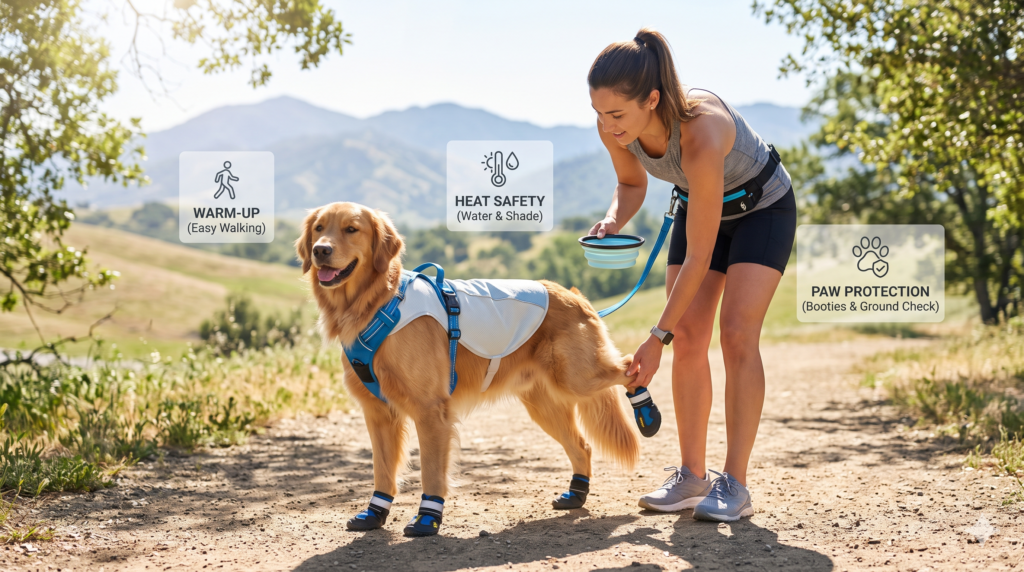
Paw pad injuries represent another common setback for active pets, particularly during summer months when pavement temperatures soar to dangerous levels. The tender pads on your dog’s feet can sustain burns, cuts, and abrasions from hot surfaces, rough terrain, or hidden debris on trails and sidewalks. A simple rule of thumb: if the pavement is too hot for your bare hand for seven seconds, it’s too hot for your dog’s paws. These injuries not only cause immediate pain but can also lead to infections if not properly treated and protected during the healing process.
Muscle strains and sprains plague active pets just as they do human athletes who push too hard without adequate preparation. Your dog might pull a muscle during an enthusiastic sprint after a squirrel or strain a ligament while navigating rough terrain on your hiking adventure. These soft tissue injuries manifest through limping, stiffness, swelling, and reluctance to move or play. While less severe than ligament tears or fractures, they still require rest and proper recovery time to prevent chronic problems from developing.
Heat-related illnesses deserve special attention because they can rapidly progress from mild distress to life-threatening emergencies. Dogs regulate body temperature primarily through panting, which becomes increasingly inefficient as humidity rises and temperatures climb. Heatstroke symptoms include excessive panting, drooling, lethargy, vomiting, and collapse—recognizing these warning signs early can literally save your pet’s life. Unlike humans who can shed layers and find shade independently, pets rely entirely on your judgment to keep them safe during outdoor activities.
Pre-Exercise Preparation and Warm-Up Strategies
Just as you wouldn’t sprint out the door for an intense interval session without some preparation, your pet needs time to transition from rest to vigorous activity. A proper warm-up increases blood flow to muscles, elevates core body temperature, and mentally prepares your animal for the physical demands ahead. Start with five to ten minutes of easy walking, allowing your dog to sniff around and naturally loosen up their muscles before increasing intensity. This gradual approach significantly reduces the risk of pulls, strains, and other soft tissue injuries that commonly occur when muscles are cold and stiff.
Veterinary check-ups serve as the foundation for any safe exercise program, functioning like the sports physical your kids need before joining the track team. Your veterinarian can identify underlying health conditions that might make certain activities risky—heart murmurs, joint problems, or respiratory issues that aren’t obvious during everyday activities. Schedule annual wellness exams for young pets and semi-annual visits for senior animals to catch potential problems before they become exercise-limiting injuries. These preventive appointments cost far less than emergency treatment for preventable conditions.
Nutrition and hydration status directly impact your pet’s ability to exercise safely and recover effectively. Exercising on a full stomach increases the risk of gastric dilatation-volvulus (bloat), a life-threatening emergency particularly common in large, deep-chested breeds. Feed your dog at least two hours before vigorous exercise, and avoid heavy meals immediately afterward. Hydration requires equal attention—bring collapsible water bowls and fresh water on longer outings, offering drinks every 15-20 minutes during hot weather or intense activity.
Selecting Appropriate Exercise Activities and Intensity Levels
Not all exercise is created equal when it comes to preventing pet injuries during outdoor exercise, and choosing the right activities for your specific pet makes all the difference. Swimming provides exceptional cardiovascular conditioning while minimizing joint stress, making it ideal for overweight pets, seniors with arthritis, or animals recovering from injuries. The natural resistance of water builds muscle strength without the repetitive impact that running and jumping impose on joints and connective tissues.
Hiking offers variable intensity that you can adjust based on your pet’s fitness level and the terrain’s difficulty. Start with flat, well-maintained trails before progressing to routes with elevation changes and challenging surfaces. The changing terrain engages different muscle groups and provides mental stimulation that treadmill walking or neighborhood loops simply can’t match. However, be realistic about distance—a good starting point is one mile for every twenty pounds your dog weighs, adjusted for age, breed, and individual fitness level.
Agility training and organized sports like flyball provide structured exercise that builds strength, coordination, and confidence. These activities offer an excellent outlet for high-energy breeds while strengthening the bond between you and your pet. However, the explosive movements and sharp turns inherent in these sports demand proper conditioning and technique training to prevent injuries. Work with certified trainers who emphasize gradual skill progression rather than pushing for competition-ready performance too quickly.
Running with your dog can be tremendously rewarding, but it requires careful consideration of breed suitability, training progression, and environmental conditions. Start with run-walk intervals, gradually building your pet’s endurance over several months just as you would train for a marathon yourself. Some breeds naturally excel as running partners—Vizslas, Weimaraners, and Siberian Huskies—while others like Basset Hounds and most toy breeds simply aren’t built for distance running. Pay attention to your dog’s gait and breathing; if they’re struggling to keep up or showing signs of distress, slow down or switch to walking.
Environmental Hazards and Safety Considerations
Weather conditions dramatically affect your pet’s exercise safety, requiring you to adjust plans based on temperature, humidity, and seasonal hazards. Summer heat poses obvious dangers, but cold weather brings its own risks including frostbite, hypothermia, and injuries from ice and snow. When temperatures drop below 20°F, limit outdoor exercise duration and consider protective booties for your dog’s paws. Wind chill makes cold temperatures even more dangerous, particularly for short-haired breeds, small dogs, and senior pets with compromised circulation.
Terrain assessment prevents many common injuries that occur when pets encounter unexpected hazards on trails, parks, or unfamiliar routes. Sharp rocks, broken glass, thorns, and burrs can lacerate paw pads, while uneven ground and hidden holes create opportunities for sprains and fractures. Survey the area before letting your dog run freely, and keep them leashed in unfamiliar territory until you’ve confirmed the environment is safe. After outdoor adventures, always inspect your pet’s paws, coat, and skin for injuries, embedded foreign objects, or signs of irritation.
Wildlife encounters represent another significant concern when exercising pets outdoors, ranging from minor annoyances to life-threatening emergencies. Curious dogs might disturb bee nests, tangle with porcupines, or confront venomous snakes—all scenarios requiring immediate veterinary attention. In some regions, predators like coyotes, mountain lions, or alligators pose real threats to pets, particularly small animals or those exercising during dawn and dusk hours. Stay alert, keep your pet close, and familiarize yourself with local wildlife to make informed decisions about where and when to exercise safely.
Recognizing Early Warning Signs of Injury or Overexertion
Your pet’s subtle behavioral changes often signal problems long before obvious symptoms appear, making early recognition crucial for preventing minor issues from becoming serious injuries. Limping represents the most apparent sign, but you should also watch for reluctance to climb stairs, difficulty rising from rest, or decreased enthusiasm for activities they normally love. Changes in gait—such as bunny-hopping, favoring one side, or shortened stride length—indicate discomfort that deserves veterinary evaluation before continuing regular exercise routines.
Excessive panting and drooling beyond what’s normal for your individual pet suggests overheating or cardiovascular distress. You know your dog’s typical breathing patterns after various activity levels, so trust your instincts when something seems off. Dark red or purple gums, glazed eyes, and thick, ropy saliva indicate severe overheating requiring immediate cooling measures and emergency veterinary care. Don’t wait for collapse or seizures—by the time these critical symptoms appear, the situation has become life-threatening.
Behavioral changes following exercise provide important clues about your pet’s physical condition. Unusual restlessness, inability to get comfortable, or reluctance to be touched in specific areas may indicate pain or injury. Conversely, excessive lethargy lasting beyond normal post-exercise recovery time warrants attention. Your typically food-motivated dog refusing meals after exercise suggests nausea or discomfort that requires investigation. These subtle signs help you intervene early, potentially preventing permanent damage or chronic conditions.
Recovery and Rest: The Often-Overlooked Components
Rest days are not optional luxuries but essential components of any effective training program for pets and humans alike. Your dog’s muscles, tendons, and ligaments need time to repair microscopic damage from exercise, rebuild stronger, and replenish energy stores. Pushing through without adequate recovery leads to overtraining syndrome, characterized by declining performance, increased injury risk, and behavioral changes including irritability or depression. A good rule: for every two days of moderate exercise, include one day of lighter activity or complete rest.
Post-exercise care accelerates recovery and identifies problems before they worsen. After vigorous activity, take ten minutes for a cool-down walk, allowing your pet’s heart rate and body temperature to gradually return to baseline. Inspect their entire body—paws, legs, abdomen, ears—for injuries, ticks, or embedded debris. For athletic dogs engaging in intense activities, consider gentle stretching exercises or massage techniques that promote circulation and reduce muscle soreness, similar to the recovery routines you employ after your own challenging workouts.
Sleep quality and quantity directly impact recovery, yet many pet owners underestimate their importance. Adult dogs require 12-14 hours of sleep daily, while puppies need even more. Create a comfortable, quiet resting space where your pet can sleep undisturbed after exercise sessions. Adequate rest allows the body to produce growth hormone, repair tissues, and consolidate the physical adaptations that make exercise beneficial. Disrupted sleep patterns or inadequate rest sabotage your pet’s conditioning progress and increase injury vulnerability.
Conditioning Programs and Progressive Overload Principles
Building your pet’s fitness follows the same fundamental principles that govern human athletic training: progressive overload applied systematically over time. Start conservatively, particularly with previously sedentary pets or those returning from injury. The 10% rule applies: increase exercise duration, distance, or intensity by no more than 10% per week. This gradual progression allows cardiovascular systems, muscles, and connective tissues to adapt without overwhelming the body’s recovery capacity. Rushing this process invites overuse injuries that sideline your pet for weeks or months.
Cross-training prevents repetitive stress injuries while maintaining overall fitness and keeping your pet mentally engaged. Alternate between different activities throughout the week—perhaps running on Monday, swimming on Wednesday, and hiking on Saturday. This variety distributes physical demands across different muscle groups and movement patterns, reducing the cumulative stress that leads to overuse injuries. The mental stimulation from varied activities also prevents boredom, particularly important for intelligent working breeds prone to destructive behavior when under-stimulated.
Strength and flexibility work complement cardiovascular exercise, creating balanced fitness that better protects against injuries. Core strengthening exercises improve stability and reduce back problems common in long-bodied breeds like Dachshunds and Corgis. Balance work using wobble boards or exercise peanuts enhances proprioception, helping prevent falls and missteps that cause sprains. Gentle stretching after exercise maintains range of motion, particularly beneficial for senior pets developing arthritis. These supplementary activities need not be complicated—simple exercises performed consistently yield significant protective benefits.
Equipment Considerations for Safe Pet Exercise
Proper equipment plays a vital role in preventing pet injuries during outdoor exercise, starting with the fundamental choice between collars and harnesses. Traditional collars concentrate force on the delicate structures of the neck and throat, potentially causing tracheal damage, especially in small breeds or dogs that pull. Harnesses distribute pressure across the chest and shoulders, providing better control while minimizing injury risk. Front-clip harnesses discourage pulling without the choking effect of traditional collars, making them ideal for training and safety.
Leash selection impacts control, communication, and injury prevention during outdoor activities. Retractable leashes seem convenient but offer minimal control in emergencies and can cause rope burns, entanglement injuries, or even amputation if the thin cord wraps around limbs. Standard six-foot leashes provide better control while still allowing reasonable freedom for sniffing and exploring. For reliable dogs in appropriate settings, long lines (15-30 feet) offer more freedom while maintaining the ability to intervene if needed. Match leash length and type to your specific activity, environment, and your pet’s training level.
Protective gear addresses specific hazards your pet might encounter during outdoor exercise. Booties protect paws from hot pavement, ice, salt, and rough terrain, though they require gradual acclimation for acceptance. Reflective vests or LED collars enhance visibility during early morning or evening exercise, crucial for safety when exercising near traffic. Cooling vests help regulate body temperature for brachycephalic breeds or during hot weather activities. Life jackets provide essential safety for water activities, even for breeds considered natural swimmers, because fatigue and currents can overwhelm any dog.
Breed-Specific Exercise Guidelines and Injury Prevention
Working and sporting breeds including Border Collies, German Shorthaired Pointers, and Australian Shepherds were developed for stamina and athleticism, requiring substantial daily exercise to remain physically and mentally healthy. These dogs excel at running, hiking, and dog sports, but their high drive sometimes pushes them beyond safe limits. Your responsibility involves managing their intensity and ensuring adequate rest despite their apparent willingness to continue. Without sufficient exercise, these breeds develop behavioral problems and obesity that create their own health risks.
Brachycephalic breeds face unique challenges due to their compressed facial structure, which compromises respiratory efficiency. Bulldogs, Pugs, Boston Terriers, and similar breeds overheat quickly and struggle with sustained cardiovascular exercise. Short, frequent walks during cooler parts of the day suit these breeds better than longer excursions. Swimming in cool water provides excellent low-impact exercise without the overheating risk of land-based activities. Watch carefully for labored breathing, excessive panting, or blue-tinged gums indicating respiratory distress requiring immediate attention.
Giant breeds like Great Danes, Mastiffs, and Saint Bernards mature slowly, with growth plates remaining open longer than smaller dogs. Vigorous exercise during this extended development period damages growing bones and joints, potentially causing permanent structural problems. Limit jumping, rough play, and repetitive impact activities until these large-breed dogs reach full skeletal maturity around 18-24 months. Moderate walking and swimming provide safer alternatives during this vulnerable growth phase. Even in adulthood, giant breeds face increased risks of joint problems and bloat, requiring careful exercise management throughout their lives.
Small and toy breeds possess limited endurance despite their often-feisty personalities. Chihuahuas, Yorkshire Terriers, and similar tiny dogs tire quickly and struggle with temperature regulation due to their high surface-area-to-volume ratio. Short walks and indoor play sessions often satisfy their exercise needs adequately. Be particularly cautious about off-leash activities in areas where predatory birds might view small pets as prey. Despite their size, these little athletes still benefit from regular exercise appropriately scaled to their capabilities.
Incorporating Your Pet Into Your Family’s Fitness Routine
Family fitness activities that include pets create accountability, strengthen bonds, and model healthy behaviors for your children. Your kids learn responsibility by helping care for and exercise the family dog, while simultaneously developing their own fitness habits. Morning walks before school, after-dinner bike rides with your dog trotting alongside, or weekend hiking adventures become cherished family traditions that promote both human and animal health. These shared activities create positive associations with exercise that benefit everyone long-term.
Training your pet to exercise alongside your kids requires teaching both parties appropriate boundaries and behavior. Younger children need supervision to prevent accidental injuries caused by sudden movements, while dogs require training to remain calm around energetic youngsters. Teach children to recognize signs of fatigue or distress in pets, developing empathy and observational skills. Make exercise a game rather than a chore—scavenger hunts during walks, obstacle courses in the backyard, or fetch sessions that get everyone moving. These creative approaches maintain engagement for both kids and pets while accumulating significant daily activity.
Balancing multiple schedules while ensuring your pet receives adequate exercise challenges busy families, but strategic planning makes it manageable. Designate specific family members responsible for morning walks, afternoon play sessions, and evening bathroom breaks, rotating duties to distribute the workload fairly. Use exercise as transition time between activities—walking the dog between arriving home and starting dinner, or taking a family stroll after homework completion. Smart home devices and automatic feeders help maintain consistency when schedules conflict, though nothing replaces the bonding and supervision of personally-delivered exercise.
Rehabilitation and Return to Exercise After Injury
When injuries occur despite your best preventive efforts, proper rehabilitation determines whether your pet returns to full function or develops chronic limitations. Veterinary guidance is essential—never attempt to diagnose or treat suspected injuries without professional evaluation. Radiographs, ultrasounds, or other diagnostic imaging may be necessary to assess damage severity and develop appropriate treatment plans. Some injuries respond well to conservative management with rest and anti-inflammatory medications, while others require surgical intervention for optimal outcomes.
Physical rehabilitation for pets has evolved dramatically, now incorporating many techniques used in human sports medicine. Certified canine rehabilitation practitioners employ modalities including therapeutic ultrasound, laser therapy, underwater treadmills, and targeted exercise programs. These interventions accelerate healing, maintain muscle mass during recovery, and restore normal movement patterns. Post-surgical rehabilitation significantly improves outcomes for orthopedic injuries, reducing recovery time and preventing compensatory problems in other limbs.
Gradual return to full exercise prevents re-injury and setbacks that extend recovery unnecessarily. Follow veterinary recommendations precisely regarding rest duration and activity restrictions—cutting confinement short because your pet seems better risks undoing healing progress. When cleared to resume activity, start at 25% of pre-injury levels and slowly rebuild over several weeks. Monitor closely for signs of pain, limping, or reluctance, immediately scaling back if problems recur. Patience during this phase pays dividends through complete recovery rather than chronic problems requiring lifetime management.
Long-Term Health Monitoring and Maintenance
Regular body condition assessments help you maintain optimal weight, one of the most important factors in preventing pet injuries during outdoor exercise. Overweight pets suffer increased stress on joints, higher injury rates, and reduced exercise capacity. Learn to evaluate your pet’s body condition score—you should feel ribs easily without excess fat covering, observe a visible waist when viewed from above, and see an abdominal tuck when viewed from the side. Adjust food portions and exercise accordingly to maintain ideal body condition throughout your pet’s life stages.
Joint health supplements and preventive medications can reduce injury risk and support active lifestyles, particularly for large breeds, athletic dogs, and senior pets. Glucosamine, chondroitin, and omega-3 fatty acids support cartilage health and reduce inflammation. Some veterinarians recommend starting these supplements early in life for at-risk breeds rather than waiting until problems develop. Prescription joint protective medications are available for pets with diagnosed arthritis or degenerative joint disease, helping them remain comfortably active longer.
Maintaining detailed exercise and health records helps you identify patterns, track progress, and communicate effectively with veterinary professionals. Note activities, duration, intensity, and any concerns or observations after each exercise session. Document baseline measurements like resting heart rate, weight, and body condition score, monitoring trends over time. When problems arise, this information helps.