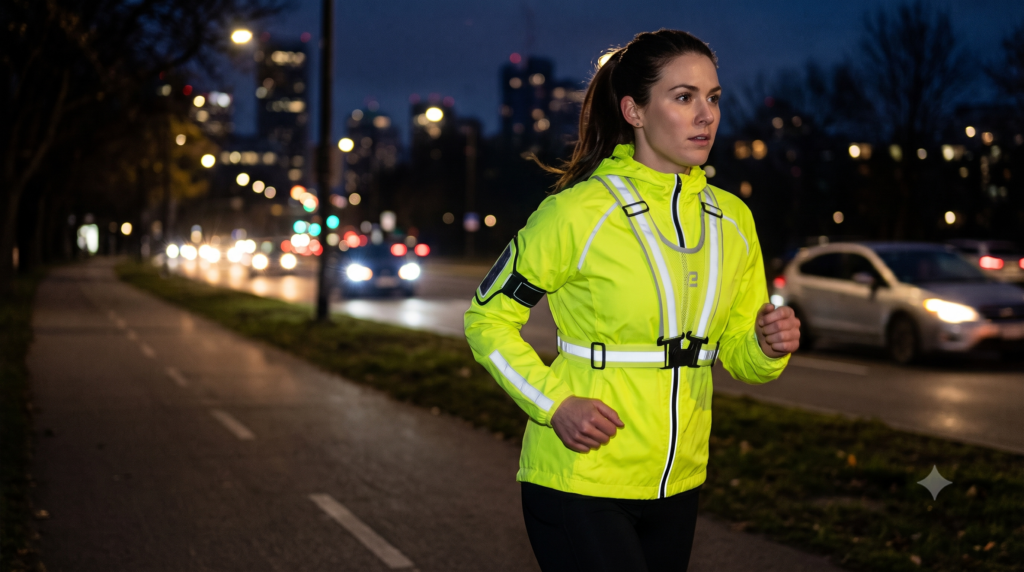
Running at night offers unique advantages that daytime runners never experience. The cooler temperatures, emptier streets, and peaceful atmosphere create the perfect environment for clearing your mind after a long day at work or once the kids are finally in bed. But there’s one critical challenge that every night runner must address: staying visible to drivers, cyclists, and other road users who share the space with you.
Why High Visibility Clothing Matters More Than You Think
When you’re pounding the pavement after dark, you’re essentially invisible to motorists unless you take deliberate steps to make yourself seen. Studies show that drivers can spot a pedestrian wearing reflective gear from approximately 500 feet away, compared to just 150 feet for someone in dark clothing. That’s a difference of 350 feet—potentially life-saving seconds for a driver to react and avoid a collision.
High visibility clothing for night running isn’t just a nice-to-have accessory; it’s essential safety equipment that should be as non-negotiable as your running shoes. Every year, thousands of pedestrian accidents occur during low-light conditions, and many of these could be prevented with proper visibility gear. Whether you’re a seasoned marathoner or a busy parent squeezing in a quick 5K after dinner, being seen is your responsibility and your right to safe passage on public roads.
The psychology of visibility also plays a crucial role in your safety. When drivers can clearly see you from a distance, they’re more likely to give you adequate space and adjust their speed accordingly. This mutual awareness creates a safer environment for everyone on the road, reducing stress for both runners and drivers alike.
Understanding Different Types of High Visibility Materials
Not all reflective gear is created equal, and understanding the differences can help you make informed choices about what will keep you safest during your night runs. Reflective materials work by bouncing light back toward its source, making you visible when car headlights hit your clothing. These materials typically contain millions of tiny glass beads or microprisms that redirect light efficiently.
Fluorescent fabrics, on the other hand, convert ultraviolet light into visible light, making colors appear brighter and more noticeable during dawn and dusk hours. However, fluorescent materials lose their effectiveness in complete darkness since they need ambient light to work properly. This is why many high-quality running garments combine both reflective and fluorescent elements to provide maximum visibility across different lighting conditions.
Retroreflective materials represent the gold standard in visibility technology. These advanced fabrics reflect light back precisely in the direction from which it came, creating a bright, attention-grabbing effect when illuminated by vehicle headlights. When shopping for high visibility clothing for night running, look for products that incorporate retroreflective strips or panels in strategic locations on your body.
Active Illumination Options
Beyond passive reflective materials, active illumination products have revolutionized night running safety. LED lights, clip-on flashers, and battery-powered vests provide their own light source, making you visible even without direct illumination from approaching vehicles. These products are particularly valuable on unlit roads or trails where you might not benefit from regular car traffic.
Essential High Visibility Gear for Every Night Runner
Building a comprehensive visibility wardrobe doesn’t require breaking the bank, but it does demand thoughtful consideration of which pieces will serve you best. A reflective running vest should be your first purchase—it’s versatile, fits over any outfit, and provides 360-degree visibility with reflective strips on the front, back, and sides. Quality vests are lightweight, breathable, and adjustable, ensuring they won’t interfere with your natural running motion.
Reflective running jackets take visibility a step further by integrating reflective elements directly into the garment’s design. Modern technical jackets feature reflective panels, logos, and trim that activate brilliantly under headlights while maintaining a sleek appearance during daytime wear. Many options also include weather protection, making them doubly functional for runners who face unpredictable conditions.
Don’t overlook the importance of reflective accessories that complement your main visibility garments. Reflective armbands, ankle bands, and waist belts add additional points of light that help drivers judge your distance and movement more accurately. These small additions create a more complete visual profile that makes you unmistakable on the road.
Footwear and Lower Body Visibility
Your feet and legs are in constant motion while running, and this movement naturally attracts the human eye. Shoes with built-in reflective elements or clip-on shoe lights enhance your visibility from multiple angles. Reflective running tights or pants with strategically placed reflective strips create motion-based visibility that’s particularly effective at catching driver attention.
Some runners prefer reflective leg sleeves or calf guards that can be worn over regular running pants, providing flexibility to adjust your visibility level based on conditions. These accessories are especially useful for runners who sometimes train during daylight hours and don’t want to commit to wearing fully reflective pants for every run.
Strategic Placement of Reflective Elements
Where you position reflective materials on your body significantly impacts how well drivers can see and interpret your presence. Research in visibility science shows that creating a “biomotion” effect—placing reflective elements at points that move while you run—dramatically increases driver recognition of you as a pedestrian. This is why high visibility clothing for night running often features reflective strips at the knees, ankles, elbows, and wrists.
Your torso should feature reflective elements both front and back to ensure you’re visible regardless of which direction traffic approaches from. A reflective X-pattern across your back is particularly effective because it creates a distinctive shape that drivers immediately recognize as a human form. Front torso reflectivity is equally important for making yourself known to oncoming traffic.
Consider the angles from which you’re most likely to be seen. If you frequently run on roads with curves or hills, side visibility becomes crucial since drivers may approach from angles where front and back reflectivity isn’t effective. This is where reflective armbands, vest side panels, and ankle bands prove their worth by filling visibility gaps.
Head and Upper Body Considerations
Your head position represents the highest point on your body and often catches light first as vehicles approach from behind or ahead. Reflective hats, headbands, or headlamp straps with reflective elements add another critical visibility point. Some runners opt for lighted headlamps that serve dual purposes: illuminating the path ahead while also making them visible to others.
Reflective gloves or hand-held accessories contribute to the biomotion effect while also keeping your hands warm during cold-weather runs. The natural swing of your arms while running creates a rhythmic visual pattern that effectively captures driver attention and communicates that you’re a runner in motion.
Choosing the Right Colors for Maximum Visibility
While any reflective material improves your visibility, the base color of your clothing matters more than you might expect. Bright neon colors like yellow, orange, and lime green offer the best visibility during twilight hours when some ambient light remains. These colors create strong contrast against typical outdoor backgrounds like trees, buildings, and pavement.
White clothing provides decent visibility and reflects light reasonably well, but it can blend into fog, mist, or bright headlight glare. Black or dark-colored clothing is the worst choice for night running, even if it includes small reflective elements. Without sufficient light reflection area, you remain dangerously invisible to drivers until they’re very close.
Many runners fall into the trap of thinking their clothing is “visible enough” based on how it looks in well-lit retail stores or their own homes. The reality is that clothing needs to be tested under actual night conditions to assess its true visibility. What looks bright indoors may disappear completely in darkness without adequate reflective materials.
Seasonal Color Considerations
Different seasons present unique visibility challenges that may influence your color choices. During fall and winter, when natural vegetation is brown and gray, bright colors stand out effectively. However, spring and summer greenery can make certain neon colors blend in more than you’d expect, emphasizing the importance of reflective materials over color alone.
Snow and rain create additional visibility complications. Reflective gear works exceptionally well in these conditions because moisture and snow particles actually enhance light reflection, making you more visible. However, ensure your high visibility clothing includes water-resistant reflective materials that maintain their effectiveness when wet.
High Visibility Clothing for Different Running Environments
Urban runners face different visibility challenges than those who prefer suburban neighborhoods or rural roads. City running typically means more street lighting, traffic signals, and ambient light from buildings, which can create both advantages and disadvantages. While you benefit from overall better lighting, you also compete with countless other light sources that may distract drivers’ attention.
In urban settings, focus on high visibility clothing for night running that includes both reflective and active illumination elements. The combination ensures you remain visible even when surrounded by other light sources. LED clip-ons, lighted vests, and blinking armbands help distinguish you from static urban light pollution.
Suburban and rural runners often face the opposite challenge: complete darkness with limited ambient light. Here, the quality and quantity of your reflective materials become paramount. Without street lights or storefront illumination, you depend entirely on vehicle headlights activating your reflective gear. This environment demands maximum reflective coverage and potentially active illumination devices like chest-mounted LED lights or headlamps.
Trail Running at Night
Trail running introduces unique visibility considerations since you’re less likely to encounter vehicle traffic but face other hazards like wildlife, other trail users, and uneven terrain. While vehicle visibility might be less critical, making yourself known to other trail users—cyclists, hikers, or fellow runners—remains important for everyone’s safety and courtesy.
Trail runners should consider headlamps with rear-facing red lights as essential equipment, providing both path illumination and visibility to others approaching from behind. A reflective vest still serves valuable purposes on trails, particularly where trails cross roads or parking areas, and helps search and rescue teams locate you quickly in emergency situations.
Balancing Comfort, Performance, and Visibility
The best high visibility gear in the world won’t help you if it’s so uncomfortable that you leave it at home. Modern high visibility clothing for night running has evolved tremendously from the bulky, restrictive safety vests of the past. Today’s options incorporate technical fabrics that wick moisture, allow air circulation, and move naturally with your body.
Look for lightweight, breathable materials that won’t cause overheating during intense runs. Mesh panels in reflective vests allow heat to escape while maintaining visibility. Adjustable straps ensure a secure fit that prevents the gear from bouncing or shifting as you run. These details might seem minor, but they dramatically affect whether you’ll consistently wear your visibility gear.
Consider how your high visibility clothing layers with your other running gear. A reflective vest should fit comfortably over a tank top in summer and a running jacket in winter. Reflective jackets should accommodate arm movement without restricting your natural stride. Test your gear during actual runs, not just by trying it on in your living room, to ensure it performs as needed.
Gender-Specific Fit Considerations
Women’s and men’s bodies have different proportions that affect how visibility gear fits and functions. Women typically need reflective vests with shorter torso lengths and adjustments that accommodate chest size without creating uncomfortable tightness or excess fabric. Men’s gear usually features longer torsos and broader shoulder configurations.
Many brands now offer gender-specific designs that place reflective elements optimally for different body types. A proper fit ensures that reflective panels remain in their intended positions rather than twisting or sliding during your run, which could compromise your visibility profile.
Teaching Kids About Visibility and Night Safety
For parents who run, modeling good visibility practices teaches children valuable safety lessons that extend beyond running. When your kids see you consistently wearing high visibility clothing for night running, they learn that safety preparation is a normal, non-negotiable part of any activity. This lesson translates to their own activities like cycling, walking to friends’ houses at dusk, or waiting for the school bus on dark winter mornings.
Consider getting your children their own reflective gear for any outdoor activities they participate in during low-light conditions. Reflective backpack covers, jacket patches, or snap-on reflective bands help protect them while reinforcing the visibility habits you’re modeling. Make it fun by letting them choose colors or styles they like, ensuring they’ll actually want to wear the gear.
Involve older children in route planning for your night runs, discussing why you choose certain roads or paths based on lighting and traffic patterns. These conversations build their critical thinking skills about personal safety while spending quality time together. You might even inspire a future running partner who values safety as much as fitness.
Family Night Running Activities
If your family enjoys running or walking together, equipping everyone with appropriate visibility gear creates opportunities for safe evening outings. Group visibility is enhanced when multiple family members wear reflective clothing, creating a larger, more noticeable presence to drivers. Consider making family visibility gear purchases into a fun shopping experience where everyone selects items they’re excited to wear.
Family glow runs or fun runs specifically designed for night participation have become popular community events that celebrate visibility while promoting fitness. These events often provide reflective items or glow sticks to participants, normalizing the use of visibility gear and making safety fun rather than intimidating for children.
Maintaining and Caring for Your Reflective Gear
High visibility clothing requires proper care to maintain its reflective properties over time. Reflective materials can degrade if washed incorrectly, reducing their effectiveness when you need them most. Always check manufacturer care instructions, but generally, reflective items should be washed in cold water on gentle cycles and air-dried rather than machine-dried.
Avoid using fabric softeners or bleach on reflective clothing, as these products can leave residues that coat reflective elements and diminish their light-returning capabilities. Some runners make the mistake of assuming their reflective gear will last forever, but reflective materials do eventually wear out, especially in high-friction areas like underarms or along backpack straps.
Inspect your high visibility clothing for night running regularly under actual nighttime conditions. Stand in a dark area and have a friend shine a flashlight or car headlights on you from various distances and angles. If your reflective elements don’t illuminate brightly, it’s time to replace them. Your safety depends on this gear performing optimally, not adequately.
Storage and Organization
Keep your visibility gear in an easily accessible location so you’re never tempted to skip it because it’s hard to find. Designate a specific hook or drawer for reflective vests, arm bands, and lights. Check batteries in active illumination devices regularly, keeping spares on hand so you’re never caught without functional lighting.
Create a habit of charging or replacing batteries after every few runs, rather than waiting until devices die mid-run. Consider having multiple sets of basic visibility gear so you always have clean, ready-to-use items available even if some are in the laundry. This redundancy ensures you never have an excuse to run without proper visibility equipment.
Weather Conditions and Visibility Adaptations
Different weather conditions dramatically affect visibility, requiring runners to adapt their gear choices accordingly. Rain reduces visibility for both runners and drivers, as water on windshields and reduced sight lines create hazardous conditions. During rainy night runs, increase your reflective coverage and consider adding active illumination devices that remain visible even through rain-obscured windows.
Fog presents particularly challenging visibility conditions because it diffuses light, reducing the effective range of both reflective materials and active lights. In foggy conditions, layer multiple visibility strategies: reflective clothing, active LED lights, and possibly even a brighter-than-normal headlamp that cuts through the moisture. Consider postponing runs during extremely dense fog when visibility drops to dangerous levels.
Snow conditions can paradoxically improve your visibility since reflective materials work exceptionally well against white backgrounds, and snow itself reflects and amplifies available light. However, falling snow can obscure driver vision, requiring extra caution and enhanced high visibility clothing for night running including active illumination that remains visible through precipitation.
Wind and Movement
Strong winds affect how your visibility gear sits on your body and can cause loose elements to flap or shift, potentially reducing their effectiveness. Secure all reflective accessories tightly, and opt for fitted reflective clothing rather than loose vests during windy conditions. Wind also affects driver control and attention, making it crucial that you’re maximally visible when conditions are challenging.
Cold weather often means bulkier clothing layers, which can hide reflective elements if you’re not careful about what you wear when. Put reflective gear on as your outermost layer, ensuring nothing blocks the reflective materials from catching headlight beams. Some runners prefer reflective jackets as their outer layer during winter specifically to avoid this visibility-hiding problem.
Legal Requirements and Best Practices
Some jurisdictions have specific laws requiring pedestrians to wear reflective or light-colored clothing during nighttime hours, though enforcement varies widely. Regardless of legal requirements, adopting best practices for visibility should be your personal standard. The goal isn’t to meet minimum legal requirements but to maximize your safety through comprehensive visibility strategies.
Research local traffic laws to understand your rights and responsibilities as a pedestrian runner. In many areas, pedestrians have the right-of-way in crosswalks, but this right means little if drivers can’t see you until it’s too late to stop. Understanding local regulations also helps you choose routes that offer the safest infrastructure for night running, such as streets with dedicated pedestrian lanes or traffic calming features.
Some running clubs and organizations have established their own visibility standards that exceed legal minimums, creating cultures of safety among members. Consider joining or forming a local night running group that prioritizes high visibility clothing for night running as a membership expectation. Running with others not only provides social benefits but also increases your collective visibility to drivers.
Insurance and Liability Considerations
While unpleasant to consider, understanding insurance implications of night running accidents can reinforce the importance of visibility gear. In accident investigations, evidence of whether you wore appropriate visibility clothing may affect fault determinations and insurance claims. Wearing proper high visibility gear demonstrates reasonable precaution on your part, which can be important in legal contexts.
Document your visibility practices through photos or gear receipts if you’re ever involved in an incident. This evidence shows you took safety seriously and followed best practices for night running. Consider this another reason to invest in quality, recognizable brands of reflective gear rather than bargain options that may not be perceived as legitimate safety equipment.
Technology Integration in Modern High Visibility Gear
Recent technological advances have created exciting new options for night runners seeking maximum visibility. Smart clothing with integrated LED lighting systems allows you to control brightness levels and flash patterns through smartphone apps. Some systems even include turn signal capabilities, letting you indicate directional changes to traffic behind you.
GPS-enabled safety devices combine visibility with tracking and emergency features. Wearable devices can alert designated contacts if you stop moving unexpectedly or deviate from planned routes. Some systems integrate with your high visibility clothing for night running through coordinated lighting that activates automatically when you begin moving and darkness is detected.
Reflective materials themselves continue to evolve, with new photoluminescent fabrics that absorb light during the day and glow for hours after dark without requiring batteries. While these materials don’t replace traditional retroreflective elements, they add another visibility layer that works even in areas with no traffic or ambient light.
Future Innovations on the Horizon
The future of running visibility gear includes exciting possibilities like clothing that changes reflective intensity based on ambient conditions, automatically becoming brighter as darkness deepens. Researchers are developing fabrics with embedded sensors that detect approaching vehicles and intensify reflective properties precisely when needed most.
Integration with vehicle technology represents another frontier, with potential for runners’ devices to communicate directly with car safety systems, alerting drivers to your presence before you’re even in their visual field. While these technologies remain developmental, they indicate a future where pedestrian safety becomes increasingly sophisticated and reliable.
Building a Comprehensive Night Running Safety System
High visibility clothing for night running functions best as part of a complete safety approach rather than as a standalone solution. Combine your visibility gear with other safety practices like running on well-lit routes when possible, running against traffic so you can see approaching vehicles, and making eye contact with drivers at intersections to confirm they’ve seen you.
Carry identification and emergency contact information on every run, preferably in a visible location or through a road ID bracelet. Program emergency contacts into your phone under “ICE” (In Case of Emergency) designations. Inform someone of your planned route and expected return time, especially for longer runs in isolated areas.
Consider the timing of your runs strategically. If possible, avoid the hours immediately after sunset when drivers’ eyes are still adjusting to darkness and visibility is most compromised. Early morning runs, while dark, often feature more alert drivers than late-night hours when impaired or drowsy driving becomes more common.
Creating Personal Safety Protocols
Develop consistent pre-run safety checks that become automatic habits. Verify that all reflective gear is clean and properly positioned, check that active lights have sufficient battery charge, and confirm your phone is charged and accessible. Create a mental checklist that you review before every night run so critical safety elements never get overlooked.
Adapt your pace and awareness level to conditions. On particularly dark or high-traffic routes, moderate your speed slightly to allow more reaction time for unexpected situations. Stay alert and avoid headphone use or keep volume low enough to hear approaching vehicles. Your visibility gear makes.