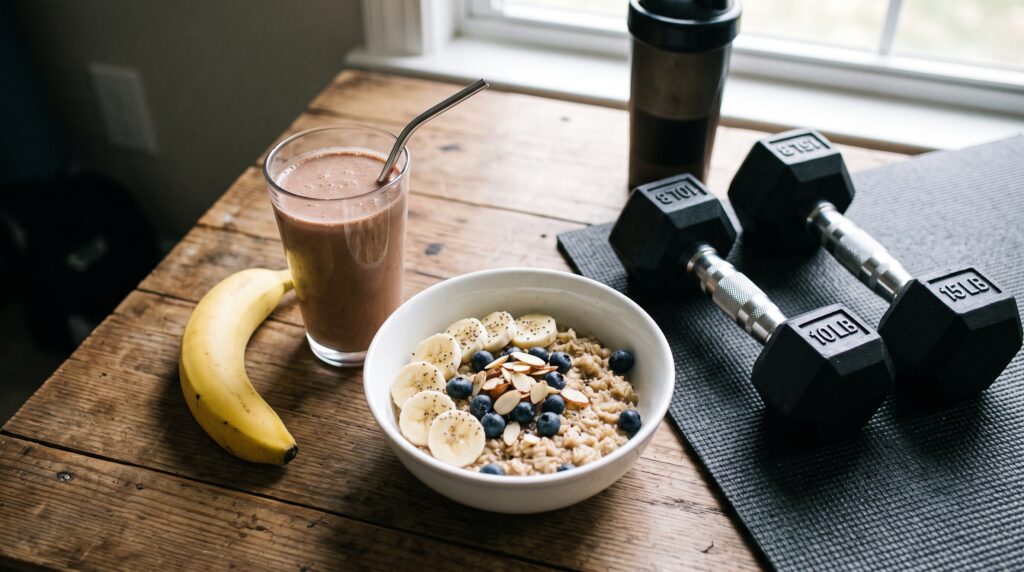
When you’re preparing to hit the gym, go for a run, or crush that home workout between carpools and conference calls, what you eat beforehand can make or break your performance. The age-old debate about whether carbohydrates or proteins are better for pre-workout fuel isn’t just academic—it directly impacts how much energy you’ll have, how long you can sustain your effort, and how quickly you’ll recover afterward. Your body is an incredibly sophisticated machine that requires the right type of fuel at the right time, and understanding the science behind pre-workout nutrition will help you maximize every precious minute you dedicate to fitness.
The truth is, this question doesn’t have a simple one-size-fits-all answer. Your ideal pre-workout fuel depends on several factors including the type of exercise you’re planning, the duration and intensity of your workout, your individual metabolism, and your overall fitness goals. However, by understanding how your body processes and uses both carbohydrates and proteins during exercise, you can make informed decisions that align with your specific needs and lifestyle.
How Your Body Uses Energy During Exercise
Before we can determine whether carbohydrates or proteins are better for pre-workout fuel, you need to understand how your body generates energy during physical activity. Your muscles rely on a compound called adenosine triphosphate (ATP) as their immediate energy source. Think of ATP as the gasoline that powers your muscle contractions—without it, movement simply doesn’t happen.
Your body can produce ATP through three different energy systems, and which system dominates depends largely on the intensity and duration of your workout. The phosphagen system provides immediate energy for very short, explosive movements lasting up to about 10 seconds—think of a heavy deadlift or a sprint start. The glycolytic system takes over for moderate to high-intensity activities lasting from about 30 seconds to 2 minutes, and it relies heavily on glucose (from carbohydrates) stored in your muscles as glycogen. Finally, the oxidative system supports longer-duration, lower-intensity activities and can use both carbohydrates and fats (and to a much lesser extent, proteins) as fuel sources.
Understanding these systems is crucial because it directly influences what you should eat before different types of workouts. A busy mom preparing for a 30-minute HIIT session has very different nutritional needs than someone training for a marathon or planning a moderate-intensity strength training session. The duration, intensity, and type of exercise you’re planning should guide your pre-workout nutrition choices.
The Case for Carbohydrates as Pre-Workout Fuel
Carbohydrates have long been considered the gold standard for pre-workout nutrition, and there’s substantial scientific evidence supporting this position. When you consume carbohydrates, your body breaks them down into glucose, which enters your bloodstream and is stored in your muscles and liver as glycogen. These glycogen stores are your body’s preferred fuel source during moderate to high-intensity exercise, and having adequate glycogen available can significantly impact your performance and endurance.
Research consistently shows that consuming carbohydrates before exercise can improve performance, particularly for activities lasting longer than 60 minutes or involving high-intensity intervals. A study published in the Journal of Applied Physiology found that athletes who consumed a carbohydrate-rich meal before exercise could sustain high-intensity efforts significantly longer than those who didn’t. For you as a fitness enthusiast trying to maximize your limited workout time, this could mean the difference between completing that last set or hitting the wall halfway through your routine.
The timing and type of carbohydrates matter tremendously. Complex carbohydrates like oatmeal, whole grain bread, or sweet potatoes digest more slowly and provide sustained energy over longer periods, making them ideal if you’re eating 2-3 hours before your workout. Simple carbohydrates like fruit, white rice, or a sports drink are digested quickly and work better when you’re eating 30-60 minutes before exercise. If you’re juggling kids’ schedules and can only squeeze in a workout with minimal advance notice, having quick-digesting carbohydrates on hand becomes especially valuable.
Best Carbohydrate Sources for Pre-Workout Energy
Not all carbohydrates are created equal when it comes to fueling your workout. You want sources that provide steady energy without causing digestive distress or blood sugar crashes mid-exercise. Here are some of the most effective options:
- Oatmeal with berries and a drizzle of honey (2-3 hours before)
- Whole grain toast with banana slices (1-2 hours before)
- Rice cakes with a thin layer of almond butter (45-60 minutes before)
- A medium-sized apple or pear (30-45 minutes before)
- Sports drinks or gels (15-30 minutes before for quick energy)
- Sweet potato with a touch of cinnamon (2-3 hours before)
The key is experimenting during training sessions rather than on important workout days or events. Your digestive system is unique, and what works perfectly for your workout buddy might leave you feeling sluggish or uncomfortable. Pay attention to how different carbohydrate sources make you feel during exercise, and keep a mental note of timing—some people can eat right before exercise while others need more time for digestion.
The Role of Protein in Pre-Workout Nutrition
While carbohydrates often steal the spotlight in pre-workout nutrition discussions, protein plays a more nuanced but still important role. Protein isn’t typically used as a primary fuel source during exercise—your body strongly prefers to reserve amino acids from protein for building and repairing tissues rather than burning them for energy. However, consuming protein before your workout can offer several significant benefits that shouldn’t be overlooked.
Pre-workout protein consumption can help maximize muscle protein synthesis, the process by which your body builds new muscle tissue. When you exercise, especially during resistance training, you create microscopic tears in your muscle fibers. Providing amino acids (the building blocks of protein) before your workout means they’re readily available when your muscles need them most. Research published in the American Journal of Physiology found that consuming protein before resistance training resulted in greater amino acid uptake by muscles compared to consuming it only after exercise.
Additionally, protein digests more slowly than simple carbohydrates, which can help provide more sustained energy and prevent the blood sugar spikes and crashes that sometimes accompany high-carbohydrate meals. For workouts of moderate intensity and longer duration—like a 60-minute strength training session or a steady-state run—having some protein in your pre-workout meal can help maintain stable energy levels throughout your session. This is particularly valuable if you’re someone who experiences energy crashes or feels ravenous during workouts when you eat only carbohydrates beforehand.
Optimal Protein Sources Before Exercise
When selecting protein for your pre-workout meal, you want sources that are relatively easy to digest and won’t sit heavily in your stomach during exercise. The amount of time you have before your workout should influence your protein choice:
- Greek yogurt with granola (1-2 hours before)
- Protein shake with low-fiber fruit (30-60 minutes before)
- Eggs with whole grain toast (2-3 hours before)
- Turkey or chicken breast with rice (2-3 hours before)
- Protein bar with minimal fiber (45-60 minutes before)
- Cottage cheese with sliced peaches (1-2 hours before)
Remember that protein takes longer to digest than carbohydrates, so you generally want to allow more time between eating protein-heavy meals and starting your workout. If you’re eating within 30-45 minutes of exercise, a protein shake or smoothie is often your best bet because liquid forms digest more quickly than whole foods. For busy parents and working professionals, having a high-quality protein powder on hand can be a game-changer for those mornings when you’re running late but still need proper pre-workout nutrition.
The Science Behind Combining Carbohydrates and Proteins
Here’s where the debate between carbohydrates or proteins for pre-workout fuel takes an interesting turn: emerging research suggests that the optimal approach might not be choosing one over the other, but rather consuming both carbohydrates and proteins together. This combination approach leverages the benefits of both macronutrients while minimizing potential drawbacks of relying on either one alone.
When you consume carbohydrates and proteins together before exercise, the carbohydrates provide the immediate and sustained energy your muscles need for performance, while the protein ensures amino acids are available for muscle protein synthesis and recovery. Studies have shown that this combination can lead to better performance outcomes than either macronutrient alone, particularly for resistance training and mixed-modal workouts that combine strength and cardiovascular elements.
The ratio of carbohydrates to proteins in your pre-workout meal should depend on your workout type and goals. For endurance activities or high-intensity cardio sessions, you might aim for a ratio of approximately 3:1 or 4:1 carbohydrates to protein. If you’re focused on strength training or bodybuilding, a ratio closer to 2:1 might be more appropriate. A busy mom preparing for a 45-minute circuit training workout might have half a bagel with two tablespoons of almond butter and a banana—this provides roughly a 3:1 ratio while being quick to prepare and easy to digest.
Sample Combined Pre-Workout Meals
Creating balanced pre-workout meals that include both carbohydrates and proteins doesn’t have to be complicated or time-consuming. Here are practical options that work for various schedules and preferences:
- Smoothie with banana, protein powder, oats, and almond milk (1-2 hours before)
- Whole grain wrap with turkey, spinach, and a thin layer of hummus (2-3 hours before)
- Rice cakes topped with Greek yogurt and berries (45-60 minutes before)
- Oatmeal made with milk instead of water, topped with nuts and dried fruit (2-3 hours before)
- Apple slices with string cheese (30-45 minutes before)
- Small bowl of pasta with lean ground turkey and marinara sauce (2-3 hours before)
The beauty of these combined meals is their versatility. You can adjust portions and timing based on your specific needs, workout intensity, and personal digestion patterns. Don’t be afraid to experiment and find what works best for your body and schedule.
Timing Your Pre-Workout Nutrition
Even if you choose the perfect balance of carbohydrates and proteins, poor timing can sabotage your workout and leave you feeling sluggish or uncomfortable. The timing of your pre-workout meal is just as important as its composition, and understanding how to synchronize your eating with your exercise schedule can dramatically improve your performance and how you feel during training.
As a general rule, larger meals containing substantial amounts of both carbohydrates and proteins should be consumed 2-3 hours before exercise. This window allows your body adequate time to digest the food and convert it into usable energy without causing gastrointestinal distress during your workout. If you’re planning an early morning workout after waking up, this might mean having a significant snack before bed or waking up extra early to eat—neither of which is practical for most busy parents and working professionals.
For those situations when you can’t eat several hours in advance, smaller snacks consumed 30-60 minutes before exercise can still provide valuable fuel. These should emphasize easily digestible carbohydrates with a small amount of protein, and they should be relatively low in fat and fiber, which slow digestion. A banana with a tablespoon of peanut butter, a small protein shake, or a few rice cakes with honey can provide quick energy without sitting heavily in your stomach. Many athletes and fitness enthusiasts find that eating something small is better than eating nothing, even if the timing isn’t ideal.
Individual Factors That Influence Your Optimal Pre-Workout Fuel
The question of whether carbohydrates or proteins are better for pre-workout fuel becomes even more personalized when you consider individual factors that affect how your body processes and uses different nutrients. Your age, sex, fitness level, body composition goals, and metabolic health all play roles in determining your optimal pre-workout nutrition strategy.
As we age, our bodies’ ability to process carbohydrates efficiently can change, particularly if we become less active or develop insulin resistance. If you’re in your 40s, 50s, or 60s, you might find that you perform better with slightly higher protein and lower carbohydrate intake compared to what worked in your 20s and 30s. However, this doesn’t mean you should eliminate carbohydrates—they’re still crucial for high-intensity exercise regardless of age. It simply means you might need to adjust your ratios and timing to match your current metabolic state.
Your fitness goals also significantly impact whether you should emphasize carbohydrates or proteins in your pre-workout nutrition. If you’re training for endurance events like marathons or triathlons, carbohydrates should form the foundation of your pre-workout fuel to ensure adequate glycogen stores. If you’re primarily focused on building muscle and strength, slightly higher protein intake before and after workouts can support muscle protein synthesis. For general fitness and weight management—which describes many busy moms and working professionals—a balanced approach with both carbohydrates and proteins typically works best.
Adjusting Pre-Workout Nutrition for Different Workout Types
Different types of exercise place different demands on your body’s energy systems, which means your pre-workout nutrition should adapt accordingly. Here’s how to think about fueling various workout styles:
- High-Intensity Interval Training (HIIT): Emphasize easily digestible carbohydrates for quick energy; moderate protein; eat 45-90 minutes before
- Long-Distance Running or Cycling: Focus heavily on carbohydrates with some protein; eat 2-3 hours before for larger meals or 30-45 minutes before for small snacks
- Strength Training: Balanced carbohydrates and protein in roughly 2:1 ratio; eat 1-2 hours before
- Yoga or Pilates: Light carbohydrates with minimal protein; eat 30-60 minutes before or exercise on empty stomach if comfortable
- CrossFit or Mixed-Modal Training: Balanced approach with adequate carbohydrates for energy demands; moderate protein; eat 1-2 hours before
These are starting points rather than rigid rules. Your personal experience and how your body responds should always take precedence over general guidelines. Keep a workout journal noting what you ate before exercise, timing, and how you felt during training—patterns will emerge that help you optimize your approach.
Common Pre-Workout Nutrition Mistakes to Avoid
Even with the best intentions, many fitness enthusiasts make critical errors in their pre-workout nutrition that undermine their performance and progress. Understanding these common pitfalls can help you avoid them and get more from every workout session.
One of the most prevalent mistakes is eating too close to workout time, especially when the meal contains significant amounts of protein, fat, or fiber. These nutrients slow digestion, and if you exercise before they’re adequately processed, you’ll likely experience cramping, nausea, or sluggishness. That healthy salad loaded with chickpeas, avocado, and olive oil might be nutritionally excellent, but eating it 30 minutes before a workout is a recipe for discomfort. If your schedule only allows for eating close to exercise time, stick with simple carbohydrates and minimal protein in easily digestible forms.
Another mistake is completely skipping pre-workout nutrition, particularly before morning workouts. While some people can exercise fasted without issues, most people perform significantly better with at least some fuel on board. If you’re someone who wakes up without appetite but wants to maximize your morning workout, try something extremely simple like a few dates, half a banana, or a small glass of juice. These provide quick energy without requiring you to force down a full meal when you’re not hungry.
Hydration: The Often-Overlooked Component
When debating whether carbohydrates or proteins are better for pre-workout fuel, many people overlook a crucial element that isn’t a macronutrient at all: proper hydration. Even mild dehydration can significantly impair exercise performance, reduce strength and power output, and increase perceived exertion during workouts.
You should begin hydrating well before your workout, not just in the minutes leading up to it. Aim to drink 16-20 ounces of water 2-3 hours before exercise, then another 8-10 ounces 15-20 minutes before you begin. If you’re exercising in hot conditions or for extended periods, consider beverages that contain electrolytes in addition to water. For most moderate-intensity workouts lasting less than an hour, plain water is perfectly adequate.
Coffee and tea deserve special mention in the pre-workout hydration discussion. While caffeinated beverages do have a mild diuretic effect, research shows this is typically not significant enough to cause dehydration in regular caffeine consumers. In fact, caffeine can enhance exercise performance by reducing perceived exertion and increasing fat oxidation. A cup of coffee 30-60 minutes before your workout, combined with adequate water intake, can be an effective performance enhancer.
Special Considerations for Women and Hormonal Fluctuations
For the many women reading this article, it’s important to understand that hormonal fluctuations throughout your menstrual cycle can influence how your body processes and uses carbohydrates and proteins. This is an often-overlooked aspect of pre-workout nutrition that can help explain why the same meal might leave you feeling energized one week and sluggish the next.
During the follicular phase (roughly the first two weeks of your cycle), your body tends to use carbohydrates more efficiently and may perform better with higher-carbohydrate pre-workout meals. Estrogen levels are higher during this phase, which improves your body’s ability to store and access glycogen. Many women report feeling stronger and having better endurance during this time, and matching higher training intensity with adequate carbohydrate intake can help you capitalize on this natural advantage.
Conversely, during the luteal phase (the two weeks before menstruation), progesterone levels rise and your body shifts toward using fat as fuel more readily. Some research suggests that women might benefit from slightly higher protein and fat intake during this phase, though carbohydrates remain important for high-intensity efforts. You might also need more overall calories during this time, as your resting metabolic rate naturally increases. If you’re a woman wondering why your usual pre-workout meal doesn’t always provide consistent energy, tracking your cycle alongside your nutrition and workout performance can reveal valuable patterns.
Pre-Workout Nutrition for Morning Exercisers
Morning workouts present unique challenges and opportunities when it comes to pre-workout nutrition. After 8-12 hours of overnight fasting, your muscle glycogen stores are somewhat depleted (though not completely empty), and your blood sugar is typically lower than it would be later in the day. The decision about whether to emphasize carbohydrates or proteins—or eat at all—depends on your workout type, intensity, and personal tolerance.
For high-intensity morning workouts like HIIT, sprints, or heavy lifting, consuming at least some quick-digesting carbohydrates before exercise is generally beneficial. Even if you can’t stomach a full meal, having a banana, some apple sauce, or a few sips of juice can provide your muscles with readily available glucose and improve your performance compared to exercising completely fasted. If you have 30-45 minutes before your workout, adding a small amount of protein through a half-scoop of protein powder or a few bites of Greek yogurt can provide additional benefits without causing digestive issues.
For moderate-intensity morning cardio like jogging or cycling, many people successfully exercise fasted or with minimal pre-workout nutrition. Some research suggests that training in a fasted state can enhance fat oxidation and potentially improve metabolic adaptations over time. However, this approach isn’t ideal for everyone, and it’s not recommended for high-intensity efforts where performance matters. If you’re training for an event or trying to set personal records, having proper fuel on board should take priority over any theoretical metabolic benefits of fasted training.
Quick Morning Pre-Workout Options
For those early morning workout sessions when you have limited time and appetite, here are practical options that provide fuel without requiring you to wake up hours in advance:
- Half a banana with a small handful of nuts (15-20 minutes before)
- Small protein shake made with just protein powder and water or juice (20-30 minutes before)
- Instant oatmeal cup made with hot water (30-45 minutes before)
- Rice cake with jam or honey (15-20 minutes before)
- Handful of dried dates or raisins (10-15 minutes before)