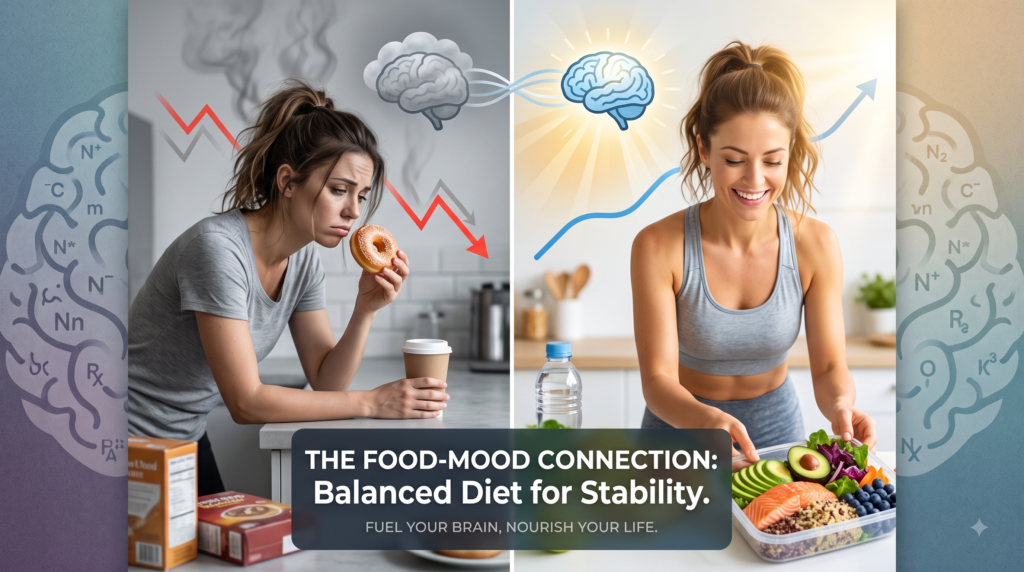
You’ve probably noticed how a sugary donut can give you a quick rush followed by an energy crash that leaves you irritable and unfocused. What you eat doesn’t just fuel your workouts or help you power through busy days—it directly influences your emotional state, mental clarity, and overall psychological wellbeing. The connection between nutrition and mental health isn’t just anecdotal; it’s backed by extensive scientific research that demonstrates how a balanced diet for mood stability can transform not only your physical performance but also your emotional resilience and daily outlook on life.
Understanding the Food-Mood Connection
Your brain is an incredibly demanding organ that consumes approximately 20% of your body’s total energy expenditure, despite representing only about 2% of your body weight. This metabolic powerhouse requires a constant supply of nutrients to produce neurotransmitters—the chemical messengers that regulate everything from your emotions to your sleep patterns. When you consistently provide your body with nutrient-dense foods, you’re essentially giving your brain the raw materials it needs to maintain optimal function and emotional equilibrium.
The relationship between what you eat and how you feel operates on multiple levels simultaneously. Your gut microbiome, often called your “second brain,” contains trillions of bacteria that communicate directly with your central nervous system through the gut-brain axis. These microorganisms help produce serotonin, dopamine, and other mood-regulating compounds. When you nourish these beneficial bacteria with the right foods, you’re supporting a biological system that plays a crucial role in emotional regulation and stress response.
Blood sugar fluctuations represent another critical factor in the food-mood equation. When you consume refined carbohydrates and sugars without accompanying fiber, protein, or healthy fats, your blood glucose levels spike rapidly and then plummet just as quickly. These rollercoaster rides in blood sugar directly correspond to mood swings, energy crashes, irritability, and difficulty concentrating. A balanced diet for mood stability focuses on maintaining steady blood sugar levels throughout the day, preventing these disruptive fluctuations that can derail your training schedule or make managing household responsibilities feel overwhelming.
Essential Nutrients for Mental Wellbeing
Omega-3 fatty acids stand at the forefront of mood-supporting nutrients, particularly EPA and DHA found abundantly in fatty fish like salmon, mackerel, and sardines. These essential fats comprise a significant portion of your brain’s structure and play vital roles in neurotransmitter function and reducing neuroinflammation. Studies have consistently shown that people who consume adequate omega-3s report lower levels of depression and anxiety, better stress management, and improved overall mood stability. For those who don’t regularly consume fish, high-quality fish oil supplements or algae-based omega-3s can provide these critical nutrients.
B vitamins form another cornerstone of mood regulation, with particular emphasis on B6, B9 (folate), and B12. These vitamins work synergistically to support neurotransmitter synthesis and help regulate homocysteine levels—elevated homocysteine has been linked to depression and cognitive decline. You’ll find B vitamins in whole grains, leafy greens, legumes, eggs, and animal proteins. Busy parents often overlook the importance of these nutrients, but ensuring adequate B vitamin intake can make a substantial difference in energy levels and emotional stability throughout demanding days filled with work, training, and family responsibilities.
Magnesium deserves special attention as a mineral that many active individuals are deficient in, particularly those who sweat heavily during workouts. This mighty mineral participates in over 300 enzymatic reactions in your body, including those involved in stress response and mood regulation. Magnesium helps calm the nervous system, supports quality sleep, and can reduce symptoms of anxiety and irritability. Dark leafy greens, nuts, seeds, whole grains, and dark chocolate provide excellent sources of this essential nutrient. Incorporating these foods into your daily routine supports both your physical recovery from exercise and your emotional equilibrium.
Vitamin D functions more like a hormone than a traditional vitamin, influencing mood, immune function, and overall health. Many people living in northern climates or spending most of their time indoors have suboptimal vitamin D levels, which correlates with increased rates of seasonal affective disorder and depression. While your body can produce vitamin D from sun exposure, dietary sources like fatty fish, fortified dairy products, and egg yolks also contribute to your intake. Having your vitamin D levels tested and supplementing if necessary represents a proactive step toward achieving a balanced diet for mood stability.
Protein Power for Neurotransmitter Production
Adequate protein intake provides the amino acid building blocks your brain needs to manufacture neurotransmitters that regulate mood, motivation, and mental clarity. Tryptophan converts to serotonin, which influences feelings of wellbeing and contentment. Tyrosine becomes dopamine and norepinephrine, which affect motivation, focus, and energy. Without sufficient protein consumption distributed throughout your day, your body simply cannot produce optimal amounts of these crucial chemical messengers that keep you emotionally balanced and mentally sharp.
Athletes and active parents particularly need to prioritize protein not just for muscle recovery but for sustained mental performance. Aiming for approximately 0.7 to 1 gram of protein per pound of body weight daily ensures you’re meeting both physical and psychological needs. This might seem like a substantial amount, especially for busy individuals trying to balance training schedules with family meals, but strategic planning makes it achievable. Including protein at every meal and snack stabilizes blood sugar, reduces cravings, and provides a steady supply of amino acids for neurotransmitter synthesis.
Quality matters as much as quantity when it comes to protein sources. Complete proteins contain all nine essential amino acids your body cannot produce on its own. Animal sources like lean meats, poultry, fish, eggs, and dairy products provide complete proteins along with other mood-supporting nutrients like B12, zinc, and iron. Plant-based athletes can achieve complete amino acid profiles by combining different protein sources throughout the day—think beans with rice, hummus with whole grain pita, or quinoa paired with nuts and seeds. The key is ensuring variety and adequate total intake to support both your training demands and emotional wellbeing.
Complex Carbohydrates for Sustained Energy and Mood
Carbohydrates have been unfairly demonized in many popular diet trends, yet they play an essential role in mood regulation and energy production. The trick lies in choosing the right types and consuming them in appropriate amounts for your activity level. Complex carbohydrates found in whole grains, starchy vegetables, legumes, and fruits provide sustained energy release, support serotonin production, and help maintain stable blood sugar levels that prevent mood crashes and irritability throughout your demanding days.
Your brain preferentially uses glucose as its primary fuel source, and while it can adapt to using ketones under certain conditions, most active individuals perform better both physically and mentally with adequate carbohydrate intake. When you restrict carbohydrates too severely, you may experience brain fog, difficulty concentrating, reduced training performance, and increased irritability. A balanced diet for mood stability includes sufficient complex carbohydrates timed appropriately around your workouts and distributed throughout the day to maintain optimal cognitive and emotional function.
The fiber content in complex carbohydrates provides additional mood benefits beyond simple energy provision. Fiber slows digestion, preventing rapid blood sugar spikes and crashes that trigger mood swings. It also feeds beneficial gut bacteria, supporting the production of short-chain fatty acids that reduce inflammation and influence brain health through the gut-brain axis. Whole grain oats, brown rice, quinoa, sweet potatoes, and legumes should feature regularly in your meal planning to harness these multiple benefits for both physical performance and emotional equilibrium.
The Gut-Brain Axis and Probiotic Foods
Scientists have increasingly recognized the gut as a major player in mental health, with some researchers estimating that approximately 90% of serotonin is actually produced in the gut rather than the brain. This remarkable finding underscores the critical importance of supporting digestive health as part of any strategy for improving mood and emotional stability. The trillions of microorganisms inhabiting your digestive tract communicate constantly with your brain through neural, hormonal, and immunological pathways, influencing everything from stress response to emotional regulation.
Probiotic-rich foods introduce beneficial bacteria that can help maintain a healthy gut microbiome composition. Yogurt with live active cultures, kefir, sauerkraut, kimchi, kombucha, and other fermented foods provide these helpful microorganisms. Regular consumption of these foods has been associated with reduced anxiety, lower stress levels, and improved mood in multiple research studies. For busy parents juggling kids’ schedules and personal fitness goals, incorporating fermented foods doesn’t require elaborate preparation—a serving of yogurt with breakfast or a small portion of sauerkraut alongside your lunch can provide meaningful benefits.
Prebiotic foods work synergistically with probiotics by providing the fiber and compounds that feed beneficial gut bacteria, helping them thrive and multiply. Garlic, onions, leeks, asparagus, bananas, oats, and apples all contain prebiotic compounds that support a healthy gut ecosystem. Combining both probiotic and prebiotic foods in your daily eating pattern creates an environment in your digestive system that supports optimal production of mood-regulating neurotransmitters and reduces inflammatory compounds that can negatively impact mental health. This approach to gut health represents a foundational element of a balanced diet for mood stability that supports your training, daily energy, and emotional resilience.
Hydration and Its Surprising Impact on Mood
Dehydration affects mood and cognitive function more rapidly and profoundly than many people realize. Research shows that even mild dehydration—a loss of just 1-2% of body weight through fluid loss—can impair concentration, increase perception of task difficulty, and trigger headaches, fatigue, and anxiety. Athletes lose significant fluids through sweat during workouts, and busy parents often simply forget to drink water consistently throughout hectic days. This chronic mild dehydration may contribute to the persistent low-level irritability and mental fatigue that many active individuals experience.
Your brain tissue consists of approximately 75% water, making adequate hydration essential for optimal neural function. Water facilitates the delivery of nutrients to brain cells and the removal of waste products, supports the production and function of neurotransmitters, and helps maintain the electrical properties that allow neurons to communicate effectively. When you’re dehydrated, all of these processes become less efficient, contributing to mood disturbances, reduced mental clarity, and increased stress perception. Simply maintaining proper hydration throughout the day can produce noticeable improvements in emotional stability and mental performance.
Practical hydration strategies for active individuals include starting each day with a large glass of water, keeping a reusable water bottle accessible throughout the day, and consuming additional fluids before, during, and after workouts. A helpful guideline is to aim for half your body weight in ounces of water daily as a baseline, with additional amounts based on activity level, climate, and sweat losses. For those who find plain water boring, herbal teas, infused water with fresh fruit, or sparkling water with a squeeze of citrus can provide variety while supporting hydration goals. Remember that a balanced diet for mood stability must include adequate fluid intake as a foundational element.
Timing Your Meals for Optimal Mood Balance
The timing and frequency of your meals significantly influences blood sugar stability, energy levels, and mood throughout the day. Going too long between meals causes blood glucose to drop, triggering the release of stress hormones like cortisol and adrenaline that can make you feel anxious, irritable, and unfocused. This is the phenomenon many people describe as being “hangry”—a very real physiological state where hunger directly impacts emotional regulation. Preventing these low blood sugar episodes through consistent meal timing represents a simple but powerful strategy for maintaining emotional equilibrium.
Most active individuals benefit from eating every 3-4 hours, which typically translates to three main meals with one or two snacks depending on training schedules and personal needs. This pattern keeps blood sugar relatively stable, prevents extreme hunger that can lead to poor food choices, and provides a steady supply of nutrients for both physical and mental performance. For busy parents managing multiple schedules, preparing portable snacks in advance ensures you won’t skip meals when time gets tight or end up grabbing convenience foods that trigger mood-destabilizing blood sugar swings.
Pre-workout and post-workout nutrition deserves special consideration for those following regular training programs. Eating a balanced meal or snack containing carbohydrates and protein 1-2 hours before exercise provides the energy you need for optimal performance while preventing low blood sugar during training. Post-workout nutrition within 30-60 minutes of finishing your session supports recovery, replenishes glycogen stores, and helps prevent the mood-dampening effects of cortisol that can linger after intense training. These timing strategies enhance both your physical adaptations to exercise and your emotional resilience throughout demanding days.
Anti-Inflammatory Foods for Mental Wellness
Chronic inflammation has emerged as a significant contributor to mood disorders, with elevated inflammatory markers correlating strongly with depression, anxiety, and other mental health challenges. Your dietary choices either promote or reduce inflammation throughout your body, including in your brain. An anti-inflammatory eating pattern forms a crucial component of a balanced diet for mood stability, helping to protect neural tissues and support optimal neurotransmitter function. The good news is that many anti-inflammatory foods are also delicious and versatile, making them easy to incorporate into family meals.
Colorful fruits and vegetables provide a diverse array of antioxidants and phytonutrients that combat inflammation and oxidative stress. Berries deserve particular mention for their high concentration of anthocyanins and other compounds that protect brain health and improve mood. Dark leafy greens like spinach, kale, and Swiss chard offer vitamins, minerals, and anti-inflammatory compounds that support both physical performance and mental wellbeing. Aim to fill half your plate with vegetables at lunch and dinner, and include fruit as part of breakfast or snacks to maximize your intake of these protective compounds.
Herbs and spices pack impressive anti-inflammatory power in small packages. Turmeric contains curcumin, which has demonstrated antidepressant effects comparable to some medications in certain studies. Ginger reduces inflammation and supports digestive health. Cinnamon helps regulate blood sugar and adds natural sweetness without refined sugars. Incorporating these flavorful additions into your cooking enhances both the taste and the mood-supporting properties of your meals. Extra virgin olive oil, nuts, seeds, and fatty fish provide anti-inflammatory fats that protect brain health while satisfying hunger and adding richness to meals.
Foods and Substances to Limit for Better Mood
While focusing on what to include in your diet is important, being mindful of what to limit or avoid can be equally crucial for achieving mood stability. Refined sugars and highly processed carbohydrates create the blood sugar rollercoaster discussed earlier, leading to energy crashes, mood swings, and increased anxiety. These foods also promote inflammation, disrupt gut health, and can trigger addictive-like eating patterns that make it difficult to maintain balanced nutrition. Reading labels and choosing whole food alternatives helps you avoid hidden sugars that can sabotage your emotional stability.
Excessive caffeine consumption can significantly impact mood, particularly for individuals sensitive to its effects. While moderate caffeine intake from coffee or tea can provide beneficial antioxidants and a mild mood boost, consuming too much—particularly later in the day—can trigger anxiety, disrupt sleep, and create a cycle of dependence followed by withdrawal symptoms including irritability and fatigue. If you’re experiencing anxiety or sleep disturbances, experiment with reducing caffeine intake or limiting it to morning hours only. Many people find that switching their afternoon coffee to herbal tea improves both their sleep quality and daytime mood stability.
Alcohol deserves careful consideration in the context of mood management. While a glass of wine might seem relaxing in the moment, alcohol is actually a depressant that disrupts sleep architecture, depletes B vitamins, and can worsen anxiety and depression, particularly when consumed regularly or in larger amounts. For athletes, alcohol also impairs recovery, disrupts hormone production, and interferes with nutrient absorption. If you choose to drink, moderation is key—limiting intake to occasional small amounts rather than daily consumption supports better mood stability and overall health.
Practical Meal Planning for Busy Active Individuals
Translating nutritional knowledge into consistent daily practice represents the biggest challenge for most busy parents and working professionals trying to maintain both fitness routines and balanced nutrition. Meal planning and preparation become essential skills for ensuring you have mood-supporting foods available even during the most hectic weeks. Dedicating a few hours on weekends to plan meals, shop for groceries, and prepare components in advance dramatically increases the likelihood that you’ll maintain a balanced diet for mood stability rather than defaulting to convenience foods when time and energy run low.
Batch cooking proteins, grains, and roasted vegetables creates building blocks you can quickly combine into different meals throughout the week. Grilling several chicken breasts, cooking a large pot of brown rice or quinoa, and roasting sheet pans of vegetables on Sunday provides mix-and-match components for easy weeknight dinners, packed lunches, and quick pre-workout meals. Similarly, preparing overnight oats, cutting up fresh fruits and vegetables for snacks, and portioning nuts or trail mix into grab-and-go containers ensures you always have nutritious options readily available.
Simple meal templates eliminate the mental burden of constantly deciding what to eat while ensuring balanced nutrition:
- Breakfast: Protein source + complex carbohydrate + fruit or vegetable + healthy fat
- Lunch and dinner: Palm-sized protein + fist-sized complex carbohydrate + two fists of vegetables + thumb-sized healthy fat
- Snacks: Combine protein with fiber-rich carbohydrate (Greek yogurt with berries, apple with almond butter, hummus with vegetables)
These frameworks can be customized based on personal preferences, training demands, and family needs while maintaining the nutritional balance that supports stable energy and mood. Getting children involved in meal planning and preparation teaches valuable life skills while making it easier to prepare meals that everyone will eat.
Supplementation to Support Nutritional Gaps
Even with careful attention to diet, certain nutrients may be difficult to obtain in optimal amounts through food alone, particularly for active individuals with increased nutritional demands. Strategic supplementation can fill these gaps and provide additional support for mood stability when used appropriately. However, supplements should complement rather than replace a foundation of whole foods—they’re called supplements for a reason. Before starting any supplementation regimen, consulting with a healthcare provider or registered dietitian helps ensure you’re addressing your specific needs safely and effectively.
A high-quality multivitamin and mineral supplement provides nutritional insurance, covering micronutrient bases that might be missed on busy days when meal planning isn’t perfect. Look for products that include methylated B vitamins for better absorption, adequate vitamin D, and chelated minerals. Omega-3 supplements offer particular value for those who don’t regularly consume fatty fish, with studies suggesting that 1-2 grams daily of combined EPA and DHA supports both mood and recovery from exercise. Quality matters significantly with fish oil—look for third-party tested products that guarantee purity and potency.
Magnesium supplementation benefits many active individuals, particularly those experiencing symptoms like muscle tension, difficulty relaxing, or sleep disturbances. Magnesium glycinate tends to be well-tolerated and absorbed efficiently without the digestive side effects some other forms cause. Vitamin D supplementation becomes especially important during winter months in northern climates or for individuals who spend most time indoors. Having levels tested helps determine appropriate dosing, typically ranging from 1,000-4,000 IU daily depending on individual needs. These targeted supplements support a balanced diet for mood stability by ensuring your body has all the raw materials needed for optimal mental and physical function.
Special Considerations for Athletes and Active Parents
Athletes and highly active individuals face unique nutritional challenges that can impact mood if not properly addressed. Intense training increases nutritional requirements across the board—more calories, more protein, more micronutrients, and more fluids. Failing to match intake to these elevated demands leads to a state called relative energy deficiency, which triggers hormonal disruptions, impaired recovery, increased injury risk, and significant mood disturbances including irritability, depression, and anxiety. Ensuring adequate total energy intake forms the foundation of both performance and psychological wellbeing for active individuals.
The stress of training itself affects mood through various mechanisms. Exercise temporarily increases cortisol, and while this acute stress provides beneficial adaptations when balanced with adequate recovery, overtraining without sufficient nutritional support can lead to chronically elevated stress hormones that damage mood and motivation. Consuming carbohydrates during and after longer or more intense workouts helps blunt this cortisol response and supports faster recovery. Prioritizing sleep, stress management, and nutrient-dense foods helps your body adapt positively to training stress rather than becoming overwhelmed by it.
Parents balancing their own fitness goals with children’s needs often find themselves prioritizing everyone else’s nutrition while neglecting their own. This pattern ultimately serves no one well—maintaining your own health and mood stability allows you to better care for others and model healthy behaviors for your children. Involving kids in meal preparation, finding family-friendly recipes that everyone enjoys, and being realistic about what’s achievable during different life seasons helps create sustainable patterns rather than perfect-but-impossible standards that lead to burnout and abandonment of healthy habits.