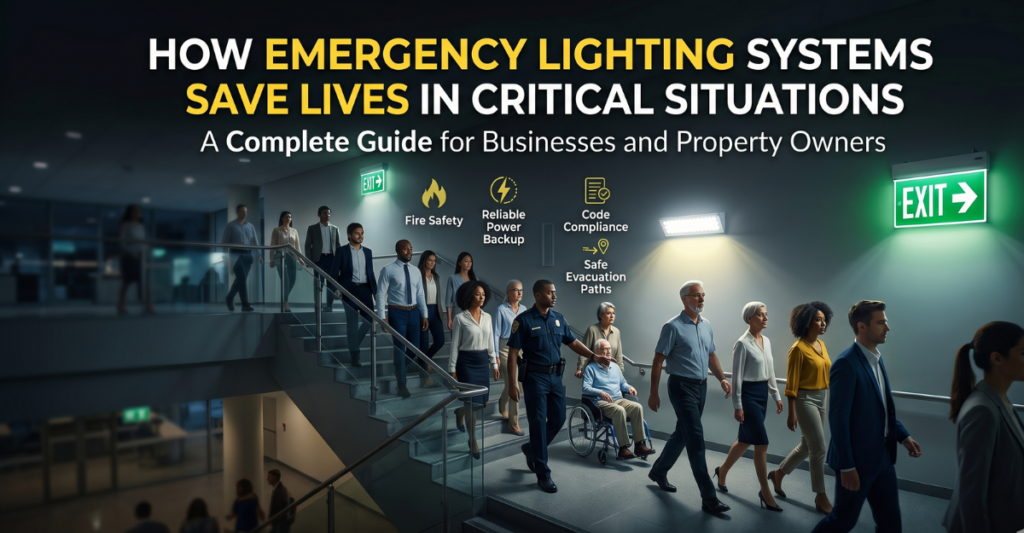
When we think about building safety, most people immediately consider fire alarms, security systems, or surveillance cameras. However, one of the most critical — yet often overlooked — components of safety infrastructure is emergency lighting.
In moments of crisis, such as power outages, fires, earthquakes, or other emergencies, visibility becomes a matter of life and death. Without proper lighting, panic increases, evacuation slows down, and the risk of injury rises dramatically.
Emergency lighting systems are designed to automatically activate when the main power supply fails, providing illumination that guides occupants safely out of a building. Whether it’s a commercial property, industrial facility, or residential complex, these systems play a crucial role in protecting lives.
This guide explores everything you need to know about emergency lighting systems — from how they work to why they are essential, and how to choose the best solution for your needs.
What Are Emergency Lighting Systems?
Emergency lighting systems are backup lighting solutions that activate automatically during power failures. Their primary purpose is to ensure visibility in critical areas, allowing occupants to safely navigate and evacuate a building.
These systems typically include:
- Exit signs
- Emergency luminaires (lights)
- Backup power sources (batteries or generators)
- Control systems
Unlike regular lighting, emergency systems are designed to operate independently from the main electrical supply, ensuring reliability during emergencies.
Why Emergency Lighting Saves Lives
1. Prevents Panic During Emergencies
In a crisis, darkness can cause confusion and fear. Emergency lighting provides immediate illumination, helping people stay calm and make rational decisions.
2. Guides Safe Evacuation
Clearly lit exit routes allow occupants to find the fastest and safest way out of a building. Without proper lighting, evacuation becomes chaotic and dangerous.
3. Reduces Injuries
Trips, falls, and collisions are common in low-visibility situations. Emergency lighting minimizes these risks by illuminating pathways and obstacles.
4. Supports First Responders
Firefighters and emergency personnel rely on lighting to navigate buildings quickly and efficiently. Proper illumination can significantly improve rescue operations.
Types of Emergency Lighting Systems
Understanding the different types of emergency lighting helps you choose the right solution for your building.
1. Maintained Emergency Lighting
These lights operate continuously, even during normal conditions. When power fails, they remain on without interruption.
Best for:
- Theaters
- Shopping malls
- Public spaces
2. Non-Maintained Emergency Lighting
These lights remain off during normal operation and activate only when there is a power failure.
Best for:
- Offices
- Warehouses
- Industrial facilities
3. Sustained Emergency Lighting
A combination of maintained and non-maintained lighting, offering flexibility for different environments.
4. Exit Sign Lighting
Illuminated signs that clearly indicate escape routes and exits. These are mandatory in most commercial buildings.
Key Components of Emergency Lighting Systems
1. Power Supply
Emergency lighting systems rely on backup power sources such as:
- Rechargeable batteries
- Central battery systems
- Generators
2. Light Fixtures
Modern systems use energy-efficient LED lighting, which offers:
- Longer lifespan
- Lower energy consumption
- Brighter illumination
3. Control Systems
These ensure automatic activation during power failure and monitor system performance.
Where Emergency Lighting Is Required
Emergency lighting is essential in a wide range of environments:
Commercial Buildings
- Offices
- Retail stores
- Restaurants
Industrial Facilities
- Factories
- Warehouses
Residential Buildings
- Apartment complexes
- Condominiums
Public Spaces
- Hospitals
- Schools
- Airports
Legal Requirements and Compliance
Most countries have strict regulations regarding emergency lighting. These codes ensure that buildings provide safe evacuation conditions.
Common Requirements Include:
- Minimum illumination levels
- Clearly marked exit routes
- Regular testing and maintenance
- Backup power duration (typically 90 minutes or more)
Failure to comply can result in:
- Fines
- Legal liability
- Increased risk during emergencies
The Role of LED Technology in Emergency Lighting
Modern emergency lighting systems increasingly rely on LED technology.
Benefits of LED Emergency Lighting:
- Energy efficiency
- Long lifespan (up to 50,000 hours)
- Low maintenance costs
- Instant illumination
LED systems are not only more reliable but also environmentally friendly.
How to Choose the Right Emergency Lighting System
Selecting the right system depends on several factors:
1. Building Size and Layout
Larger buildings require more comprehensive coverage.
2. Occupancy Type
Different environments have different safety needs.
3. Budget
While cost is important, safety should never be compromised.
4. Compliance Requirements
Ensure the system meets local regulations.
Installation Best Practices
Proper installation is critical for system effectiveness.
Key Tips:
- Place lights along escape routes
- Ensure visibility of exit signs
- Avoid shadowed areas
- Install at appropriate heights
Professional installation is strongly recommended.
Maintenance and Testing
Emergency lighting systems must be regularly maintained to ensure reliability.
Routine Maintenance Includes:
- Monthly functional tests
- Annual full-duration tests
- Battery inspections
- Cleaning fixtures
Neglecting maintenance can lead to system failure when it matters most.
Common Mistakes to Avoid
1. Poor Placement
Lights that don’t cover critical areas reduce effectiveness.
2. Lack of Maintenance
Even the best systems fail without proper upkeep.
3. Ignoring Regulations
Non-compliance can be costly and dangerous.
The Future of Emergency Lighting
Technology continues to improve safety systems.
Emerging Trends:
- Smart emergency lighting systems
- IoT integration
- Self-testing systems
- Wireless monitoring
These innovations enhance reliability and reduce maintenance efforts.
Why Businesses Should Invest in High-Quality Safety Lighting
Investing in emergency lighting is not just about compliance — it’s about responsibility.
Benefits Include:
- Protecting employees and customers
- Reducing liability risks
- Enhancing building safety reputation
- Ensuring business continuity
Emergency lighting systems are a vital component of any building’s safety infrastructure. They provide visibility, guide evacuations, and ultimately save lives during critical situations.
Whether you’re managing a commercial property, industrial facility, or residential building, investing in a reliable emergency lighting system is one of the smartest decisions you can make.
Safety is not optional — it’s essential.
Give us a call today at 1-877-777-6086 or fill out our contact form to become a retail
distributor of our top-of-the-line safety lights.