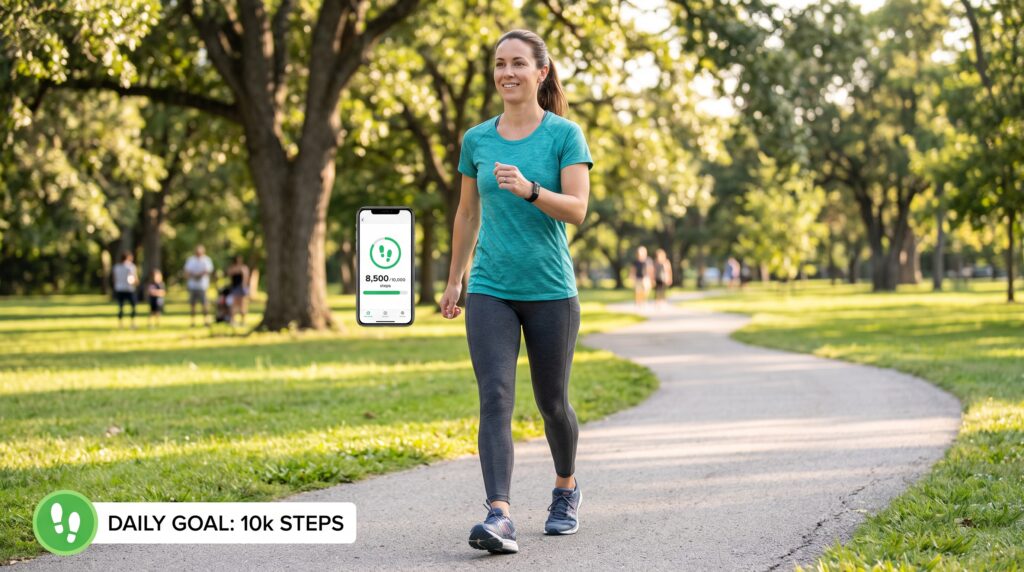
Understanding the Importance of Daily Walking Goals
Setting and achieving daily walking goals is an essential component of maintaining a healthy lifestyle and improving your overall fitness. As a fitness enthusiast, you’re likely aware of the numerous benefits that regular walking can provide, from boosting cardiovascular health to enhancing mental well-being. By establishing specific daily walking goals, you create a structured approach to your fitness routine that can help you stay motivated and track your progress over time. Whether you’re just starting your fitness journey or looking to step up your game, incorporating daily walking goals into your routine can be a game-changer for your health and wellness.
Assessing Your Current Fitness Level
Before diving into setting your daily walking goals, it’s crucial to assess your current fitness level. This evaluation will help you establish realistic targets and ensure that you’re challenging yourself without risking injury or burnout. Start by tracking your average daily steps for a week using a pedometer or smartphone app. Take note of how you feel after different distances and durations of walking. Consider factors such as:
- Your current activity level
- Any existing health conditions or injuries
- Your age and overall fitness
- Your schedule and available time for walking
By taking these factors into account, you’ll be better equipped to set achievable daily walking goals that align with your fitness level and lifestyle.
Setting SMART Daily Walking Goals
When it comes to establishing effective daily walking goals, the SMART framework is an excellent tool to ensure your objectives are well-defined and attainable. SMART stands for Specific, Measurable, Achievable, Relevant, and Time-bound. Let’s break down how to apply this framework to your daily walking goals:
Specific
Make your goals as precise as possible. Instead of simply saying, “I want to walk more,” define exactly what you want to achieve. For example, “I want to walk 10,000 steps per day” or “I aim to walk for 45 minutes each morning before work.”
Measurable
Ensure that your goals can be quantified and tracked. This could involve using a step counter, measuring distance covered, or tracking the time spent walking. By having measurable goals, you can easily monitor your progress and stay motivated.
Achievable
Set goals that challenge you but are still within reach. If you’re currently averaging 3,000 steps a day, jumping to 15,000 steps might be too ambitious. Instead, gradually increase your target over time. For instance, aim for 5,000 steps daily for the first week, then increase by 1,000 steps each subsequent week.
Relevant
Ensure your daily walking goals align with your overall fitness objectives and lifestyle. If you’re trying to improve your cardiovascular health or lose weight, make sure your walking goals contribute to these broader aims.
Time-bound
Set a specific timeframe for achieving your goals. This could be daily targets, weekly milestones, or long-term objectives. For example, “I will reach 10,000 steps per day consistently within two months.”
Creating a Personalized Walking Plan
With your SMART goals in place, it’s time to develop a personalized walking plan that fits your lifestyle and helps you achieve your daily walking goals. Consider the following factors when crafting your plan:
Schedule
Identify the best times in your day for walking. This could be early morning walks to kickstart your day, lunchtime strolls to break up your workday, or evening walks to unwind. Be realistic about your schedule and choose times that you can consistently commit to.
Route Planning
Map out various walking routes in your neighborhood or nearby areas. Having a variety of paths to choose from can help prevent boredom and keep you motivated. Consider factors such as terrain, scenery, and safety when selecting your routes.
Intensity and Duration
Vary the intensity and duration of your walks to challenge yourself and prevent plateaus. Incorporate a mix of leisurely strolls, brisk walks, and even some interval training by alternating between faster and slower paces.
Gradual Progression
Start with a manageable daily step count or walking duration and gradually increase it over time. This approach helps build endurance and reduces the risk of injury or burnout.
Incorporating Technology to Track Your Progress
In today’s digital age, numerous technological tools can help you track and achieve your daily walking goals. Leveraging these resources can provide valuable insights, boost motivation, and make your walking routine more engaging. Consider incorporating the following tech solutions:
Fitness Trackers and Smartwatches
Devices like Fitbit, Apple Watch, or Garmin watches can accurately track your steps, distance covered, calories burned, and even heart rate. Many of these devices also offer features like GPS tracking, workout summaries, and goal-setting capabilities.
Smartphone Apps
If you prefer not to invest in a separate device, numerous smartphone apps can help you track your daily walking goals. Popular options include:
- Google Fit
- MyFitnessPal
- Pacer
- MapMyWalk
These apps often provide detailed statistics, route mapping, and even social features to connect with other walkers.
Smart Scales
While not directly related to walking, smart scales can help you track changes in weight, body fat percentage, and other metrics that may be influenced by your increased walking activity.
Virtual Challenges
Participate in virtual walking challenges through apps or online communities. These can provide extra motivation and a sense of community as you work towards your daily walking goals.
Overcoming Common Obstacles to Daily Walking
Even with the best intentions and a solid plan, you may encounter obstacles that make it challenging to achieve your daily walking goals. Here are some common hurdles and strategies to overcome them:
Time Constraints
If you struggle to find time for dedicated walks, try breaking your daily goal into smaller segments. Take several short walks throughout the day, such as a 10-minute walk during your lunch break or a quick stroll after dinner. You can also incorporate walking into your daily routine by:
- Walking to nearby errands instead of driving
- Taking the stairs instead of the elevator
- Parking farther away from your destination
- Walking while on phone calls
Inclement Weather
Don’t let bad weather derail your walking goals. Prepare for various conditions by:
- Investing in weather-appropriate gear (raincoat, waterproof shoes, etc.)
- Having indoor alternatives, such as walking in a mall or using a treadmill
- Embracing the weather and viewing it as an opportunity for a unique walking experience
Lack of Motivation
On days when motivation is low, try these strategies to stay on track:
- Find a walking buddy or join a walking group for accountability
- Create a motivating playlist or listen to engaging podcasts while walking
- Reward yourself for consistently meeting your daily walking goals
- Visualize the long-term benefits of sticking to your walking routine
Enhancing Your Walking Routine
As you become more comfortable with your daily walking goals, consider incorporating these elements to enhance your routine and maximize the benefits:
Proper Walking Form
Pay attention to your walking technique to improve efficiency and reduce the risk of injury. Focus on:
- Maintaining good posture with your head up and shoulders relaxed
- Engaging your core muscles
- Landing on your heel and rolling through to your toes
- Swinging your arms naturally
Interval Training
Introduce interval training to boost cardiovascular fitness and calorie burn. Alternate between periods of brisk walking and your normal pace. For example, walk at a challenging pace for 1 minute, then return to your regular pace for 2 minutes. Repeat this pattern throughout your walk.
Terrain Variety
Incorporate different terrains into your walks to challenge your body in new ways:
- Hills for building leg strength and endurance
- Sand or grass for increasing stability and working smaller muscles
- Stairs for an extra cardiovascular challenge
Walking Meditation
Practice mindfulness during your walks to enhance mental well-being. Focus on your breath, the sensations in your body, and the environment around you. This can help reduce stress and increase the overall enjoyment of your walking routine.
Tracking and Celebrating Your Progress
Regularly monitoring your progress is crucial for staying motivated and achieving your daily walking goals. Implement these strategies to track and celebrate your achievements:
Keep a Walking Journal
Maintain a log of your daily walks, including:
- Distance covered
- Duration of walk
- Step count
- How you felt during and after the walk
This journal can help you identify patterns, track improvements, and stay accountable to your goals.
Set Milestone Rewards
Establish rewards for reaching specific milestones in your walking journey. For example, treat yourself to a massage after consistently meeting your daily step goal for a month, or buy new walking gear when you reach a certain cumulative distance.
Share Your Achievements
Don’t be afraid to share your progress with friends, family, or on social media. This can provide additional motivation and support, as well as inspire others to start their own walking routines.
Reassess and Adjust Goals
Regularly evaluate your progress and adjust your daily walking goals as needed. As you become fitter, you may find that your initial goals are too easy. Conversely, if you’re consistently struggling to meet your targets, it may be necessary to scale back and build up gradually.
Combining Walking with Other Fitness Activities
While walking is an excellent foundation for your fitness routine, combining it with other activities can provide a well-rounded approach to your health and wellness. Consider incorporating these complementary exercises:
Strength Training
Adding strength training to your routine can help build muscle, increase bone density, and improve overall fitness. Try bodyweight exercises like squats, lunges, and push-ups, or use resistance bands for added challenge. You can even incorporate these exercises into your walks by stopping at regular intervals to perform a set.
Flexibility Work
Improve your range of motion and reduce the risk of injury by incorporating stretching or yoga into your routine. This can be especially beneficial after your walks to help cool down and prevent muscle tightness.
Balance Exercises
Enhance your stability and coordination with balance exercises. Simple activities like standing on one foot or walking heel-to-toe can be easily integrated into your daily walking routine.
Cross-Training
On days when you need a break from walking, consider low-impact activities like swimming, cycling, or using an elliptical machine. These exercises can help maintain your cardiovascular fitness while giving your joints a rest from the impact of walking.
By implementing these strategies and staying committed to your daily walking goals, you’ll be well on your way to improving your fitness, health, and overall well-being. Remember that consistency is key, and even small steps forward contribute to significant progress over time. Embrace the journey, stay motivated, and enjoy the numerous benefits that come with achieving your daily walking goals.