When you think about maintaining your fitness routine, the changing seasons shouldn’t be an obstacle—they should be an opportunity. Getting outside for your workouts offers incredible benefits that no gym can replicate, from fresh air and natural vitamin D to the mental health boost that comes from connecting with nature. Whether you’re a seasoned athlete looking to diversify your training or a busy parent trying to squeeze in exercise while keeping your kids active, outdoor fitness ideas for all seasons can transform how you approach health and wellness throughout the entire year.
The beauty of outdoor exercise is that it’s accessible, often free, and can be adapted to any fitness level. You don’t need expensive equipment or memberships to get started. What you do need is a willingness to embrace whatever weather comes your way and some creative thinking about how to make the most of each season’s unique characteristics. From the vibrant energy of spring to the cozy challenge of winter workouts, every season offers distinct advantages for outdoor fitness enthusiasts.
Spring Into Action: Outdoor Fitness Ideas for Renewal
Spring represents rebirth and renewal, making it the perfect time to refresh your fitness routine and take your workouts outside after a long winter. The moderate temperatures and blooming landscapes create an inspiring backdrop for physical activity. You’ll find that spring weather is forgiving enough for beginners while still offering the cool conditions that serious athletes appreciate for high-intensity training.
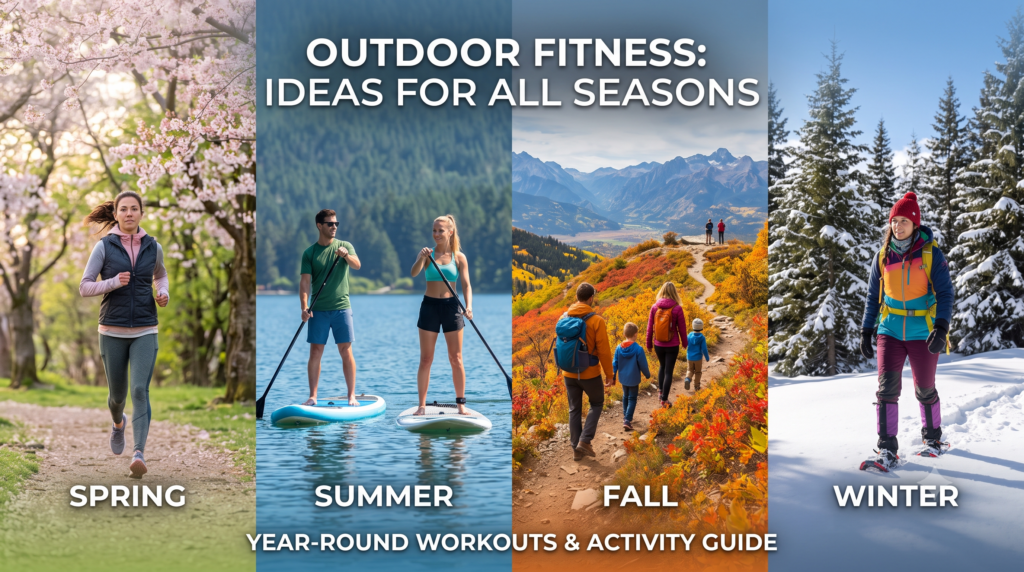
Trail running and hiking become particularly appealing in spring when muddy paths dry out and wildflowers begin to appear along the routes. You can start with gentle nature walks if you’re easing back into exercise, then gradually increase intensity and distance as your conditioning improves. Bring your kids along and turn it into a scavenger hunt—they’ll be getting exercise without even realizing it, and you’ll be modeling healthy outdoor habits that last a lifetime.
The spring season also offers perfect conditions for outdoor boot camps and circuit training. You can design workouts using park benches for step-ups and tricep dips, playground equipment for pull-ups, and open grass areas for plyometric exercises like burpees and jumping jacks. The key is to layer your clothing appropriately since spring temperatures can fluctuate significantly throughout a single workout session.
Cycling Adventures in Mild Weather
Spring cycling combines comfortable temperatures with scenic routes that showcase nature’s awakening. Whether you prefer road cycling, mountain biking, or casual rides with your family, this season provides ideal conditions for two-wheeled fitness. The longer daylight hours mean you can fit in rides before or after work without worrying about darkness cutting your workout short.
Consider joining a local cycling group or organizing family bike outings to nearby parks or trails. This social element adds accountability to your fitness routine while creating opportunities for meaningful connections. For busy parents, bike rides can double as quality family time and exercise, checking two important boxes simultaneously.
Gardening as Functional Fitness
Don’t underestimate the workout potential of spring gardening and yard work. Digging, planting, weeding, and mulching engage your entire body in functional movements that build strength, flexibility, and endurance. You’re essentially doing squats, lunges, and core work while cultivating vegetables that will support your nutrition goals later in the summer.
A single hour of active gardening can burn between 200-400 calories depending on the intensity of your work. Plus, you’re building something productive and teaching your children valuable lessons about where food comes from. Make it more challenging by setting timers for focused work intervals or by incorporating intentional exercises between gardening tasks.
Summer Fitness: Maximizing Long Days and Warm Weather
Summer delivers the longest days and warmest weather, creating endless possibilities for outdoor fitness adventures. However, the heat also requires smart planning and proper precautions to exercise safely. The outdoor fitness ideas for all seasons that you implement during summer should prioritize hydration, sun protection, and timing your workouts during cooler parts of the day.
Water-based activities become essential during the hottest months, offering refreshing workouts that are easy on your joints while still providing excellent cardiovascular and strength benefits. Swimming laps, water aerobics, paddleboarding, kayaking, and surfing all deliver full-body workouts while keeping you cool. If you have access to a lake, river, or ocean, these activities can become regular parts of your summer fitness routine.
Early morning workouts take on special significance during summer when temperatures are most manageable and the day’s obligations haven’t yet taken over your schedule. There’s something magical about watching the sunrise during a morning run or outdoor yoga session. You’ll find that starting your day with outdoor exercise sets a positive tone that carries through to your work, parenting, and other responsibilities.
Beach and Sand Training
If you live near a beach or can visit one regularly, sand provides an exceptional training surface that increases workout intensity while reducing impact. Running on sand requires significantly more effort than running on pavement, meaning you get a better workout in less time. Your stabilizer muscles work overtime to maintain balance on the uneven surface, improving overall functional fitness.
Beach volleyball, frisbee, and other sand sports offer playful ways to get your heart rate up while enjoying social interaction. These activities work especially well for families since kids naturally love playing in the sand. You’re all exercising together without it feeling like structured workout time, which can be especially valuable for keeping children engaged in physical activity.
Evening Outdoor Activities
Summer evenings provide perfect conditions for neighborhood walks, outdoor yoga classes, or recreational sports leagues. Many communities organize adult softball, kickball, or soccer leagues that meet one or two evenings per week. These structured activities provide accountability and social connections while ensuring you get regular exercise.
Consider organizing outdoor movie nights that include active games beforehand, or plan family bike rides to local ice cream shops as occasional treats. The goal is to build a lifestyle where outdoor activity feels natural and enjoyable rather than like a chore you’re forcing yourself to complete.
Fall Fitness: Embracing Cool Temperatures and Changing Scenery
Fall often ranks as athletes’ favorite season for outdoor training because the temperatures drop back into that comfortable range where you can push hard without overheating. The stunning foliage creates motivation to get outside and explore, while the approaching winter adds urgency to maximize outdoor training time before conditions become more challenging. Outdoor fitness ideas for all seasons reach a particular sweet spot during autumn months.
Distance running and race training thrive in fall conditions when cooler air makes it easier to sustain efforts over longer distances. This is when many communities host marathons, half-marathons, and other running events. Whether you’re an experienced runner or someone who’s always wanted to try a 5K, fall provides ideal conditions for building endurance and achieving distance goals.
The fall harvest also creates opportunities to combine fitness with family activities. Apple picking, pumpkin patches, and corn mazes all involve significant walking and physical activity. You can turn these outings into more intentional workouts by carrying heavier items, choosing longer routes, or adding exercises at different stations throughout your adventure.
Hiking Peak Season
Fall hiking offers the best of all worlds: comfortable temperatures, stunning views, and fewer bugs than summer months. The changing leaves create spectacular scenery that makes even challenging hikes feel worthwhile. You can plan weekend adventures to nearby state parks or nature preserves, turning hiking into a regular fall tradition that keeps you active while providing stress relief and family bonding time.
Challenge yourself with more difficult trails that include elevation gain or longer distances. Hiking works your cardiovascular system while building leg strength and improving balance through varied terrain. Don’t forget to bring your camera—the photo opportunities during fall hikes can document your fitness journey while capturing beautiful memories.
Outdoor Strength Training
The comfortable fall weather makes it ideal for outdoor strength workouts that might feel too hot in summer or too cold in winter. You can set up a complete outdoor gym using minimal equipment: resistance bands, a yoga mat, and perhaps a set of dumbbells or a kettlebell. Parks with fitness equipment stations offer even more options for comprehensive strength workouts.
Try partner exercises with your spouse or a friend, which can include medicine ball passes, wheelbarrow walks, and resistance band work. For busy parents, these workouts can happen while kids play at the playground, allowing you to supervise children while still prioritizing your own fitness needs.
Winter Outdoor Fitness: Conquering Cold Weather Challenges
Winter intimidates many people away from outdoor exercise, but with proper preparation and the right mindset, cold-weather workouts offer unique benefits and satisfaction. The outdoor fitness ideas for all seasons that you implement during winter months build mental toughness and resilience that carry over into every area of your life. You’ll discover that you’re capable of far more than you previously believed.
Cold-weather running becomes a badge of honor for dedicated athletes who refuse to let winter interrupt their training. With appropriate layering—moisture-wicking base layers, insulating middle layers, and wind-breaking outer shells—you can comfortably run in surprisingly cold temperatures. The key is protecting your extremities with quality gloves, hats, and warm socks, while using neck gaiters or balaclavas when temperatures drop significantly.
Winter running actually offers advantages over summer training. You won’t overheat, there’s no need to carry as much water, and you’ll often have trails and paths to yourself. The mental challenge of heading out in cold weather builds discipline that serves you well year-round. Just remember to warm up properly indoors before heading out and to stay visible with reflective gear during the darker winter months.
Snow Sports and Winter Activities
If you live in an area with snow, embrace winter-specific activities that provide excellent workouts while celebrating the season’s unique offerings. Snowshoeing delivers a tremendous cardiovascular workout while being accessible to most fitness levels. Cross-country skiing ranks among the best full-body exercises you can do, engaging your arms, core, and legs simultaneously.
Downhill skiing and snowboarding obviously provide great exercise, but even sledding with your kids gets your heart rate up through repeated climbs back up the hill. Building snowmen, having snowball fights, and creating snow forts all count as physical activity that keeps you and your family moving rather than hibernating indoors all winter.
Winter Hiking and Nature Walks
Winter hiking reveals landscapes in ways you never see during warmer months. Frozen waterfalls, snow-covered trees, and crisp air create stunning environments for outdoor exercise. Many trails become less crowded in winter, offering peaceful solitude that enhances the mental health benefits of outdoor exercise.
Invest in traction devices like microspikes that attach to your hiking boots or trail runners, providing stability on icy or packed snow trails. Dress in layers that you can adjust as you warm up during your hike, and always carry extra clothing in case conditions change. Winter hiking requires more preparation than summer outings, but the rewards include spectacular scenery and the satisfaction of continuing your outdoor fitness routine year-round.
All-Season Outdoor Yoga and Bodyweight Training
Some outdoor fitness ideas for all seasons transcend specific weather conditions and can be adapted to work year-round with minor adjustments. Yoga and bodyweight exercises fall into this category, offering versatile workout options that require minimal equipment and can be done almost anywhere.
Outdoor yoga connects you with nature in ways that studio practice cannot match. Practicing sun salutations during an actual sunrise, feeling grass beneath your mat, and hearing birds in the background creates a holistic experience that deepens your practice. You can adapt outdoor yoga to any season—spring and fall offer ideal temperatures, summer sessions work best early or late in the day, and winter yoga can be shortened and practiced in sunny spots that provide natural warmth.
Bodyweight exercises like push-ups, squats, lunges, planks, and mountain climbers can be performed outdoors regardless of season. You might shorten your workout during extreme temperatures, but maintaining some outdoor exercise throughout the year keeps you connected to nature and prevents you from becoming too dependent on indoor facilities.
Park Workout Circuits
Design circuit workouts that use park features and natural elements as your gym equipment. Benches become platforms for step-ups, elevated push-ups, and tricep dips. Trees can anchor resistance bands for rows and chest presses. Hills or stadium stairs provide built-in cardio intervals. Fallen logs become balance beams for core stability work.
The constantly changing outdoor environment—wind resistance, uneven ground, temperature variations—forces your body to adapt in ways that stationary indoor equipment cannot replicate. This variability improves functional fitness and better prepares you for real-world physical demands.
Family-Friendly Outdoor Fitness Throughout the Year
For busy parents, finding outdoor fitness ideas for all seasons that include your children solves multiple challenges simultaneously. You’re modeling healthy behaviors, spending quality time together, and ensuring everyone gets necessary physical activity. The key is making exercise feel like play rather than work, especially for younger children.
Active transportation represents one of the simplest ways to incorporate more outdoor movement into family life. Walking or biking to school, parks, friends’ houses, or local errands turns necessary transportation into exercise opportunities. Even if you can’t walk the entire way, consider parking farther from destinations and walking the last portion of the journey.
Seasonal sports and activities keep things fresh and give children something to look forward to as weather changes. Spring might mean teaching kids to ride bikes or rollerblading in parking lots. Summer could focus on swimming lessons and water play. Fall brings opportunities for nature scavenger hunts during walks. Winter means snow play and possibly introducing kids to skiing or ice skating.
Playground Workouts
Rather than sitting on a bench while your kids play, use playground time as your workout opportunity. Many playground structures offer perfect setups for effective exercises. Monkey bars provide pull-up and hanging core work options. Swing sets allow for suspended exercises. Play structures offer varied surfaces for step-ups, incline push-ups, and stretching.
Alternate between your exercises and playing with your kids. Do a set of pull-ups, then push them on swings. Complete walking lunges around the playground perimeter, then join them climbing. This approach keeps you moving while still being present and engaged with your children.
Weekend Adventure Planning
Dedicate weekends to longer outdoor adventures that provide extended physical activity for the whole family. Plan seasonal activities like spring wildflower hikes, summer beach days, fall apple picking excursions, or winter snowshoeing adventures. These extended outings provide hours of movement while creating lasting memories and strengthening family bonds.
Involve children in planning these adventures by letting them help choose destinations or activities. When kids have ownership in the decision-making process, they’re more likely to participate enthusiastically. Take photos documenting your outdoor fitness adventures throughout the year, creating a visual record of your family’s commitment to active, healthy living.
Safety Considerations for Year-Round Outdoor Exercise
While outdoor fitness ideas for all seasons offer tremendous benefits, you need to approach each season with awareness of specific safety concerns. Different weather conditions present unique challenges that require appropriate preparation and precautions. Being smart about safety ensures you can continue exercising outdoors year-round without injury or illness.
Weather monitoring should become part of your outdoor fitness routine. Check forecasts before heading out and understand warning signs for dangerous conditions. Lightning poses serious risks during summer thunderstorms. Extreme heat can lead to heat exhaustion or heat stroke. Winter brings concerns about frostbite and hypothermia. Wind chill factors, air quality indexes, and precipitation predictions all influence whether and how you should exercise outdoors.
Visibility becomes critical during seasons with shorter daylight hours. Invest in reflective clothing, headlamps, and flashing lights if you run, walk, or cycle in darkness. Choose well-lit routes when possible and consider exercising with a partner for added safety. Let someone know your planned route and expected return time whenever you head out for solo outdoor workouts.
Hydration and Nutrition Across Seasons
Your hydration needs vary seasonally, but they’re important year-round. Summer’s heat makes dehydration risks obvious, but winter’s cold can be deceptive—you’re still losing fluids through respiration and sweat, even if you don’t feel as thirsty. Carry water during workouts regardless of season, and increase your overall daily fluid intake when exercising regularly outdoors.
Nutrition timing also matters for outdoor exercise. In cold weather, eating something before your workout provides fuel that helps your body generate heat. During hot weather, avoid heavy meals immediately before exercise to prevent digestive discomfort. Always carry emergency nutrition like energy gels or bars during longer outings, regardless of season.
Appropriate Gear for Each Season
Investing in season-appropriate exercise gear makes outdoor workouts safer and more comfortable. Technical fabrics that wick moisture work year-round, keeping you dry whether you’re sweating in summer heat or trying to stay warm in winter cold. Layering systems allow you to adjust your insulation level as conditions change during a single workout.
Summer requires sun protection including hats, sunglasses, and sunscreen. Spring and fall call for versatile layers that you can add or remove easily. Winter demands insulating layers, windproof shells, warm accessories, and possibly traction devices for shoes. Quality gear represents an investment in your ability to maintain outdoor fitness routines throughout the year.
Building Mental Resilience Through All-Season Training
The psychological benefits of maintaining outdoor fitness ideas for all seasons extend far beyond physical health. When you commit to exercising outside regardless of weather conditions, you develop mental toughness that influences every aspect of your life. You prove to yourself repeatedly that you can do hard things, that discomfort is temporary, and that you’re stronger than you realized.
Seasonal adaptability builds problem-solving skills as you learn to adjust workouts based on conditions. You develop resilience when you head out for a run in cold rain or schedule an early morning workout to avoid afternoon heat. These small acts of discipline compound over time, strengthening your ability to follow through on commitments even when circumstances aren’t ideal.
The constantly changing outdoor environment also combats exercise boredom in ways that indoor workouts cannot match. Every season brings new scenery, different challenges, and varied experiences. This natural variety keeps you mentally engaged and looking forward to your workouts rather than dreading another session in a climate-controlled gym.
Connection with Nature’s Rhythms
Year-round outdoor exercise reconnects you with natural cycles and seasonal changes that modern indoor living often obscures. You notice the first spring flowers, track summer’s progression through lengthening then shortening days, marvel at fall colors, and appreciate winter’s stark beauty. This awareness grounds you in something larger than your daily concerns and screens.
Studies consistently show that exercising in natural environments reduces stress, anxiety, and depression more effectively than equivalent indoor exercise. The combination of physical activity, fresh air, natural light, and green spaces creates powerful synergy for mental health. Making outdoor exercise a year-round practice maximizes these psychological benefits.
Creating Your Personal All-Season Outdoor Fitness Plan
Successfully implementing outdoor fitness ideas for all seasons requires more than just enthusiasm—you need a realistic plan that accounts for your schedule, fitness level, available locations, and personal preferences. The most effective approach involves creating a flexible framework that adapts to changing conditions while maintaining consistency in your overall commitment to outdoor exercise.
Start by assessing your current fitness level honestly and identifying seasonal activities that match your abilities while offering room for progression. If you’re new to outdoor exercise, begin with accessible activities like walking or easy bike rides, then gradually increase intensity and duration as your fitness improves. Experienced athletes can use seasonal transitions as opportunities to cross-train and develop different physical capabilities.
Map out a rough annual plan that designates primary activities for each season based on your local climate and available facilities. This doesn’t need to be rigid—flexibility is important—but having a general framework prevents decision fatigue and helps you prepare with appropriate gear and skills. Your plan might include trail running in spring, swimming and cycling in summer, hiking and road running in fall, and a mix of winter activities depending on your location.
Setting Seasonal Goals
Establish specific fitness goals for each season to maintain motivation and track progress. Spring goals might focus on building cardiovascular base fitness and losing winter weight. Summer could emphasize maintaining consistency despite heat and vacation schedules. Fall often works well for race goals or achieving distance milestones. Winter might prioritize strength building and mental toughness.
Write down your goals and share them with supportive friends or family members who can provide accountability. Consider signing up for seasonal events like spring 5Ks, summer triathlons, fall hiking challenges, or winter snowshoe races. Having concrete targets on your calendar increases your likelihood of following through with training.
Building Support Systems
Finding workout partners or joining outdoor fitness groups dramatically increases your chances of maintaining year-round outdoor exercise habits. Training partners provide accountability on days when motivation lags, make workouts more enjoyable through social interaction, and enhance safety during outdoor activities. Many communities have running clubs, hiking groups, cycling teams, and outdoor fitness classes that welcome participants of all levels.
For busy parents, connecting with other families who value outdoor activity creates opportunities for joint outings where adults can exercise while children play together. This approach solves childcare challenges while modeling healthy active lifestyles for the next generation.
Adapting Workouts When Weather Doesn’t Cooperate
Even with the best outdoor fitness ideas for all seasons, occasionally weather truly prevents safe outdoor exercise. Extreme temperatures, dangerous storms, or poor air quality from wildfire smoke or pollution sometimes require workout modifications. Having backup plans prevents you from skipping exercise entirely during these situations.