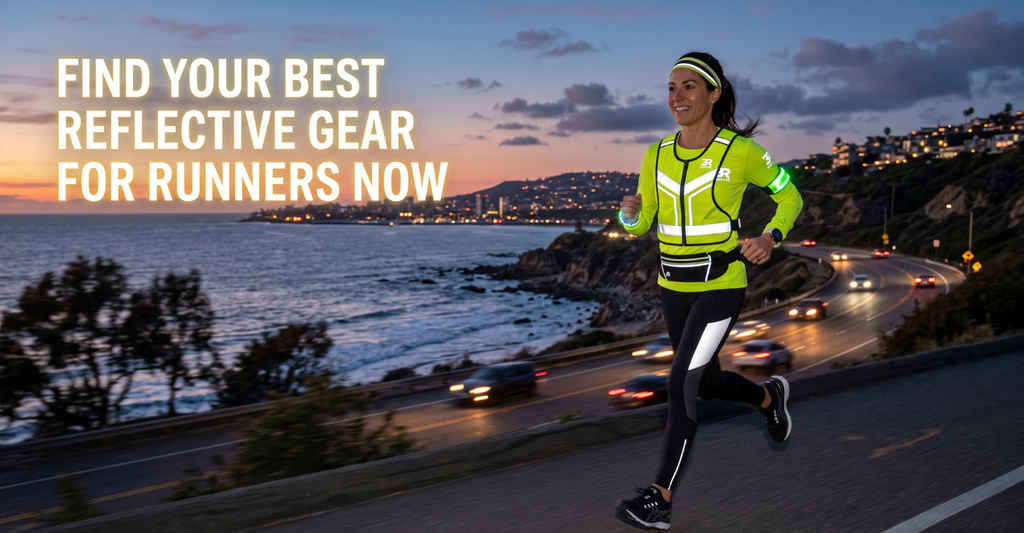
Running in low-light conditions doesn’t have to mean compromising your safety or visibility. Whether you’re squeezing in a pre-dawn workout before the kids wake up or finishing your evening miles after a long day at work, the best reflective gear for runners can literally be the difference between being seen and being at risk. As daylight saving time shifts and seasons change, runners everywhere face the reality that many of their training runs will happen when visibility is poor, making reflective gear not just a nice addition to your running wardrobe, but an absolute necessity.
You’ve probably experienced that moment when you’re driving and suddenly notice a runner or cyclist seemingly appear out of nowhere on the side of the road. That heart-stopping second happens because they weren’t wearing adequate reflective equipment. Now imagine being that runner invisible to drivers until the very last moment. It’s a scary thought, and one that becomes all too real when you consider that according to traffic safety studies, pedestrians and runners are significantly more likely to be involved in accidents during dawn and dusk hours.
Understanding Why Reflective Gear Matters for Every Runner
The science behind reflective gear is fascinating and ultimately quite simple. When you wear clothing or accessories with reflective materials, you’re essentially creating a beacon that bounces light from vehicle headlights directly back to the driver’s eyes. This retroreflection makes you visible from significantly greater distances than non-reflective clothing—we’re talking about the difference between being seen from 500 feet away versus just 50 feet. At typical driving speeds, those extra 450 feet can provide a driver with precious seconds to react and adjust their path.
Your safety on the road depends on multiple factors, but visibility ranks at the very top of the list. Dark-colored running clothes, even in bright colors like navy or dark purple, appear almost black in low-light conditions. What looks vibrant in your closet or at the running store becomes practically invisible when you’re out on the road at 5:30 AM. This is where the best reflective gear for runners truly shines, transforming you from a shadow into a clearly visible, moving figure that drivers can spot well in advance.
For busy parents trying to maintain their fitness routine, early morning or late evening runs often represent the only available training time. You’re not going to skip your workout just because it’s dark outside, nor should you have to. Instead, investing in proper reflective equipment allows you to maintain your training schedule while keeping yourself safe. Your kids need you healthy and whole, and that means being smart about visibility during every single run.
Types of Reflective Materials and Technology
Not all reflective materials are created equal, and understanding the differences can help you make smarter purchasing decisions. The most common type you’ll encounter is glass bead reflective material, which uses thousands of tiny glass spheres embedded in fabric or tape to reflect light. This technology has been around for decades and remains effective, though it typically works best when light hits it at specific angles. You’ll find this material on many affordable reflective vests and accessories, making it a great entry point for runners just starting to build their visibility arsenal.
Microprismatic reflective technology represents the next generation of visibility. These materials use geometric prism patterns instead of glass beads, resulting in reflectivity that works across a much wider range of angles. When a car’s headlights hit microprismatic material, you’ll appear brighter and more visible regardless of your position relative to the vehicle. High-end running vests, jackets, and accessories often incorporate this technology, and while they cost more upfront, the superior visibility they provide makes them worth the investment.
Some of the newest innovations in reflective gear include photoluminescent materials that actually glow after being exposed to light. These aren’t technically reflective they’re phosphorescent but they add an extra layer of visibility that works even when no direct light source is hitting you. Certain running shoes and accessories now incorporate these materials alongside traditional reflective elements, creating a multi-layered approach to visibility. The glow typically lasts for 30 minutes to several hours depending on the material quality and light exposure, giving you added visibility during those twilight periods when it’s not quite dark enough for headlights but too dim for natural visibility.
Essential Reflective Clothing Items Every Runner Should Own
A reflective running vest represents the most versatile piece of visibility gear you can purchase. These lightweight, breathable vests slip over whatever you’re already wearing, making them perfect for those morning runs when you grab whatever’s clean and head out the door. The best versions feature 360-degree reflectivity, meaning you’re visible from the front, back, and sides. Look for vests with adjustable straps that can accommodate everything from a thin summer tank top to a thick winter jacket, and consider options with pockets if you like to carry your phone or energy gels during runs.
Reflective jackets combine weather protection with visibility, making them ideal for runners in rainy or cold climates. Quality reflective running jackets incorporate reflective elements as part of the jacket design rather than just adding patches or strips. Some feature entirely reflective panels across the shoulders, chest, and back, creating large reflective surfaces that make you unmistakable on the road. The key is finding jackets where the reflective material doesn’t compromise breathability—you want to stay visible without overheating three miles into your run.
Your legs move constantly while running, creating motion that catches drivers’ attention even more effectively than static reflective materials on your torso. This makes reflective running tights and pants incredibly valuable. Many running tights now incorporate reflective logos, stripes, or patterns down the legs, with some premium options featuring large reflective panels. Even if you prefer shorts, consider reflective calf sleeves or leg bands that create that same moving, attention-grabbing effect. The best reflective gear for runners often includes lower-body options because that movement truly makes you stand out.
Reflective Accessories That Enhance Your Visibility
Sometimes you don’t need to invest in entirely new clothing—reflective accessories can transform your existing running wardrobe into safety gear. Reflective armbands are inexpensive, adjustable, and incredibly effective. You can wear them on your biceps, forearms, or even ankles, and their circular design ensures that some portion of the reflective surface faces traffic regardless of your arm position. Many runners wear multiple bands, creating several points of reflectivity that help drivers gauge your distance and speed more accurately.
Reflective belts serve double duty, offering visibility while also providing a place to clip your keys, phone, or other essentials. The best versions adjust to fit snugly without bouncing, and they feature high-quality reflective material that wraps completely around your waist. Some include LED lights in addition to reflective materials, combining passive reflectivity with active lighting for maximum visibility. When you’re wearing regular running clothes that lack reflective elements, a good reflective belt can be the fastest way to make yourself road-ready.
Don’t overlook your extremities when considering the best reflective gear for runners. Reflective gloves and headbands might seem like small additions, but they add crucial visibility points, especially during hand movements and head turns. Gloves with reflective material across the backs of the hands help drivers see you when you wave or signal, while reflective headbands or hats ensure you’re visible from above, which matters when runners cross streets or run on roads with elevation changes. These smaller items also make thoughtful gifts for the runners in your life who might not prioritize visibility gear in their own purchasing decisions.
How to Choose Reflective Running Shoes and Socks
Major running shoe manufacturers have recognized the importance of visibility, and many now incorporate reflective elements directly into their shoe designs. Reflective running shoes feature reflective overlays, heel counters, or entire panels that light up when hit by headlights. The beauty of reflective shoes is that they work automatically—you don’t have to remember to put them on separately or add them to your outfit. You’re already wearing shoes for your run, so choosing options with built-in reflectivity is one of the smartest, easiest safety decisions you can make.
When evaluating running shoes for reflectivity, consider how much of the shoe features reflective material and where it’s positioned. Heel reflectivity helps drivers approaching from behind, while side reflectivity increases visibility at intersections. Some shoes feature reflective elements throughout the entire design, practically glowing under headlights. While reflectivity shouldn’t be your only consideration when choosing running shoes—fit, cushioning, and support remain paramount—it should absolutely factor into your decision when comparing otherwise similar models.
Reflective socks offer another layer of visibility, particularly for runners who prefer low-profile visibility solutions. Several brands now make running socks with reflective threads woven throughout or reflective strips along the calf. Because your feet and lower legs move continuously and dramatically while running, reflective socks create a distinctive motion pattern that catches driver attention. They’re also affordable enough that you can buy several pairs and always have clean reflective gear ready for your next run. For parents running with jogging strollers, adding reflective socks to your gear means you remain visible even when the stroller partially obscures your torso.
Reflective Gear Specifically Designed for Different Weather Conditions
Summer reflective gear faces a unique challenge: providing maximum visibility while minimizing heat retention. The best summer options use lightweight, breathable reflective materials that don’t trap heat against your skin. Look for reflective vests made from mesh materials, reflective tank tops with strategically placed reflective strips rather than solid panels, and reflective accessories that don’t cover large surface areas. Many summer-specific reflective items use thinner reflective tape or transfers that add minimal weight while maintaining visibility. Remember that summer doesn’t mean you’re always running in daylight—those early morning training runs still require proper reflective gear, especially during peak vacation season when unfamiliar drivers might be on your usual running routes.
Cold weather running gear tends to be bulkier, which actually works in your favor when it comes to reflectivity. Winter reflective running jackets can incorporate large reflective panels without compromising comfort because you’re already wearing a substantial layer. Some of the best winter running jackets feature almost entirely reflective outer shells, making you incredibly visible while simultaneously protecting against wind and precipitation. The key is ensuring your winter layers don’t cover up your reflective elements—if you’re wearing a reflective vest under a non-reflective jacket, you’ve negated the vest’s purpose.
Rain gear with reflective elements becomes essential for runners who train regardless of weather conditions. Wet conditions already reduce visibility significantly, with rain, spray, and fogged windows making it harder for drivers to see clearly. Running in these conditions without reflective gear is genuinely dangerous. Look for rain jackets with large reflective panels, reflective rain pants, and waterproof reflective accessories. Some innovative products now feature reflective materials that actually become more visible when wet, using the water on their surface to enhance reflectivity. These represent the cutting edge of the best reflective gear for runners who refuse to let weather interrupt their training schedules.
Additional Lighting Options to Complement Reflective Gear
While reflective gear works by bouncing back light from other sources, active lighting generates its own illumination, making you visible even when no headlights are shining on you. Combining reflective gear with active lighting creates redundant safety systems that maximize your visibility from all angles and in all conditions. Clip-on LED lights attach easily to your clothing, hat, or accessories, and most offer multiple modes including steady, slow flash, and rapid strobe. Many runners prefer flashing modes because the changing light pattern catches attention more effectively than steady illumination.
LED armbands and chest lights project bright, colorful light that makes you unmistakably visible. While reflective gear makes you appear white or silver, LED lights let you add red rear lighting and white or green forward lighting, helping drivers immediately understand which direction you’re traveling. This directional information helps drivers make better decisions about when and how to pass you safely. Quality LED accessories are lightweight, water-resistant, and use long-lasting batteries—some even recharge via USB, eliminating the ongoing cost of replacement batteries.
For runners who frequently use unlit paths or rural roads, headlamps and chest-mounted running lights serve the dual purpose of helping you see the path ahead while making you visible to others. Modern running headlamps are incredibly lightweight and balanced, so you barely notice them during your run. Many feature rear-facing red lights in addition to forward illumination, creating 360-degree visibility. When combined with reflective clothing and accessories, these active lights make you as visible as possible. The best reflective gear for runners working with tight budgets might start with reflective elements and add active lighting over time as finances allow, building a comprehensive visibility system piece by piece.
Visibility Strategies for Different Running Environments
Urban runners face unique visibility challenges including streetlights that can create confusing shadows, multiple light sources that reduce contrast, and higher traffic volumes. In city environments, you need reflective gear that works from multiple angles because traffic approaches from various directions. Consider reflective vests with 360-degree coverage, reflective strips on all four limbs, and active lighting that helps you stand out against the urban light pollution. Running on sidewalks doesn’t eliminate the need for visibility—cars pulling out of driveways, turning at intersections, or parking need to see you just as clearly as traffic on main roads.
Rural and trail runners often deal with complete darkness punctuated by occasional vehicle headlights. In these environments, the best reflective gear for runners includes large reflective panels that maximize your visibility during those brief moments when headlights sweep over you. Because rural roads often have higher speed limits and less frequent traffic, drivers aren’t always expecting to encounter runners, making your visibility even more critical. Consider adding active lighting to your reflective gear setup for rural runs, as the combination ensures you’re visible even before headlights hit your reflective elements. Trail runners should particularly consider headlamps and chest lights for illuminating uneven terrain while maintaining visibility to any vehicles on nearby roads.
Suburban runners typically navigate a mix of sidewalks, bike paths, and residential streets with moderate traffic and lighting. This mixed environment requires versatile visibility solutions. A reflective vest or jacket combined with reflective leg bands and a clip-on LED light covers most suburban running scenarios effectively. Pay special attention to your visibility at intersections and crosswalks, where drivers making turns might not expect runners. Some suburban runners find that reflective gear helps not just with cars but also with cyclists sharing paths and other runners trying to avoid collisions in popular running areas.
Teaching Kids About Visibility and Running Safety
If you’re a parent who runs with your children or encourages them to be active, teaching visibility awareness starts early. Kids need to understand that drivers can’t always see them easily, especially during low-light conditions. Make selecting and wearing reflective gear part of your family’s running routine—when kids see you consistently wearing your reflective vest or turning on your LED lights before heading out, they learn that visibility is non-negotiable. Consider making it a game: have kids spot other runners or cyclists and discuss whether they were easy to see and why, turning visibility into a learning opportunity rather than just a rule to follow.
Youth-sized reflective gear is widely available and comes in fun designs that kids actually want to wear. Many children’s reflective vests feature bright colors during the day and become highly reflective at night, appealing to kids’ preferences while maintaining safety. Reflective stickers and patches let kids customize their running clothes or backpacks, giving them ownership over their visibility while ensuring they’re seen during early morning walks to school or evening family runs. When your kids participate in choosing their reflective gear, they’re more likely to wear it consistently without complaint.
Family runs during low-light hours require extra planning to ensure everyone remains visible. The best reflective gear for runners in family situations includes items for every family member, from reflective vests that adjust to fit growing kids to reflective leashes if you’re running with your dog. Consider giving each family member a different color of LED light so you can quickly account for everyone during the run. If you’re pushing a jogging stroller, add reflective tape to the stroller frame and consider a flashing red light on the back. Your visibility as a parent matters not just for your own safety but because your kids are watching and learning how to value their own safety through your example.
Maintaining and Caring for Your Reflective Gear
Proper care of reflective materials ensures they maintain their effectiveness over time. Most reflective gear can be machine washed, but always check care labels first. Use gentle cycles and avoid fabric softeners, which can coat reflective materials and reduce their effectiveness. Air drying is generally preferable to machine drying, as high heat can damage reflective elements. Some runners designate their reflective gear as hand-wash only to extend its lifespan, particularly for high-end items with premium reflective technology. Taking a few extra minutes to care for your visibility gear properly means it will keep you safe for many more runs.
Inspecting your reflective gear regularly helps you identify when items need replacement. Reflective materials can crack, peel, or lose effectiveness over time, especially with frequent use and washing. Hold items under a bright light in a dark room to check whether they still reflect strongly and evenly. If you notice areas where reflectivity has diminished significantly, it’s time to replace that item. This is particularly important for your primary visibility pieces like vests or jackets—these aren’t items where you want to squeeze out extra months of use when effectiveness has declined. Your safety is worth the cost of replacement.
Consider keeping a visibility gear maintenance log, especially if you’re training for a marathon or other event that requires consistent early morning or evening runs. Note when you purchased each item, approximately how many miles you’ve run while wearing it, and when you notice any decrease in reflectivity. This information helps you budget for replacements and ensures you’re never caught without effective reflective gear. For busy parents managing kids’ activities alongside their own training, building reflective gear replacement into your regular athletic equipment budget ensures you always have effective visibility options ready.
Budget-Friendly Options for Building Your Reflective Gear Collection
You don’t need to spend a fortune to stay visible during your runs. Affordable reflective options include simple clip-on lights that cost just a few dollars, reflective arm bands that provide excellent visibility for under ten dollars, and reflective stickers or tape that you can apply to existing running gear. While premium items with advanced reflective technology offer superior visibility, basic reflective gear is infinitely better than running with no visibility aids at all. Start with the essentials—a simple reflective vest and a clip-on LED light—then gradually build your collection as budget allows.
DIY reflective solutions can supplement purchased gear effectively. Reflective tape designed for sewing onto fabric is inexpensive and available at most craft stores. You can add reflective strips to your favorite running jacket, apply reflective tape to your existing running shoes, or create custom reflective patterns on running caps. Some runners use reflective iron-on transfers to personalize their gear while adding visibility. These DIY options work particularly well for kids’ clothing, letting them help create unique designs while learning about the importance of visibility. The best reflective gear for runners on a tight budget combines smart purchases of key items with creative DIY enhancements to existing gear.
Watch for end-of-season sales to stock up on reflective gear at reduced prices. Running stores typically discount visibility gear during late spring when daylight hours are increasing and fewer runners need low-light equipment. This is the perfect time to buy items you’ll need when fall arrives and darkness returns to your morning runs. Online retailers often offer significant discounts during Black Friday and Cyber Monday sales. Buying reflective gear during these sales periods can save you 40-50% while ensuring you have high-quality visibility equipment ready when you need it. For parents managing household budgets while prioritizing fitness, strategic shopping makes outfitting yourself and your family with proper reflective gear much more affordable.
Making Reflective Gear Part of Your Running Routine
Creating visibility habits ensures you never head out for a low-light run without proper gear. Keep your reflective vest hanging on the same hook as your running shoes, or store your reflective accessories in your running shoe so you literally can’t put them on without encountering your visibility gear. Many runners find that making reflective gear part of their pre-run checklist—along with items like checking their GPS watch or queuing up their playlist—ensures it becomes automatic rather than something they might forget. The goal is making reflective gear as much a part of your running uniform as your shoes.
Seasonal gear transitions provide natural opportunities to reassess your visibility setup. When daylight saving time ends and your usual running time suddenly becomes dark, use that shift as a reminder to pull out your reflective gear and check its condition. Similarly, when spring arrives and your morning runs become lighter, take time to properly clean and store your visibility gear so it’s ready for next season. Parents managing kids’ sports and activities can align these visibility gear checks with other seasonal transitions like back-to-school preparations or spring sports registration, creating consistent family safety routines.
Give us a call today at 1-877-777-6086 or fill out our contact form to become a retail
distributor of our top-of-the-line safety lights.