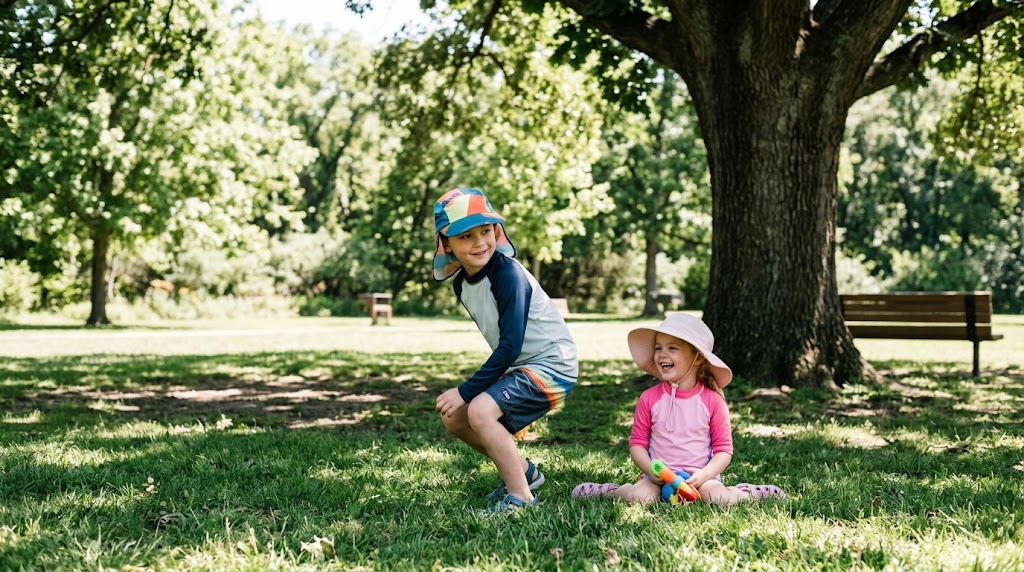
You know that feeling when you’re crushing a morning run and everything just clicks? Your stride is perfect, your breathing is controlled, and you’re totally in the zone. Now imagine if someone removed all the trail markers, turned off the streetlights, and told you to just figure it out on your own. That’s essentially what unsupervised outdoor play can feel like for kids—full of potential but lacking the safety net they need to truly thrive. Adult supervision during outdoor play isn’t about hovering or restricting freedom; it’s about creating an environment where your children can explore, challenge themselves, and develop crucial physical skills while you maintain a protective presence.
As a parent who values fitness and wants to instill those same healthy habits in your children, you’re already ahead of the curve. You understand that outdoor play isn’t just about keeping kids busy—it’s foundational for their physical development, coordination, and long-term health. Research consistently shows that children who engage in regular outdoor physical activity develop stronger bones, better cardiovascular health, and improved motor skills. But here’s the thing: all those benefits mean nothing if your child gets seriously injured because they weren’t being watched during a critical moment.
The statistics might surprise you, even if you consider yourself well-informed about child safety. According to the CDC, more than 200,000 children visit emergency rooms each year due to playground-related injuries alone. That doesn’t even account for injuries sustained during backyard play, neighborhood bike rides, or impromptu sports games. Many of these incidents could be prevented or minimized with proper adult oversight. When you’re present and attentive during outdoor activities, you can spot potential hazards before they become problems, intervene when play gets too rough, and teach your children to assess risks appropriately.
The Balance Between Freedom and Safety
Adult supervision during outdoor play doesn’t mean you need to follow your kids around like a shadow or dictate their every move. Think about it like running intervals—you need structure and awareness, but within that framework, there’s plenty of room for individual expression and pushing limits. The goal is finding that sweet spot where your children have enough independence to build confidence and creativity while you maintain enough oversight to prevent serious harm.
Different ages require different levels of supervision, much like how you’d modify workout intensity based on fitness level. Toddlers and preschoolers need constant, hands-on supervision because their understanding of cause and effect is still developing. They might run toward a street without looking, climb too high without understanding the fall risk, or put dangerous objects in their mouths. You wouldn’t expect someone new to fitness to safely perform complex Olympic lifts without coaching, and similarly, young children need you right there to guide them through safe outdoor exploration.
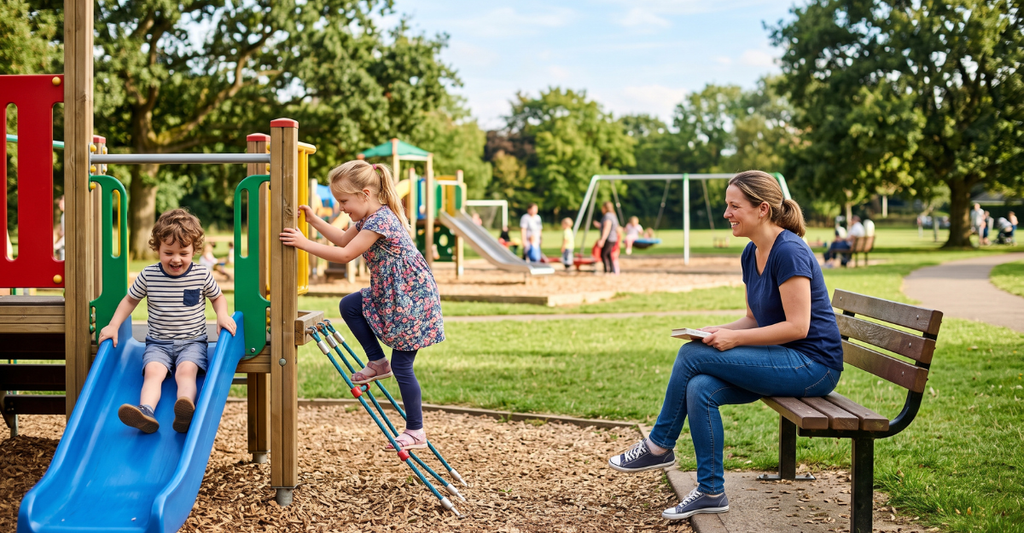
Elementary-aged children can handle a bit more distance, but they still need you nearby and checking in regularly. This is when you can start teaching them to self-monitor, recognize hazards, and make better decisions independently. Just as you learned to listen to your body during workouts—knowing when to push and when to back off—children this age are learning to read situations and respond appropriately. Your presence allows them to practice these skills with a safety net. You might sit on a bench reading while they play at the park, but you’re looking up frequently, aware of who’s around, and ready to step in if needed.
Creating a Supervision Strategy That Works for Your Family
Let’s talk practical application, because you’re busy and you need solutions that actually fit into your real life. Adult supervision during outdoor play requires a plan, just like how you wouldn’t show up to a marathon without training or a race-day strategy. Start by assessing your outdoor spaces—your backyard, the local playground, your neighborhood streets, or wherever your kids typically play. Walk through these areas with a critical eye, looking for potential hazards the way you’d evaluate a new running trail for safety concerns.
Establish clear boundaries and rules based on your children’s ages and abilities. Maybe your eight-year-old can ride their bike to the end of the block and back while you watch from the porch, but your five-year-old needs to stay in the front yard. These boundaries aren’t about limiting fun—they’re about creating structure that allows for safe exploration. Write down these rules and review them regularly with your kids, making adjustments as they demonstrate increased responsibility and awareness.
Tag-Team Supervision for Busy Households
If you’re juggling multiple children, work responsibilities, household tasks, and trying to maintain your own fitness routine, solo supervision can feel overwhelming. This is where teamwork becomes essential. Coordinate with your partner, if you have one, to trade off supervision duties. Maybe you handle morning outdoor play while they’re getting ready for work, and they take the afternoon shift while you squeeze in your workout. Communication is key—use your phones to check in, especially if one parent is inside while kids are playing outside.
Consider forming a supervision network with neighbors or friends who have similarly-aged children. Group outdoor play sessions can actually make supervision easier because you’re pooling adult resources while kids benefit from social interaction. You might organize regular meetups at the park where two or three parents rotate active supervision while others can relax a bit or even get in a quick workout nearby. This approach mimics the buddy system you might use for running safety—everything’s better with accountability and backup.
Technology can support your supervision strategy too, though it should never replace actual human oversight. Baby monitors work great for keeping audio tabs on toddlers playing in a fenced backyard while you’re preparing dinner inside. Video doorbells let you check on front-yard play. Some families use walkie-talkies so kids can check in when they’re playing slightly further from home. Just remember that screens and cameras have blind spots and delays—they’re tools to enhance supervision, not substitute for your physical presence.
Teaching Safety While Supervising
One of the most valuable aspects of adult supervision during outdoor play is the opportunity it gives you to actively teach safety concepts. You’re not just a lifeguard watching for disasters; you’re a coach helping your kids develop the judgment and skills they need to eventually play safely with less oversight. This mirrors how experienced runners mentor beginners—yes, you’re there for safety, but you’re also transferring knowledge that builds independence.
Narrate potential hazards and safe responses as you see them. When you notice your child about to climb on wet playground equipment, don’t just say “get down.” Instead, explain: “I see you want to climb on the monkey bars, but they’re wet from the rain. Wet metal is really slippery, which means your hands could slip and you could fall. Let’s wait until they dry, or you could play on the swings instead.” This approach teaches cause-and-effect thinking that kids can apply to future situations.
Use real moments as teachable opportunities rather than lecturing in the abstract. When a ball rolls toward the street, that’s your chance to reinforce street safety. When another child plays too roughly, you can discuss appropriate boundaries and conflict resolution. When your kid tries something physically challenging and succeeds, celebrate their risk assessment and capability. And when they fail safely—a small stumble, a minor scrape—you can help them process what happened and what they might do differently next time.
Physical Literacy and Body Awareness
As someone who values fitness, you understand how crucial body awareness is for safe movement. Adult supervision during outdoor play gives you the perfect context to help your children develop this literacy. Watch how they move and offer specific feedback: “You’re running really fast down that hill, but I notice you’re leaning back. Try leaning slightly forward instead—it gives you better control and you’re less likely to fall backward.”
Help them understand their own limits while encouraging appropriate challenges. If your child wants to jump off something that seems too high, you might say, “That’s pretty high. Let’s try jumping from the lower step first and see how that feels.” This teaches them to progress gradually and listen to their bodies—the same principles you use when increasing your running mileage or trying a new exercise. You’re building their confidence alongside their competence, which is the foundation of long-term physical activity participation.
Encourage diverse movement patterns during outdoor play. Running, jumping, climbing, balancing, throwing, catching—all of these contribute to overall physical development and coordination. When you’re supervising, you can facilitate this variety: “You’ve been swinging for a while. Want to try the climbing wall?” or “I see you’re great at running straight. Can you run in a zigzag pattern around these trees?” This active engagement makes supervision less passive and more enriching for everyone involved.
Weather and Environmental Considerations
Your supervision responsibilities shift with environmental conditions, much like how you adjust your running routine based on weather. Adult supervision during outdoor play means being aware of temperature extremes, sun exposure, air quality, and other factors that impact safety. On hot days, you’re not just watching for behavioral safety—you’re monitoring for signs of heat exhaustion, ensuring kids take water breaks, and limiting duration of intense activity during peak heat hours.
Cold weather presents its own challenges. You need to ensure kids are appropriately dressed, watch for signs of hypothermia or frostbite, and recognize that cold muscles and stiff joints increase injury risk. Icy conditions require extra caution and possibly modified play areas. As an athlete, you know how conditions affect performance and safety—apply that same awareness to your children’s outdoor time. Check the weather forecast before extended outdoor play sessions and prepare accordingly.
Sun safety is absolutely critical and often overlooked during casual outdoor play. Apply sunscreen before kids go out, and reapply every two hours or after they’ve been sweating heavily or playing with water. Encourage breaks in shaded areas, especially during midday hours when UV radiation is strongest. Consider sun-protective clothing for extended outdoor time. These habits you establish now set patterns for lifelong skin health, just as the fitness habits you’re modeling create foundations for their future wellness.
Recognizing Environmental Hazards
Part of effective supervision is maintaining awareness of your surroundings beyond just watching your kids. Scan for broken glass, poisonous plants, animal droppings, standing water that might harbor mosquitoes, or unstable structures. Check playground equipment for hot surfaces on sunny days—metal slides and bars can reach temperatures that cause burns. Look for bee or wasp nests before kids play in a new area. Notice if there are unleashed dogs approaching or strangers acting suspiciously.
Air quality matters too, especially if you live in an urban area or somewhere prone to wildfire smoke. On high-pollution days, limit outdoor time and intensity, just as you might modify your own training. Kids with asthma or other respiratory conditions are particularly vulnerable to poor air quality. Check your local air quality index and understand what different levels mean for outdoor activity. This kind of environmental awareness becomes second nature with practice, much like how experienced runners automatically assess terrain and conditions.
Age-Appropriate Supervision Techniques
Let’s break down what adult supervision during outdoor play looks like across different developmental stages, because a one-size-fits-all approach doesn’t work for kids any more than a single training plan works for all runners. Infants and young toddlers require what we call “touch supervision”—you’re within arm’s reach at all times. They’re exploring cause and effect, developing gross motor skills, and have zero understanding of danger. You’re literally their safety system.
For older toddlers and preschoolers (roughly ages 2-5), you can extend to “zone supervision” where you’re immediately nearby and constantly watching, but not necessarily touching. You might be a few feet away while they play in a sandbox, close enough to intervene within seconds if needed. At this stage, they’re developing more complex motor skills and beginning to play interactively with others, which introduces new variables. Your presence needs to be active and engaged—this isn’t phone-scrolling time. Watch how they interact with equipment and other children, step in before situations escalate, and provide guidance constantly.
Elementary-aged children (roughly ages 6-10) can handle what’s called “distant supervision” in familiar, safe environments. You might be across the playground or in the backyard while they’re in the front yard, checking in visually every few minutes. They should know exactly where you are and be able to call for you if needed. This age group benefits from increasing responsibility and independence, but they still lack the judgment and impulse control of older kids. They might know the rules but forget them in the heat of play.
Supervising Tweens and Early Teens
Preteens and young teens present unique challenges. They desperately want independence and may resist obvious supervision, but their judgment is still developing and they’re prone to peer pressure and risky behavior. Adult supervision during outdoor play for this age group might look more like periodic check-ins, clear expectations about boundaries and communication, and knowing who they’re with and where they’re going. You’re transitioning from direct supervisor to consultant and safety net.
Establish communication protocols that respect their growing autonomy while maintaining safety. Maybe they can go to the neighborhood park with friends as long as they text you when they arrive and when they’re heading home. Perhaps they need to check in every hour during longer outdoor adventures. Set clear geographic boundaries—they can ride bikes within certain streets but not beyond. And make sure they understand consequences for breaking rules aren’t about punishment but about the gradual earning of trust and freedom.
Stay involved even as you step back. Know your teen’s friends and their parents. Maintain open communication about what they’re doing and where. Make yourself available for pickup without questions asked if they ever feel unsafe—you want them to call you rather than stay in a dangerous situation because they fear getting in trouble. This balancing act requires constant adjustment, much like how you modify your training plan based on how your body responds and what your goals are.
Supervision During Specific Activities
Different outdoor activities require different supervision approaches. Water play and swimming demand the highest level of vigilance. Drowning happens quickly and quietly—there’s rarely the splashing and calling for help that movies portray. If kids are in or near water, you need to maintain constant visual contact without distractions. Designate a specific “water watcher” if multiple adults are present, rotating the duty every 15-20 minutes to prevent attention fatigue. This person should do nothing but watch the water—no phone, no book, no conversations.
Bike riding supervision depends on where and how kids are riding. In your driveway or a traffic-free cul-de-sac, elementary-aged kids might ride while you watch from the porch. On streets with traffic, even quiet neighborhood streets, you should be riding with younger kids or at minimum walking alongside. Teach traffic rules, model proper behavior like stopping at intersections and using hand signals, and ensure bikes are properly maintained with working brakes and appropriate sizing.
Sports and Active Games
When kids are playing sports or active games like tag, kickball, or basketball, your supervision focuses on ensuring appropriate intensity and safety rules. Watch for signs that play is becoming too aggressive or someone is being excluded or bullied. Make sure kids take water breaks and rest periods, especially during intense activity or hot weather. Check that playing surfaces are appropriate and free of hazards—no basketball on wet concrete, no baseball near windows or cars.
Climbing activities, whether trees, playground structures, or backyard equipment, need particularly careful oversight. Position yourself where you can spot a potential fall, though obviously you can’t catch a child falling from height. Teach kids to climb only as high as they can safely get down from, and encourage them to problem-solve their descent rather than panicking and calling for rescue. Set clear rules about what’s climbable and what’s off-limits. A sturdy tree with good branches might be fine; a rickety fence definitely isn’t.
The Social Dimension of Supervision
Adult supervision during outdoor play isn’t just about physical safety—it’s also about social and emotional wellbeing. When you’re present during your children’s interactions with peers, you can observe social dynamics, help them navigate conflicts, and intervene if play becomes unkind or exclusive. You’re teaching them to be good friends and playmates, which are crucial life skills that extend far beyond childhood.
Watch for signs of bullying or exclusion, both your child experiencing it and potentially participating in it. Kids need guidance understanding how their words and actions affect others. If you notice someone being left out, you might facilitate inclusion: “Hey, it looks like Emma wants to play too. How can we include her in the game?” If play is getting mean-spirited, step in before it escalates: “I’m hearing some unkind words. Let’s remember we’re here to have fun together.”
Your presence also allows you to model good sportsmanship and emotional regulation. When your child gets frustrated because they’re losing a game or can’t master a skill, you can coach them through those feelings: “I see you’re frustrated. That’s okay. Take a breath. Do you want to keep trying or take a break?” When they’re disappointed about having to leave the playground, acknowledge their feelings while maintaining boundaries: “I know you’re sad to go. We can come back tomorrow. Right now, it’s time for dinner.”
Building Community Through Supervision
Being present during outdoor play connects you with other parents and neighbors, building community networks that benefit everyone. You get to know other families, share supervision responsibilities, and create a neighborhood culture where multiple adults look out for all the kids. This “it takes a village” approach makes everyone safer and less isolated.
Don’t be afraid to supervise other people’s children when needed. If you see a child doing something dangerous at the playground, it’s appropriate to speak up even if their parent isn’t immediately visible. A simple “Hey buddy, that’s too high—let’s come down a bit” could prevent serious injury. Most parents appreciate other adults looking out for their kids, though use judgment about more sensitive interventions. Building a community supervision network means everyone feels empowered to help keep all children safe.
Supervision and Your Own Fitness Goals
You might be wondering how to balance adult supervision during outdoor play with your own fitness needs, and this is a legitimate challenge for active parents. The good news is these goals don’t have to be mutually exclusive. Get creative about combining kid supervision with your own physical activity. Push younger kids in a jogging stroller during your runs. Ride bikes alongside your kids, turning their playtime into your cardio session. Do bodyweight exercises at the playground while they play—squats, lunges, step-ups on benches, pull-ups on bars.
Make your workout their playtime. Set up an obstacle course in your backyard that you do together, demonstrating movements and encouraging them to try. Play active games like tag, hide-and-seek, or kickball where you’re participating alongside them. Not only does this solve the supervision challenge, but it also models active lifestyle habits and creates positive associations between physical activity and family time. Your kids are watching how you prioritize fitness, and including them teaches them these values in action.
When you need dedicated workout time, trade off with a partner or friend. Maybe your neighbor supervises at the park for an hour while you run, and then you reciprocate while they work out. Or perhaps your partner handles outdoor play duty while you hit the gym, and you take over when you get back so they can exercise. Treat your fitness time as non-negotiable just like you would any important appointment, because modeling self-care and health prioritization is valuable for your children to witness.
Making Supervision Active Rather Than Passive
Shift your mindset from “supervising” as a passive watching activity to “participating” as an active engagement opportunity. Instead of sitting on a bench scrolling your phone while kids play, walk laps around the playground perimeter. Instead of standing still in the backyard, toss a ball back and forth with them. Instead of watching from the window, go outside and garden or do yard work while they play nearby. This keeps you more engaged and alert while adding movement to your day.
Use supervision time for active recovery or low-intensity movement. If you did a hard workout earlier, gentle play with kids can serve as active recovery. Chase them around the yard at an easy pace. Play catch. Stretch while they climb on playground equipment. These activities keep blood flowing and muscles moving without overtaxing your system, supporting your recovery while fulfilling your supervision responsibilities.
When to Loosen and When to Tighten Supervision
Adult supervision during outdoor play should be dynamic, adjusting based on multiple factors. You’ll naturally provide closer supervision when kids are tired, hungry, or emotionally dysregulated, as these states increase risky behavior and decrease good judgment. Similarly, new environments require more vigilant oversight than familiar spaces where you know the hazards and your children know the boundaries.
Tighten supervision when there are more kids playing together, especially mixed-age groups. Group dynamics can escalate quickly, and older kids might engage in play that’s unsafe for younger ones. Be extra watchful during transitions—arriving at or leaving the playground, moving between activities, or shifting from structured to unstructured play. These moments of change are when incidents often occur because attention is divided.
You can loosen supervision slightly when kids are engaged in calm, familiar activities in safe spaces. If your children are drawing with sidewalk chalk in your fenced backyard, you might be inside where you can hear and periodically see them rather than standing over them. If they’re playing a quiet game you’ve observed them do safely many times, you might sit further away with a book, checking in visually every few minutes. Trust your instincts—if something feels off or you notice energy levels rising, increase your attention.
Give us a call today at 1-877-777-6086 or fill out our contact form to become a retail
distributor of our top-of-the-line safety lights.