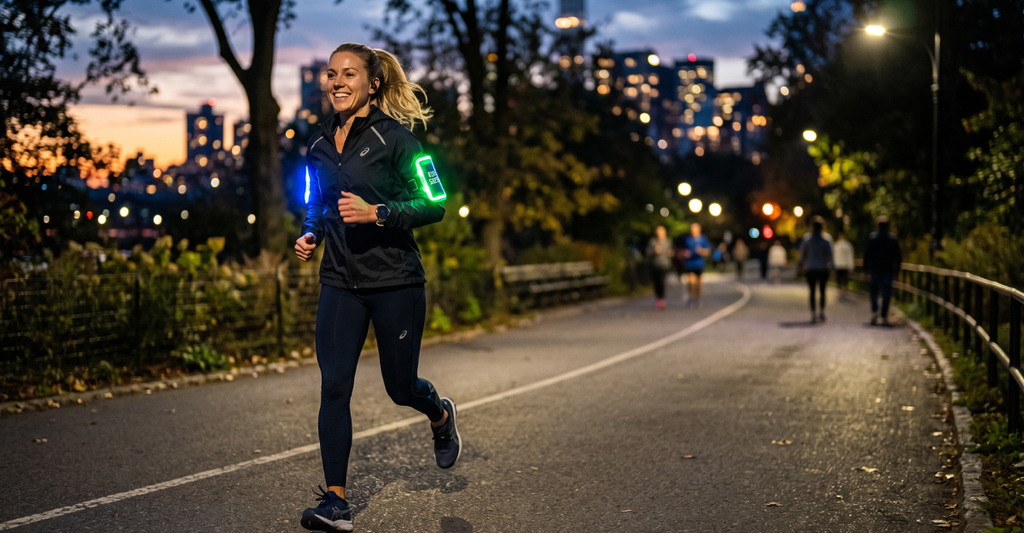
When you’re out for an early morning run before the sun rises or squeezing in a quick jog after work as darkness falls, visibility becomes your invisible running partner. You might have the perfect pace, the ideal route mapped out, and your favorite playlist queued up, but none of that matters if drivers, cyclists, or other pedestrians can’t see you coming. The best light-up armbands for jogging serve as your first line of defense against accidents, transforming you from a shadowy figure into a clearly visible athlete who commands attention and respect on the road.
Statistics paint a sobering picture: pedestrian fatalities increase dramatically during low-light hours, with studies showing that wearing reflective or illuminated gear can reduce your risk of being struck by a vehicle by up to 85%. That’s not just a number—that’s real protection for you and peace of mind for your family waiting at home. For busy moms trying to fit in exercise around kids’ schedules, those pre-dawn or post-dusk runs are often the only available windows. Making yourself visible isn’t optional; it’s essential. Light-up armbands offer a simple, affordable solution that doesn’t require you to overhaul your entire running wardrobe or invest in expensive high-tech clothing.
Beyond the safety factor, there’s something empowering about being seen. When you’re lit up and visible, you send a message that you’re a serious runner who takes your fitness journey seriously. You’re not hiding in the shadows or apologizing for taking up space on the sidewalk or road. You’re claiming your right to exercise safely, regardless of when your busy schedule allows.
Understanding Different Types of Light-Up Armbands
The market for best light-up armbands for jogging has exploded in recent years, giving you an almost overwhelming array of choices. LED armbands represent the most common type, using small light-emitting diodes to create bright, eye-catching illumination. These come in various configurations: some feature steady light modes, while others offer flashing or strobing patterns designed to catch the attention of drivers from greater distances. LED technology has advanced remarkably, allowing manufacturers to pack impressive brightness into lightweight, compact designs that won’t weigh you down or throw off your running form.
Fiber optic armbands take a different approach, using thin strands of light-conducting material that glow along their entire length. These create a more uniform illumination effect compared to the point-source lighting of LEDs, offering 360-degree visibility that ensures you’re seen from every angle. The technology produces a softer, more diffused glow that some runners find less harsh than bright LED points, though they typically don’t project light quite as far as their LED counterparts. For runners concerned about comfort, fiber optic bands often feel lighter and more flexible against the arm.
Reflective armbands with built-in lighting represent a hybrid approach, combining passive reflective materials with active light sources. When a car’s headlights hit the reflective portions, they bounce back toward the driver, while the built-in lights provide continuous visibility even when no external light source is present. This dual-action approach offers redundancy—if your battery dies unexpectedly, you still have some reflective protection. Many serious runners and fitness enthusiasts consider this combination the gold standard for visibility during low-light conditions.
Rechargeable versus battery-operated models present another crucial distinction. Rechargeable armbands typically use lithium-ion batteries that you can juice up via USB, eliminating the need to constantly purchase replacement batteries. They’re more environmentally friendly and cost-effective over time, though you’ll need to remember to charge them before your runs. Battery-operated models using replaceable coin cells or AA batteries offer the convenience of quick swaps when power runs low, but they generate more waste and incur ongoing costs. Your choice depends on your preferences and how good you are at remembering to charge devices.
Key Features to Look For
When shopping for the best light-up armbands for jogging, brightness should top your priority list. Measured in lumens, brightness determines how far away drivers and other road users can spot you. Look for armbands offering at least 50-100 lumens for adequate visibility. More isn’t always better, though—excessively bright lights can actually create glare that impairs vision for oncoming traffic. The sweet spot balances conspicuousness with consideration for others sharing the road. Some premium models offer adjustable brightness settings, allowing you to dial up the intensity on particularly dark routes or in bad weather, then reduce it when conditions improve.
Battery life becomes critical when you’re training for longer distances or simply don’t want the hassle of frequent recharging. Most quality armbands provide between 4-12 hours of continuous illumination on a single charge or set of batteries, but actual runtime varies based on brightness settings and flash patterns. Steady light modes consume more power than intermittent flashing, so models with multiple modes give you flexibility to extend battery life when needed. For marathon trainers putting in high mileage, investing in armbands with longer battery life or keeping spare batteries handy prevents you from being caught in the dark mid-run.
Comfort and fit determine whether you’ll actually wear your armband consistently. The best light-up armbands for jogging secure snugly without creating pressure points or restricting circulation. Look for adjustable straps that accommodate different arm sizes—this matters especially if you’re wearing the band over a jacket in cold weather or directly on skin during summer runs. Materials matter too: breathable, moisture-wicking fabrics prevent the sweaty, itchy sensation that causes many runners to abandon their safety gear. The band should stay in place through your entire run without requiring constant adjustment. Nothing’s more annoying than equipment that constantly slides down your arm, forcing you to break your rhythm to readjust.
Water resistance protects your investment and ensures reliability regardless of weather conditions. Even if you don’t intentionally run in the rain, you’ll sweat, and morning dew or unexpected drizzles happen. At minimum, look for armbands rated IPX4, which indicates protection against splashing water from any direction. For dedicated all-weather runners, IPX6 or higher ratings offer protection against powerful water jets and heavy rain. This rating system gives you confidence that your visibility won’t suddenly fail when weather conditions make it most essential.
Top Situations Where Light-Up Armbands Are Essential
Early morning runners face unique visibility challenges that make best light-up armbands for jogging absolutely non-negotiable. As you’re hitting the pavement during that peaceful pre-dawn period when the world still sleeps, drivers are often groggy, rushing to work, and less alert than they’ll be later in the day. The lighting conditions are particularly tricky during twilight hours when human vision struggles most with depth perception and movement detection. Your armband transforms you from a barely-visible silhouette into an obvious presence that drivers can spot from blocks away, giving them ample time to adjust their path. For busy moms trying to get their workout in before kids wake up, this early morning safety gear provides not just protection but permission to take that essential time for yourself without excessive worry.
Evening and night runs present similar challenges but with added complications. After-work traffic peaks precisely when many fitness enthusiasts can finally squeeze in exercise time. Drivers are tired after long workdays, their attention spans frayed, and they’re eager to get home. Combine this with actual darkness rather than twilight, and the risk factors multiply. Rural runners face particular dangers on roads without streetlights, where your armband might be the only thing preventing a tragic accident. Even in well-lit urban areas, the visual clutter of signs, storefronts, and traffic lights can make an unlit runner easy to miss. Your light-up armband cuts through this sensory overload.
Weather conditions that reduce visibility—fog, rain, snow, or even dust storms in certain regions—make light-up armbands essential regardless of the time of day. When you can barely see ten feet ahead, neither can drivers. The best light-up armbands for jogging create their own visibility bubble, alerting others to your presence even when natural sight lines are severely compromised. Parents worried about their teenagers running in these conditions can insist on lit armbands as a non-negotiable safety requirement, offering some control and peace of mind even when they can’t physically accompany their kids.
Trail running in low-light conditions presents its own set of challenges. While you might not worry about vehicular traffic, other trail users—cyclists, hikers, even horseback riders—need to detect your presence from a distance. Surprising other trail users can lead to collisions or, in the case of horses, spooking animals into dangerous reactions. Your armband announces your approach, allowing others to prepare and react appropriately. Plus, if you’re running trails that cross roads or parking areas, you maintain visibility during those transition zones.
How to Properly Wear Your Light-Up Armband
Position matters more than you might initially think when wearing the best light-up armbands for jogging. Most runners default to wearing armbands on their upper arms, and this generally works well for visibility from the side and rear. However, strategic placement can optimize your visibility profile. If you’re running on roads where you face traffic, consider wearing one band on the arm closest to traffic—your left arm in countries where traffic drives on the right side. This positioning ensures drivers have the clearest view of your light source. Some safety-conscious runners wear two armbands, one on each arm, creating a broader visibility footprint and redundancy if one fails.
The height on your arm affects both comfort and visibility. Too high, near your shoulder, and the band might interfere with your natural arm swing or shift around as your deltoid muscles flex. Too low, near your elbow, and it risks slipping down your forearm during your run. The sweet spot sits approximately mid-bicep, where your arm maintains a relatively consistent diameter throughout your running motion. This position also places the light at a height roughly corresponding to driver eye level in most vehicles, making it easier for them to spot without having to scan unusually high or low.
Tightness requires a Goldilocks approach—not too loose, not too tight, but just right. A band that’s too loose will slide and bounce, becoming an annoying distraction that tempts you to abandon it mid-run. One that’s too tight restricts blood flow, creating numbness, tingling, or that pins-and-needles sensation that can affect your arm swing and overall form. You should be able to slip two fingers between the band and your arm when it’s properly adjusted. After the first few minutes of your run, do a quick check and readjust if needed—your arm muscles warm up and expand slightly, which can affect fit.
Multiple bands create enhanced visibility patterns that significantly increase your conspicuousness. Beyond wearing armbands on both arms, consider adding bands to your ankles or calves. Lower-body lights create a moving pattern that human vision naturally tracks more effectively than stationary or less dynamic light sources. The up-and-down motion of your legs as you run creates a distinctive signature that drivers can spot in their peripheral vision. For maximum visibility, some runners create a “lights-on” ensemble including armbands, ankle bands, and a headlamp or chest light, transforming themselves into impossible-to-miss mobile light shows.
Caring for and Maintaining Your Light-Up Armbands
Proper maintenance extends the lifespan of your best light-up armbands for jogging and ensures they’ll work reliably when you need them most. After each run, especially in warm weather when you’ve been sweating heavily, wipe down your armbands with a slightly damp cloth. Sweat contains salts and other compounds that can corrode electronic components and degrade fabric materials over time. For water-resistant models, you can typically rinse them under running water, but always check the manufacturer’s specific cleaning instructions. Never submerge non-waterproof models or use harsh chemical cleaners that might damage the materials or seals protecting electronic components.
Battery management practices differ depending on whether you have rechargeable or battery-operated models. For rechargeable armbands, avoid completely depleting the battery before recharging—lithium-ion batteries actually last longer when kept between 20-80% charge rather than cycled from empty to full repeatedly. If you won’t be using your armband for an extended period, store it with approximately 50% charge. For battery-operated models, remove the batteries if you’re storing the armband for more than a month to prevent corrosion from battery leakage. Keep spare batteries in your running gear bag so you’re never caught without power.
Storage conditions affect longevity more than many runners realize. Extreme temperatures—both hot and cold—can damage electronic components and degrade elastic materials. Don’t leave your armbands in a hot car or garage where temperatures soar during summer, and avoid storing them in unheated spaces during winter freezes. Room temperature storage in a drawer or closet works best. If you’ve gotten your armbands wet during a rainy run, allow them to air dry completely before storing to prevent mold growth or moisture damage to electronics. Some runners dedicate a small mesh bag to their lighting equipment, allowing air circulation while keeping everything together and easy to find.
Regular functionality testing prevents the unpleasant surprise of discovering dead or malfunctioning equipment just as you’re heading out for your run. Make it a weekly habit to turn on your armbands and check all lighting modes, even if you haven’t used them recently. This practice lets you identify dying batteries or developing problems before they leave you vulnerable. For armbands with multiple flash patterns, cycle through all modes to ensure the circuitry still works properly. If you notice dimming lights or intermittent operation, address the issue immediately rather than gambling that the equipment will hold up for one more run.
Additional Safety Tips for Low-Light Running
While the best light-up armbands for jogging significantly improve your visibility, they work best as part of a comprehensive approach to low-light running safety. Layer your visibility strategies by combining active lighting (your armbands) with passive reflective elements. Many running shoes now incorporate reflective materials, and you can purchase reflective vests, jackets, or even stickers to place on existing gear. This belt-and-suspenders approach ensures that even if your battery dies unexpectedly, you still have some visibility when car headlights hit your reflective materials. The combination of lights you control and reflectors that work passively creates redundancy that could save your life.
Route planning takes on added importance during low-light conditions. Whenever possible, choose well-lit paths with sidewalks or dedicated running trails rather than narrow roads with no shoulders. Even with excellent visibility gear, sharing space with moving vehicles increases risk. If you must run on roads, always face oncoming traffic so you can see approaching vehicles and take evasive action if needed. Learn your route during daylight first so you know about potholes, uneven pavement, or other hazards that become harder to spot in darkness. Let someone know your planned route and expected return time—this basic precaution becomes critical if you’re injured and need help.
Heightened awareness must become your constant companion during low-light runs. This isn’t the time for deep thinking or zoning out completely to your music. Keep volume at levels that allow you to hear approaching vehicles, bicycles, or other runners. Many serious runners use bone-conduction headphones that leave ear canals open to environmental sounds while still delivering audio. Trust your instincts—if a situation feels unsafe, it probably is. There’s no shame in cutting a run short, taking a different route, or waiting for better conditions. For parents teaching teenagers about running safety, modeling this decision-making process shows that smart athletes adjust their plans based on circumstances rather than stubbornly sticking to a schedule that might compromise safety.
Technology can enhance safety beyond just wearing armbands. Many running apps now include live-tracking features that let family or friends monitor your route in real-time. Some devices offer one-button emergency alerts that send your GPS coordinates to designated contacts. Consider carrying your phone in a running belt or armband holder—even if you’re not actively using it, having it available for emergencies or to use the flashlight feature provides valuable backup. For women and others who may feel particularly vulnerable during isolated low-light runs, these technological tools add layers of security that complement your physical visibility equipment.
Budget Considerations and Value Assessment
Understanding the price range for best light-up armbands for jogging helps you make informed purchasing decisions that balance cost with functionality. Budget-friendly options typically fall in the $8-15 range and usually feature basic LED lights with simple on/off functionality or perhaps one or two flash patterns. These entry-level bands work perfectly well for occasional runners or those just beginning to build a visibility safety routine. They may use cheaper materials that won’t last as long with heavy use, and battery life tends toward the shorter end of the spectrum. However, they absolutely fulfill the core function of making you visible, and something is infinitely better than nothing when it comes to safety gear.
Mid-range armbands priced between $15-30 offer noticeable improvements in quality, features, and durability. You’ll typically find better weather resistance, more comfortable materials, longer battery life, and multiple lighting modes. Many include rechargeable batteries that eliminate ongoing battery costs, which can actually make them more economical than cheaper battery-operated models over time. For serious runners logging regular miles in low-light conditions, this price point usually offers the best value proposition—enough quality to ensure reliability and comfort without paying for premium features you might not need.
Premium models exceeding $30 incorporate advanced features like smartphone connectivity, adjustable brightness levels, smart sensors that activate lights automatically in low-light conditions, and superior battery technology offering extended runtime. Some include additional safety features like built-in emergency flashers or reflective elements woven into the band material itself. While these bells and whistles are nice, most runners find that mid-range models deliver everything essential. The premium tier makes sense if you’re running in particularly challenging conditions, training for ultra-distance events, or simply want the longest-lasting, most durable option available regardless of price.
When assessing value, calculate the cost per use rather than just the upfront price. A $10 armband that breaks after two months delivers worse value than a $25 model that lasts two years of regular use. Factor in battery costs for non-rechargeable models—if you run four times per week and need new batteries monthly at $5 per set, that’s $60 annually added to your initial purchase price. Suddenly, that $30 rechargeable model starts looking like a bargain. Consider durability factors like warranty coverage, water resistance ratings, and user reviews mentioning longevity. The best light-up armbands for jogging from a value perspective are those that reliably perform their safety function over hundreds of runs, not those with the lowest sticker price.
Real Runner Experiences and Testimonials
Sarah, a 42-year-old mother of three from suburban Ohio, discovered the importance of the best light-up armbands for jogging after a close call that still makes her shudder. “I’d been running the same pre-dawn route for months wearing only dark clothing,” she shares. “One morning, a driver turning right at an intersection simply didn’t see me. They stopped just feet away, both of us shocked. That day, I ordered light-up armbands and haven’t run without them since. The peace of mind is worth every penny, and my kids insist I wear them—they’ve become my little safety monitors.”
Marcus, a 58-year-old construction foreman who uses evening runs to decompress after long days on job sites, emphasizes the durability factor. “I’m tough on gear. I sweat heavily, I run in rain, snow, whatever—I need my exercise to stay sane. I went through three cheap armbands in six months before investing in a quality set. The difference is night and day. Better waterproofing, better battery life, better everything. As someone who works in construction, I recognize quality building versus cheap manufacturing. With safety equipment, you get what you pay for.”
Jennifer, a 35-year-old fitness coach and busy mom, appreciates how light-up armbands support her dual role. “I’m constantly modeling healthy behaviors for my clients and my own kids. When I’m out running at dawn, my armbands make me visible to drivers but also to my community. Other parents have told me seeing me out there consistently inspired them to start their own fitness journeys. The armbands became part of my personal brand—that glowing figure people see every morning at 5:30 AM. Plus, my teenage daughter has started running, and I insist she wears them. It’s non-negotiable in our house.”
Robert, a 61-year-old recent retiree training for his first half-marathon, found that best light-up armbands for jogging addressed concerns his wife had about his new hobby. “She worried about me being out on the roads, especially during our dark Pacific Northwest winters. The armbands were a compromise—I get to pursue my running goals, she gets peace of mind knowing I’m visible. We actually tested them one evening; she drove while I ran, and she could see me from incredibly far away. That practical demonstration won her over completely. Now she doesn’t worry when I’m out there.”
Give us a call today at 1-877-777-6086 or fill out our contact form to become a retail
distributor of our top-of-the-line safety lights.