When you lace up your running shoes or head to the gym, you’re doing more than just building muscle or burning calories. Physical activity fundamentally transforms your emotional landscape, creating ripples of positive change throughout your mental health. Research consistently demonstrates that exercise releases endorphins, serotonin, and dopamine—neurotransmitters that naturally elevate mood and reduce stress. But here’s what makes it even more powerful: when you combine physical movement with social connection, you create a synergistic effect that amplifies these benefits exponentially.
The science behind social exercise for emotional support reveals something fascinating about human psychology. Our brains are wired for connection, and when we engage in physical activities alongside others, we activate neural pathways associated with trust, belonging, and emotional security. You’re not just working out; you’re building a support network that becomes a buffer against life’s inevitable challenges. Whether you’re a busy parent juggling multiple responsibilities or an athlete seeking to enhance performance, the emotional benefits of exercising with others can be transformative.
Consider how different you feel after a solo workout versus one shared with friends or family. The accountability, encouragement, and shared experience create layers of emotional support that solitary exercise simply cannot replicate. This isn’t to diminish individual training—there’s certainly value in personal discipline and solo achievements. However, incorporating social elements into your fitness routine addresses emotional needs that go beyond physical health, creating a holistic approach to wellness that serves both body and mind.
Why Busy Parents Need Social Fitness More Than Ever
If you’re a parent managing the constant demands of family life, work responsibilities, and household duties, finding time for self-care probably feels like an impossible luxury. Yet this is precisely when social exercise for emotional support becomes most critical. The isolation that often accompanies parenting—particularly for stay-at-home parents or those working remotely—can gradually erode your emotional resilience without you even realizing it’s happening.
Parental burnout is real, pervasive, and increasingly recognized as a serious concern for mental health. You might find yourself snapping at your kids over minor issues, feeling resentful about sacrifices you’ve made, or experiencing a persistent sense of exhaustion that sleep doesn’t seem to fix. These are warning signs that your emotional tank is running on empty. Engaging in group fitness activities provides structured time away from parenting demands while simultaneously filling your social and emotional needs.
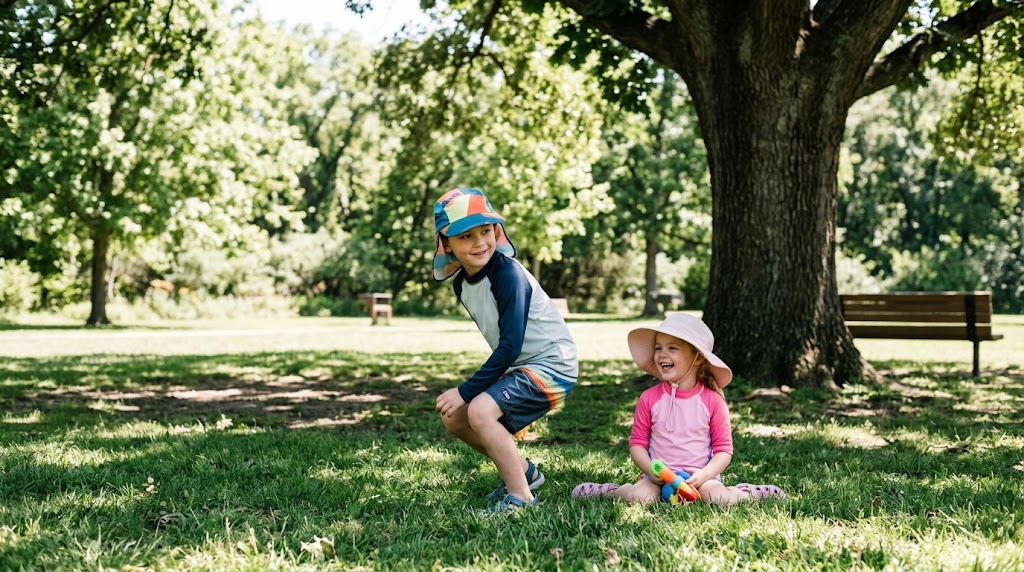
The beauty of incorporating social exercise into your routine is that it models healthy behavior for your children. When they see you prioritizing physical activity, managing stress through movement, and maintaining friendships through shared activities, you’re teaching invaluable life lessons. Your kids learn that self-care isn’t selfish—it’s essential. They observe that building community and maintaining relationships requires intentional effort. These lessons will serve them throughout their lives, potentially preventing the isolation and mental health challenges that plague so many adults.
Creating Fitness Opportunities That Fit Family Life
You don’t need hours of free time to benefit from social exercise. In fact, some of the most effective approaches integrate seamlessly into your existing schedule. Walking groups with other parents while kids are at school, early morning running clubs before your household wakes up, or weekend family activities that include other families all provide opportunities for connection without requiring major schedule overhauls.
Consider these practical options that busy parents have successfully implemented:
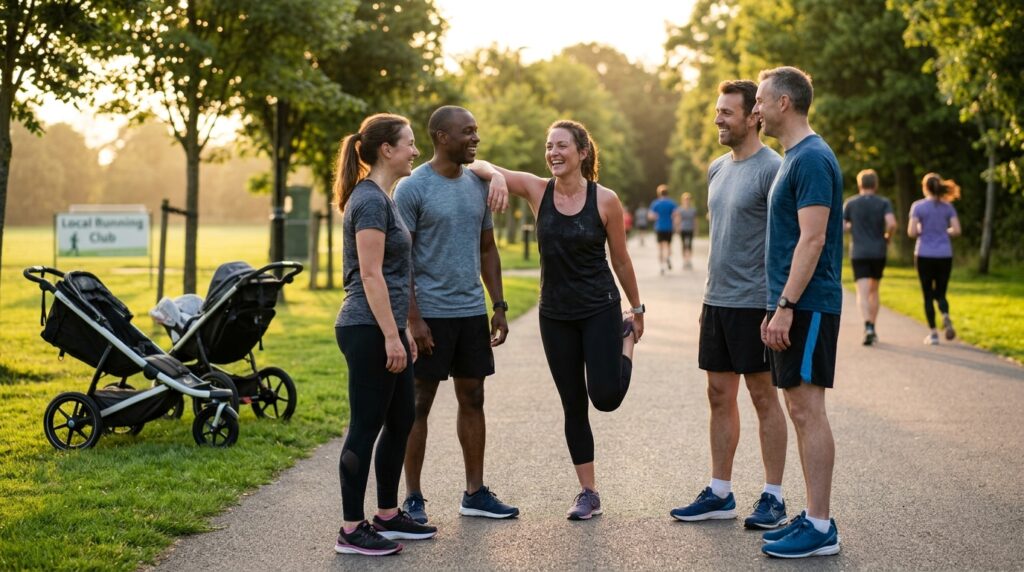
- Stroller running groups that welcome parents with young children
- School playground workouts where parents exercise while kids play nearby
- Weekend hiking clubs that accommodate various fitness levels and include children
- Neighborhood walking groups that meet consistently at convenient times
- Online fitness communities that provide accountability even when schedules don’t align
- Family sports leagues like soccer, volleyball, or basketball that encourage multi-generational participation
The key is finding activities that align with your interests, fitness level, and schedule constraints. Start small. Commit to one social fitness activity per week, then gradually expand as you experience the emotional benefits. You’ll likely discover that the time invested returns dividends in improved mood, increased patience, and greater emotional capacity for handling daily challenges.
The Athlete’s Secret Weapon: Training Partners and Mental Toughness
If you’re serious about athletic performance, you’ve probably focused extensively on training plans, nutrition protocols, and recovery strategies. But have you considered how social exercise for emotional support might be the missing element that takes your performance to the next level? Elite athletes consistently cite their training partners, teams, and coaches as critical components of their success—not just for physical preparation, but for mental resilience.
Training alone certainly builds discipline and self-reliance. However, it also creates vulnerability to negative thought patterns, motivation slumps, and the tendency to quit when workouts become uncomfortable. When you exercise with others, particularly those who share your athletic goals, you gain access to external motivation that pushes you beyond self-imposed limitations. That running partner who shows up at your door ensures you don’t skip your morning miles. The cycling group that maintains a challenging pace pulls you along when your energy flags. The CrossFit class creates friendly competition that drives you to attempt weights you’d avoid when training solo.
Beyond the performance benefits, social exercise provides crucial emotional support during the inevitable setbacks every athlete faces. Injuries, plateaus, disappointing race results, and training struggles become more manageable when shared with people who understand. They’ve experienced similar challenges. They know the frustration, disappointment, and self-doubt that accompany athletic pursuits. This shared understanding creates a support network that helps you maintain perspective, process difficult emotions, and return to training with renewed determination.
Building Your Athletic Support Network
Creating an effective social exercise environment for athletic training requires intentionality. You need to find people whose goals, commitment levels, and personalities complement your own. A mismatch—training partners who are significantly faster or slower, who have different goals, or who approach training with incompatible attitudes—can actually increase stress rather than provide support.
Start by identifying what you need most from training partners. Are you looking for accountability to maintain consistency? Do you need people who push you beyond your comfort zone? Would you benefit from training partners who prioritize fun and enjoyment over performance metrics? Different seasons of your athletic journey may require different types of social support.
Running clubs often organize groups by pace, making it easy to find people at your level. Triathlon teams typically include athletes across wide ability ranges, creating mentorship opportunities alongside peer connections. Gym-based group fitness classes provide regular social interaction with the same people, fostering relationships that extend beyond workout sessions. Many athletes discover that their training partners become close friends, creating social bonds that support emotional health in all life areas, not just fitness.
How Social Connection Amplifies Exercise’s Mood-Boosting Effects
The physiological benefits of exercise on mental health are well-established and impressive. Physical activity reduces cortisol levels, the hormone associated with stress and anxiety. It increases production of brain-derived neurotrophic factor (BDNF), which supports neuroplasticity and cognitive function. Exercise improves sleep quality, regulates appetite, and enhances overall energy levels. All of these mechanisms contribute to improved emotional wellbeing.
However, when you add social connection to the equation, you activate additional biological systems that further enhance mood regulation. Human interaction triggers oxytocin release, often called the “bonding hormone,” which reduces anxiety and promotes feelings of trust and security. Social engagement activates the vagus nerve, which helps regulate your nervous system’s stress response. Group activities create shared positive experiences that your brain associates with safety, belonging, and joy.
Social exercise for emotional support also provides psychological benefits that isolated workouts cannot deliver. The sense of belonging to a group fulfills a fundamental human need, combating the loneliness epidemic affecting millions of people across all demographics. Shared goals create camaraderie and mutual investment in each other’s success. The accountability inherent in group commitments helps maintain consistency, and as you know, consistent exercise produces more significant mental health benefits than sporadic, intense efforts.
The Role of Vulnerability in Exercise Communities
One of the most profound aspects of social fitness involves the vulnerability that develops when people exercise together regularly. Physical activity often pushes you to your limits, revealing moments of struggle, frustration, and weakness. When others witness these moments—and share their own—authentic connections form that transcend superficial social interactions.
You’ve probably experienced this if you’ve ever struggled through a challenging workout alongside others. Maybe you couldn’t maintain the pace during a group run, or you modified exercises in a fitness class. Perhaps you finished last in a race where you knew other participants. These vulnerable moments, rather than being shameful, create opportunities for genuine human connection. They remind you that everyone struggles, everyone has limitations, and growth requires pushing beyond comfort zones.
This shared vulnerability becomes the foundation for emotional support that extends beyond fitness contexts. The running buddy who has seen you completely exhausted during a long training run is someone you can call when life feels overwhelming. The cycling group that has watched you work through an injury understands perseverance in ways that translate to other challenges. These relationships, forged through shared physical struggles, create a support network that enhances emotional resilience across all life domains.
Creating Inclusive Social Exercise Opportunities
One of the challenges in promoting social exercise for emotional support involves ensuring that opportunities are accessible and welcoming to people of varying fitness levels, ages, and backgrounds. Too often, group fitness becomes exclusive, whether intentionally or unintentionally, creating barriers that prevent people from accessing the emotional benefits of social exercise.
If you’re establishing a fitness group or community, prioritizing inclusion dramatically expands the positive impact you can create. This means welcoming beginners alongside advanced athletes, offering modifications for different ability levels, and creating a culture where effort matters more than performance. The emotional support provided by inclusive fitness communities often proves most valuable for people who need it most—those struggling with mental health challenges, social isolation, or self-confidence issues.
Consider how different approaches to group fitness create varying experiences. A running club that emphasizes personal records and competitive achievements might motivate experienced runners but intimidate beginners. Conversely, a “no runner left behind” philosophy ensures everyone finishes together, building community while making the activity accessible to all fitness levels. Neither approach is inherently wrong, but understanding their different impacts helps you choose or create environments that serve your emotional needs.
Adapting Activities for Different Life Stages
Your fitness abilities and social needs evolve throughout life, requiring flexibility in how you approach social exercise. The high-intensity group classes you loved in your twenties might not suit your body or schedule in your forties. The competitive sports leagues that once provided social connection might feel less appealing as priorities shift toward family and career.
Successful long-term engagement with social exercise for emotional support requires adapting your approach as circumstances change. New parents might transition from evening gym classes to morning walking groups that accommodate strollers. Athletes recovering from injuries might shift from competitive team sports to recreational group activities that reduce performance pressure while maintaining social connection. Older adults might discover that water aerobics or gentle yoga classes provide ideal combinations of physical activity, joint-friendly movement, and social interaction.
The specific activity matters less than the consistency of social engagement around physical movement. Don’t feel locked into particular formats because they worked previously. Give yourself permission to explore different options as your needs evolve. That flexibility ensures you maintain the emotional support benefits of social exercise throughout different life seasons.
Practical Strategies for Building Exercise-Based Friendships
While group fitness provides opportunities for social connection, transforming casual workout acquaintances into genuine friendships requires intentional effort. You can attend the same class for months without developing meaningful relationships if you arrive at the last minute, avoid conversation, and leave immediately after finishing. Deepening these connections maximizes the emotional support available through social exercise.
Start by introducing yourself to people who regularly attend the same activities. Learn their names. Ask about their fitness goals, their lives outside the gym, their experiences with the activity. Most people appreciate genuine interest and will reciprocate, creating opportunities for conversation that extend beyond surface-level pleasantries. These initial interactions plant seeds for deeper connections.
Extend connections beyond scheduled activities to strengthen relationships and increase emotional support. Suggest coffee after a weekend run. Organize social gatherings for your fitness group. Create communication channels—group texts, social media groups, or messaging apps—that keep people connected between workouts. These extensions transform exercise partners into friends who provide support during difficult times, celebrate successes, and enrich your life beyond fitness contexts.
Navigating the Digital-Physical Balance
Technology has transformed how we approach social exercise, creating both opportunities and challenges. Virtual fitness communities connect people across vast distances, providing accountability and encouragement even when you can’t physically exercise together. Fitness tracking apps allow you to share workouts, compare progress, and maintain motivation through digital interaction. Online classes bring group fitness into your home, eliminating location and schedule barriers.
However, digital connections, while valuable, cannot fully replicate the emotional benefits of in-person interaction. The nonverbal communication, physical presence, and sensory richness of exercising alongside others creates neural activation and emotional resonance that screens cannot duplicate. The most effective approach to social exercise for emotional support typically involves balancing both modalities—leveraging technology for convenience and expanded connection while prioritizing in-person activities when possible.
Consider using digital tools to supplement and enhance physical connections rather than replacing them. Your running club might use apps to track weekly mileage and encourage members between group runs. Your fitness class might maintain a social media group for sharing progress, asking questions, and organizing social events. Virtual workouts might help you stay connected with exercise friends when travel, weather, or illness prevents in-person attendance. This integrated approach maximizes accessibility while preserving the irreplaceable benefits of face-to-face interaction.
The Science Behind Group Motivation and Consistency
Understanding why social exercise enhances motivation and consistency helps you leverage these mechanisms more effectively. Multiple psychological principles explain why you’re more likely to maintain regular physical activity when it involves other people. Social commitment creates accountability that internal motivation alone cannot match. When someone expects to meet you for a workout, you’re far less likely to skip it than when you exercise alone.
The Köhler effect demonstrates that people working in groups often perform better than when working individually, particularly when they perceive themselves as the weakest group member. You’ve probably experienced this during group workouts—pushing harder to keep pace with others, completing additional repetitions to match the group, or maintaining intensity longer than you would solo. This phenomenon creates training stimulus that drives physical adaptations while simultaneously building mental resilience.
Social comparison, while sometimes criticized for creating unrealistic standards, can provide powerful motivation when channeled appropriately. Observing others achieve goals you’re pursuing proves what’s possible and provides implicit guidance on effective approaches. Watching someone your age complete a marathon, master a challenging yoga pose, or achieve a fitness milestone creates a mental template showing you can accomplish similar goals. This observational learning accelerates progress while the social connection provides emotional support during the inevitable challenges.
Creating Sustainable Habits Through Social Bonds
Habit formation research reveals that environmental cues and social reinforcement significantly impact whether new behaviors become automatic. When exercise involves regular social interaction, multiple reinforcement mechanisms support habit development. The scheduled nature of group activities provides temporal cues. The location becomes an environmental cue. The people involved create social cues. This multi-layered cueing system dramatically increases the likelihood that exercise becomes an ingrained habit rather than something requiring constant willpower.
Additionally, social exercise for emotional support transforms workouts from obligations into events you anticipate with pleasure. When fitness activities include friends, laughter, conversation, and connection, your brain associates exercise with social reward rather than merely physical discomfort or discipline. This positive association makes consistency dramatically easier to maintain long-term.
Think about activities you’ve maintained for years versus those you’ve repeatedly started and stopped. Chances are, the sustainable habits involve social components—whether that’s a standing tennis match with friends, a weekly hiking group, or regular participation in team sports. The social dimension provides motivation during periods when physical results plateau, when life becomes busy, or when initial enthusiasm wanes. That consistency, maintained through social bonds, ultimately delivers the profound physical and emotional health benefits that sporadic exercise cannot provide.
Addressing Common Barriers to Social Exercise
Despite the clear benefits of social exercise for emotional support, numerous barriers prevent people from engaging in group fitness activities. Recognizing and addressing these obstacles helps you overcome them personally while also creating more inclusive opportunities for others. Social anxiety, fear of judgment, schedule constraints, financial limitations, and lack of awareness about available options all prevent people from accessing social fitness benefits.
If you experience anxiety about joining group activities, you’re not alone. Many people worry about being the slowest, least fit, or most awkward participant. These fears, while understandable, often prove unfounded. Most fitness communities welcome newcomers warmly, recognizing that everyone started as a beginner. Consider starting with smaller, less intimidating options—exercising with a single friend rather than a large group, or attending beginner-specific classes designed for people new to the activity.
Financial barriers can limit access to commercial fitness facilities, classes, and organized sports. However, countless free or low-cost options provide social exercise opportunities. Walking or running groups typically cost nothing to join. Community recreation centers offer affordable classes. Parks host free outdoor fitness sessions. Online communities connect people for virtual workouts without fees. Creating or joining informal neighborhood groups—walking clubs, pickup basketball games, or cycling meetups—provides social exercise benefits without financial burden.
Making Time When Time Feels Impossible
Time scarcity represents perhaps the most commonly cited barrier to regular exercise, particularly for busy parents and professionals managing multiple responsibilities. The solution isn’t finding more time—you can’t create additional hours in the day. Instead, it requires prioritizing social exercise as essential rather than optional, then creatively integrating it into existing routines.
Consider these time-efficient approaches that busy individuals successfully implement:
- Early morning workouts before family responsibilities begin, joining others who share this schedule
- Lunch break walking groups that provide exercise and social connection during the workday
- Family-inclusive activities that allow you to spend time with children while exercising with other adults
- Combining social activities with fitness—choosing active outings with friends rather than sedentary ones
- Brief high-intensity group classes that provide significant benefits in 30 minutes or less
- Multi-tasking approaches like conducting walking meetings or phone calls during exercise
Remember that consistency with shorter workouts delivers better results than sporadic longer sessions. Three 30-minute social exercise sessions weekly provide more physical and emotional benefits than occasionally finding time for a two-hour workout. Release perfectionist expectations about what exercise “should” look like and embrace practical solutions that fit your actual life circumstances.
The Ripple Effects of Social Fitness on Overall Wellbeing
The benefits of social exercise for emotional support extend far beyond the immediate mood boost following a workout. Regular participation in social fitness activities creates positive ripple effects throughout multiple life domains. Improved physical health reduces medical expenses and health-related stress. Enhanced emotional resilience improves relationships with family, friends, and colleagues. The confidence gained through fitness achievements often translates into greater self-assurance in professional and personal challenges.
Social connections formed through exercise frequently expand into broader friendship networks that enrich your life in unexpected ways. Your running partner might connect you with career opportunities. Your cycling group might include someone who becomes a trusted friend during difficult times. The parents you meet at a family fitness class might become your village for childcare support, school information, or simply understanding what you’re experiencing. These extended networks create social capital that enhances life satisfaction and provides practical support.
The modeling effect on children and younger community members represents another significant ripple effect. When kids see adults prioritizing fitness, maintaining friendships, and finding joy in physical activity, they internalize these values and behaviors. The obesity epidemic affecting children stems partly from sedentary lifestyles and social isolation. By engaging in social exercise yourself, you demonstrate alternative approaches that children can adopt, potentially influencing their lifelong health trajectories.
Building Community Through Movement
At its core, social exercise creates and strengthens community bonds in ways that sedentary social activities cannot replicate. Shared physical challenges create camaraderie distinct from other social interactions. The endorphin release during exercise puts people in positive emotional states conducive to connection. The regular, repeated contact inherent in ongoing fitness activities allows relationships to deepen gradually and authentically.
Communities built around physical activity often demonstrate remarkable resilience and support during crises. When community members face job loss, illness, divorce, or other challenges, their fitness groups frequently rally with practical and emotional support. These communities embody the African proverb “It takes a village”—creating networks of mutual care that support wellbeing across all dimensions.
You have the power to contribute to and benefit from these communities. Whether you join existing groups or create new ones, your participation strengthens social fabric while supporting your own emotional health. Social exercise for emotional support isn’t merely a personal wellness strategy; it’s a community-building practice with profound implications for collective wellbeing. Every time you show up for a group workout, encourage a struggling participant, or invite someone new to join, you’re investing in social infrastructure that benefits everyone involved.